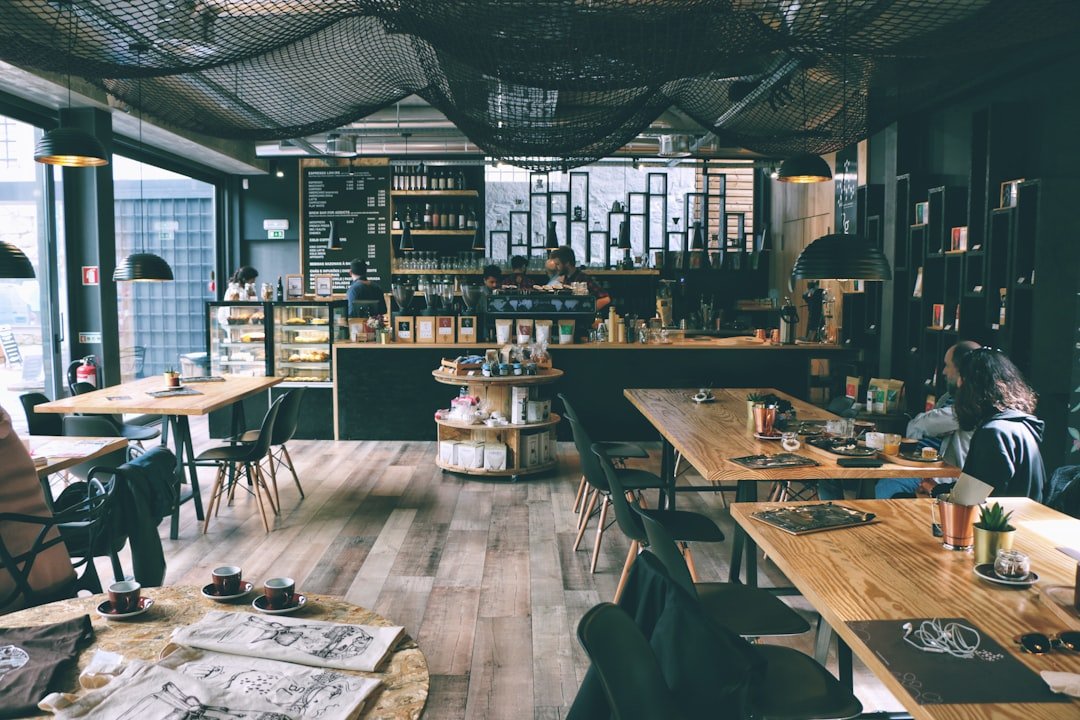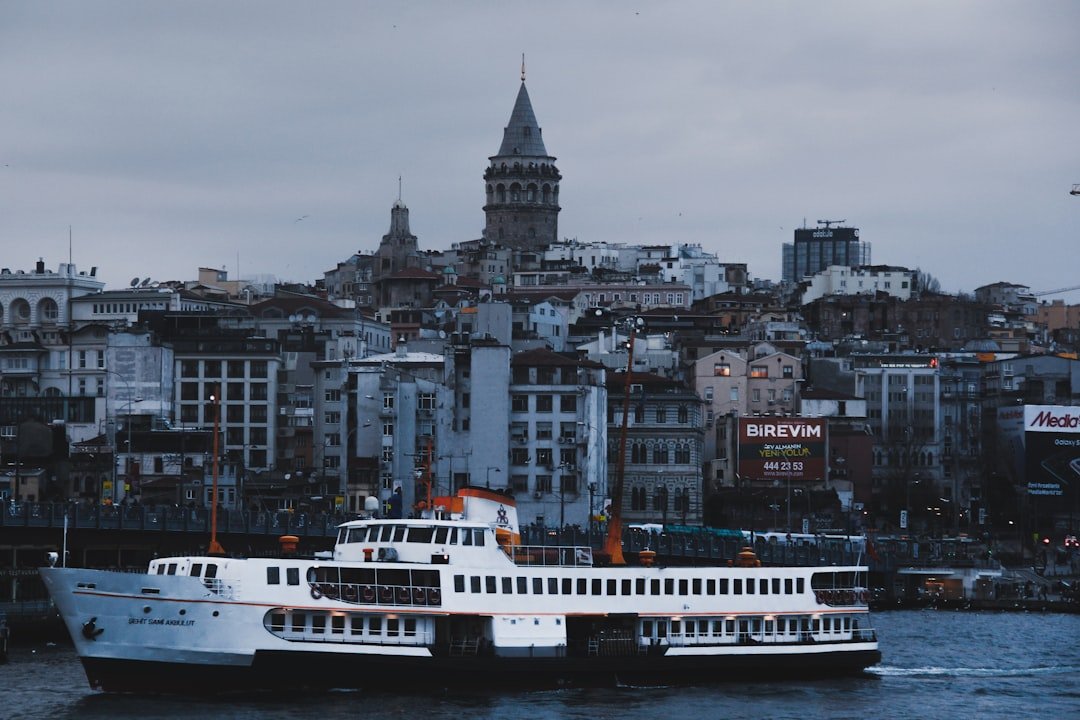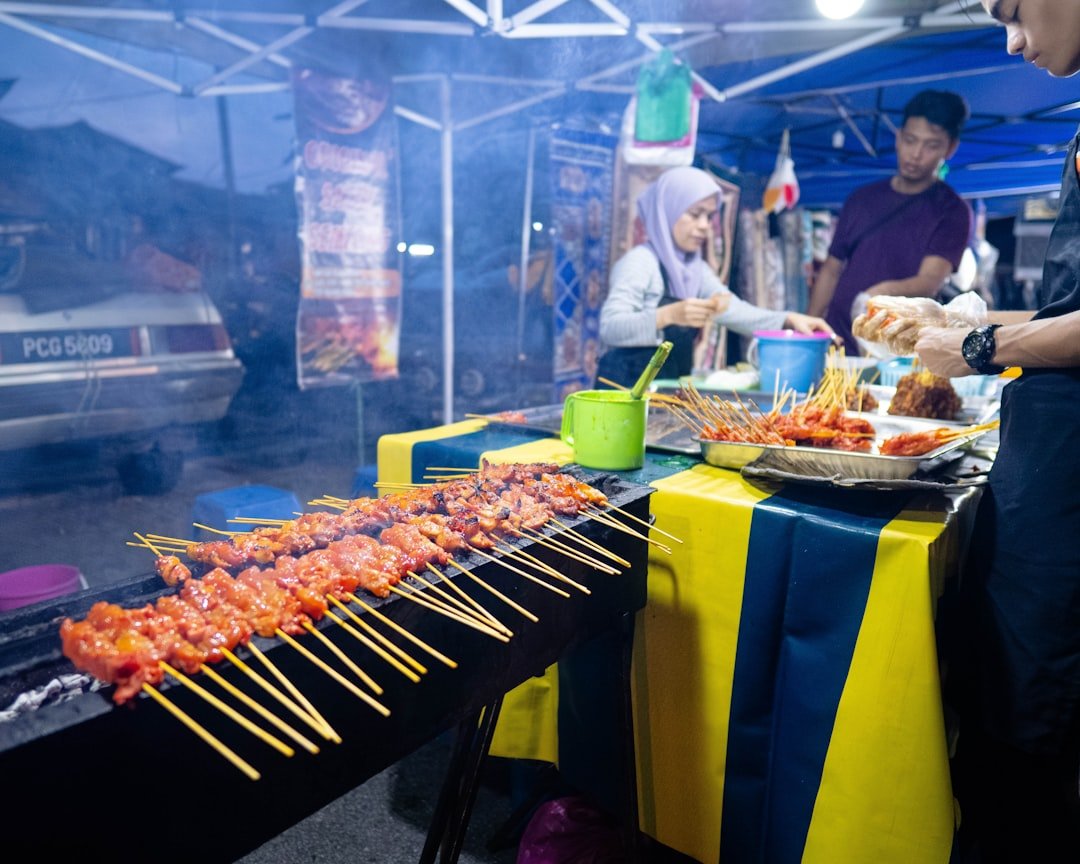
Balat is one of Istanbul’s most atmospheric neighborhoods for a slow food walk: colorful houses, narrow streets, old bakeries, small cafés, weekly market stalls, and quick bites that reflect the wider street-food culture of the city. The best way to enjoy street food in Balat is to arrive hungry, walk without rushing, and treat the neighborhood as part of a larger Fener-Balat route rather than a single fixed food market.
Quick Answer
The best street food in Balat includes simit, gözleme, börek, tavuklu pilav, midye dolma, kokoreç, lahmacun, and sweet snacks such as baklava or Turkish delight. For the best experience, explore Balat with nearby Fener and Ayvansaray, choose busy vendors, and favor food cooked fresh in front of you.
Key Takeaways
- Balat is best for a casual food walk, not a single organized street-food market with fixed stalls every day.
- Start with easy classics such as simit, börek, gözleme, and Turkish tea before moving to richer foods like kokoreç, midye dolma, or lahmacun.
- Availability changes by day and season, so follow busy bakeries, cafés, market stalls, and vendors with high turnover.
- For safer eating, choose food cooked to order, avoid anything that looks poorly stored, and drink sealed bottled water if you are unsure about local water.
Why Balat Is Worth Exploring for Street Food
Balat sits in Istanbul’s Fatih district near the Golden Horn and is closely linked with neighboring Fener. The area is known for its steep streets, colorful wooden houses, small religious sites, antique shops, cafés, and everyday neighborhood life. GoTürkiye’s guide to Fener and Balat highlights the districts’ historic houses, synagogues, churches, and layered heritage, which helps explain why a simple food walk here feels different from eating in a polished tourist zone.
Street food in Balat is not only about grabbing a quick meal. It is also about watching how locals move through the day: a simit with tea in the morning, a pastry from a bakery, a rice cart at lunchtime, or a small sweet after coffee. Many of the foods visitors associate with Balat are also Istanbul-wide classics, and the broader city street-food tradition is well documented by GoTürkiye’s Istanbul street food guide.
Note: Balat is better approached as a flexible food-walk neighborhood than as a guaranteed row of permanent street-food stalls. Vendors, opening hours, and market activity can change, especially outside weekends and busy visitor periods.
Best Street Food to Try in Balat
Simit
Simit is the easiest place to start. This sesame-covered bread ring is crisp outside, chewy inside, and commonly eaten with Turkish tea. It is ideal for breakfast or a light snack while walking through Balat’s side streets. Simit is one of Istanbul’s most recognizable street foods, and GoTürkiye describes it as a popular, widely available street snack in the city.
Gözleme
Gözleme is a thin Turkish flatbread usually filled with spinach, cheese, potato, minced meat, or a mix of herbs. The best versions are cooked on a griddle until the outside becomes lightly crisp. In and around Balat, look for small cafés, market stalls, or casual eateries preparing it fresh rather than pre-wrapped.
Börek
Börek is a flaky pastry made with thin layers of dough and fillings such as cheese, minced meat, potato, or spinach. It works well as a morning or midday bite because it is filling without requiring a sit-down meal. Pair it with ayran, Turkish tea, or a simple tomato-cucumber side if available.
Tavuklu Pilav
Tavuklu pilav is rice with chickpeas and shredded chicken, often served from glass-fronted carts or simple pilav shops. It is one of the most practical street meals in Istanbul: warm, quick, inexpensive, and satisfying. Add black pepper and pickles if the vendor offers them.
Midye Dolma
Midye dolma means stuffed mussels. The mussels are filled with spiced rice and usually eaten with a squeeze of lemon. They are flavorful and very popular across Istanbul, but they require extra care because shellfish can be risky if handled or stored poorly. Choose vendors with strong turnover and clean handling, and skip mussels that look dry, warm in the sun, or poorly covered.
Kokoreç
Kokoreç is seasoned, grilled offal, usually chopped and served in bread. It is rich, peppery, and not for every traveler, but it is one of Istanbul’s classic late-night street foods. If you are trying it for the first time, ask for a small portion and choose a vendor grilling it hot rather than serving pieces that have been sitting out.
Balık Ekmek
Balık ekmek is a grilled fish sandwich, usually associated more strongly with waterfront areas such as Eminönü than with inner Balat streets. It still belongs in a Balat food itinerary if you are extending your walk along the Golden Horn or connecting your route with nearby ferry and waterfront areas. Expect grilled fish in bread with onion, greens, and lemon.
Lahmacun and Tantuni
Lahmacun is a thin flatbread topped with minced meat, vegetables, and spices. It is often rolled with parsley, onion, and lemon. Tantuni, originally associated with Mersin, is made with thinly chopped meat cooked with spices and wrapped in bread. Both are good choices when you want something more substantial than a snack.
Sweet Bites: Baklava, Turkish Delight, and Lokma
For something sweet, look for baklava, Turkish delight, or lokma when available. Baklava is rich and syrupy, Turkish delight is better for a light takeaway treat, and lokma is best when fresh and warm. A small portion is usually enough, especially after savory street food.
History and Culture Behind Balat’s Food Scene
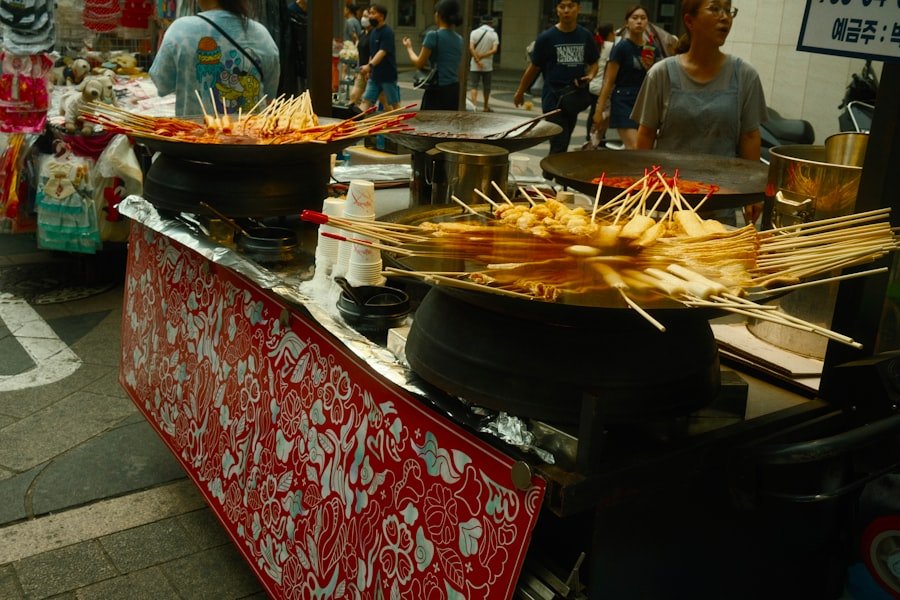
The food culture of Balat reflects the wider history of Istanbul: layered, practical, and shaped by movement between communities. Fener and Balat have long been associated with religious and cultural diversity, including churches, synagogues, and historic houses that still influence the feel of the neighborhood today. Istanbul’s broader historic areas are also recognized by UNESCO, although visitors should not assume that every street in Balat is part of a protected UNESCO component.
That history matters because street food is rarely separate from daily life. A bakery, a cart, a tea glass, and a small pastry shop all tell you something about how people use the neighborhood. In Balat, the best food moments often come from ordinary places rather than famous restaurants: a warm simit, a fresh pastry, a quick rice plate, or a simple glass of tea after climbing a steep street.
Where to Find Street Food in Balat
Balat does not function like a single enclosed food market. Instead, food is spread across bakeries, small cafés, carts, side streets, and nearby Fener and Ayvansaray. Use these areas as a practical starting point:
- Balat’s main walking streets: Look for bakeries, cafés, tea spots, and small takeaway counters.
- Fener-Balat route: Combine sightseeing with food stops, especially around busier streets where cafés and snack shops cluster.
- Weekly neighborhood pazarı: When operating, the local market atmosphere can be good for produce, snacks, and casual bites, but offerings change.
- Ayvansaray and Golden Horn edges: Useful if you want to extend the walk toward waterfront views or transit connections.
- Nearby major food areas: If you cannot find a specific item in Balat, classic Istanbul street foods are often easier to find in Eminönü, Beşiktaş, Beyoğlu, Kadıköy, and Üsküdar.
Pro Tip: Visit with a flexible appetite. Start with simit or börek, then save room for one heavier item such as kokoreç, lahmacun, or pilav. Balat is hilly, so a slow route is more enjoyable than trying to eat everything at once.
Traditional Flavors That Define the Experience
The most memorable flavors in Balat are simple and direct: sesame, grilled meat, lemon, parsley, warm bread, spiced rice, tea, and syrupy sweets. Many dishes rely on contrast. Simit pairs crunch with soft bread. Midye dolma balances seafood, rice, spice, and lemon. Lahmacun becomes brighter when rolled with herbs and citrus. Kokoreç depends on heat, seasoning, and fresh bread.
These foods also show how Istanbul gathers regional tastes into one city. Tantuni comes from southern Türkiye, simit is a citywide daily habit, and stuffed mussels are part of Istanbul’s seafood street-food culture. Balat adds atmosphere: colorful streets, historic buildings, and a slower pace that turns a snack into part of the walk.
Health and Safety Tips for Eating Street Food in Balat
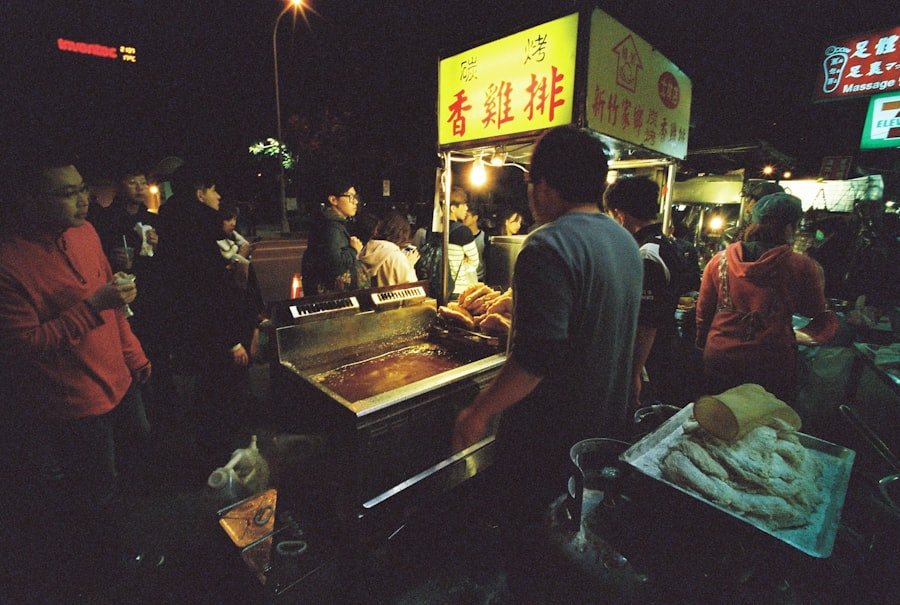
Street food can be one of the best parts of visiting Istanbul, but travelers should use common-sense food-safety habits. The CDC’s traveler food and drink guidance notes that contaminated food or drinks can cause travelers’ diarrhea and other illnesses, while the WHO’s Five Keys to Safer Food emphasize clean handling, thorough cooking, safe water, safe raw materials, and safe temperatures.
Warning: Be extra cautious with shellfish, offal, raw salads, cut fruit, and food that has been sitting uncovered. Choose vendors who cook food fresh, handle money separately from food, and serve a steady stream of customers.
- Choose busy vendors: High turnover usually means fresher food.
- Watch the preparation: Freshly cooked gözleme, grilled kokoreç, or hot pilav is safer than food left out for long periods.
- Look for cleanliness: Clean utensils, covered ingredients, and tidy work surfaces matter.
- Use sealed drinks: Bottled water is the safest choice if you are unsure about local water or ice.
- Go easy on rich foods: Offal, shellfish, fried foods, and heavy sweets can be intense if your stomach is not used to them.
- Know your allergies: Sesame, nuts, dairy, shellfish, wheat, and eggs are common in Turkish street foods and sweets.
Street Food Events and Food Walks in Balat
Balat does not have one guaranteed year-round street-food festival that visitors can rely on every week. Instead, the better approach is to look for seasonal city events, guided Istanbul food walks, weekend activity, and neighborhood market days. Citywide food events and tours may include Balat or nearby Fener, but schedules and routes can change.
If your goal is variety, combine Balat with other Istanbul food areas. A strong half-day route could begin with breakfast snacks in Balat, continue through Fener for coffee and pastries, and end closer to Eminönü for fish sandwiches or waterfront street food.
Tips for Enjoying Balat Street Food Like a Smart Visitor
- Go earlier for bakeries: Morning is best for simit, börek, and fresh bread.
- Carry small cash: Many small vendors and carts prefer cash, even if cafés accept cards.
- Share portions: Split gözleme, lahmacun, or sweets so you can taste more without overeating.
- Ask simple questions: “Taze mi?” means “Is it fresh?” and “Acılı mı?” means “Is it spicy?”
- Respect residential streets: Balat is photogenic, but it is also a lived-in neighborhood. Keep noise low and avoid blocking doorways for photos.
- Wear comfortable shoes: The streets can be steep, uneven, and slippery after rain.
Balat’s street food scene is best enjoyed as a slow, flexible walk through one of Istanbul’s most characterful neighborhoods. Come for the simit, börek, mussels, grilled meats, tea, and sweets, but leave time for the side streets, old houses, and small everyday details that make the food taste connected to the place.
Frequently Asked Questions
What is street food in Balat?
Street food in Balat refers to quick, casual foods sold from bakeries, carts, stalls, cafés, and small takeaway shops in and around Balat, Fener, and nearby streets. Common options include simit, börek, gözleme, pilav, midye dolma, kokoreç, lahmacun, and Turkish sweets.
What are the best street foods to try in Balat?
Start with simit, börek, or gözleme if you want something easy and familiar. Try tavuklu pilav for a filling meal, midye dolma for a classic Istanbul snack, kokoreç if you are open to offal, and baklava or Turkish delight for something sweet.
Is street food in Balat safe to eat?
Street food can be safe and enjoyable when you choose carefully. Pick busy vendors, favor food cooked fresh in front of you, avoid items that look uncovered or poorly stored, and be cautious with shellfish, raw produce, and foods sitting at room temperature.
What is the best time to enjoy street food in Balat?
Morning is best for simit, börek, bakeries, and tea. Lunch and late afternoon are better for heartier foods such as pilav, gözleme, lahmacun, or grilled snacks. Weekends can feel livelier, but they may also be more crowded.
Can vegetarians eat street food in Balat?
Yes. Vegetarian-friendly options often include simit, cheese or spinach börek, potato or cheese gözleme, roasted chestnuts, corn, lentil soup, salads, and sweets. Always ask about meat stock, lard, or hidden fillings if you follow a strict vegetarian diet.
Do I need cash for street food in Balat?
Small cash is useful. Many cafés and restaurants accept cards, but carts, market stalls, and tiny takeaway spots may prefer cash or may have card minimums. Carrying small notes makes ordering faster and easier.
Sources
- GoTürkiye: Fener and Balat Neighbourhoods — supports the neighborhood’s historic houses, religious sites, and cultural context.
- GoTürkiye: Istanbul Street Food — supports Istanbul’s broader street-food culture and common citywide foods.
- GoTürkiye: İstanbul, A Gastronomy Capital — supports common Istanbul street delicacies including simit, kokoreç, midye dolma, and balık ekmek.
- UNESCO: Historic Areas of Istanbul — supports broader historic Istanbul context.
- CDC: Food and Drink Considerations When Traveling — supports traveler food and water safety guidance.
- WHO: Five Keys to Safer Food — supports clean handling, thorough cooking, safe water, and safe food-temperature practices.