Milan works especially well for a three-day first visit because many of its biggest sights are concentrated around the historic center, while efficient metro and tram connections make it easy to reach Brera, Santa Maria delle Grazie, Porta Nuova, and Navigli. With a little advance planning, you can combine the Duomo, Leonardo da Vinci’s The Last Supper, major art museums, fashion streets, Milanese food, and an evening along the canals without rushing from one side of the city to the other.
Quick Answer
For your first three days in Milan, spend Day 1 around the Duomo, Galleria Vittorio Emanuele II, La Scala, and Brera; use Day 2 for The Last Supper, Castello Sforzesco, and major museums; then devote Day 3 to Milan’s fashion districts, Porta Nuova, Armani/Silos, Navigli, and aperitivo.
Key Takeaways
- Book Leonardo’s The Last Supper before building the rest of your itinerary because timed reservations are mandatory and availability is limited.
- Day 1 is best for the historic center: Duomo di Milano, the Galleria, Piazza della Scala, and Brera.
- Day 2 focuses on Milan’s art and history, including The Last Supper, Castello Sforzesco, Pinacoteca di Brera, or Museo del Novecento.
- Day 3 combines the Quadrilatero della Moda, Corso Como and Porta Nuova, fashion museums, and an evening in Navigli.
- For a three-day stay, the Duomo area, Brera, Porta Romana, and Navigli are convenient bases with good public-transport links.
Visitor information was rechecked on September 9, 2026. Museum hours, ticket prices, exhibitions, restaurant openings, and transport fares can change, so use the linked official sites when making final reservations.
Before You Start Your Milan 3-Day Itinerary
The most important piece of planning is securing a timed ticket for Leonardo da Vinci’s The Last Supper. The official Milan visitor information states that advance booking is mandatory because access is limited for conservation reasons. Build Day 2 around the time you receive rather than assuming you can buy a ticket after arriving.
Warning: Do not leave The Last Supper until the last minute. Book through the authorized ticket system linked by YesMilano’s official visitor guidance, and arrive with enough time to complete the required check-in before your timed entry.
It is also wise to reserve the Duomo terraces and popular museums if you are visiting on a weekend, public holiday, or during fashion and design events. Pinacoteca di Brera currently requires reservations and is normally closed on Mondays, while several other Milan museums also have weekly closing days.
Wear comfortable shoes. Although Milan has excellent public transportation, this itinerary includes plenty of walking on stone streets, museum floors, shopping districts, and large pedestrian squares.
Day 1: Exploring Milan’s Historic Center
Start at the Iconic Duomo di Milano
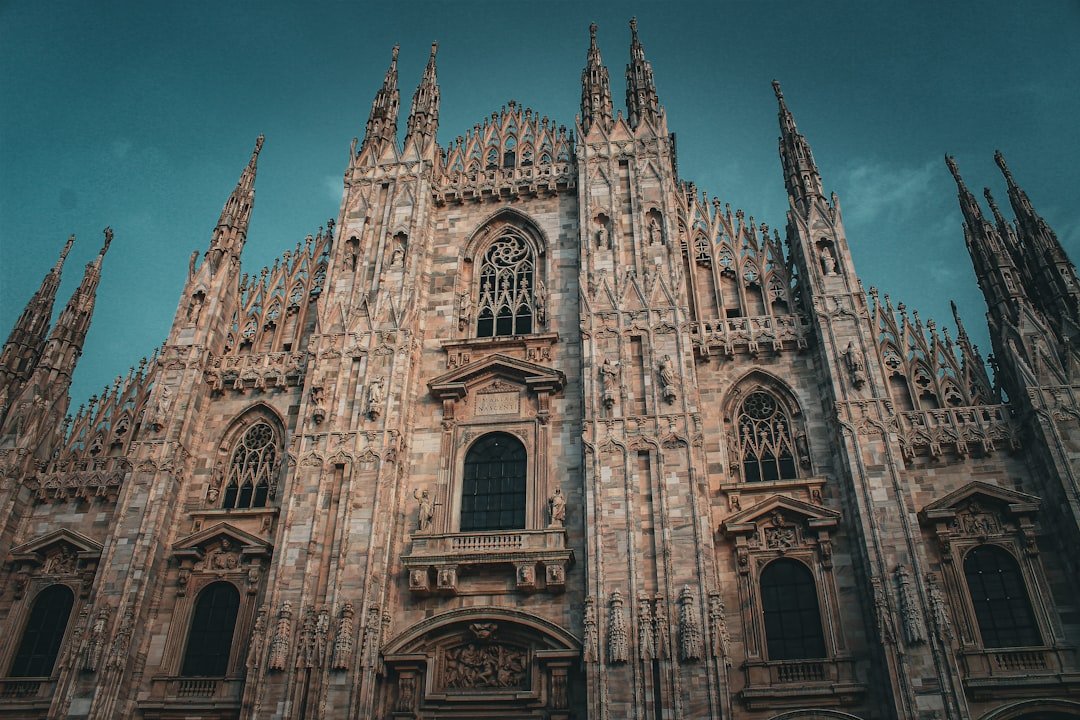
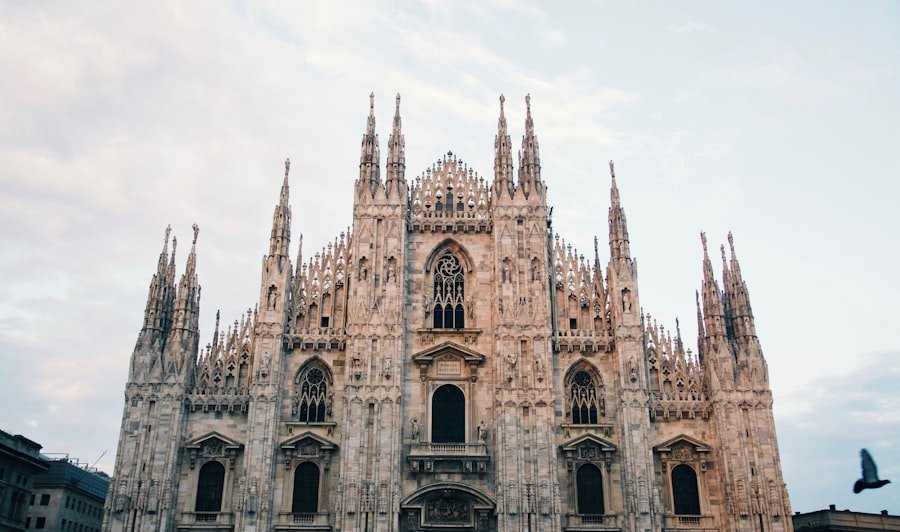
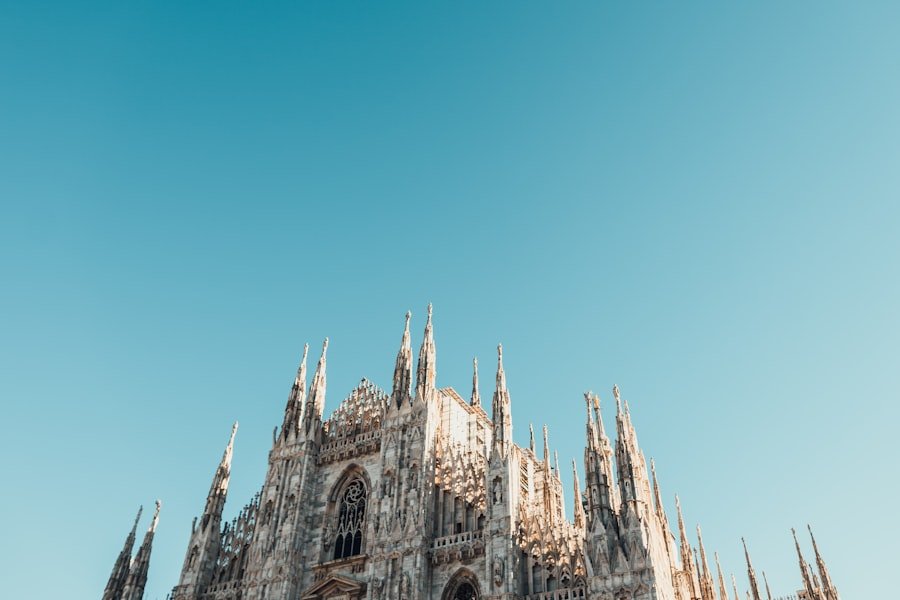
Begin your first morning at Duomo di Milano, the Gothic cathedral that dominates Piazza del Duomo. Construction began in the 14th century and continued across centuries, which helps explain the extraordinary mix of architectural details visible across its façade, interior, spires, and statues.
Allow roughly 1.5 to 2.5 hours if you plan to see both the cathedral and terraces. Check current tickets and access rules through the official Duomo di Milano website.
Explore the Duomo Rooftop
The terraces are one of the most memorable parts of a first visit. From the rooftop you can walk among the cathedral’s pinnacles and flying buttresses while getting a much closer look at the stonework. You will also see the golden Madonnina high above the cathedral.
Depending on your ticket, you can reach the terraces by stairs or lift. The lift reduces the climb but does not eliminate all walking and steps once you are on the roof.
Pro Tip: An early-morning Duomo reservation generally gives you more breathing room before Piazza del Duomo and the Galleria become busier later in the day.
Walk Through Galleria Vittorio Emanuele II
From the cathedral, walk straight into Galleria Vittorio Emanuele II. Its glass-and-iron roof, mosaic floors, cafés, and luxury storefronts make it more than a shopping arcade. It is also one of the city’s best-known examples of 19th-century commercial architecture.
You do not need to shop to enjoy it. Walk through the central octagon, look up at the dome, and continue toward Piazza della Scala.
Continue to Piazza della Scala
Piazza della Scala is home to Teatro alla Scala, one of the world’s best-known opera houses. If you are not attending a performance, you can still visit the Museo Teatrale alla Scala. At certain times, the museum route provides a view into the historic auditorium from a theatre box, although access can vary around rehearsals and performances.
Current museum tickets and guided visits are listed by Teatro alla Scala.
Spend the Late Afternoon in Brera
From La Scala, continue toward Brera. The neighborhood’s smaller streets, galleries, cafés, boutiques, and historic buildings create a quieter contrast with Piazza del Duomo. If you want an art-heavy first day, visit Pinacoteca di Brera; otherwise, save the museum for Day 2 and simply explore the neighborhood on foot.
The Pinacoteca di Brera holds major works of Italian art and currently operates Tuesday through Sunday, with reservations required.
Day 2: Visiting Milan’s Art and Culture Highlights
Your second day should revolve around the timed reservation for The Last Supper. Because you cannot freely choose your entry time after tickets become scarce, treat that reservation as the day’s fixed point and adjust the order of the other stops around it.
See Leonardo da Vinci’s The Last Supper
Leonardo’s The Last Supper is housed in the former refectory of the Dominican complex beside Santa Maria delle Grazie. Entry is carefully controlled to protect the painting, so visits are short and timed.
Arrive ahead of your slot and bring the identification or booking information required by your ticket. Do not schedule another timed attraction immediately afterward.
For many first-time visitors, the hardest Milan ticket to secure is not the Duomo but Leonardo’s The Last Supper. Reserve it first, then organize the rest of the three days around that time.
Explore Castello Sforzesco and Parco Sempione
From Santa Maria delle Grazie, continue toward Castello Sforzesco. The fortress developed into a major Renaissance residence and today contains a group of civic museums covering subjects such as ancient art, decorative arts, musical instruments, archaeology, and Michelangelo’s unfinished Rondanini Pietà.
The castle courtyards can also be worth visiting even if you do not have time for the museums. Check current museum opening information through the official Castello Sforzesco website.
Behind the castle, Parco Sempione gives you a useful outdoor break between museums. You can walk through the park toward Arco della Pace before continuing with the afternoon.
Choose Pinacoteca di Brera or Museo del Novecento
If Renaissance and earlier Italian art interests you most, spend the afternoon at Pinacoteca di Brera. Its collection includes works associated with artists such as Raphael and Caravaggio, and the museum is one of Milan’s essential stops for classical art.
If you prefer 20th-century Italian art, choose Museo del Novecento beside Piazza del Duomo instead. Its collection emphasizes modern movements including Futurism and gives you another perspective on Milan’s artistic identity.
Trying to tour both museums deeply on the same afternoon can make the day feel rushed. For most first-time visitors, choosing one produces a better experience.
Day 3: Enjoying Milan’s Fashion and Shopping Scene
| Location | Activity | Suggested Time |
|---|---|---|
| Quadrilatero della Moda | Via Montenapoleone, Via della Spiga, luxury boutiques, and window-shopping | 1.5–2 hours |
| Corso Como and Porta Nuova | Contemporary shopping, architecture, Piazza Gae Aulenti, and modern Milan | 2–3 hours |
| Tortona, Armani/Silos and Navigli | Fashion and design, canal-side walking, dinner, and aperitivo | 3–5 hours |
Milan is internationally associated with fashion, and your third day is a good time to explore that side of the city without treating the day as one long shopping trip.
Begin in the Quadrilatero della Moda
Start around Via Montenapoleone, Via della Spiga, Via Manzoni, and Corso Venezia. Together, these streets form the Quadrilatero della Moda, Milan’s best-known luxury-shopping district.
Brands such as Gucci, Prada, Versace, Armani, and many other international houses have boutiques in and around the area. Even if you have no intention of buying luxury fashion, the storefronts, architecture, courtyards, and people-watching make the district worth exploring.
Continue to Corso Como and Porta Nuova
Head north toward Corso Como and the Porta Nuova district. This part of Milan gives you a different view of the city’s design identity, combining contemporary shops with modern towers, pedestrian spaces, and Piazza Gae Aulenti.
10 Corso Como remains known for combining fashion, design, books, art, and hospitality concepts in one destination. Give yourself time to browse rather than treating it as another quick photo stop.
Visit Armani/Silos
For a deeper look at Italian fashion history, continue toward Via Bergognone and Armani/Silos. Giorgio Armani created the permanent exhibition space to present decades of his work, and its displays focus on recurring themes and the evolution of his design language.
If fashion museums are not a priority, use the extra time for Porta Ticinese, the Navigli canals, or a longer meal.
End Day 3 in Navigli
Finish your three days around Naviglio Grande and the surrounding streets. This is one of Milan’s best-known evening areas, with restaurants, wine bars, cafés, small shops, and the local tradition of aperitivo.
Aperitivo generally means buying a pre-dinner drink accompanied by snacks or small bites. The exact format varies by venue, so do not assume every bar offers a large buffet.
Where to Stay in Milan
Choosing the right neighborhood can save a surprising amount of transit time during a three-day visit. For first-timers, proximity to the center or a convenient metro station is usually more valuable than choosing accommodation based only on the lowest nightly price.
Duomo and the Historic Center
Stay close to Piazza del Duomo if you want to walk to the cathedral, Galleria Vittorio Emanuele II, La Scala, Museo del Novecento, and central shopping streets. Room Mate Giulia and Hotel Spadari al Duomo are current examples of centrally located hotels.
The trade-off is price: rooms in the historic center are often more expensive than those farther from the main tourist zone.
Brera
Brera works well if you want a central but slightly more neighborhood-oriented atmosphere. You are close to Pinacoteca di Brera, Castello Sforzesco, the fashion district, cafés, and restaurants. Palazzo Parigi Hotel & Grand Spa is an upscale example near this part of central Milan.
Navigli
Navigli is a good choice if nightlife, restaurants, canals, and evening atmosphere matter more to you than sleeping beside the Duomo. Art Hotel Navigli is one current accommodation option in the district, and Porta Genova provides useful public-transport connections.
Porta Romana and Città Studi
Porta Romana and Città Studi can work well for travelers who prefer residential surroundings and easy metro or tram access. They may also provide better value than the immediate Duomo area, depending on your dates.
Note: Hotel prices in Milan can rise sharply during Fashion Week, Design Week, major trade fairs, concerts, and other citywide events. Compare your dates before deciding which neighborhood offers the best value.
Where to Eat in Milan
Traditional Milanese Cuisine
For a traditional meal, look for dishes such as risotto alla Milanese, cotoletta alla Milanese, ossobuco, and seasonal northern Italian specialties. Risotto alla Milanese is particularly recognizable for its saffron color and flavor.
Osteria dell’Acquabella in Porta Romana is one current example of a restaurant serving traditional dishes including risotto, ossobuco, and cotoletta. Trattoria Milanese is another longstanding name travelers may encounter when researching traditional food.
Fine Dining Experiences
Milan has a strong fine-dining scene, but individual restaurants, chefs, and Michelin ratings change often. Rather than relying on an old article’s restaurant list, check the current Michelin Guide or the restaurant’s official website shortly before booking.
Older Milan travel guides may still mention Il Ristorante Trussardi alla Scala. Do not build your plans around that recommendation: the restaurant is no longer operating as the fine-dining venue described in older articles.
Street Food and Sweet Treats
For a quick snack near the Duomo, Luini is famous for panzerotti filled with combinations such as mozzarella and tomato. Panzerotti originated in southern Italy rather than Milan, so think of them as a popular Milan street-food stop rather than a traditional Milanese dish.
Milan also has excellent bakeries, pastry shops, cafés, and gelaterie. Pavé is one current local pastry and coffee business with several Milan locations if you want breakfast pastries, coffee, or gelato.
Getting Around Milan
Milan’s public-transport network combines metro, tram, bus, trolleybus, and suburban rail services. The metro currently has five lines: M1, M2, M3, M4, and M5.
For most first-time visitors, the simplest choices are single tickets, a 24-hour ticket, a three-day ticket, or contactless pay-as-you-go. As of September 2026, ATM lists a €2.20 Mi1–Mi3 ticket valid for 90 minutes, a €7.60 24-hour ticket, and a €15.50 three-day ticket. Check ATM’s official ticket page before traveling because fares can change.
Contactless bank cards and compatible devices can also be used on supported ATM services. If you use the ATM app, remember to validate the ticket correctly before travel and follow the app’s instructions when entering or exiting metro gates.
Metro
The metro is usually the fastest option for moving between distant neighborhoods. Duomo is served by M1 and M3, while other lines connect areas such as Porta Garibaldi, Centrale, Linate Airport, and residential districts.
Trams
Milan’s trams are useful as transportation and can also be an enjoyable way to see the city at street level. Historic trams still operate alongside newer vehicles, although routes and diversions can change.
Walking and Cycling
Central Milan is highly walkable. Duomo, the Galleria, La Scala, Brera, and Castello Sforzesco can all be combined largely on foot if you are comfortable walking several kilometers.
BikeMi is the city’s public bike-sharing system, but cycling is best for travelers already comfortable navigating an urban environment with trams, traffic, pedestrians, and bicycle lanes.
Must-See Landmarks in Milan
Castello Sforzesco
Castello Sforzesco evolved from a fortified complex into a major residence of Milan’s ruling families. Today, its museums contain collections covering art, sculpture, decorative objects, musical instruments, archaeology, and Michelangelo’s Rondanini Pietà.
Basilica di Sant’Ambrogio
Basilica di Sant’Ambrogio has roots reaching back to the 4th century and is closely associated with Saint Ambrose, Milan’s patron saint. Much of the building visitors see today reflects later medieval construction and Romanesque architecture, making it an important stop for travelers interested in Milan before the Renaissance.
Porta Nuova
Porta Nuova shows Milan’s contemporary side. Piazza Gae Aulenti, modern towers, pedestrian spaces, and developments around the district contrast sharply with the medieval and Renaissance buildings elsewhere in the city.
Instead of focusing on disputed “tallest building” rankings, visit the area for the architecture itself and for the contrast between historic and modern Milan.
Hidden Gems and Local Favorites
Casa Museo Boschi Di Stefano
Casa Museo Boschi Di Stefano presents 20th-century Italian art inside a former private residence. The domestic setting makes it feel different from Milan’s larger institutions and can be a rewarding choice if you have already visited the major museums.
Via della Moscova and Nearby Streets
The streets around Moscova connect Brera with Porta Nuova and offer cafés, restaurants, boutiques, and a more everyday urban atmosphere than the immediate Duomo area.
If you want coffee and pastries, Pavé has current Milan locations, although its main Casati shop is farther east than Via della Moscova itself. Treat it as a separate stop rather than assuming it sits directly on that street.
Parco Sempione and Arco della Pace
For a quieter break, walk through Parco Sempione behind Castello Sforzesco. Continue to Arco della Pace if you have time. The park is especially useful when your itinerary contains several museums and you want an outdoor break without leaving central Milan.
Day Trips from Milan
Milan is an excellent rail base for northern Italy, but a day trip should normally come after you have given the city enough time. If this is your first Milan visit and you have only three full days, consider staying in the city for all three unless Lake Como or another destination is a major priority.
Lake Como
Lake Como is the most popular day-trip choice. Trains connect Milan with Como and with towns farther along the eastern side of the lake, including Varenna. From there, ferries can connect you with places such as Bellagio when schedules and weather allow.
A Lake Como day trip can easily consume most of a day, so do not try to combine it with a full Milan museum schedule.
Bergamo
Bergamo lies northeast of Milan and offers a very different atmosphere. Its historic Città Alta has stone streets, old walls, Piazza Vecchia, churches, viewpoints, and cafés. Direct rail connections make Bergamo relatively straightforward for an independent day trip.
Franciacorta
Franciacorta is known for sparkling wines made with bottle-fermentation methods. Winery visits generally work best when booked ahead, and transportation requires more planning than a simple city-to-city train journey. A guided excursion or prearranged winery transfer can be more practical if tastings are your main goal.
Lake Maggiore
Lake Maggiore is another option if you have additional time. Stresa and the Borromean Islands are among the best-known attractions, but ferry schedules and seasonal operating hours should be checked before setting out.
Making the Most of Your Time in Milan
Three days gives a first-time visitor enough time to see Milan’s defining sights without turning every day into a race. The key is to reserve the difficult attractions first, group nearby sights together, and leave a little flexibility for meals, cafés, shopping, and unexpected discoveries.
Day 1 introduces the historic center through the Duomo, Galleria, La Scala, and Brera. Day 2 gives more time to Leonardo, Castello Sforzesco, and the city’s art collections. Day 3 shows the fashion, design, contemporary architecture, and evening culture that make Milan feel different from many other Italian destinations.
If you are staying longer, use the extra days for Lake Como, Bergamo, Lake Maggiore, more museums, or simply a slower exploration of neighborhoods such as Navigli, Porta Romana, Brera, and Porta Venezia.
If you also enjoy reading about unusual foods beyond traditional Milanese cuisine, this separate article on exploring the delightful world of Asian melon offers a broader food-related detour, although it is not part of the Milan itinerary itself.
Frequently Asked Questions
What is a good 3-day itinerary for first-timers in Milan?
Spend Day 1 around the Duomo, Galleria Vittorio Emanuele II, La Scala, and Brera. Use Day 2 for Leonardo’s The Last Supper, Castello Sforzesco, and one major art museum. Spend Day 3 exploring the Quadrilatero della Moda, Porta Nuova, fashion and design attractions, and Navigli.
What are the must-see attractions in Milan for first-timers?
The strongest first-time list includes Duomo di Milano and its terraces, Galleria Vittorio Emanuele II, Leonardo’s The Last Supper, Castello Sforzesco, Brera, and either Pinacoteca di Brera or Museo del Novecento. La Scala and Navigli are also worthwhile depending on your interests.
Do I need to book The Last Supper in advance?
Yes. Advance reservation is mandatory because entry is limited and timed for conservation reasons. Secure this ticket before finalizing the rest of your Milan schedule.
What activities are recommended for first-time visitors?
Walk through the historic center, visit the Duomo terraces, see Leonardo’s The Last Supper, explore an art museum, browse the fashion district, ride the metro or a tram, walk around Navigli, and try a traditional Milanese meal or aperitivo.
Where can first-timers experience local food and culture?
Look for traditional trattorias serving risotto alla Milanese, cotoletta, and ossobuco, visit bakeries and cafés, and spend an evening around Navigli or Porta Romana. Milan’s neighborhood markets can also provide a more everyday view of local food culture than the busiest tourist squares.
Is Milan easy to get around without a car?
Yes. Central Milan is walkable, and the city’s five metro lines, trams, buses, trolleybuses, and suburban trains make a rental car unnecessary for most short city visits.
What should I do if Last Supper tickets are sold out?
Keep checking the official authorized ticket system for newly released availability. If you still cannot secure a ticket, use that time for Castello Sforzesco, Pinacoteca di Brera, Museo del Novecento, Basilica di Sant’Ambrogio, or another Leonardo-related attraction instead.
Are there good day trips from Milan?
Yes. Lake Como, Bergamo, Lake Maggiore, and Franciacorta are popular options. However, if you have only three days and this is your first Milan visit, spending all three days in the city will give you a more complete experience.
Sources
- Duomo di Milano — Official Website — current cathedral, terrace, ticket, and visitor information.
- YesMilano — Leonardo’s Last Supper Visitor Information — booking rules, reservation requirements, and visitor guidance.
- Pinacoteca di Brera — Official Visitor Information — opening schedule and museum planning information.
- ATM Milano — Tickets for Milan and Surroundings — metro lines, ticket validity, fares, and public-transport information.
- Teatro alla Scala — Official Ticket and Museum Information — theatre visits, museum access, guided tours, and current visitor guidance.
- Castello Sforzesco — Comune di Milano — castle museums, opening information, courtyards, and current visitor notices.