Turin is one of northern Italy’s most rewarding cities for a short break. The Piedmont capital combines Savoy palaces, grand Baroque squares, world-class museums, historic cafés, and a strong food-and-wine culture in a center that is easy to explore on foot. With two well-planned days, you can see the city’s essential landmarks without rushing from attraction to attraction.
Quick Answer
For a first visit, spend Day 1 exploring Turin’s Royal Palace, Piazza Castello, Piazza San Carlo, and Piedmontese cuisine. On Day 2, visit Museo Egizio, the Mole Antonelliana and National Cinema Museum, then finish with aperitivo. Check museum closure days before booking because they can affect which day you follow first.
Key Takeaways
- Most of the main sights on this Turin 2 day itinerary are concentrated in or near the historic center, making walking the easiest way to connect many stops.
- Day 1 focuses on Savoy history, the Royal Palace, Piazza Castello, Piazza San Carlo, and traditional Piedmontese food.
- Day 2 centers on Museo Egizio, the Mole Antonelliana, the National Cinema Museum, and Turin’s aperitivo culture.
- Museo Egizio currently sells admission tickets online only, so secure a timed ticket before your visit.
- The Royal Museums normally close on Wednesday, while the National Cinema Museum normally closes on Tuesday. Always recheck official calendars before your trip.
2-Day Turin Itinerary at a Glance
| Day 1 Morning | Royal Palace and Royal Museums |
| Day 1 Afternoon | Piazza Castello, central streets, and Piazza San Carlo |
| Day 1 Evening | Traditional Piedmontese dinner |
| Day 2 Morning | Museo Egizio |
| Day 2 Afternoon | Mole Antonelliana and National Cinema Museum |
| Day 2 Evening | Aperitivo, vermouth, and regional wine |
Planning Note: As of September 2026, the Royal Museums normally close on Wednesday, while the National Cinema Museum normally closes on Tuesday. If your two-day stay includes either day, swap the itinerary order or rearrange individual attractions. Holiday and special-event schedules can change.
Day 1: Exploring the Historic Center
Turin was the first capital of the unified Kingdom of Italy and remains strongly associated with the House of Savoy. Its central streets mix Baroque and later architecture with long arcades, historic cafés, elegant shops, and large public squares. The official tourism board also recommends the central Royal Museums, Piazza Castello, Museo Egizio, and surrounding streets as key stops for a short visit.
Day 1 keeps you in the historic center. That reduces transport time and gives you enough flexibility to stop for coffee, chocolate, gelato, or a relaxed lunch between major attractions.
Morning: Visit the Royal Palace of Turin
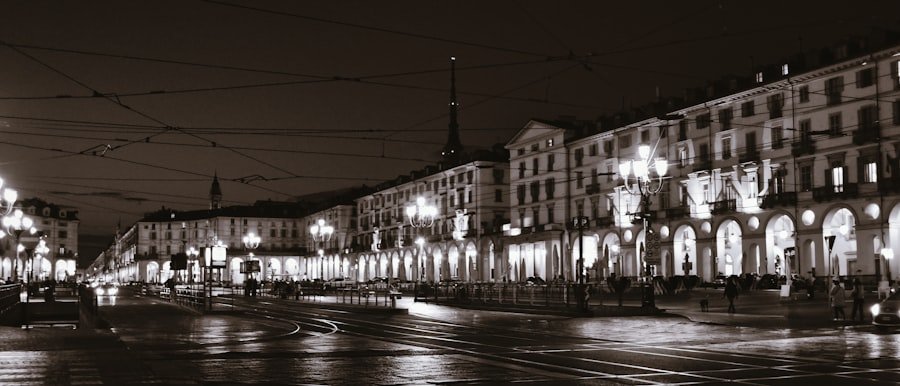
Begin at the Royal Palace, or Palazzo Reale, on Piazza Castello. The building sits at the center of Turin’s Savoy history. Duke Emanuele Filiberto established his court in Turin in 1563, and architect Ascanio Vitozzi was commissioned to design a new palace in 1584. Major construction and decoration continued under later architects and rulers during the following centuries.
The Royal Palace forms part of the UNESCO-listed Residences of the Royal House of Savoy, a group of palaces and villas in and around Turin that was inscribed on the World Heritage List in 1997.
Inside, focus on the State Apartments and their richly decorated rooms before continuing through the wider Royal Museums complex. Depending on the current visit route, admission can include the Royal Armoury, Chapel of the Holy Shroud, Savoy Gallery, and sections of the Museum of Antiquities. The Daniel Gallery, decorated with frescoes and mirrors, is one of the interiors worth slowing down to appreciate.
The Royal Gardens provide a quieter contrast to the palace interiors. If your schedule allows, take a short walk outside before continuing through the historic center.
Pro Tip: Allow roughly two to three hours if you want more than a quick look at the Royal Palace and associated museum collections. Check the official Musei Reali visitor information before arrival because accessible rooms, exhibitions, and special openings can change.
Afternoon: Stroll through Piazza Castello and Piazza San Carlo
| Stop | Suggested Time |
| Piazza Castello | About 45–60 minutes, longer if you enter another attraction |
| Central streets and arcades | About 30–60 minutes depending on café and shopping stops |
| Piazza San Carlo | About 30–45 minutes for the square and a café break |
After the Royal Palace, explore Piazza Castello itself. Palazzo Madama dominates part of the square, while the Church of San Lorenzo, the Royal Palace, Teatro Regio, and other historic buildings are close by. The area works well as a natural starting point for a self-guided walk through central Turin.
Continue toward Piazza San Carlo through Turin’s elegant central streets and arcades. The square is often described as one of the city’s great open-air living rooms. Its twin churches, cafés, and surrounding architecture make it an easy place to stop rather than simply pass through.
If you enjoy historic cafés, this is also a good time to try bicerin, Turin’s traditional layered drink made with coffee, chocolate, and milk or cream. Another local sweet specialty is gianduja, the chocolate-and-hazelnut combination closely associated with Turin and Piedmont.
Evening: Enjoy a Traditional Piedmontese Dinner
Use your first evening to explore Piedmontese cooking. The regional cuisine is rich but varied, and a traditional meal can include filled pasta, thin egg noodles, vegetables, meat dishes, cheeses, and hazelnut-based desserts.
Bagna cauda is one of Piedmont’s most recognizable dishes: a warm preparation traditionally made with garlic, anchovies, and oil and served with vegetables. Agnolotti is filled pasta, while tajarin consists of very thin egg-rich noodles that may be served with butter, meat sauce, or seasonal ingredients.
If you drink wine, Barbera, Barolo, Barbaresco, and Dolcetto are among the Piedmont names you may see on local wine lists. You do not need to order the region’s most expensive bottle to enjoy a traditional pairing; ask for a local wine by the glass that suits your meal.
Day 2: Immersing in Turin’s Art and Culture
Discovering Turin’s Cultural Institutions
Your second day brings together two of Turin’s signature museums. Start with ancient Egypt at Museo Egizio, then move to Italian and international cinema inside the Mole Antonelliana. Both attractions can absorb several hours, so a timed plan is more useful than trying to squeeze in too many extra museums.
A Journey Through Time and Art
The contrast between the two museums is part of what makes the day interesting. Museo Egizio takes you through thousands of years of Egyptian history and archaeology. The National Cinema Museum then shifts the focus to moving images, filmmaking, sets, technology, and popular culture inside one of Turin’s most recognizable buildings.
Unleashing Your Inner Art Enthusiast
If museums are your main reason for visiting Turin, resist the temptation to rush. Give Museo Egizio a full morning and leave a substantial part of the afternoon for the Mole. If you prefer city walks to exhibitions, shorten one museum visit and use the extra time for Via Po, Piazza Vittorio Veneto, or a walk toward the River Po.
Morning: Visit Museo Egizio
Begin Day 2 at Museo Egizio on Via Accademia delle Scienze. The museum is one of Turin’s major cultural institutions and currently preserves a collection of approximately 40,000 Egyptian objects.
The galleries cover many periods and aspects of ancient Egyptian life, death, religion, writing, craftsmanship, and burial traditions. The collection includes statues, coffins, papyri, everyday objects, and material from archaeological excavations.
One major highlight is the funerary assemblage of Kha and Merit. Their intact tomb was discovered in 1906, and the museum preserves hundreds of associated objects. The display provides unusually detailed evidence about the life and burial of an elite New Kingdom couple.
Ticket Note: Museo Egizio currently sells admission tickets online only. Its regular schedule also gives Monday a shorter opening day than the rest of the week. Check the official opening-hours page and book your timed admission before your trip.
Plan on at least two hours for a focused visit. Travelers with a strong interest in archaeology can easily spend considerably longer, so leave room in your schedule rather than treating the museum as a quick photo stop.
Afternoon: Explore the Mole Antonelliana and National Cinema Museum
After lunch, walk toward the Mole Antonelliana, Turin’s most recognizable skyline landmark. Architect Alessandro Antonelli designed the building in 1862 as a synagogue for Turin’s Jewish community. The City of Turin later acquired it, construction was completed in 1889, and the structure reached its present height of about 167 meters in 1906.
According to the National Cinema Museum, the Mole was the tallest masonry building in Europe at the time it reached that height. Today it houses the Museo Nazionale del Cinema.
The museum explores cinema through technology, sets, projections, objects, photographs, posters, and displays devoted to filmmaking and film history. Its unusual setting inside the towering Mole makes the building itself part of the experience.
If conditions and your ticket allow, take the panoramic lift to the terrace. The lift rises through the interior of the Mole and reaches a terrace about 85 meters above ground, with wide views across Turin and toward the Alps in clear weather.
Pro Tip: The National Cinema Museum strongly recommends buying tickets online in advance to reduce queue problems. The museum and panoramic lift normally close on Tuesday, so check the official calendar before finalizing Day 2.
Evening: Indulge in Aperitivo and Local Wine Tasting
Finish your second day with aperitivo. The tradition gives you time to slow down with a drink and small savory bites before dinner. In Turin, you may encounter local specialties such as grissini, cheeses, cured meats, olives, and other small snacks alongside wine or non-alcoholic drinks.
Turin also has an important connection with vermouth, making it a fitting local choice for travelers interested in the city’s drinking culture. Piedmontese wines such as Barbera and Dolcetto are other approachable options.
For atmosphere, look around central Turin, Piazza Vittorio Veneto, the Quadrilatero Romano, or San Salvario depending on the kind of evening you prefer. There is no need to schedule every minute; your last evening is better used enjoying the city at a slower pace.
Optional Day 3: Day Trip to the Piedmont Countryside
If you can extend your stay, use a third day to see another side of Piedmont. The Langhe and Monferrato areas are known for vineyards, hill towns, food, and wine, while towns such as Alba and Barolo make natural destinations for travelers interested in regional gastronomy.
Barolo and Barbaresco are among the region’s best-known wines, and many producers offer tastings by reservation. Alba is particularly associated with white truffles, although truffle experiences are seasonal rather than a year-round guarantee.
A countryside excursion requires more transportation planning than the two central Turin days, so arrange trains, a rental car, a driver, or an organized tour according to the places you want to visit.
Highlights of a 2-Day Itinerary in Turin
Two days gives you enough time to understand several sides of Turin without attempting to see every museum. The Royal Palace introduces the Savoy dynasty and the city’s political history. Piazza Castello and Piazza San Carlo show its grand urban character, while Museo Egizio provides a completely different journey into ancient history.
The Mole Antonelliana and National Cinema Museum add Turin’s strong connection to architecture and film. Food then ties the itinerary together: agnolotti, tajarin, bagna cauda, grissini, gianduja, bicerin, local wines, and aperitivo all offer ways to experience Piedmont beyond sightseeing.
Most importantly, keep the plan flexible. Museum closure days can force a change of order, and spending an extra hour in a museum you love is usually more rewarding than racing toward another attraction simply because it appears on a checklist.
For transportation, much of this itinerary is walkable for travelers comfortable spending a full day on foot. Turin also has buses, trams, and a metro system for longer connections. If you intend to visit several paid attractions, compare individual admission costs with the official Torino+Piemonte Card before buying tickets; whether it saves money depends on exactly which attractions you plan to enter.
Frequently Asked Questions
What is the best time to visit Turin?
Spring and early autumn are popular choices because temperatures are generally comfortable for walking and sightseeing. Summer can be hotter, while winter offers a different atmosphere and works well for travelers focused on museums, cafés, food, and indoor attractions. Always check the forecast close to your trip.
What are the must-see attractions in Turin?
For a first two-day visit, prioritize the Royal Palace and Royal Museums, Piazza Castello, Piazza San Carlo, Museo Egizio, the Mole Antonelliana, and the National Cinema Museum. Add more attractions only if your pace and interests allow.
What are some recommended activities for a 2-day itinerary in Turin?
Combine major museums with time outdoors. Tour the Royal Palace, walk Turin’s central arcades and squares, explore Museo Egizio, visit the Mole Antonelliana, try Piedmontese food, stop at a historic café, and enjoy aperitivo on your final evening.
What is the local cuisine in Turin?
Look for agnolotti, tajarin, bagna cauda, grissini, gianduja chocolate, hazelnut desserts, and bicerin. Piedmont is also well known for wines including Barbera, Barolo, Barbaresco, and Dolcetto.
Is it necessary to book tickets in advance for attractions in Turin?
Yes for some attractions. Museo Egizio currently sells admission tickets online only. The National Cinema Museum also strongly advises advance online purchase to reduce queue problems. For other museums, advance booking is sensible during weekends, holidays, exhibitions, and busy travel periods.
Can you explore Turin in two days without a car?
Yes. A car is unnecessary for this central two-day itinerary. The main stops are concentrated in and around Turin’s historic center, and buses, trams, and the metro are available when you do not want to walk.
What should I do if my Turin visit falls on Tuesday or Wednesday?
Check the museum calendars first. The National Cinema Museum normally closes on Tuesday, while the Royal Museums normally close on Wednesday. Swap Day 1 and Day 2 where possible, or replace the closed attraction with city walks, cafés, churches, squares, parks, or another open museum.
Is the Torino+Piemonte Card worth buying for two days?
It can be worthwhile if you plan to enter several included museums or Royal Residences. Compare the current card price and benefits with the individual admission prices for your exact itinerary before purchasing. The card and attraction conditions can change over time.
Sources
- Turismo Torino e Provincia — What to see in Torino in two or three days — official itinerary and city-planning guidance.
- Musei Reali Torino — Plan your visit — current Royal Museums opening schedule and visitor information.
- UNESCO World Heritage Centre — Residences of the Royal House of Savoy — UNESCO status and historical context.
- Museo Egizio — Opening hours — current opening schedule and online-ticket requirement.
- Museo Egizio — Museum history — current collection size and museum information.
- Museo Nazionale del Cinema — Opening hours — current museum and panoramic-lift schedule.