Three days in Venice is enough for a rewarding first visit if you group the sights by area instead of racing back and forth across the city. This itinerary gives you one day around the Grand Canal and San Marco, a second day for the Doge’s Palace, Rialto, and nearby neighborhoods, and a third day for a gondola ride and the lagoon islands.
Quick Answer
A good Venice 3 day itinerary combines St. Mark’s Square and the Grand Canal on Day 1, the Doge’s Palace and Rialto area on Day 2, and Murano and Burano on Day 3. Book major attractions ahead, use an ACTV transport pass if you will take several water buses, and leave time to explore on foot.
Key Takeaways
- Day 1 focuses on the Grand Canal, St. Mark’s Square, St. Mark’s Basilica, and the Campanile.
- Day 2 covers the Doge’s Palace, Rialto Bridge, Rialto Market area, and quieter neighborhoods.
- Day 3 combines a gondola ride with Murano and Burano.
- A 72-hour ACTV visitor transport ticket currently costs €45, while a standard 75-minute Rete Unica ticket costs €9.50.
- The municipal standard gondola tariff is currently €90 for 30 minutes during the day and €110 for 35 minutes in the evening/night.
- As of September 9, 2026, Venice’s experimental 2026 Access Fee period has ended; check the official portal again before a future trip because rules can change.
Venice 3 Day Itinerary at a Glance
| Day | Main Area | Highlights |
| Day 1 | Grand Canal & San Marco | Vaporetto ride, St. Mark’s Square, Basilica, Campanile |
| Day 2 | San Marco, San Polo & Rialto | Doge’s Palace, Bridge of Sighs, Rialto Bridge, market area |
| Day 3 | Lagoon Islands | Gondola ride, Murano glass, Burano houses and lace |
Day 1: Grand Canal and St. Mark’s Square
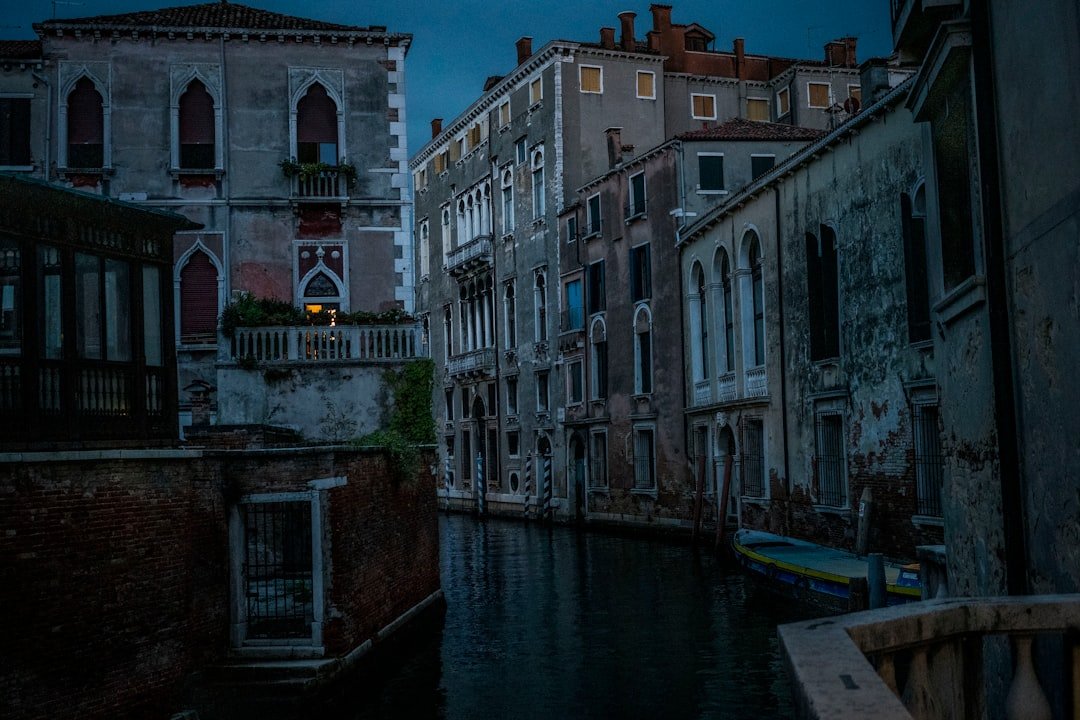
Start your first day with the Grand Canal, Venice’s main waterway. A ride on an ACTV vaporetto gives you a broad introduction to the city and lets you see palaces that were designed to be admired from the water. Historic buildings along the canal include Ca’ d’Oro and Palazzo Venier dei Leoni, now home to the Peggy Guggenheim Collection.
If you arrive at Venezia Santa Lucia railway station, riding a vaporetto toward the San Marco area is an easy way to combine transportation with sightseeing. Sit or stand where you can see the canal, but keep passageways clear for other passengers.
Explore St. Mark’s Square
After the Grand Canal, continue to Piazza San Marco. The square brings together several of Venice’s best-known landmarks, including St. Mark’s Basilica, the Campanile, the Doge’s Palace, and the arcaded Procuratie.
St. Mark’s Basilica is known for its mosaics, domes, marble decoration, and long connection with the Venetian Republic. Because it remains a religious building, visitors should dress appropriately. Official access rules require clothing suitable for a sacred site, including covered shoulders and knees. Large bags and trolleys are also restricted.
Note: Check the official St. Mark’s Basilica ticket office shortly before your trip. Timed-ticket availability, visitor routes, religious services, and access conditions can affect when tourists are admitted.
Next, visit the Campanile for a high view over Venice and the lagoon. You do not climb the tower by stairs: the official visitor route uses a lift for both ascent and descent.
If you want a break in the square, Caffè Florian remains a historic option under the Procuratie Nuove. Expect the location and atmosphere to be part of the price. For a lower-cost coffee, walk a few streets away from Piazza San Marco.
Pro Tip: San Marco is usually easier to enjoy early in the morning or later in the day. If you have timed tickets, build the rest of your route around those fixed entry times.
Day 2: Doge’s Palace, Rialto Bridge, and Local Venice
Uncovering the History of the Doge’s Palace
Begin Day 2 at the Doge’s Palace, or Palazzo Ducale. The palace was the seat of the Doge and an important center of government and justice during the Venetian Republic. Its Gothic exterior and richly decorated state rooms reflect Venice’s political power and wealth.
Inside, the route passes through ceremonial rooms, institutional chambers, and major works by Venetian artists including Tintoretto and Veronese. The vast Hall of the Great Council is one of the highlights. A standard visit also helps explain how Venice’s government operated rather than presenting the palace only as a royal-style residence.
Current visitor information, ticket options, and opening times are published by the Fondazione Musei Civici di Venezia. Buying ahead is sensible during busy periods.
Exploring the Rialto Bridge and Market
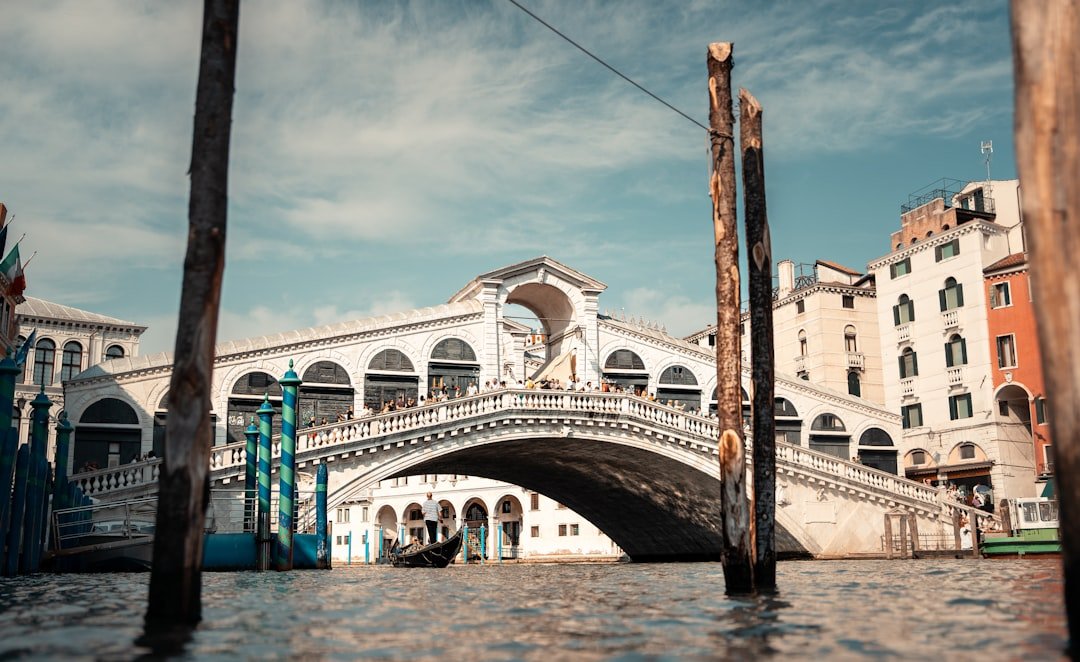
From the San Marco area, walk toward the Rialto Bridge. The stone bridge crossing the Grand Canal is one of Venice’s most recognizable landmarks and has long been tied to the city’s commercial center. Shops line the bridge, while the surrounding San Polo streets are filled with small businesses, food stops, and historic lanes.
Continue to the Rialto Market area. Market activity varies by day and time, so mornings are generally more useful if seeing the food market is important to you. For related tips and details, explore our Best Family-Friendly Neighborhoods in Venice.
Immersing in Local Culture
Rather than returning immediately to the busiest tourist streets, spend part of the afternoon walking through San Polo, Santa Croce, Cannaregio, or Dorsoduro. These areas give you a better sense of Venice as a lived-in city, with residential streets, neighborhood squares, churches, small workshops, and bacari.
Venice is compact on a map but slower on foot than many visitors expect. Bridges, crowds, narrow lanes, and wrong turns all add time. Treat wandering as part of the day rather than a planning failure.
Day 3: Taking a Gondola Ride and Exploring the Venetian Islands
No first trip to Venice feels quite complete without seeing the smaller canals from water level. A gondola ride is primarily a sightseeing experience rather than practical transportation, and the standard municipal fare does not automatically include singing or a serenade.
The City of Venice’s official gondola tariff currently lists €90 for a 30-minute daytime tour from 9:00 a.m. to 7:00 p.m. and €110 for a 35-minute evening/night tour from 7:00 p.m. to 4:00 a.m. Up to five passengers may ride. Longer service is charged in proportion to time, and the actual duration can vary slightly with traffic, tide, and weather.
A standard daytime gondola ride currently costs €90 per gondola for 30 minutes, not per passenger.
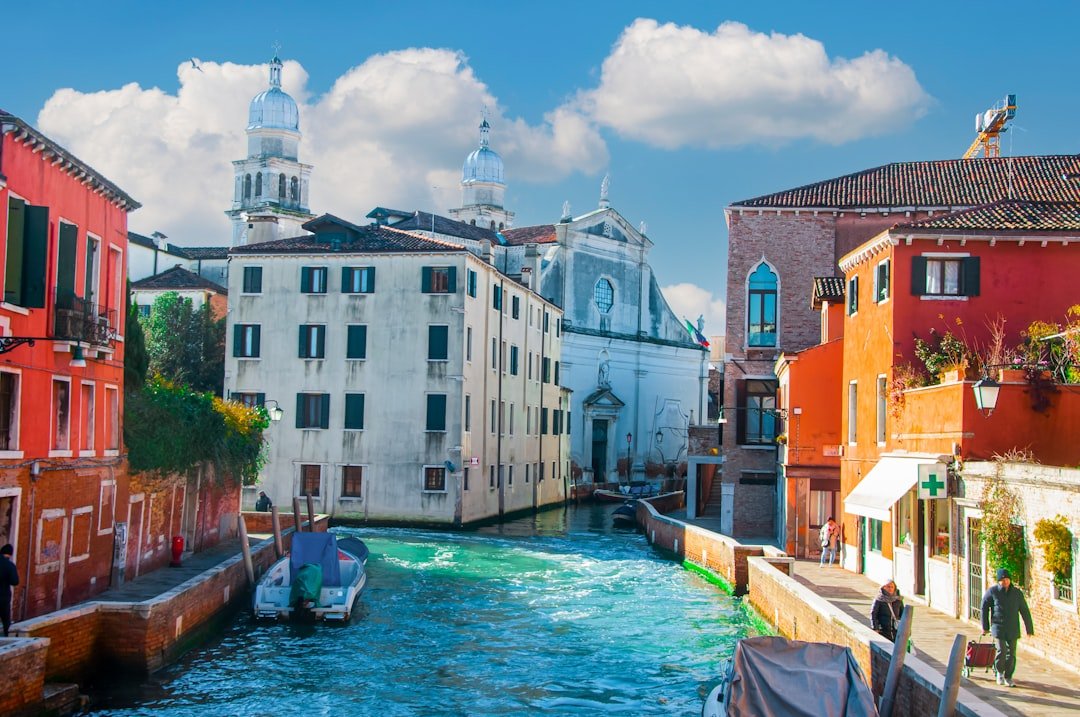
After the gondola ride, dedicate the larger part of Day 3 to the lagoon islands. Murano is internationally known for glassmaking, while Burano is known for its brightly painted houses and lace tradition.
On Murano, choose glass workshops and demonstrations carefully. Authentic artisan work can be fascinating, but you do not need to buy anything to enjoy the island. You can also visit the Glass Museum or explore the island’s streets and churches.
Continue to Burano for its colorful canals and the Lace Museum area. Burano’s traditional sweet is the bussolà, a rich ring-shaped biscuit made with ingredients such as flour, eggs, and butter. Venetian lagoon cuisine also includes dishes such as risotto di gò, made with the small lagoon fish known locally as gò.
The official Venezia Unica islands guide is useful for checking island attractions before you go. Allow a substantial part of the day for Murano and Burano because water-bus journeys, waiting time, walking, and meals add up quickly.
Warning: Do not plan an island day around an unofficial timetable copied from an old blog post. ACTV routes and schedules can change, so confirm the current route before departure.
Getting Around Venice: Vaporetto Fares and Navigation Tips

Venice’s historic center has no ordinary road traffic, so most sightseeing is done on foot or by water. ACTV operates the main public water-bus network, while traghetti provide simple gondola-style crossings at selected points on the Grand Canal.
Current standard ACTV visitor fares include:
| Ticket | Current Standard Fare |
| 75-minute Rete Unica ticket | €9.50 |
| 24 hours | €25 |
| 48 hours | €35 |
| 72 hours | €45 |
| 7 days | €65 |
You can verify current prices and conditions on the official AVM/ACTV transport page. Validate your ticket as required when starting a trip and when changing services. Standard urban visitor tickets do not automatically include every airport journey or private water service, including Alilaguna.
If you expect to take several water-bus rides, especially on the island day, a time-based pass can be cheaper than repeatedly buying €9.50 single tickets. If you plan to walk almost everywhere and use only one or two vaporetti, calculate the cost before buying a multi-day pass.
For walking, use a map or navigation app but do not worry if the route changes. Venice’s lanes frequently send you around canals and over bridges. Directional signs toward San Marco, Rialto, Ferrovia, and Piazzale Roma are also useful.
Venice Access Fee in 2026
Venice operated another experimental Access Fee period in 2026 on selected dates from April through July. That period ended on July 26, 2026. As of September 9, 2026, the official portal states that the 2026 trial is over and visitors can currently enter without paying the fee or requesting an exemption.
Because future rules may change, check the official Venice Access Fee website shortly before your trip instead of relying on an older article or screenshot.
Acqua Alta and Weather
High water, known as acqua alta, is most associated with autumn and winter tidal peaks. Venice’s MOSE barriers now protect the lagoon during qualifying high-tide events, but localized wet conditions can still affect how you move around the city. Check local forecasts if your visit coincides with high-water conditions.
Where to Stay: Choosing the Best Venice Area
| Accommodation Type | Useful Area | Best For | Trade-Off |
| Hotel | San Marco | First-time visitors prioritizing major sights | Usually busy and often expensive |
| Apartment | Dorsoduro | Longer stays and a quieter evening atmosphere | Longer walk to some San Marco sights |
| Bed and Breakfast | Cannaregio | Neighborhood atmosphere and dining | Location matters because Cannaregio is large |
| Hostel / Budget Stay | Cannaregio, Giudecca, or Mestre | Travelers controlling accommodation costs | Check late-night transport and travel time carefully |
Where you stay can make a major difference during a short trip. San Marco is convenient for headline sights, Dorsoduro has museums and a calmer feel, Cannaregio combines residential streets with restaurants and bars, and San Polo places you near Rialto. For related tips and details, explore our Explore Venice's Surrounding Gems by Train.
For a luxury stay, The Gritti Palace remains one of Venice’s best-known historic hotels. The former Hotel Danieli reopened on July 30, 2026 as Danieli, Venezia, A Four Seasons Hotel.
If you are arriving by train or carrying heavy luggage, look carefully at the walking route from your arrival point to your accommodation. A hotel that appears close on a map may still require crossing several bridges with steps.
Dining in Venice: Local Food Worth Trying
Discovering Cicchetti and Local Flavors
Cicchetti are small Venetian snacks commonly eaten at a bacaro, often with wine or another drink. Fillings and toppings vary, and seafood is common. Cantina Do Spade near Rialto remains one established option, while many smaller bacari are scattered through San Polo, Cannaregio, and Dorsoduro.
Useful dishes to look for include sarde in saor, sardines prepared with sweet-and-sour onions; baccalà mantecato, whipped salt cod; risotto di gò, made with lagoon goby; and bigoli in salsa.
Formal Dining Experiences
For a more formal meal, Antiche Carampane and Osteria alle Testiere are long-established names that appear frequently in Venice dining recommendations. Osteria alle Testiere currently uses online reservations, so check the restaurant’s own booking information rather than relying on an old guide.
Traditional Venetian seafood and seasonal ingredients are a better guide to ordering than searching only for one famous dish. Menus change, especially at smaller restaurants.
Sweet Treats and Desserts
Tiramisu is widely associated with the Veneto region, but Venice has many other sweets worth trying. On Burano, look for bussolà, the island’s traditional ring-shaped biscuit. You may also encounter Venetian biscuits such as baicoli and seasonal pastries such as fritole during Carnival.
Must-See Attractions Beyond the Main Route

If you have extra time or want to replace part of the day-by-day route, Venice has several strong alternatives beyond St. Mark’s Basilica, the Doge’s Palace, and Rialto.
The Peggy Guggenheim Collection occupies Palazzo Venier dei Leoni on the Grand Canal in Dorsoduro and focuses on major 20th-century European and North American art. It is an especially good choice if modern art interests you.
Nearby, the Basilica di Santa Maria della Salute stands near the entrance to the Grand Canal and is one of Venice’s defining skyline landmarks. Walking along the Zattere and Dorsoduro can make a quieter alternative to returning immediately to San Marco.
For travelers interested in Jewish history, Venice’s historic Jewish Ghetto in Cannaregio adds an important dimension to the city’s story. Check current museum and synagogue visiting arrangements before going because access can depend on schedules and guided visits.
Understanding Venice’s History and Culture
The Museo Correr in St. Mark’s Square provides broader context for Venice’s political, artistic, and social history. It pairs naturally with the Doge’s Palace because both help explain the institutions and culture behind the buildings you see around the square.
Contemporary-art visitors can also consider Palazzo Grassi and Punta della Dogana. Their exhibition programs change, so check the current schedule before choosing one over another.
The Peggy Guggenheim Collection is another strong option for modern art. It occupies Peggy Guggenheim’s former home at Palazzo Venier dei Leoni and includes works connected with movements such as Cubism, Surrealism, European abstraction, and early American Abstract Expressionism. For related tips and details, explore our Discover Milan: A 3-Day Itinerary for First-Timers.
Shopping in Venice: Murano Glass, Masks, and Local Crafts
Venice is famous for Murano glass, but quality varies widely. If authenticity matters, buy from a reputable glassmaker or shop that clearly identifies the producer rather than assuming every glass item sold in central Venice was made on Murano.
Venetian masks are another classic souvenir. Ca’ Macana in Dorsoduro is a working mask shop known for handmade papier-mâché masks and mask-making workshops.
The Rialto area is useful for food-related browsing, but remember that the traditional market is primarily a working market rather than a souvenir attraction. Respect vendors and avoid blocking narrow passages while taking photographs.
Nightlife in Venice: Bars and Evening Entertainment
Venice is better suited to relaxed evening drinks, live culture, and late dinners than to a large nightclub scene. Campo Santa Margherita in Dorsoduro is one of the best-known areas for casual bars and outdoor social life.
Older travel guides may mention venues such as Piccolo Mondo or Chet Bar. Because nightlife businesses and opening schedules can change, verify current status before planning an evening around a specific venue.
For cultural entertainment, Teatro La Fenice offers opera, concerts, ballet, and other performances during its programmed season. Check the official calendar for your exact dates rather than assuming a performance will take place every night.
Tips for Making the Most of Your 3-Day Itinerary in Venice
Start early when you want quiet time at San Marco or Rialto, but do not over-schedule every hour. Venice rewards unscripted walking, especially in Cannaregio, Castello, Dorsoduro, and smaller sections of San Polo.
Prioritize timed attractions first. St. Mark’s Basilica and the Doge’s Palace can create long waits during busy periods, so book ahead when your dates are firm.
Wear comfortable shoes. Three days in Venice involves substantial walking over hard paving stones and bridges, even if you use water buses.
Carry only what you need during sightseeing. St. Mark’s Basilica and the Campanile have baggage restrictions, and large luggage is inconvenient on crowded vaporetti and bridges.
Use evenings for slower walks. Once day visitors thin out, canals and smaller squares can feel noticeably calmer. This is also a good time to return to a favorite neighborhood rather than adding another major attraction.
If food is an important part of your trip, use your final evening for a proper Venetian meal rather than an unrelated culinary detour. Cicchetti, lagoon seafood, sarde in saor, risotto di gò, and Burano’s bussolà connect directly to the places you have explored during the itinerary.
Sources
- AVM / ACTV Venice Urban Services — current water-bus and public-transport fares and ticket conditions.
- Comune di Venezia — Gondola Service — official gondola tariffs, hours, duration, and passenger limit.
- Basilica di San Marco — official Basilica and Campanile visitor information.
- Doge’s Palace / MUVE — current opening times, tickets, and visitor information.
- Venice Access Fee — Official Portal — current status and future Access Fee announcements.
- Venezia Unica — Venetian Islands — official tourism information for Murano, Burano, Torcello, and other lagoon islands.
Frequently Asked Questions
What is the best time to visit Venice for a 3-day itinerary?
Spring and early autumn can offer a useful balance of comfortable sightseeing weather and daylight, although Venice can be busy in any season. April and May are popular spring choices, while late September and October can be pleasant. Autumn and winter also bring a greater chance of high-water conditions, so monitor local forecasts.
What are the must-see attractions in Venice for first-time visitors?
For a first visit, prioritize St. Mark's Basilica, the Doge's Palace, the Grand Canal, Rialto Bridge, and at least one quieter neighborhood such as Dorsoduro or Cannaregio. If you have three full days, Murano and Burano fit well on the final day.
How should I plan my 3-day itinerary in Venice?
Use geographic clusters. Spend Day 1 around the Grand Canal and San Marco, Day 2 around the Doge's Palace, Rialto, and nearby neighborhoods, and Day 3 on a gondola ride plus Murano and Burano. Reserve timed attractions first, then build meals and walks around them.
What activities are worth doing during three days in Venice?
A Grand Canal vaporetto ride, a gondola ride, St. Mark's Basilica, the Doge's Palace, the Rialto area, cicchetti at a bacaro, and a lagoon-island trip provide a strong first-time mix. Art lovers can substitute the Peggy Guggenheim Collection or another museum for part of the route.
How can I make the most of my 3-day visit to Venice?
Book priority attractions before arrival, start early for the busiest landmarks, wear comfortable shoes, and avoid scheduling every hour. Walking through quieter neighborhoods is part of the experience, not wasted time. A transport pass is most useful when your plan includes several vaporetto trips.
How much does a gondola ride cost in Venice?
The current official municipal tariff is €90 for a 30-minute daytime ride from 9:00 a.m. to 7:00 p.m. and €110 for a 35-minute ride from 7:00 p.m. to 4:00 a.m. The standard tariff is per gondola, with a maximum of five passengers, rather than per person.
Do visitors currently have to pay the Venice Access Fee?
As of September 9, 2026, no. The experimental 2026 Access Fee period ended on July 26, 2026, and the official portal states that no payment or exemption procedure is currently required. Travelers visiting later should check the official Access Fee website because future rules may change.
Related Guides
- Best Hotels Near Pisa Train Station
- Rome 3-Day Itinerary: A First-Timer's Guide
- Best Family-Friendly Neighborhoods in Rome