Bologna is one of Italy’s easiest cities to enjoy on a short break. In two days, you can explore Piazza Maggiore, centuries-old university landmarks, food markets, medieval streets, important art collections, and some of Emilia-Romagna’s best-known dishes without spending your whole trip in transit. The key is to keep each day geographically focused and check current attraction access before you go.
Quick Answer
Two days in Bologna are enough for the historic center, Piazza Maggiore, the Archiginnasio, food markets, the Two Towers area, the Pinacoteca, and several memorable meals. Keep most sightseeing on foot, leave extra time for San Luca, and note that Asinelli Tower remains closed for maintenance as of September 2026.
Key Takeaways
- Spend Day 1 around Piazza Maggiore, the Archiginnasio, Quadrilatero, Santo Stefano, and Bologna’s traditional food scene.
- Use Day 2 for the Two Towers area, Mercato delle Erbe, the Pinacoteca Nazionale, university streets, and evening entertainment.
- Asinelli Tower is currently closed for maintenance, so do not plan your itinerary around climbing its 498 steps.
- Most central sights are practical to reach on foot, while buses are useful for longer trips and tired legs.
- If you drive, check Bologna’s ZTL restrictions before entering the historic center.
Current closure: As of September 2026, Torre degli Asinelli is closed for maintenance. You can still see Bologna’s Two Towers from street level. Check the official Bologna Welcome page shortly before your visit because access conditions can change.
Before You Start Your Bologna 2 Day Itinerary
Bologna rewards a flexible schedule. Many of the main attractions are concentrated inside the historic center, but museums, churches, restaurants, and performance venues follow their own opening days and hours. Check the places that matter most to you shortly before traveling rather than relying on an old itinerary.
The University of Bologna traditionally dates its origins to 1088, making it the oldest university in the Western world. The institution itself explains that 1088 is a conventional historical date rather than a precisely recorded founding day. That academic history still shapes the streets around Via Zamboni and the university quarter.
Note: The Pinacoteca Nazionale di Bologna is normally closed on Mondays. If your second day falls on a Monday, move the museum to another day or replace it with more time at Santo Stefano, San Luca, Palazzo d’Accursio, or another open attraction.
Day 1: Morning in Bologna
Begin your first morning at Piazza Maggiore, the natural starting point for a Bologna itinerary. The large central square is surrounded by some of the city’s most important civic and religious buildings, including the Basilica di San Petronio, Palazzo d’Accursio, Palazzo del Podestà, and Palazzo dei Banchi.
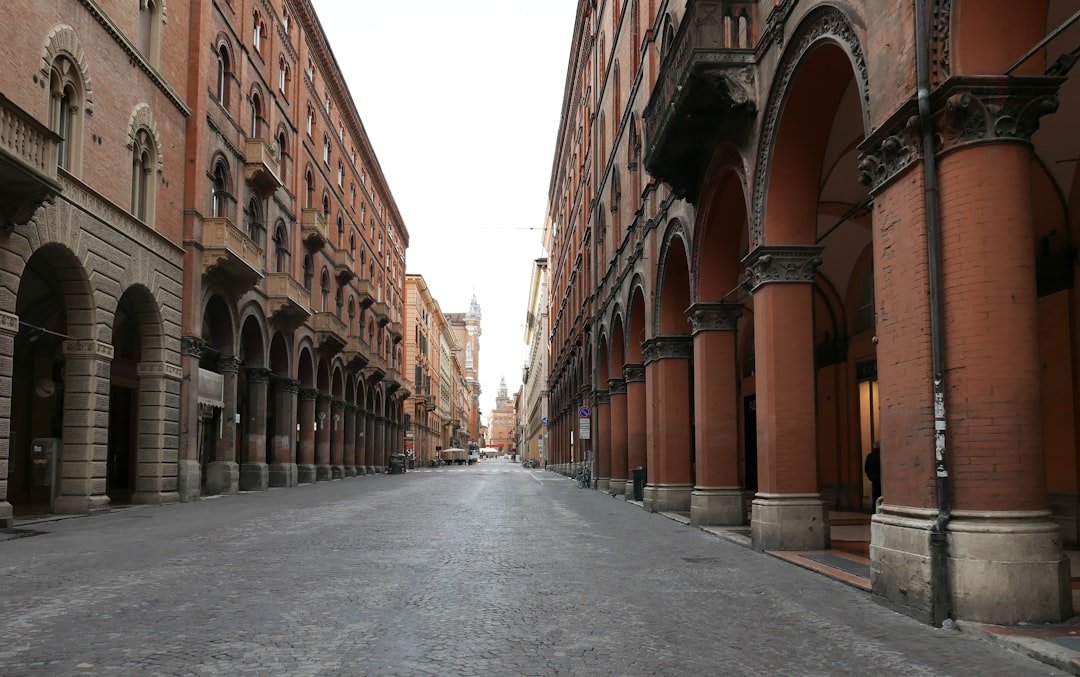
Take time to walk around the square instead of treating it only as a photo stop. Bologna’s long arcades, red-brick buildings, and narrow adjoining streets make more sense once you have seen the historic center from here.
Next, walk to the nearby Archiginnasio, once the main seat of the University of Bologna. Its most famous room is the Teatro Anatomico, a wood-lined anatomical theater designed in 1637 for anatomy lessons. The building’s coats of arms and academic decoration offer a much more specific look at Bologna’s scholarly history than a simple walk through the modern university area.
If you want to enter the Teatro Anatomico, check current opening hours and ticket arrangements before arriving. The palace and library can follow different schedules.
Pro Tip: Keep the first morning compact. Piazza Maggiore, San Petronio, the Archiginnasio, and the surrounding lanes are close enough that you gain more by walking slowly than by rushing between distant attractions.
Day 1: Afternoon in Bologna

By lunchtime, shift the focus from monuments to Bologna’s food culture. A traditional trattoria is a good place to try dishes based on fresh egg pasta and slow-cooked sauces. Trattoria Gianni, on Via Clavature, is one established option in the historic center. Its hours and closing days can change, so check directly before building your afternoon around it.
Look for Bolognese specialties such as tagliatelle al ragù, tortellini, lasagne verdi, mortadella, or seasonal dishes. Tortellini are often served in broth, while tagliatelle al ragù gives you a more locally representative version of the meat sauce that many visitors know internationally as “Bolognese.”
After lunch, explore the Quadrilatero, the network of streets just east of Piazza Maggiore. Food shops, delicatessens, bakeries, produce stalls, and small businesses make this one of the easiest places to see how Bologna’s culinary identity works beyond restaurant menus.
Stop at a salumeria if you want to sample mortadella di Bologna or browse regional cheeses and cured meats. You do not need a formal food tour to enjoy this district, although a guided tour can help if you want more detail about ingredients, producers, and local food history.
Day 1: Evening in Bologna
| Early evening | Walk toward Piazza Santo Stefano and stop for an aperitivo if you want one. |
| Dinner | Choose a traditional osteria or trattoria for tagliatelle, tortellini, lasagne, or another regional dish. |
| After dinner | Walk back through the illuminated historic center rather than adding another ticketed attraction. |
| Planning note | Sunset and weather change significantly by season, so check the forecast for your actual travel date. |
Piazza Santo Stefano is a pleasant choice for the early evening because it feels calmer than some of the busier streets near Piazza Maggiore while keeping you inside the historic center. An aperitivo typically combines a pre-dinner drink with small snacks, although what is included varies by bar.
For dinner, Osteria dell’Orsa is one well-known option in the university area. Its own current information lists traditional dishes including tagliatelle, tortellini, and lasagne. It does not normally take reservations, so expect a more informal experience and verify opening information before going.
After dinner, keep the evening simple. A slow walk through Bologna’s porticoes and illuminated streets gives you time to appreciate details that are easy to miss during the busier daytime hours.
Day 2: Morning in Bologna
Start Day 2 at the Two Towers, Torre degli Asinelli and Torre Garisenda, among Bologna’s best-known medieval landmarks. They remain important symbols of the city, but this part of the itinerary needs an important 2026 update.
Torre degli Asinelli has 498 internal steps and historically offered panoramic views from its roughly 97-meter height. However, the tower is closed for maintenance as of September 2026. Do not buy into an itinerary that assumes you can simply arrive and climb it. See the towers from the surrounding streets and check the official closure notice before your trip in case access changes.
If a panoramic view matters to you, Bologna Welcome currently points visitors toward the Clock Tower at Palazzo d’Accursio as an alternative. Because ticket availability and access can change, confirm the option that suits your dates before committing time to it.
After seeing the Two Towers area, continue to Mercato delle Erbe. The covered market on Via Ugo Bassi sells produce, meat, cheese, cured meats, wine, fish, and other foods, with part of the building also devoted to places to eat and drink.
This makes the market a practical brunch or late-morning stop. Individual stalls and food businesses may keep different hours, so avoid assuming that every vendor will be open simply because the building itself is accessible.
Day 2: Afternoon in Bologna

Spend the afternoon at the Pinacoteca Nazionale di Bologna if your visit does not fall on its regular Monday closure. The museum is especially valuable for understanding the development of Bolognese and Italian painting from the medieval period through the Renaissance and Baroque eras.
Its collection includes major works connected with Raphael, Titian, the Carracci, Guido Reni, Giotto, and other important artists. Rather than a mix of “classical and contemporary art,” this is primarily a historic picture gallery with deep links to Bologna and Emilia-Romagna.
Allow enough time to look rather than trying to cover every room. Raphael’s Ecstasy of Saint Cecilia, works by the Carracci, and the museum’s medieval and Renaissance sections are among the collection’s major reasons to visit.
Afterward, explore the nearby University district. Via Zamboni and surrounding streets reflect Bologna’s long academic tradition through university buildings, libraries, bookstores, cafés, and a large student population.
If you want to browse books, Libreria Coop Zanichelli is one option in the center. Otherwise, simply walking through the district gives you a useful contrast with the monumental civic spaces around Piazza Maggiore.
Day 2: Evening in Bologna
For your second evening, check the current program of the Teatro Comunale di Bologna before choosing a venue. The historic theater at Piazza Verdi has been undergoing renovation, and the 2026 season uses other spaces, including Comunale Nouveau for opera and dance and Auditorium Manzoni for some concerts.
2026 venue note: Do not assume the performance listed on your ticket takes place at the historic Teatro Comunale building. Check the official event page for the exact venue and address.
If no performance fits your schedule, head toward Via del Pratello for a more casual evening. The street and surrounding area are known for bars and informal nightlife, making them suitable for a final drink without turning the evening into another major sightseeing session.
Whichever option you choose, leave some flexibility. A two-day Bologna trip works best when you have enough room for a long dinner, an unexpected church visit, or a café stop rather than scheduling every hour.
Must-Try Food and Drinks in Bologna
Bologna’s food reputation is one of the main reasons travelers come to the city. Start with tagliatelle al ragù: ribbons of fresh egg pasta served with a slowly cooked meat sauce. Outside Italy, similar sauces are often called “Bolognese,” but spaghetti Bolognese is not the traditional local presentation visitors should expect in Bologna.
Tortellini are another essential specialty. The small filled pasta are traditionally associated with Bologna and neighboring Modena and are often served in brodo, or in broth. You will also see richer preparations depending on the restaurant.
Other foods worth looking for include mortadella, lasagne verdi, crescentine, local cheeses, and seasonal dishes. For wine, regional choices can include Pignoletto and Sangiovese. Instead of trying to order every famous dish in one meal, spread them across your two days.
In Bologna, the most rewarding food experience is often simple: fresh pasta, a good local ingredient, and enough time to enjoy the meal without rushing to the next attraction.
Exploring Bologna’s Historic Sites
Beyond Piazza Maggiore, make time for the Santo Stefano complex. It is commonly called the “Seven Churches” because several religious buildings from different periods form one interconnected complex. Courtyards, chapels, masonry, and layers of architectural history make it one of Bologna’s more distinctive religious sites.
Another important landmark is the Sanctuary of the Madonna di San Luca on Colle della Guardia. The famous covered route leading toward the sanctuary extends for about four kilometers and is traditionally counted as 666 arches.
San Luca is worthwhile, but it is not as convenient as the central attractions in this itinerary. Walking the full portico adds substantial time and climbing. If you want the experience without devoting much of your second day to it, research current public-transport, taxi, or tourist-service options for your dates.
Pro Tip: If San Luca is a priority, treat it as a deliberate half-day variation rather than squeezing it between central museums and markets. The historic center is compact; San Luca is the stop most likely to disrupt an overpacked schedule.
How to Get Around Bologna
Walking is the easiest way to follow most of this two-day itinerary. Piazza Maggiore, the Archiginnasio, Quadrilatero, the Two Towers area, university streets, and many restaurants are concentrated within the historic center.
For longer journeys, Bologna’s public transport is operated by TPER. Current fare structures and routes can change, so check TPER before your visit rather than relying on prices copied into an old article.
Driving warning: Much of Bologna’s historic center is a ZTL, or limited-traffic zone. Motor-vehicle access is restricted during specified hours and entrances are electronically monitored. If you arrive by car, confirm your hotel, garage, parking, and access arrangements before driving into the center.
Bologna Centrale railway station is also within practical reach of the center. If you arrive by air, check the current airport-to-station options before traveling because transport services and schedules can change.
Where to Stay for Two Days in Bologna
For a short first visit, staying in or near the historic center saves the most sightseeing time. Accommodation around Piazza Maggiore gives you easy walking access to the central landmarks and food streets.
The area between the center and Bologna Centrale is useful if you are arriving late, leaving early, or taking onward trains. The university district can work well if you prefer a livelier atmosphere and do not mind more evening activity.
If you are driving, accommodation choice should also consider parking and ZTL access. A slightly less central hotel with simple vehicle access can be more convenient than a historic-center property if you have a car.
Shopping and Souvenirs in Bologna
Shopping in Bologna ranges from major stores along Via dell’Indipendenza to independent food shops and small businesses in the Quadrilatero and Santo Stefano areas.
Food-related souvenirs fit the city especially well. Depending on your travel and customs restrictions, you might consider packaged pasta, balsamic vinegar from Emilia-Romagna, regional pantry products, or other shelf-stable specialties. For non-food gifts, look for ceramics, prints, books, and locally made objects rather than relying only on generic souvenir shops.
If you plan to carry cured meat, cheese, or other animal products across an international border, check the import rules for your destination before buying them.
When to Visit Bologna
Spring and early autumn are popular times for walking-heavy Bologna trips because they can offer comfortable sightseeing conditions. Summer brings longer days but can also be hot, while winter is better suited to travelers who prefer indoor museums, long meals, and a quieter pace.
There is no single perfect month for everyone. Check the event calendar, accommodation prices, weather forecast, museum schedules, and any temporary construction shortly before booking. Bologna’s porticoes provide useful shelter from sun and rain, but they do not eliminate the need to dress for the season.
Bologna’s Culinary and Cultural Delights
Two days in Bologna give you enough time to understand why the city appeals to food lovers, history fans, and travelers who prefer walkable destinations. Piazza Maggiore and the Archiginnasio introduce its civic and academic history, while the markets, trattorias, university streets, and porticoes show a more everyday side of the city.
The most important improvement to an old Bologna itinerary is flexibility. Attraction access changes: Asinelli Tower is currently closed, performance venues can move, and museum schedules vary by day. Plan the key stops, verify them shortly before travel, and leave enough open time to enjoy Bologna rather than racing through it.
For readers browsing other topics on Tagline Today, the original article also referenced this delicious homemade cottage cheese recipe, an article about Ozzy Osbourne, and a guide to Asian melon. These are additional site-reading links rather than Bologna itinerary recommendations.
Frequently Asked Questions
Is two days enough for Bologna?
Yes. Two days are enough for Bologna’s main historic-center sights, several traditional meals, a market, the university area, and a museum. Add another day if you want slower museum visits, a long walk to San Luca, or day trips outside the city.
What is Bologna known for?
Bologna is known for its medieval architecture, long porticoes, major food traditions, historic university, red-brick streets, and dishes such as tagliatelle al ragù, tortellini, mortadella, and lasagne.
What are the must-see attractions in Bologna?
Good first-visit choices include Piazza Maggiore, Basilica di San Petronio, the Archiginnasio and Teatro Anatomico, the Two Towers area, Santo Stefano, the Quadrilatero, the Pinacoteca Nazionale, and San Luca if your schedule allows. Bologna Cathedral can also be added while exploring the center.
Can you climb Asinelli Tower in 2026?
Not currently. As of September 2026, Torre degli Asinelli is closed for maintenance. You can still visit the Two Towers area from street level. Check Bologna Welcome shortly before your trip because the closure status may change.
What is the best way to get around Bologna?
Walk for most historic-center sightseeing and use TPER buses when you need to cover more distance. Driving is less convenient for central sightseeing because much of the historic center is controlled by a limited-traffic zone.
What food should you try in Bologna?
Try tagliatelle al ragù, tortellini in brodo, mortadella, lasagne verdi, crescentine, and other fresh-pasta dishes. If you are looking for the local version of “Bolognese,” order tagliatelle al ragù rather than expecting spaghetti Bolognese.
What is the best time of year to visit Bologna?
Spring and early autumn are attractive for walking and sightseeing, while summer offers long days but can be hot. Winter suits travelers who prioritize museums, food, and indoor cultural attractions. Check the weather and event calendar for your exact dates.
Sources
- Bologna Welcome — The Two Towers — current Asinelli Tower closure and tower information.
- University of Bologna — The Birth of the Studium and the Commune — history and the traditional 1088 founding date.
- Archiginnasio — The Anatomical Theatre — history and 1637 design of the Teatro Anatomico.
- Pinacoteca Nazionale di Bologna — museum history and collection scope.
- Teatro Comunale di Bologna — 2026 Opera Season — current performance venues and 2026 programming.
- TPER — Fares and Urban Transport — current Bologna public-transport information.