Siena is compact enough to explore on foot but rich enough to reward three full days. A first-time visit can combine Piazza del Campo, the Duomo complex, medieval civic art, Saint Catherine sites, quiet gardens, local food, contrada culture, and panoramic walks without rushing from attraction to attraction. The historic center has been on UNESCO’s World Heritage List since 1995 and remains one of Italy’s best-preserved medieval urban landscapes.
Quick Answer
Three days in Siena is an excellent amount of time for a first visit. Spend Day 1 around Piazza del Campo and the Duomo, Day 2 on museums, Saint Catherine sites and gardens, and Day 3 exploring local food, contrada culture and the Fortezza Medicea. Most central sights are walkable.
Key Takeaways
- Spend your first day around Piazza del Campo, Palazzo Pubblico, Torre del Mangia and Siena Cathedral.
- Use Day 2 for Basilica di San Domenico, Santa Maria della Scala, Museo dell’Opera and Orto de’ Pecci.
- Use Day 3 for local culture, a market or food experience, artisan streets and the Fortezza Medicea.
- The Palio is not an everyday attraction: ordinary races are traditionally scheduled for July 2 and August 16 and may be postponed.
- The OPA SI PASS covers the Duomo complex; municipal museums and Torre del Mangia use a separate ticket system.
- Wear shoes with good grip because Siena has steep streets, stone paving and many steps.
- Stay in or near the historic center if you want to explore mostly on foot.
Before You Start: Tickets, Transport, and Timing
Siena’s historic center is best explored on foot. The city’s official tourism office notes that Siena railway station is about 2 km from the center, with local buses available for the onward trip. If you arrive by car, do not assume you can drive directly to your hotel or the major sights: much of central Siena is controlled by a ZTL, or limited-traffic zone.
Official parking facilities around the center include Santa Caterina, San Francesco, La Stazione, Il Campo, Duomo and the Fortezza area. Several are connected to the upper city by escalators or other mechanized routes. Check the latest parking and access information before driving into the historic area.
For Cathedral sightseeing, the Opera della Metropolitana’s OPA SI PASS covers the Cathedral, Piccolomini Library, Museo dell’Opera, Facciatone panorama, Crypt and Baptistery. It is valid for three consecutive days. In 2026, the standard adult price is €14 during ordinary periods and €16 while the Cathedral’s inlaid marble floor is uncovered.
Do not confuse that with Siena’s municipal combination tickets. The Comune di Siena ticket system separately covers attractions such as Museo Civico, Torre del Mangia and Santa Maria della Scala in different combinations.
Pro Tip: If you plan to see several parts of the Duomo complex, buy the OPA SI PASS rather than treating every church or museum as a separate stop. If you also want Torre del Mangia or Museo Civico, budget for the separate municipal ticket system.
Day 1: Piazza del Campo and the Siena Cathedral Complex
Start at Piazza del Campo
Begin your Siena 3 day itinerary at Piazza del Campo, the sloping, shell-shaped civic square at the heart of the UNESCO-listed historic center. The Palazzo Pubblico dominates one side of the piazza, with the Torre del Mangia rising above Siena’s red-tiled roofs.
Spend a little time walking the square before entering Palazzo Pubblico. Inside the Museo Civico, one of the most important works to look for is Ambrogio Lorenzetti’s cycle known as the Allegory of Good and Bad Government. The paintings add useful context to Siena’s medieval civic identity rather than making the square only a photo stop.
Climb Torre del Mangia
If you are comfortable with steep stairs and enclosed spaces, climb Torre del Mangia for a wide view over Siena and the Tuscan countryside. According to the Comune di Siena, reaching the top requires about 400 steps and there is no elevator.
Warning: The Comune strongly discourages the Torre del Mangia climb for visitors with certain heart or respiratory conditions, vertigo, claustrophobia, pregnancy or other health limitations. The staircase is narrow and demanding. If the climb is not suitable for you, enjoy Siena’s skyline from ground-level viewpoints or the Fortezza Medicea instead.
Walk to Siena Cathedral
From Piazza del Campo, continue uphill to the Duomo di Siena. The cathedral combines Romanesque and Gothic elements and is one of the city’s most recognizable buildings. Inside, the black-and-white marble, sculptural decoration and inlaid floor reward a slower visit rather than a quick walk through the nave.
Do not miss the Piccolomini Library. Its fresco cycle by Pinturicchio illustrates ten episodes from the life of Pope Pius II, while the room itself was commissioned by Cardinal Francesco Todeschini Piccolomini, later Pope Pius III.
2026 Note: The Cathedral’s famous inlaid marble floor is fully uncovered for limited periods. In 2026, the official schedule lists June 27–July 31 and August 18–November 15. Opening times can also change for religious services, so use the official Opera Duomo schedule for your exact date.
End Day 1 with a relaxed walk through Via di Città and the narrow streets around the historic center. This is a better time for unstructured wandering than the middle of your sightseeing day, when museum opening hours matter more.
Day 2: Saint Catherine, Museums, and Siena’s Quieter Side
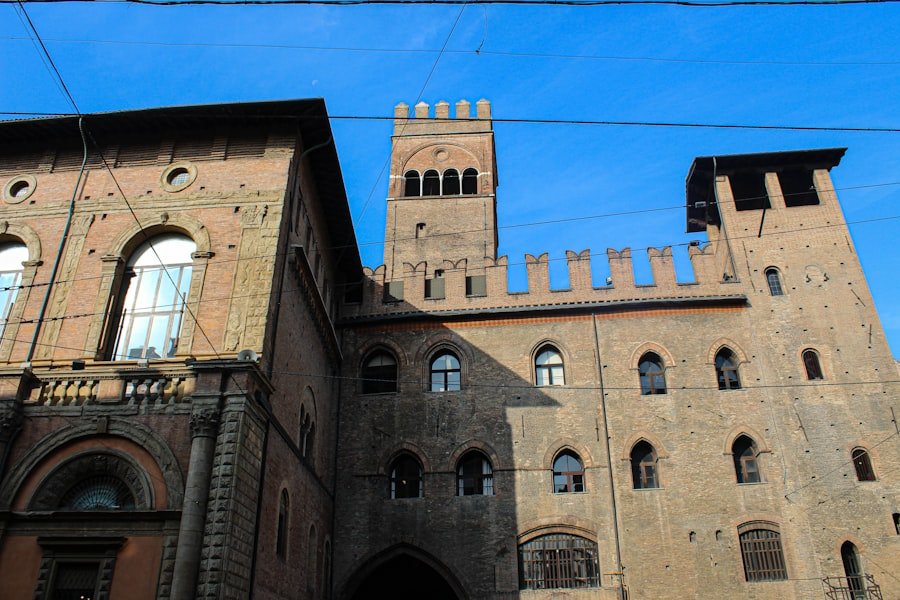
Visit Basilica di San Domenico
Start Day 2 at the Basilica di San Domenico. The large church is closely associated with Saint Catherine of Siena and preserves important relics connected with her. Siena’s official tourism site identifies the saint’s head and a finger among the relics displayed here.
The basilica is also a useful place to slow the pace after Day 1’s busier monuments. Dress respectfully and remember that it remains an active religious site rather than simply another museum.
Explore Santa Maria della Scala
Next, cross toward Piazza del Duomo and visit Santa Maria della Scala, directly opposite the Cathedral. This vast former hospital complex now contains museum spaces, historic interiors and archaeological collections.
Allow at least 90 minutes if you enjoy history and art. As of 2026, standard full admission is €9, although combined municipal tickets may offer better value if you are also visiting Museo Civico or Torre del Mangia. Santa Maria della Scala is also one of the more accessible major museum complexes in the city, with elevator access through its visitor route.
See the Museo dell’Opera and Facciatone
Continue with the Museo dell’Opera Metropolitana if you did not complete the whole Cathedral complex on Day 1. The museum’s collection includes Duccio’s Maestà and stained-glass rose window, sculpture by Giovanni Pisano, Donatello and Jacopo della Quercia, plus illuminated manuscripts and decorative arts.
The unfinished expansion of the medieval cathedral created the structure known as the “New Cathedral.” From the Facciatone panorama, visitors get another memorable view across Siena’s roofs and countryside.
Take a Break at Orto de’ Pecci
After several indoor attractions, walk down toward Orto de’ Pecci. The garden lies within Siena’s old town, only a short distance from Piazza del Campo, but feels far removed from the busiest streets. It is a good place for a slower walk, a simple lunch break or time outdoors before dinner.
The route involves slopes, so allow extra time if mobility is limited. Siena is compact, but “compact” does not mean flat.
Day 3: Food, Contrada Culture, and the Fortezza Medicea
| Activity | Suggested Time |
| Italian breakfast and local market or food shops | 9:00 AM – 10:30 AM |
| Contrada streets, artisan shops, or cooking experience | 11:00 AM – 1:30 PM |
| Lunch at a traditional trattoria or osteria | 1:30 PM – 3:00 PM |
| Fortezza Medicea and surrounding gardens | 3:30 PM – 5:30 PM |
| Aperitivo, final walk, and Tuscan dinner | 6:00 PM onward |
Start With Local Food
Begin Day 3 with a simple Italian breakfast: coffee or cappuccino with a cornetto or another pastry. If your third day falls on a Wednesday, Siena’s traditional weekly goods market around the La Lizza and Viale XXV Aprile area can add a more local start to the morning. On other days, use the same time for food shops, bakeries and quieter streets away from the main monuments.
A cooking class can also fit well here if food is a major reason for your trip. Look for a class built around Tuscan staples such as pici, ribollita or regional sauces rather than filling the day with another set of museums.
Understand Siena’s Contrade
Siena is divided into 17 historic contrade, or neighborhood communities, and the Palio is deeply connected to their identities. Rather than treating the race as a tourist spectacle that happens every day, spend time noticing contrada emblems, fountains, streets and community spaces as you walk.
The ordinary Palio races are traditionally scheduled for July 2 and August 16 in Piazza del Campo. Weather and safety conditions can change the actual race date. In 2026, for example, the July Palio was run on July 3 and the August Palio on August 18. If your visit overlaps Palio week, consult the Comune di Siena’s official Palio information before planning your day.
The Palio is part of Siena’s living contrada culture, not a daily attraction added to every three-day itinerary.
The interior of Piazza del Campo can be viewed without a paid grandstand ticket during the Palio, subject to access controls and capacity. Paid viewing from stands, windows and balconies is arranged separately rather than through one centralized ticket office.
Walk the Fortezza Medicea
Spend the later afternoon at the Fortezza Medicea, also known as the Fort of Saint Barbara. The fortress was rebuilt under Cosimo I de’ Medici in the 16th century and now functions as a public green and cultural space close to the historic center.
The fortifications and gardens provide an easy change of pace after two museum-heavy days. They are also useful if you want city views without climbing Torre del Mangia.
Optional Swap: A Tuscan Countryside Day Trip
If you prefer wine country and hill towns to a full third day in Siena, replace Day 3 with a countryside excursion. Chianti, San Gimignano, Monteriggioni, Montalcino, Pienza and the Val d’Orcia are common choices from Siena. A tour can simplify transportation, while a car gives more flexibility but requires extra attention to parking and ZTL restrictions when you return.
For most first-time visitors who have never seen Siena itself, however, two full sightseeing days plus one slower cultural day creates a better-balanced introduction than rushing out of town immediately.
Where to Eat in Siena
Traditional Tuscan Cooking
Antica Trattoria Papei is a long-running choice for traditional Tuscan and Sienese cooking. Local dishes can include pici, meat sauces, game and other regional recipes. Its position near the historic center makes it easy to combine with a sightseeing day.
Osteria Il Carroccio, near Piazza del Campo, is another traditional option for pici and Tuscan dishes. It is a small restaurant and commonly operates separate lunch and dinner services, so booking ahead is sensible during weekends and busy travel periods.
A More Refined Meal
Osteria Le Logge, a few steps from Piazza del Campo, combines Tuscan ingredients with a more contemporary approach. Its official schedule lists lunch and dinner service Monday through Saturday, with Sunday closing.
La Taverna di San Giuseppe is another established historic-center restaurant, about 300 meters from Piazza del Campo. It combines traditional Tuscan cooking with more modern interpretations and recommends booking directly through its official contact channels.
What to Try
Look for pici, ribollita, pecorino, Cinta Senese pork, wild-boar preparations when available, and Siena’s traditional sweets such as ricciarelli and panforte. Restaurant menus change with season and availability, so treat specific dishes as possibilities rather than guarantees.
Where to Stay in Siena
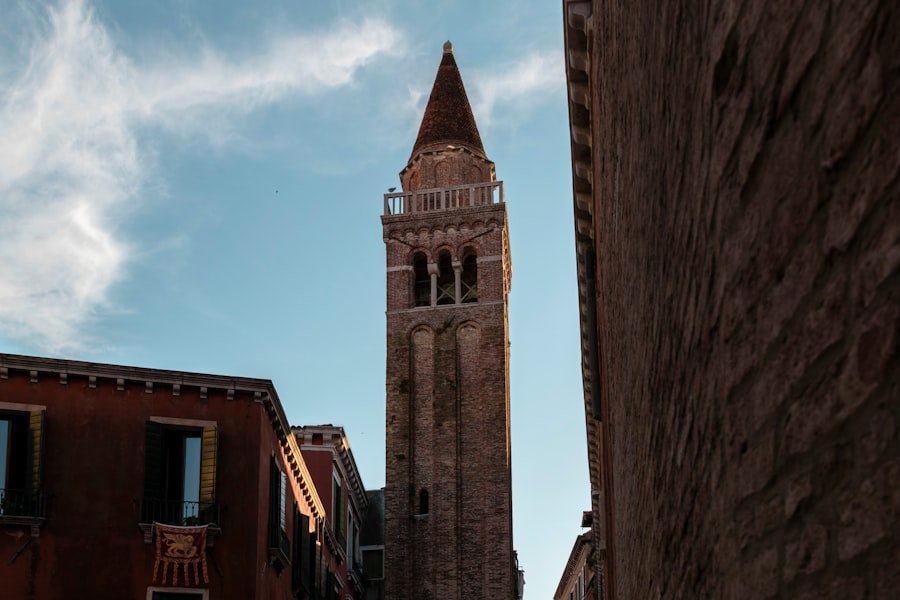
For a three-day stay, location matters more than having a large hotel far from the center. Staying inside the walls or immediately beside the historic center lets you walk to most attractions early in the morning and return easily after dinner.
Hotel Athena
Hotel Athena is inside Siena’s historic walls and promotes a location about a ten-minute walk from the main sights. Verified amenities include a panoramic terrace, restaurant and free parking for eligible direct bookings. It is useful for travelers who want to combine central sightseeing with car access.
Palazzo Ravizza
Palazzo Ravizza is a historic property inside the center with a garden, views toward the Sienese hills and private on-site parking. Its official site places Piazza del Campo about 600 meters away and the Duomo about 500 meters away.
NH Siena
NH Siena sits at Piazza La Lizza on the edge of the central sightseeing area. The hotel lists Piazza del Campo and the Duomo at roughly a ten-minute walk and also offers a gym and other modern hotel facilities.
Budget Accommodation
Budget travelers can save by comparing guesthouses, simple hotels and hostels outside the most expensive historic streets. Check the exact walking distance and local bus access before booking: accommodation described as being “in Siena” can still be well outside the walkable center.
Practical Tips for Visiting Siena
Wear Shoes With Grip
Siena’s stone lanes, stairs and steep slopes make supportive walking shoes more important than they might appear on a map. A three-day visit can involve many hours on foot even though the major sights are close together.
Do Not Expect a Universal “Siesta” Schedule
Restaurants and small businesses keep their own hours. Many restaurants serve lunch, close between services and reopen for dinner; others close one day each week. Check the official schedule of any restaurant that matters to you instead of assuming a standard “siesta” period.
Book the Most Important Sights First
Torre del Mangia has limited-capacity ascent slots, and popular Duomo experiences can become busy during peak periods. Reserve or buy tickets early when possible, especially in summer, during the Cathedral floor-uncovering period and around Palio dates.
Expect Special Conditions During the Palio
The Palio transforms central Siena. Hotels book early, traffic restrictions increase and Piazza del Campo access changes. If your main goal is general sightseeing rather than the event itself, consider choosing dates outside the immediate Palio period.
Consider Accessibility Before Building Your Route
Santa Maria della Scala has elevators and an accessible museum route, while Torre del Mangia has no elevator. The Duomo itself has a dedicated access ramp, although not every part of the wider cathedral museum complex offers the same level of accessibility. Siena’s steep streets can also add effort between attractions.
Best Time to Visit
Siena can be visited year-round. Spring and early autumn are especially comfortable for long walking days, while summer offers major events but also more heat and visitors. Autumn brings milder conditions and seasonal food and wine experiences in the surrounding countryside.
Siena’s Charm for First Timers
Siena works particularly well for first-time visitors because its biggest attractions are concentrated in a compact historic center but still feel different from one another. Piazza del Campo tells the story of civic Siena; the Duomo complex shows its religious and artistic ambition; San Domenico connects the city to Saint Catherine; and the contrade reveal traditions that remain part of everyday community life.
Three days also give you room to enjoy Siena beyond a checklist. You can sit down for pici instead of eating every meal on the move, spend an hour in a garden, return to Piazza del Campo after the day-trippers leave, or walk through residential contrada streets without racing toward another ticketed attraction.
If you want portable food between sights, choose local specialties from bakeries and food shops rather than building your itinerary around unrelated recipes or snacks. Ricciarelli, panforte, pecorino and simple sandwiches are more connected to the experience of Siena and easy to fit around museum visits.
By combining the headline monuments with quieter neighborhoods, local food and realistic logistics, a Siena 3 day itinerary becomes more than a collection of famous sights. It gives you enough time to understand why the city’s medieval plan, art, contrade and traditions have remained so distinctive.
Sources
- UNESCO World Heritage Centre — Historic Centre of Siena — UNESCO status, historic urban character and inscription details.
- Comune di Siena — Torre del Mangia — staircase, access restrictions and tower information.
- Opera della Metropolitana di Siena — Visit Information — Cathedral complex, OPA SI PASS, 2026 prices, hours and floor-uncovering periods.
- Santa Maria della Scala — Plan Your Visit — museum hours, admission and accessibility.
- Comune di Siena — Il Palio — official Palio dates, programs and visitor information.
- Visit Siena Official — Tourist Information — train-station distance, walking and local transport guidance.
Frequently Asked Questions
What is Siena known for?
Siena is known for its well-preserved medieval historic center, Piazza del Campo, Siena Cathedral, Gothic architecture, contrada neighborhoods and the Palio horse race. UNESCO inscribed the Historic Centre of Siena on the World Heritage List in 1995.
What are the must-see attractions in Siena?
For a first visit, prioritize Piazza del Campo, Palazzo Pubblico and Museo Civico, Torre del Mangia, Siena Cathedral and the Piccolomini Library. With more time, add Santa Maria della Scala, Museo dell’Opera, Basilica di San Domenico, Orto de’ Pecci and the Fortezza Medicea.
How many days should I spend in Siena as a first-timer?
Two days are enough for the headline attractions, but three days are better if you want museums, slower meals, gardens and local neighborhoods without rushing. A third day can also be swapped for a Chianti or Tuscan countryside excursion.
What should I do during a three-day Siena itinerary?
Spend Day 1 around Piazza del Campo and the Duomo complex. Use Day 2 for San Domenico, Santa Maria della Scala, Museo dell’Opera and Orto de’ Pecci. On Day 3, explore local food, contrada culture and the Fortezza Medicea, or take a countryside day trip.
What is the best time of year to visit Siena?
Siena is a year-round destination, but April through June and September through October are good choices for comfortable walking weather. July and August are busier and hotter, but they include the traditional Palio periods.
Can I attend the Palio during any visit to Siena?
No. The ordinary Palio races are traditionally scheduled for July 2 and August 16, and weather or safety conditions can postpone the actual race. If your trip does not overlap those dates, you can still learn about Siena’s contrade and Palio traditions throughout the year.
Do I need a car in Siena?
No car is needed for central Siena. Walking is usually the best way to explore the historic center. If you arrive by car, use an appropriate parking facility and pay close attention to ZTL restrictions. A car becomes more useful for independent trips into the Tuscan countryside.
Which Siena attraction pass should I buy?
There is no single universal pass covering every major attraction. The OPA SI PASS covers the Duomo complex, while Siena’s municipal museums have separate single and combined tickets for Museo Civico, Torre del Mangia and Santa Maria della Scala. Choose based on the sights in your itinerary.