When preparing for a trip, the selection of clothing is paramount, as it directly influences comfort, style, and adaptability to various environments. The first consideration should be the climate of the destination. For instance, if traveling to a tropical locale, lightweight fabrics such as cotton and linen are ideal due to their breathability and moisture-wicking properties.
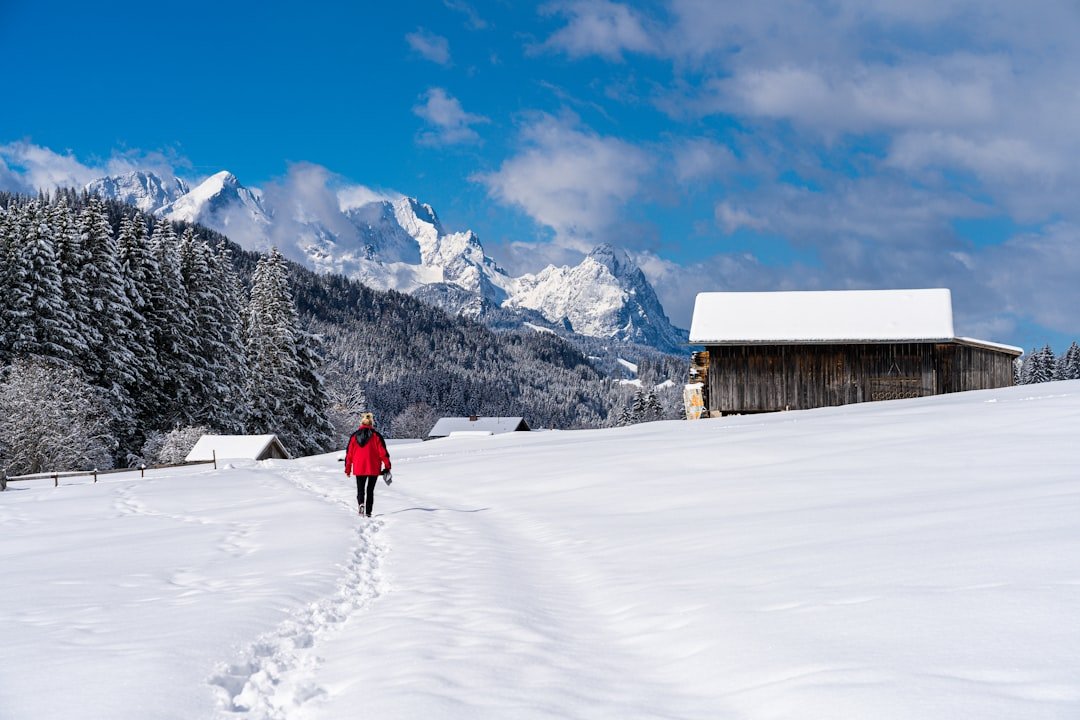
Conversely, if the journey leads to a colder region, layering becomes essential. A base layer made of thermal materials can trap heat, while a mid-layer, such as a fleece or wool sweater, provides additional insulation. An outer layer, typically a waterproof and windproof jacket, is crucial for protection against the elements.
In addition to climate considerations, the activities planned during the trip should inform clothing choices. For example, if hiking is on the itinerary, durable and flexible clothing designed for outdoor activities is necessary. Quick-drying pants and moisture-wicking shirts can enhance comfort during physical exertion.
On the other hand, if attending formal events or dining at upscale restaurants, packing a few dressier outfits is advisable. Versatile pieces that can be mixed and matched not only save space but also allow for a variety of looks without overpacking. Accessories like scarves or ties can elevate an outfit without taking up much room in a suitcase.
Key Takeaways
- Pack versatile clothing items that can be layered for warmth and easily mix and match for different outfits.
- Choose comfortable and durable footwear suitable for walking and outdoor activities.
- Bring essential accessories such as sunglasses, hats, and scarves for sun protection and warmth.
- Pack travel-sized toiletries and medications to cover basic hygiene and health needs.
- Don’t forget to pack appropriate winter sports gear such as gloves, goggles, and thermal layers for outdoor activities.
- Bring necessary electronics like chargers, adapters, and power banks for staying connected and powered up.
- Pack essential medications and a small first aid kit for any unexpected health issues.
- Keep important travel documents such as passports, visas, and travel insurance in a secure and easily accessible place.
- Carry snacks and a refillable water bottle to stay hydrated and energized during travel.
- Bring local currency, credit/debit cards, and important banking information for financial needs while traveling.
- Pack an emergency kit with items like a flashlight, whistle, and emergency contact information for unexpected situations.
Footwear
Footwear is another critical component of travel preparation, as the right shoes can make or break an experience. The choice of footwear should align with the planned activities and terrain. For urban exploration, comfortable walking shoes or sneakers are essential.
They should provide adequate support for long days spent on foot while also being stylish enough to transition from day to night. Brands like Merrell or New Balance offer options that combine comfort with aesthetic appeal, making them suitable for various settings. For those venturing into nature or engaging in outdoor sports, specialized footwear is necessary.
Hiking boots with good ankle support and rugged soles are vital for traversing uneven terrain. Waterproof options are particularly beneficial in wet conditions, ensuring that feet remain dry and comfortable. Additionally, packing a pair of sandals or flip-flops can be advantageous for relaxing at the beach or using communal showers in hostels.
The key is to ensure that all footwear is broken in before the trip to prevent blisters and discomfort.
Accessories

Accessories play a significant role in enhancing both functionality and style during travel. A well-chosen hat can provide protection from the sun while also serving as a fashionable statement piece. Wide-brimmed hats are particularly effective in shielding the face and neck from harmful UV rays, making them essential for beach vacations or outdoor excursions.
Additionally, sunglasses with UV protection are crucial for eye health and comfort in bright conditions. Another important accessory is a versatile bag or backpack. A daypack can be invaluable for carrying essentials during excursions, while a larger suitcase or duffel bag is necessary for transporting belongings to and from the destination.
Packing cubes can help organize clothing within larger bags, making it easier to find items without rummaging through everything. Furthermore, a travel wallet that keeps passports, tickets, and other important documents secure and accessible is essential for smooth navigation through airports and other transit points.
Toiletries
| Product | Quantity | Price |
|---|---|---|
| Shampoo | 200 ml | 5.99 |
| Toothpaste | 150 g | 3.49 |
| Soap | 100 g | 1.99 |
Toiletries are often overlooked in travel preparations but are vital for maintaining personal hygiene and comfort during a trip. A well-thought-out toiletry kit should include all necessary items while adhering to airline regulations regarding liquids if flying. Travel-sized containers of shampoo, conditioner, body wash, and toothpaste can help save space while ensuring that personal care needs are met.
Many travelers opt for solid toiletries, such as shampoo bars or soap bars, which eliminate the need for liquid containers altogether. In addition to basic hygiene products, it’s wise to consider specific needs based on the destination or personal preferences. For instance, sunscreen is essential for any trip involving sun exposure, while insect repellent may be necessary for areas prone to mosquitoes or ticks.
A small first-aid kit containing band-aids, antiseptic wipes, and pain relievers can also be beneficial for minor injuries or ailments that may arise during travel.
Winter sports gear
For those planning a winter sports getaway, packing the appropriate gear is crucial for both safety and enjoyment on the slopes. Skiing or snowboarding requires specialized equipment that can significantly enhance performance and comfort. Essential items include skis or a snowboard, boots designed specifically for each sport, and poles for skiers.
Many resorts offer rental options for these items; however, having personal gear can ensure a better fit and familiarity with equipment. In addition to the primary gear, layering is vital when dressing for winter sports. A moisture-wicking base layer helps regulate body temperature by drawing sweat away from the skin.
An insulating mid-layer provides warmth without bulk, while an outer shell protects against wind and snow. Accessories such as gloves or mittens designed for cold weather are essential to keep hands warm and functional. Goggles are also important for protecting eyes from glare and snow while providing clear visibility on the slopes.
Electronics

Staying Powered Up
Ensuring that devices are charged and ready for use is crucial. Packing portable chargers or power banks can be a lifesaver during long days of exploration.
Adapting to Foreign Electrical Systems
Travelers should also consider the need for adapters and converters when visiting countries with different electrical systems. Researching the voltage requirements of devices can prevent damage from incompatible outlets. Laptops or tablets may also be included in the packing list for those who need to work remotely or wish to stream entertainment during downtime.
Finding a Balance
However, it’s important to balance the desire for connectivity with the need to disconnect and fully immerse oneself in the travel experience.
Medications
When traveling, it’s crucial to consider health needs and potential medical emergencies that may arise during the trip. Packing a sufficient supply of prescription medications is essential; travelers should ensure they have enough to last throughout their journey plus a few extra days in case of delays. It’s advisable to keep medications in their original packaging with clear labels to avoid issues at customs or during security checks.
In addition to prescription medications, over-the-counter remedies can be beneficial for common ailments that may occur while traveling. Pain relievers like ibuprofen or acetaminophen can alleviate headaches or muscle soreness after long days of activity. Antihistamines may be necessary for those prone to allergies triggered by new environments or foods.
Furthermore, travelers should consider packing any specific medications required for their destination, such as malaria prophylaxis when visiting certain tropical regions.
Travel documents
Travel documents are perhaps the most critical aspect of any trip; without them, travel plans can quickly unravel. A valid passport is essential for international travel; ensuring it has not expired and meets entry requirements of the destination country is crucial. Some countries require visas for entry; therefore, researching visa requirements well in advance can prevent last-minute complications.
In addition to passports and visas, keeping copies of important documents is wise. Digital copies stored securely on cloud services can provide easy access if physical copies are lost or stolen. Travel insurance documents should also be included in this category; having insurance can provide peace of mind against unforeseen circumstances such as trip cancellations or medical emergencies abroad.
Snacks and water
Maintaining energy levels during travel is vital, especially when navigating long flights or road trips where food options may be limited. Packing healthy snacks such as nuts, granola bars, or dried fruit can provide quick energy boosts without resorting to unhealthy airport food options. These snacks are not only convenient but also help avoid hunger-induced irritability during long waits or delays.
Staying hydrated is equally important; carrying a reusable water bottle can help travelers meet their hydration needs while reducing plastic waste. Many airports now have water refill stations that allow travelers to fill up before boarding flights. In some destinations where tap water may not be safe to drink, having a portable water filter or purification tablets can ensure access to clean drinking water throughout the trip.
Money and banking essentials
Managing finances while traveling requires careful planning to ensure access to funds without incurring excessive fees or risks associated with carrying large amounts of cash. It’s advisable to have multiple forms of payment available; this could include credit cards with no foreign transaction fees and some local currency for small purchases or tips where cards may not be accepted. Informing banks about travel plans can prevent cards from being flagged for suspicious activity when used abroad.
Additionally, using ATMs that belong to one’s bank network can minimize withdrawal fees while providing access to local currency at competitive exchange rates. Keeping cash in various locations—such as a money belt under clothing and a secure pocket—can mitigate risks associated with theft or loss.
Emergency kit
An emergency kit is an often-overlooked aspect of travel preparation but can prove invaluable in unexpected situations. This kit should include basic first-aid supplies such as adhesive bandages, antiseptic wipes, gauze pads, and medical tape to address minor injuries promptly. Additionally, including items like safety pins and tweezers can assist in various situations beyond just first aid.
Beyond medical supplies, an emergency kit should also contain essential tools such as a flashlight with extra batteries and a multi-tool that includes functions like scissors and screwdrivers. A whistle can be useful in signaling for help if lost in remote areas. Finally, including a list of emergency contacts—both local emergency services numbers and personal contacts back home—can facilitate communication during crises.
By carefully considering each aspect of travel preparation—from clothing choices to emergency kits—travelers can enhance their experiences while minimizing potential challenges along the way. Each element plays a vital role in ensuring that adventures unfold smoothly and enjoyably.
If you’re planning a trip to Switzerland in winter, you’ll want to make sure you pack appropriately for the cold weather. From warm layers to sturdy boots, there are several essentials you won’t want to forget. For some helpful tips on what to pack, check out this article on delicious homemade cottage cheese for a nutritious snack option to keep you fueled during your winter adventures.
FAQs
What should I pack for Switzerland in winter?
In Switzerland during winter, it is important to pack warm clothing such as thermal layers, a waterproof jacket, insulated boots, gloves, and a hat.
Do I need to pack snow gear for Switzerland in winter?
Yes, it is advisable to pack snow gear such as snow pants, a snow jacket, and snow boots if you plan on participating in winter sports or spending time in the snow.
Should I pack sunscreen for Switzerland in winter?
Yes, it is important to pack sunscreen for Switzerland in winter as the sun’s rays can still be strong, especially when reflecting off the snow.
What type of footwear should I pack for Switzerland in winter?
It is recommended to pack insulated and waterproof boots for Switzerland in winter to keep your feet warm and dry in the snow and cold temperatures.
Should I pack a universal adapter for Switzerland in winter?
Yes, it is advisable to pack a universal adapter for Switzerland in winter as the country uses the standard European plug with two round prongs.