Choosing the best area to stay in London near the West End can change how much of your trip you spend walking, using the Tube, or dealing with late-night noise. The West End brings together theatres, shopping streets, restaurants, nightlife, and several distinct central London neighborhoods. The right base depends on whether you value shows, nightlife, luxury, quieter streets, or transport most.
Quick Answer
For most first-time visitors, Covent Garden is the best all-round area near the West End because you can walk to many theatres, restaurants, Trafalgar Square, and Soho. Choose Soho for nightlife, Mayfair for luxury, Fitzrovia for a central but calmer base, and Marylebone for a quieter neighborhood feel with easy West End access.
Key Takeaways
- The West End is a broad entertainment and shopping district, not a single neighborhood or Tube stop.
- Covent Garden puts theatres, dining, shopping, and major central sights close together, but it can be crowded.
- Soho offers the liveliest nightlife and late dining, with more risk of street noise at night.
- Mayfair suits luxury-focused trips, while Fitzrovia and Marylebone offer a calmer atmosphere without moving far from the West End.
- Check the hotel’s exact street and nearest station rather than relying only on a “West End” address.
Theatres and Entertainment in the West End
The West End is London’s main commercial theatre district, with dozens of venues concentrated around Covent Garden, Leicester Square, Soho, the Strand, and Shaftesbury Avenue. Staying nearby is especially useful if theatre is central to your trip because you can often walk back to your hotel after an evening performance.
The district includes historic venues such as the Lyceum Theatre, Theatre Royal Drury Lane, His Majesty’s Theatre, and the Sondheim Theatre. Long-running productions such as The Phantom of the Opera, Les Misérables, and The Lion King are part of the area’s theatre identity. The Official London Theatre West End guide provides current venue and production information.
Covent Garden also contains the Royal Opera House, home of the Royal Ballet and Opera. Across the Thames on the South Bank, the National Theatre adds another major performance venue, although it sits outside the traditional West End theatre district.
The main practical advantage of staying close to Theatreland is what happens after the curtain falls. You can have dinner before a show, walk to the venue, and return on foot instead of planning a late journey across London. That convenience matters even more if you intend to see several productions during a short stay.
Shopping and Dining in the West End
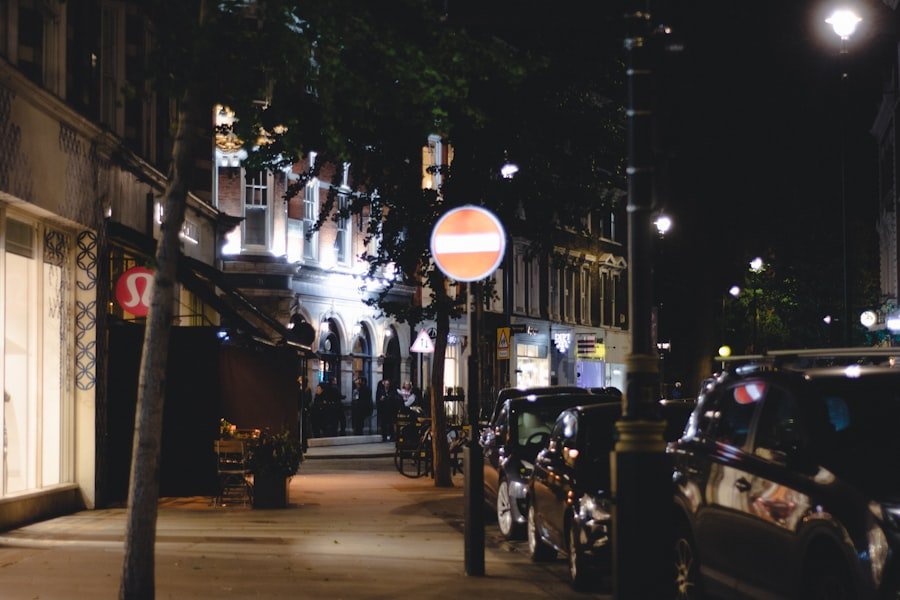
The West End is also one of London’s major shopping and dining areas. Oxford Street, Regent Street, Bond Street, Carnaby, Soho, and Covent Garden cover everything from large department stores and high-street fashion to luxury boutiques and independent shops.
Oxford Street includes major retailers and Selfridges, while Regent Street is known for its grand architecture and flagship stores. Bond Street and neighboring Mayfair concentrate more heavily on designer fashion, jewellery, galleries, and luxury brands.
Dining changes noticeably from one neighborhood to another. Soho has one of the broadest mixes of restaurants, bars, pubs, late-night venues, and international cuisines. Covent Garden combines restaurants with pre-theatre dining, cafes, market food, and bars around the Piazza and surrounding streets.
Mayfair shifts toward fine dining and luxury hotel restaurants, while Fitzrovia and Marylebone provide strong restaurant choices in streets that generally feel less dominated by visitors. If food is a major part of your trip, the neighborhood can matter almost as much as the hotel itself.
Accommodation Options in the West End
Accommodation around the West End ranges from landmark five-star hotels to compact central rooms, chain hotels, boutique properties, and serviced apartments. The most expensive address is not automatically the most convenient one, so match the hotel to the streets and attractions you expect to use most.
Luxury choices include The Savoy on the Strand and The Ritz London in Mayfair. The Dorchester and Claridge’s are other established Mayfair options. These hotels combine central locations with full-service restaurants, bars, concierge services, and larger public spaces.
Travelers who want to spend less can look at chains such as Premier Inn and Travelodge, smaller independent properties, or compact hotels around Covent Garden, Soho, Holborn, and Fitzrovia. Room size can vary greatly in central London, so check the stated room dimensions and whether the room has a window before booking.
Serviced apartments can make sense for families, longer stays, or anyone who wants kitchen facilities. They also provide an alternative when several hotel rooms would otherwise be needed. Whatever accommodation type you choose, compare its exact address with the theatres, stations, and attractions on your itinerary.
Best Areas to Stay Near the West End
The best area to stay in London near the West End depends on the atmosphere you want after sightseeing ends. Covent Garden keeps you closest to Theatreland, Soho puts nightlife outside your door, Mayfair focuses on luxury, Fitzrovia feels calmer while remaining very central, and Marylebone provides more of a neighborhood atmosphere.
| Area | Best for | Useful stations | Main trade-off |
|---|---|---|---|
| Covent Garden | First visits, theatre, walking | Covent Garden, Leicester Square, Charing Cross | Crowds and premium central rates |
| Soho | Nightlife, dining, late evenings | Piccadilly Circus, Leicester Square, Tottenham Court Road | More nighttime street noise |
| Mayfair | Luxury hotels, designer shopping, fine dining | Green Park, Bond Street | Generally expensive |
| Fitzrovia | Central location with a calmer feel | Tottenham Court Road, Goodge Street | Longer walk to some theatres |
| Marylebone | Couples, families, quieter stays | Bond Street, Baker Street | Farther from the Theatreland core |
Do not choose by neighborhood name alone. A hotel on the edge of Soho may be closer to Tottenham Court Road than Piccadilly Circus, while a southern Marylebone hotel can be much closer to Oxford Street and Mayfair than the name suggests.
Covent Garden: Best for Theatre and First-Time Visitors
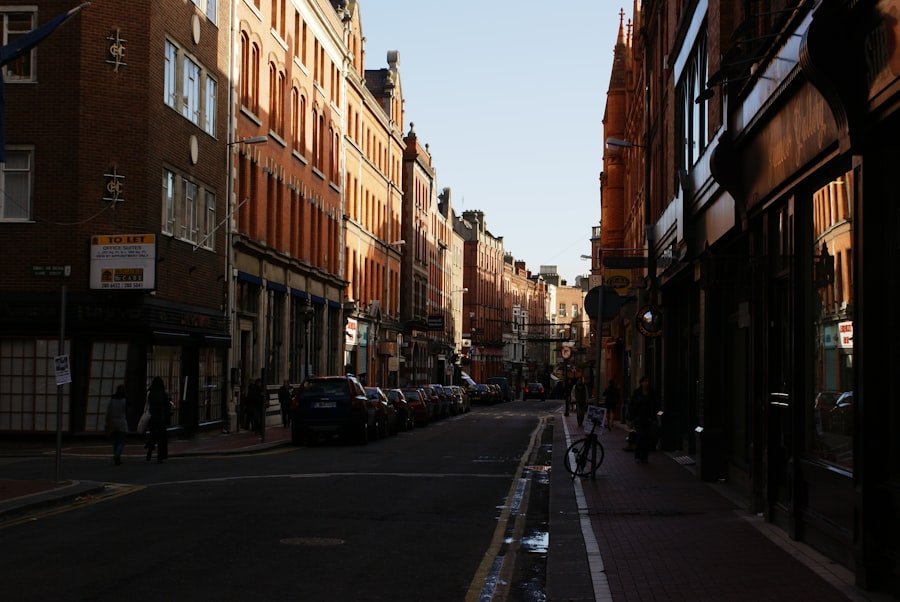
Covent Garden is the strongest all-round choice if you want theatres, restaurants, shopping, street entertainment, and central sightseeing within a compact area. It is particularly convenient for a short first trip or a theatre-focused weekend.
The neighborhood centers on the historic Piazza and Market Building. The Visit London Covent Garden guide highlights its market, theatres, Royal Opera House, restaurants, shops, and long-running street-performance tradition.
Covent Garden also puts you close to Leicester Square, Trafalgar Square, the Strand, Seven Dials, and the National Gallery. That concentration of sights can reduce how often you need public transport during a short stay.
Getting Around From Covent Garden
Covent Garden Underground station is on the Piccadilly line and uses lifts between the ticket hall and platforms. Transport for London’s Covent Garden station page provides current service and accessibility information.
Depending on your hotel, Leicester Square, Charing Cross, Holborn, or Tottenham Court Road may also be practical. This is worth checking before booking, especially if you will arrive with luggage or need step-free travel.
Choose Covent Garden if: you want a highly walkable first visit, plan to attend several shows, or prefer having restaurants and attractions close to your hotel. Consider another area if late-evening crowds or the most central hotel prices are major concerns.
Soho: Best for Nightlife and Dining
Soho is the better fit if restaurants, bars, live music, late nights, and a busy street atmosphere are central to your trip. It sits at the heart of the West End and keeps Chinatown, Leicester Square, Carnaby, Regent Street, and Theatreland within easy reach.
The official Visit London Soho and Chinatown guide describes the area’s mix of theatres, restaurants, nightlife, independent shops, flagship stores, and LGBTQ+ venues. That variety makes Soho one of the most active parts of central London after dark.
The same energy is its main drawback. Hotels above or beside busy restaurants, pubs, and late-night streets may hear more outside noise than properties in Fitzrovia or Marylebone. If you are a light sleeper, the exact street and room position matter.
Soho is also useful for transport. Depending on the side of the neighborhood, you can use Leicester Square, Piccadilly Circus, Oxford Circus, or Tottenham Court Road.
Choose Soho if: you want to walk out of your hotel into nightlife and dining. If quiet sleep matters more than late-night convenience, look just north toward Fitzrovia or consider Marylebone.
Mayfair: Best for Luxury Hotels and Shopping
Mayfair suits travelers who want luxury accommodation, designer shopping, polished restaurants, and an elegant central address. It sits between Hyde Park, Oxford Street, Soho, St James’s, and Piccadilly, making it central without sharing Soho’s concentrated nightlife scene.
The Visit London Mayfair and St James’s guide highlights Bond Street, historic squares, galleries, luxury shopping, restaurants, and the area’s position beside Hyde Park and Soho.
Hotels include The Dorchester, Claridge’s, and The Ritz London. Bond Street is a major destination for designer boutiques, while nearby Savile Row is associated with bespoke tailoring.
Dining is another reason to stay here. Alain Ducasse at The Dorchester remains among the restaurants awarded three Michelin stars in the Michelin Guide Great Britain and Ireland 2026.
Choose Mayfair if: hotel service, luxury shopping, fine dining, and a prestigious central address matter more than finding the lowest accommodation rate. For a livelier late-night scene, Soho is closer to the action.
Fitzrovia: A Calmer Central Alternative
Fitzrovia is a useful compromise if you want to remain near Soho and Oxford Street without sleeping in the busiest nightlife streets. The neighborhood mixes restaurants, cafes, offices, historic buildings, and quieter side streets north of the main West End core.
Its location is especially practical around Tottenham Court Road. Transport for London lists Tottenham Court Road on the Central, Northern, and Elizabeth lines, giving this side of the West End strong connections across London.
Fitzrovia has a long association with writers, artists, and creative industries. Today, streets such as Charlotte Street are known for restaurants and cafes, while Oxford Street, Soho, the British Museum, and Regent’s Park remain accessible from the area.
The trade-off is that you may walk farther to theatres around Covent Garden and Leicester Square than you would from Soho itself. For many travelers, that modest extra distance is worthwhile for a less intense nighttime atmosphere.
Choose Fitzrovia if: you want a central location, useful transport, restaurants, and relatively calmer evenings while remaining close to Soho and the West End.
Marylebone: Best for a Quieter Neighborhood Feel
Marylebone is a strong choice for travelers who want central London without making Theatreland or nightlife the center of every evening. Its Georgian streets, independent shops, cafes, restaurants, and access to Regent’s Park create a more residential feel than Soho or Leicester Square.
The Visit London Marylebone guide highlights attractions including the Wallace Collection, Madame Tussauds, the Sherlock Holmes Museum, independent shops, restaurants, and nearby green spaces.
Marylebone High Street is one of the neighborhood’s main draws, while Baker Street provides easy access to the Sherlock Holmes Museum and transport connections. The southern edge of Marylebone also reaches Oxford Street and sits close to Mayfair.
Because Marylebone covers a fairly broad area, your hotel’s exact position matters. A property near Bond Street feels much closer to the West End than one farther north around Marylebone station.
Choose Marylebone if: you prefer quieter evenings, independent shops, cafes, and a neighborhood atmosphere while keeping the West End within walking or short public-transport distance.
Choosing the Right Area to Stay Near the West End
The simplest way to choose is to decide what you want immediately outside your hotel after 9 p.m. If you want theatres and central sights, start with Covent Garden. If you want bars, restaurants, and nightlife, look at Soho. Mayfair fits a luxury trip, Fitzrovia balances location with calmer streets, and Marylebone suits travelers who want a quieter neighborhood base.
Before booking, compare the exact street with your most important theatre, attraction, or station. In central London, two hotels marketed under the same neighborhood name can offer noticeably different experiences once walking distance and nighttime noise are considered.
Frequently Asked Questions
What is the West End in London?
The West End is central London’s main theatre, entertainment and shopping district. It includes areas such as Soho, Covent Garden, Mayfair and parts around Leicester Square, Piccadilly Circus, Oxford Street and Regent Street. Its boundaries are not rigid, so hotel listings may use “West End” for slightly different nearby locations.
What are the benefits of staying near the West End in London?
Staying near the West End puts many theatres, restaurants, shops and central sights within walking distance, which is especially useful after an evening show. You also have several Underground stations nearby. The trade-offs are higher hotel prices in prime locations, smaller rooms in some properties, and more street noise around Soho and Leicester Square.
Which neighborhoods are considered the best areas to stay near the West End in London?
Covent Garden, Soho, Mayfair, Fitzrovia and Marylebone are all practical choices, but they suit different trips. Covent Garden is the most balanced for theatre and sightseeing, Soho favors nightlife, Mayfair emphasizes luxury, Fitzrovia is calmer while staying central, and Marylebone offers a more relaxed neighborhood feel.
What are some of the top attractions near the West End in London?
Major attractions around the West End include Covent Garden, Trafalgar Square, the National Gallery, Leicester Square, Piccadilly Circus, Oxford Street and Regent Street. The British Museum is just to the northeast, while the Royal Opera House and many West End theatres are clustered around Covent Garden and Soho.
Is it easy to get around the West End in London?
Yes. The West End is highly walkable, and stations such as Leicester Square, Piccadilly Circus, Tottenham Court Road, Oxford Circus and Covent Garden serve different parts of the district. Choose your hotel by the station and attractions you will actually use, because “West End” covers a broader area than a single transport stop.
Is Soho noisy at night?
Soho can be noisy at night, especially on streets lined with pubs, bars and late-night restaurants. Light sleepers may prefer Fitzrovia, Marylebone, or a quieter side street in Covent Garden. If you still want Soho, ask the hotel about a rear-facing or higher-floor room before booking.
If you are comparing other parts of the capital as well as the West End, you can also read Tagline Today’s guide to London neighborhoods for tourists.
Sources
- Official London Theatre: West End theatre venues and Theatreland context.
- Visit London: Covent Garden: Covent Garden attractions, theatre, shopping, dining, and street performers.
- Transport for London: Covent Garden station: Piccadilly line and station facilities.
- Visit London: Soho and Chinatown: Soho dining, nightlife, shopping, theatres, and cultural attractions.
- Visit London: Mayfair and St James’s: Mayfair location, shopping, dining, and attractions.
- Visit London: Marylebone: Marylebone attractions, shopping, restaurants, and neighborhood character.
- Transport for London: Tottenham Court Road station: Central, Northern, and Elizabeth line connections.
- Michelin Guide Great Britain and Ireland 2026: Current three-star status of Alain Ducasse at The Dorchester.