Best Day Trips From Bisbee, Arizona
Last updated: May 23, 2026
From Bisbee, you can take easy day trips that feel like small escapes without wasting the whole day in the car. Walk Tombstone’s wooden boardwalks, tour the protected limestone rooms at Kartchner Caverns, hike among Chiricahua rock spires, watch birds near Patagonia and Sonoita, follow borderlands history through Douglas and the San Pedro Valley, or take a short scenic drive through Mule Mountain and Warren. Pack water, sun protection, sturdy shoes, and an offline map before you leave.
Quick answer: The best day trips from Bisbee are Tombstone for Old West history, Kartchner Caverns for a guided cave tour, Chiricahua National Monument for hiking, Patagonia and Sonoita for birding and wine tasting, Douglas and the San Pedro Valley for borderlands history and riparian wildlife, and Mule Mountain with Warren for a short scenic mining-history drive.
Best Day Trips From Bisbee at a Glance
Use this table to choose the right trip for your time, energy level, and travel style. Drive times are approximate and can change with traffic, road work, weather, and stops.
| Day Trip | Best For | Approx. One-Way Drive From Bisbee | Main Planning Tip |
|---|---|---|---|
| Tombstone | Old West history, boardwalks, museums | About 30 to 35 minutes | Arrive early on weekends |
| Kartchner Caverns State Park | Guided cave tour, geology, family travel | About 1 hour | Book cave tours ahead |
| Chiricahua National Monument | Hiking, rock spires, scenic viewpoints | About 2 hours | Check trail and weather conditions |
| Patagonia and Sonoita | Birding, vineyards, relaxed drives | About 1.5 to 2 hours | Bird early, taste wine later |
| Douglas and San Pedro Valley | Borderlands history, birding, river habitat | About 30 to 60 minutes, depending on stop | Do not treat it as one compact stop |
| Mule Mountain and Warren | Short scenic drive, mining history, views | About 10 to 20 minutes | Respect private property and fenced areas |
Tombstone: Step Into Old West History
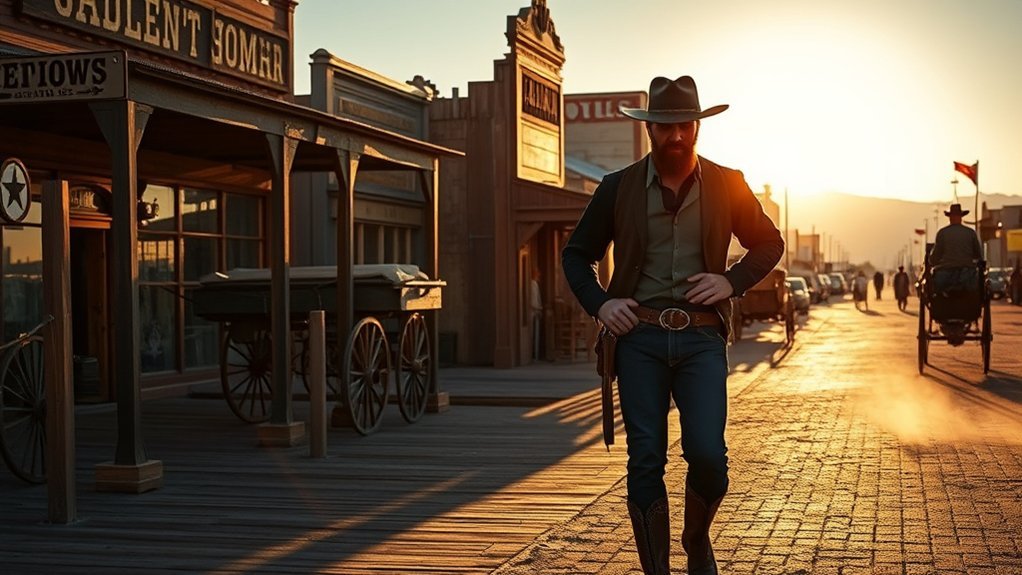
If you want an easy history-focused day trip from Bisbee, head north to Tombstone. The town’s wooden boardwalks, saloons, museums, and staged gunfight attractions bring 1880s Arizona into a walkable visitor district. Start around Allen Street, then visit the O.K. Corral area, the Tombstone Courthouse State Historic Park, and small shops selling Western prints, leather goods, and souvenirs.
Use this stop for context, not just photos. Tombstone’s silver boom, lawmen, newspapers, saloons, and courtrooms shaped its reputation as one of Arizona’s best-known frontier towns. If you want the strongest history experience, pair the show-style attractions with museum time so the visit does not feel like a costume set only.
Practical tip: weekend crowds can make the main streets and parking areas busier. The official O.K. Corral visitor information notes nearby parking and site rules, including no weapons or pets inside the attraction, so check current details before you go: O.K. Corral visitor information.
Kartchner Caverns State Park: Guided Limestone Cave Tours
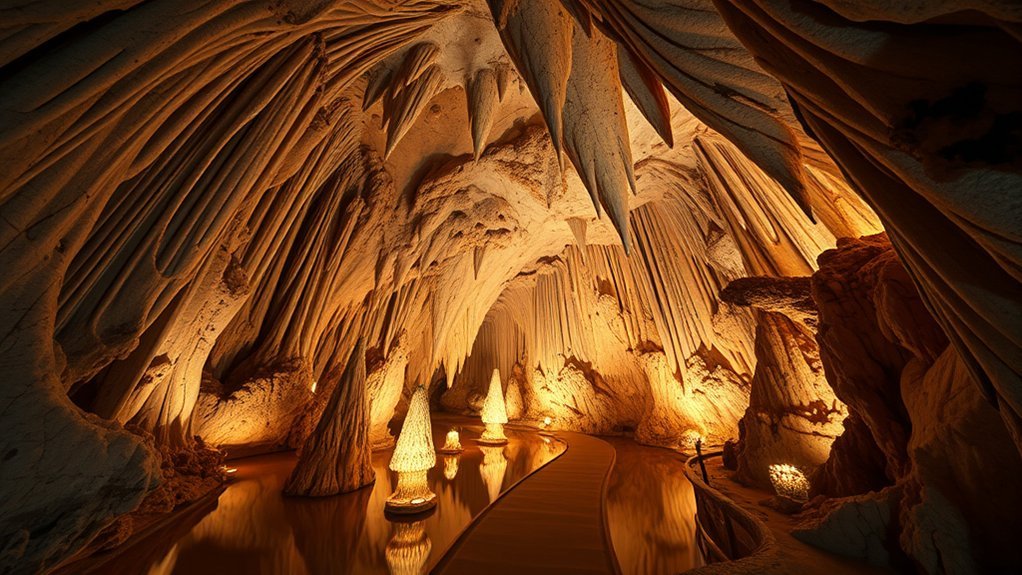
For a cooler and more controlled nature trip, drive from Bisbee to Kartchner Caverns State Park. This is not a casual cave you enter on your own. You need a guided tour, and the park regulates access to protect the living cave environment.
Book Kartchner Caverns before you drive there. Same-day plans can fail when tour slots fill or seasonal tour options change.
Inside the cave, guides explain how limestone formations grow and why visitors must follow strict no-touch rules. You may see stalactites, soda straws, flowstone, and other formations under controlled lighting. The surface area also has a visitor center, picnic areas, and trails, so you can make the stop longer if your tour time leaves room.
Arizona State Parks recommends checking current cave tour details, reservation rules, and conservation guidance before you visit: Kartchner Caverns cave tour information.
- Book your guided tour in advance.
- Bring a light layer because the cave feels different from the desert outside.
- Wear closed-toe shoes for the tour route and surface paths.
- Follow all no-touch, camera, and phone rules inside the cave.
- Do not wear or bring items from other cave or mine visits if the park’s current bat-protection guidance tells you not to.
Chiricahua National Monument: Rock Spires and Scenic Hikes
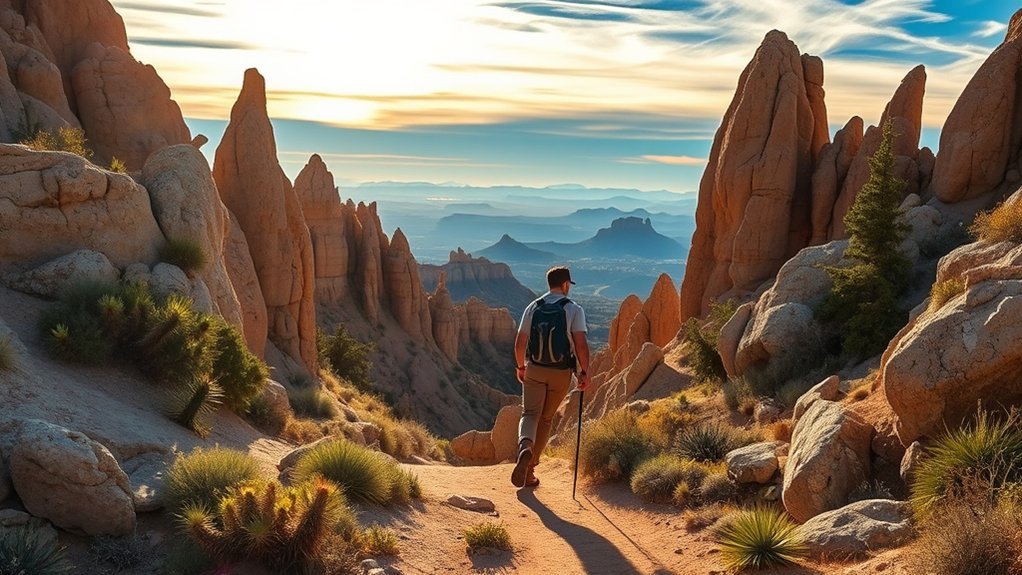
Chiricahua National Monument is the longest day trip in this guide, but it can also be the most memorable if you like hiking and geology. The monument protects a landscape of rhyolite pinnacles, balanced rocks, narrow passages, and high viewpoints. The National Park Service describes an 8-mile paved scenic drive to Massai Point and a trail system with options from easy walks to strenuous hikes: Chiricahua scenic drive information.
Give this trip a full day. Start early, bring more water than you think you need, and check road, trail, and weather conditions before leaving Bisbee. Summer heat, monsoon storms, and higher-elevation temperature changes can affect your plans.
Iconic Rock Spires
The rock formations at Chiricahua look dramatic because volcanic rock has been shaped over time by erosion, weathering, and water movement. You will see pinnacles, fins, hoodoos, and balancing rocks from viewpoints and trail corridors. Early or late light gives the formations stronger shadows and better photo conditions.
Bring layered clothing because the elevation can feel cooler than Bisbee. Wear sturdy shoes because loose rock, steps, and uneven trail surfaces can slow you down. Watch for mule deer, birds, reptiles, and other wildlife from a safe distance.
- Best viewing light often comes near sunrise or late afternoon.
- Bring water, snacks, sun protection, and a map.
- Watch your footing on rocky or uneven trail sections.
- Stay on marked routes to protect fragile areas.
- Use binoculars for wildlife instead of walking too close.
Best Hiking Loops
The trail network lets you choose a short scenic walk or a longer hiking day. Easier options work well if you mostly want viewpoints. Longer routes, including Heart of Rocks and larger connected loops, need more time, better fitness, and stronger planning.
Do not assume every named trail allows pets. The National Park Service states that pets are not permitted on trails above 5,500 feet, including Massai Point Nature Trail, Echo Canyon, Heart of Rocks, Natural Bridge, and Sugarloaf trails. Check current pet rules here before bringing a dog: Chiricahua pet rules.
| Route Type | Best For | What to Know |
|---|---|---|
| Short viewpoint walk | Quick scenic stop | Good when you have limited time |
| Echo Canyon area | Rock corridors and classic scenery | Check current trail conditions first |
| Heart of Rocks area | Stronger hikers | Plan for a longer, more demanding day |
| Scenic drive only | Low-effort views | Still worth doing if you cannot hike |
Patagonia and Sonoita: Birding, Wine, and Local Stops
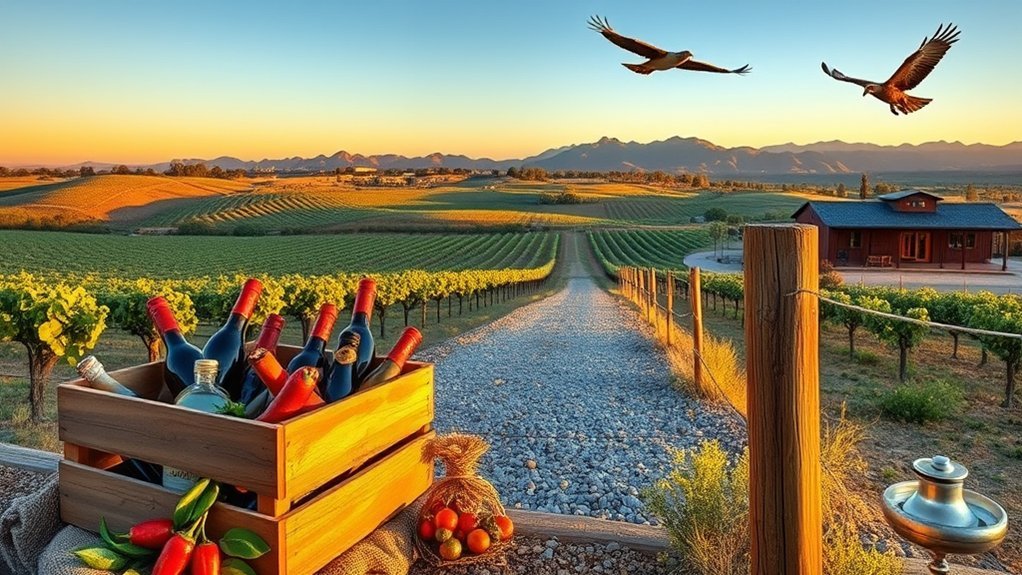
Drive west from Bisbee toward Patagonia, Sonoita, and Elgin when you want a slower day built around birds, grasslands, tasting rooms, and small-town stops. This route works best when you start with birding in the morning and leave wine tasting for later in the day.
The main risk is trying to do too much. Patagonia, Sonoita, and Elgin are spread out, and hours can vary by preserve, tasting room, season, and event. Choose two or three priority stops instead of rushing through every name on the map.
Patagonia Birding Hotspots
Patagonia is one of southeastern Arizona’s strongest birding areas because riparian habitat, grasslands, and seasonal migration patterns meet here. The Patagonia-Sonoita Creek Preserve notes that birding is especially strong from March through September, with high diversity in late April and May and again in late August and September: Patagonia-Sonoita Creek Preserve visitor information.
Bring binoculars, water, sun protection, and patience. Birding is not only about rare species. It is also about slowing down enough to notice calls, movement, shade, water, and habitat edges.
- Patagonia-Sonoita Creek Preserve
- Patagonia Lake State Park
- Sonoita Creek habitat areas
- Local ponds and riparian strips where access is allowed
- Visitor centers, preserve staff, and local birders for current tips
Sonoita Wine Trail
After a morning of birding, head toward the Sonoita and Elgin wine area. You will find tasting rooms, vineyard views, rolling grasslands, and small producers working with warm days, cool nights, elevation, and desert conditions. Visit Arizona describes Sonoita-Elgin as an Arizona wine destination with about 20 wineries, but hours and tasting policies can change by season: Visit Arizona Sonoita-Elgin guide.
If you plan to taste wine, choose a designated driver or limit your stops. Do not build a long return drive around heavy tasting, especially after hiking or birding in the sun.
| Stop Type | Best For | Planning Note |
|---|---|---|
| Patio tasting room | Views and a relaxed pace | Check hours before driving |
| Small producer | Personal tasting experience | Reservations may help on busy days |
| Food-friendly stop | Longer afternoon visit | Confirm food service first |
| Scenic roadside stop | Photos and grassland views | Use safe pullouts only |
Elgin Local Markets and Roadside Stops
Elgin can add a casual local-shopping layer to a Patagonia and Sonoita day, but do not assume a flea market or vendor event will be operating every weekend. Seasonal markets, pop-up events, craft vendors, local honey, antiques, and food stands can vary by date.
Check local calendars before you build the whole day around shopping. If a market is open, bring cash, a reusable bag, sun protection, and time to browse without rushing your wine or birding stops.
- Check current local event listings before leaving Bisbee.
- Bring cash for small vendors.
- Use a reusable bag for crafts or food items.
- Pair shopping with birding or tasting instead of making it the only goal.
- Leave extra time for rural roads and slower stops.
Douglas and the San Pedro Valley: History and Birdwatching
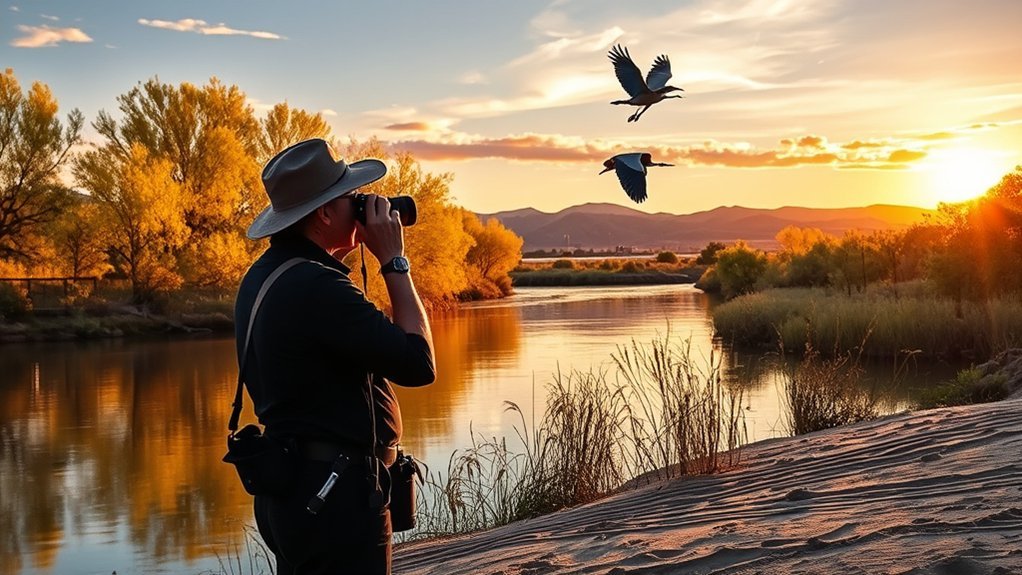
This section needs one important clarification: Douglas and the San Pedro Riparian National Conservation Area are not one compact attraction. Douglas sits east of Bisbee, while major San Pedro access points sit closer to Sierra Vista, Hereford, Fairbank, and nearby river corridors. You can connect them in a longer day, but most travelers should choose either a Douglas history outing or a San Pedro birding outing.
Choose Douglas if you want borderlands history, older downtown architecture, murals, and a short drive from Bisbee. Choose the San Pedro route if you want cottonwoods, riparian shade, birdwatching, interpretive sites, and open desert-river scenery.
The Bureau of Land Management states that the San Pedro Riparian National Conservation Area protects about 40 miles of the upper San Pedro River and offers birding, hiking, picnicking, historic sites, and trailheads. Day use is free, while overnight backcountry camping needs a permit: BLM San Pedro Riparian National Conservation Area.
For a first San Pedro visit, the San Pedro House is a practical starting point because it serves as a visitor center and can help you choose a trail based on current conditions: BLM San Pedro House information.
- Go to Douglas for architecture, borderlands history, and a shorter outing.
- Go to San Pedro for birdwatching, river habitat, and walking trails.
- Bring binoculars for warblers, raptors, and seasonal migrants.
- Start early for cooler temperatures and better bird activity.
- Check trailhead details before choosing your route.
Mule Mountain and Warren: Historic Mines and Scenic Drives
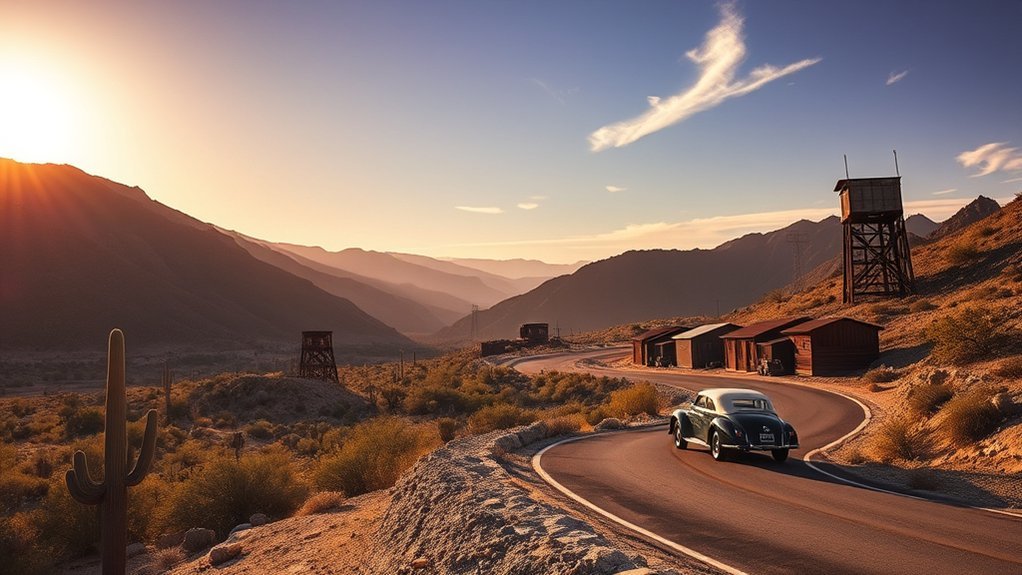
If you want a short outing close to Bisbee, drive through Mule Mountain, Warren, Lowell, and nearby mining-history areas. This is a good choice when you do not have time for a full day trip but still want views, architecture, and context for Bisbee’s copper story.
You will see mining scars, older neighborhoods, historic buildings, and desert ridgelines that help explain how mining shaped the area. The City of Bisbee’s history page notes the scale of Bisbee’s mining production and the closure of major mining operations in the 1970s: City of Bisbee history.
Respect fenced-off areas, private property, old structures, and unstable ground. Do not enter mine openings, climb on industrial remains, or cross barriers for a photo. This short drive works best as a scenic and historical overview, not an off-trail mine adventure.
- Historic mine remnants
- Scenic overlooks
- Older Warren and Lowell streetscapes
- Short walking stops where public access is clear
- Limited services outside central Bisbee
How to Plan Your Bisbee Day Trip
Pick your destination based on the kind of day you actually want. Tombstone works for history with minimal hiking. Kartchner works for a scheduled, family-friendly cave tour. Chiricahua works for a long outdoor day. Patagonia and Sonoita work for birding, wine, and slower rural stops. Douglas, San Pedro, Mule Mountain, and Warren work for history, views, and a better sense of the region around Bisbee.
What to Pack
- Water for every person in your group
- Sun hat, sunscreen, and sunglasses
- Closed-toe shoes or hiking shoes
- Light layer for caves, wind, or higher elevations
- Offline map or printed directions
- Charged phone and car charger
- Binoculars for Patagonia, Sonoita, Chiricahua, and San Pedro
- Cash for small vendors, parking, tips, or local stops
Weather and Safety Notes
Southeastern Arizona can shift quickly between heat, wind, cold mornings, and monsoon storms. Avoid washes during storms, turn around if skies darken, and never treat a dry wash as safe during heavy rain. For hiking days, tell someone your plan, carry more water than you expect to need, and check current official conditions before you leave.
Best One-Day Combinations
| Combination | Best For | Why It Works |
|---|---|---|
| Tombstone plus Kartchner Caverns | History and geology | Works if your cave tour time is reserved |
| Patagonia plus Sonoita | Birding and wine | Bird early, taste later |
| Mule Mountain plus Warren | Short scenic history day | Low drive time and easy pacing |
| San Pedro House plus Fairbank area | Birding and historic river corridor | Keeps the day focused on one region |
Frequently Asked Questions
What Is the Easiest Day Trip From Bisbee?
Tombstone is usually the easiest full day trip from Bisbee because it is close, simple to reach by car, and packed with walkable attractions. Mule Mountain and Warren are even closer if you only want a short scenic outing.
Can You Visit Tombstone and Kartchner Caverns on the Same Day From Bisbee?
Yes, you can visit both in one day if you start early and book your Kartchner Caverns tour ahead of time. Visit Tombstone first for the boardwalks and historic sites, then drive to Kartchner for a scheduled cave tour.
Is Chiricahua National Monument Worth the Longer Drive From Bisbee?
Chiricahua National Monument is worth the longer drive if you want hiking, dramatic rock formations, scenic viewpoints, and a full outdoor day. Choose it when you have enough daylight, sturdy shoes, and time for the 8-mile scenic drive.
Are There Guided Shuttle Services From Bisbee to These Destinations?
Do not assume guided shuttles run to every destination in this guide. Public transit and local tour options are limited in southeastern Arizona, and many trailheads, wineries, parks, and scenic roads are much easier with your own vehicle.
What Pet Policies Apply at These Sites and Trails?
Pet rules vary by site. Some developed areas allow leashed pets, but caves, historic attractions, wildlife preserves, and many national monument trails restrict them. Check each official site before you go, especially for Chiricahua, Kartchner Caverns, and O.K. Corral.
Are There Accessible ADA Facilities and Trail Options Nearby?
You will find some accessible parking, restrooms, viewpoints, visitor centers, and attraction areas in the region, but access differs by site. Check official accessibility pages before visiting, especially for cave tours, historic buildings, unpaved trails, and older downtown streets.
Where Are the Closest Options for EV Charging Near Each Destination?
EV charging availability can change, so do not rely on a static article for charger status. Check PlugShare, ChargePoint, your vehicle’s navigation system, or the charger network app before leaving Bisbee, especially for longer drives to Chiricahua, Patagonia, or Sonoita.
What Precautions for Seasonal Weather and Flash Floods Should Visitors Take?
Check the forecast, avoid washes during storms, and turn around early if skies darken. Carry water, sun protection, a map, waterproof gear during monsoon season, and a charged phone. Do not hike alone in remote areas when storm risk is high.
Which Bisbee Day Trip Is Best for Birdwatching?
Patagonia-Sonoita Creek Preserve, Patagonia Lake, and the San Pedro Riparian National Conservation Area are strong choices for birdwatching. Go early in the morning, bring binoculars, and check seasonal conditions because migration windows change what you may see.
Which Bisbee Day Trip Is Best for History?
Tombstone is the best-known history trip because of its Old West sites, O.K. Corral connection, courthouse museum, saloons, and preserved boardwalk atmosphere. Warren, Douglas, and Mule Mountain add mining, architecture, and borderlands history.
When Is the Best Season for Day Trips From Bisbee?
Spring and fall usually offer the most comfortable weather for hiking, walking, and birding. Summer can bring heat and monsoon storms, while winter can be pleasant but cool at higher elevations such as Chiricahua and Sonoita.
Can You Combine Wine Tasting and Birding Near Bisbee?
Yes, Patagonia and Sonoita work well for a birding-and-wine day. Start with birding in the morning when activity is highest, then visit Sonoita or Elgin tasting rooms later. Choose a designated driver if you plan to taste wine.
Official Planning Links
Use these official and high-authority resources to confirm hours, rules, closures, reservations, accessibility, pet policies, and seasonal conditions before your trip.
- O.K. Corral visitor information
- Visit Arizona Tombstone guide
- Kartchner Caverns cave tours
- Chiricahua National Monument
- Chiricahua pet rules
- Patagonia-Sonoita Creek Preserve
- Visit Arizona Sonoita-Elgin guide
- BLM San Pedro Riparian National Conservation Area
- BLM San Pedro House
- City of Bisbee history
Conclusion
The best day trips from Bisbee depend on the kind of day you want. Choose Tombstone for easy Old West history, Kartchner Caverns for a protected guided cave tour, Chiricahua for a long hiking day, Patagonia and Sonoita for birds and wine, Douglas and the San Pedro Valley for history and riparian habitat, or Mule Mountain and Warren for a short scenic drive close to town.
Before you leave, check official hours and rules, book any required tour, download your route, and match the trip to your energy level. That simple planning step can turn a loose drive from Bisbee into a smoother, safer, and more rewarding day.