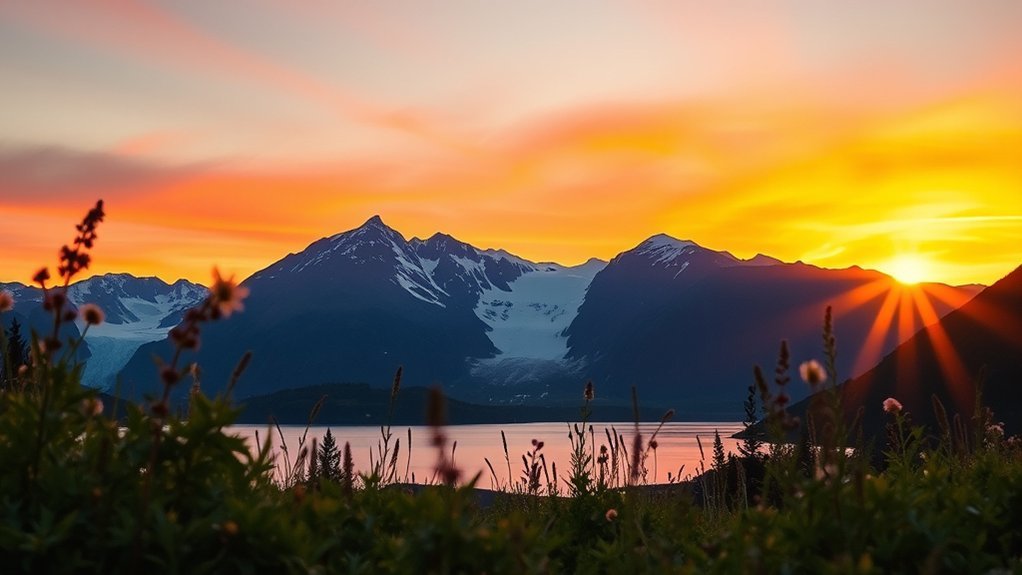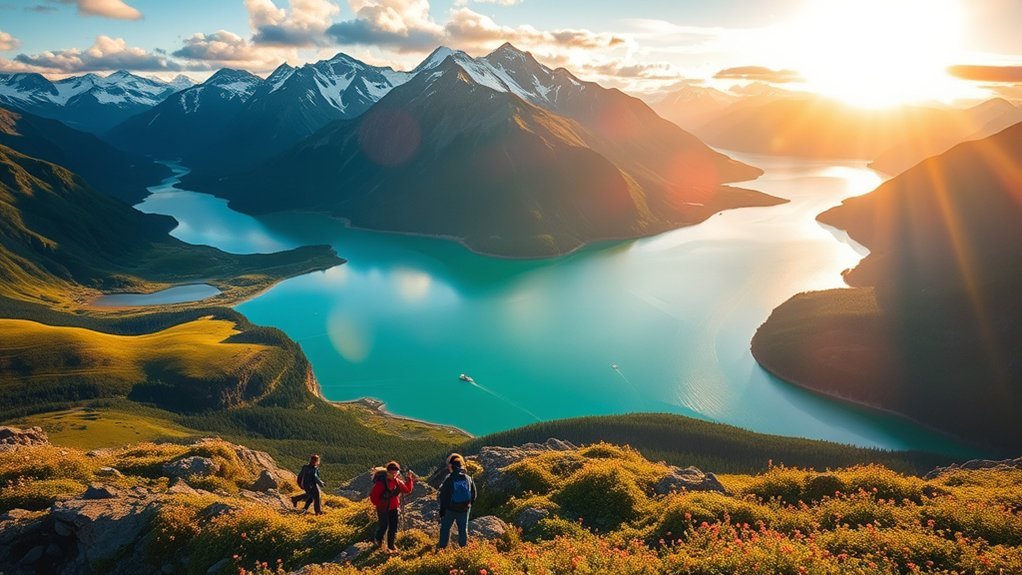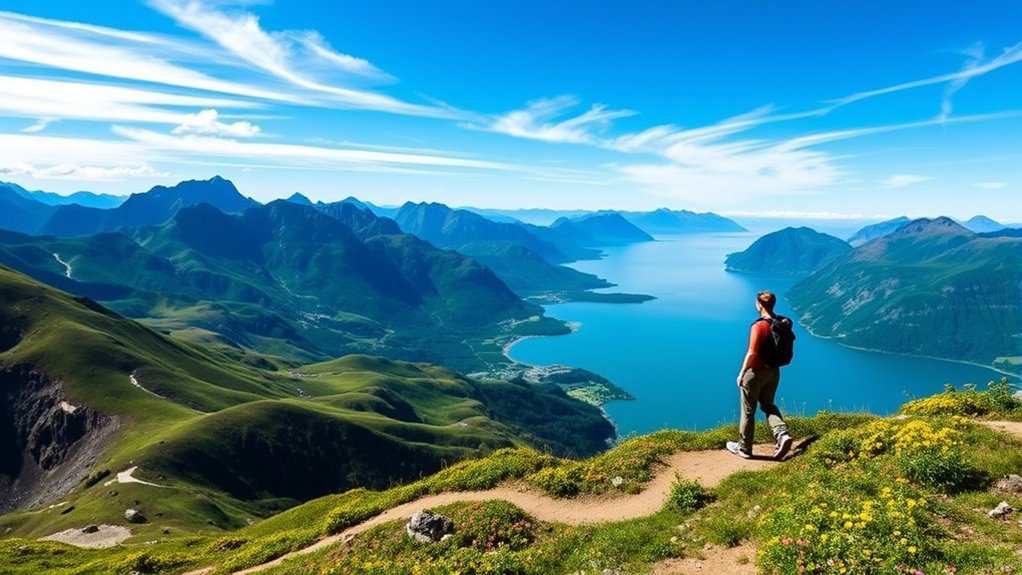
Anchorage gives you an unusual range of hiking choices, from paved coastal paths inside the city to steep alpine routes in the Chugach Mountains. You can take an easy walk beside Campbell Creek, climb Flattop for broad views over Cook Inlet, challenge yourself on Bird Ridge, or use Anchorage as a base for day trips to Girdwood, Portage, and Matanuska Glacier. The best trail depends on your fitness, available time, weather, and the type of scenery you want.
Quick Answer
For classic mountain views, Flattop Mountain is one of the best hikes near Anchorage. Choose Bird Ridge for a much steeper challenge, Kincaid or Campbell Creek for easier forest trails, and the Tony Knowles Coastal Trail for a paved coastal route. Girdwood, Portage Pass, and Matanuska Glacier work better as day trips.
Key Takeaways
- Best classic Anchorage mountain hike: Flattop Mountain offers big views without requiring a full-day backcountry trip.
- Best strenuous climb: Bird Ridge gains roughly 3,400 feet in about 2.5 miles to Bird Ridge Point.
- Best easy urban options: Campbell Creek Greenbelt and portions of the Tony Knowles Coastal Trail are paved and convenient.
- Best forest network: Kincaid Park has dozens of miles of interconnected trails for walking, running, biking, and winter recreation.
- Important: Matanuska Glacier is a day trip from Anchorage, and walking on the glacier requires guided access.
- Carry layers, water, navigation, and bear spray where appropriate, and check current trail and weather conditions before leaving.
Best Anchorage Hikes at a Glance
| Trail | Approx. Distance | Difficulty | Best For |
|---|---|---|---|
| Flattop Mountain | About 3 miles round trip | Moderate to difficult | Classic mountain views |
| Kincaid Park | Many route options | Easy to moderate | Forest walks and flexible distances |
| Bird Ridge | About 5 miles round trip to Bird Ridge Point | Difficult | Steep climbing and Turnagain Arm views |
| Winner Creek | Route-dependent | Easy to moderate | Girdwood forest scenery |
| Albert Loop | About 3 miles | Easy to moderate | Forest, river, and wildlife habitat |
| Portage Pass | About 2 miles to the pass area | Moderate | Portage Glacier and alpine views |
| Campbell Creek Greenbelt | About 7.5 miles end to end | Easy | Paved urban walking and biking |
| Tony Knowles Coastal Trail | About 11 miles one way | Easy to moderate | Coastal scenery and accessible paved recreation |
Warning: Anchorage hiking takes you into bear and moose habitat, sometimes only minutes from developed neighborhoods. Make noise where visibility is poor, give wildlife plenty of space, carry bear spray where appropriate, and know how to use it. Never approach an animal for a photo.
Flattop Mountain Trail
Flattop Mountain Trail is one of Anchorage’s best-known hikes and a good introduction to the Chugach Mountains. The route begins at the Glen Alps Trailhead, within an easy drive of downtown Anchorage.
The commonly used summit route is roughly 3 miles round trip and climbs around 1,500 feet. Much of the approach follows a maintained path and constructed steps, but the upper mountain becomes steep and rocky. You may need to use your hands for balance near the summit.
As you climb, views open across Anchorage, Cook Inlet, and the surrounding Chugach Mountains. You do not have to reach the summit to enjoy the scenery. Lower viewpoints and the Blueberry Loop area provide good alternatives if the upper route feels too steep.
Because the summit is exposed, wind, rain, fog, and rapidly changing temperatures can turn a comfortable hike into a colder outing. Pack a windproof or waterproof outer layer even when downtown Anchorage feels warm.
Visitors who need a gentler option can also use the short paved overlook trail at Glen Alps rather than climbing Flattop.
Pro Tip: If you mainly want the view, do not treat the summit as mandatory. Glen Alps and the lower Flattop approaches can provide excellent scenery with far less climbing.
Kincaid Park Trails
Kincaid Park is one of Anchorage’s most versatile outdoor areas. The Municipality of Anchorage maintains an interconnected system of roughly 60 kilometers of trails used for hiking, running, biking, skiing, and other recreation.
Instead of following one mandatory route, you can choose a short forest walk or connect several trails for a longer outing. This flexibility makes Kincaid especially useful when you are hiking with people who have different fitness levels.
Several routes provide access to Cook Inlet viewpoints, while others stay within thick forest. The park also connects with the Tony Knowles Coastal Trail.
Moose are regularly found around Anchorage’s green spaces, and bears can also travel through the area. Seeing wildlife can be memorable, but keep your distance and do not position yourself between an animal and its escape route.
Check the Municipality of Anchorage Kincaid Park information and trail maps before choosing a route, particularly when winter grooming or seasonal trail uses affect where hikers should travel.
Bird Ridge Trail
Bird Ridge Trail is one of the steepest popular hikes along Turnagain Arm. The climb rewards strong hikers with broad views across the water and surrounding mountains, but it should not be confused with an easy or moderate sightseeing walk.
The route climbs aggressively from near sea level, and sections can feel relentless. Good footwear, adequate water, and realistic pacing matter much more here than on Anchorage’s paved urban trails.
Products Worth Considering

Unique Strap Design: The small hiking backpack features an innovative strap design, with a zippered phone pocket on the left (fits phones up to 7 inches) and a drawstring pocket on the right for quick access to essentials like keys, cards, or snacks. Save yourself the hassle of taking off your backpack while hiking. Whether you're hiking, biking or traveling, these smart pockets keep your valuables safe and within reach.

High-Quality Material:Hiking backpack is made of high quality rip-stop 210d nylon fabric,which is water resistant,tear resistant,anti-scratch and wear resistant. Furthermore,we also give away a rain cover with a clear silver reflective logo. It is putted in the little pocket under the backpack. So it is no doubt that all your things will keep dry during rain. Just take this outdoor backpack,no matter the weather.

【Ergonomic and Comfortable Design】:This breathable backpack is engineered based on the natural movement patterns of the human back, conforming to muscle contours for superior comfort and ventilation. Its scientific weight distribution evenly disperses load across the entire pack, effectively alleviating muscle soreness caused by prolonged carrying.
Trail Overview
According to Alaska State Parks’ Bird Ridge trail guide, the route to Bird Ridge Point is approximately 2.5 miles one way with around 3,400 feet of elevation gain. Alaska State Parks rates it moderate to difficult and notes steep terrain and scrambling.
| Feature | Description | Tip |
|---|---|---|
| Distance | About 2.5 miles one way to Bird Ridge Point | Allow extra time for the descent |
| Elevation Gain | About 3,400 feet | Bring enough water for a sustained climb |
| Difficulty | Moderate to difficult; strenuous for many hikers | Expect steep terrain and some scrambling |
You do not have to complete the full climb to enjoy Bird Ridge. Turning around at a lower viewpoint can still provide excellent scenery while reducing the total effort.
Scenic Views
Bird Ridge is popular largely because the views improve quickly as you gain elevation. Highlights include:
- Turnagain Arm: Look across the broad tidal waterway below the ridge.
- Chugach and Kenai mountain scenery: Peaks rise on both sides of the Turnagain Arm corridor.
- Alpine vegetation: Depending on the season, the upper slopes may include wildflowers and low tundra plants.
The ridge is exposed to wind and changing weather. Fog or low clouds can also reduce visibility, so do not rely on scenic conditions at the trailhead to predict conditions higher up.
Wildlife Spotting
Bird Ridge and the surrounding Chugach landscape support a range of Alaska wildlife. You may see birds or mammals in the distance, but sightings are never guaranteed.
Use binoculars or a zoom lens instead of trying to move closer. Moose and bears require especially generous space, and animals that appear calm can react quickly when approached.
Stay alert in brushy areas and make enough noise to avoid surprising a bear. The Alaska Department of Fish and Game bear-country guidance recommends measures such as making noise, remaining alert, and avoiding surprise encounters.
Alyeska Resort Trails
Alyeska Resort in Girdwood gives you several hiking choices in the Chugach Mountains, roughly an hour’s drive south of central Anchorage under normal conditions. These trails are better treated as an Anchorage day trip than as city hikes.
Three useful options include:
- Winner Creek Trail: A forest route with dirt and boardwalk sections. It is a good choice when you want a less strenuous Girdwood hike.
- North Face Trail: A steep climb from the resort area that gains more than 2,000 vertical feet over roughly 2.2 miles. It is designed for hikers comfortable with sustained uphill travel.
- Upper-mountain routes: Alyeska’s summer trail network can include additional mountain routes, but availability changes with weather, maintenance, and resort operations.
Check Alyeska Resort’s current hiking information before leaving Anchorage. Resort trail status, guided-hike schedules, and mountain operations can change during the season.
Eagle River Nature Center Trails
The Eagle River Nature Center, north of central Anchorage, provides access to forest, river, and mountain scenery within Chugach State Park.
For a shorter outing, the Albert Loop Trail is approximately 3 miles and reaches the Eagle River corridor. Mud and standing water can occur depending on rainfall and beaver activity.
Albert Loop also has an important seasonal restriction. The Nature Center regularly closes the trail during part of late summer and fall so bears can feed around salmon streams with less risk of bear-human conflict. Always check Eagle River Nature Center trail information before heading out.
If you want a major backcountry challenge, Crow Pass Trail connects the Girdwood side of the Chugach Mountains with the Eagle River area. This is a long point-to-point wilderness route involving significantly more planning than an ordinary Nature Center day hike. River conditions, weather, navigation, transportation between trailheads, and overnight planning may all be relevant.
Note: Do not assume a trail is open simply because the Nature Center grounds are accessible. Seasonal wildlife closures and current trail conditions should be checked separately.
Products Worth Considering
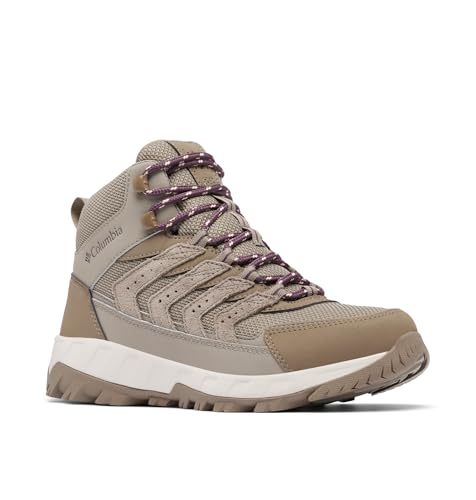
OMNI-TECH: For prolonged exposure to moderate rain and snow. Multilayered, waterproof, seam-sealed construction that allows the inside to breathe, keeping feet dry and comfortable no matter the conditions.

Trails Illustrated Map: Glacier Waterton Lakes N

UPPER - Abrasion-Resistant Breathable Mesh, B-DRY Waterproof Membrane, Reinforced TPU Overlays| welded & stitched to reduce weight, and provide protection & durability.
Matanuska Glacier Hike
Matanuska Glacier is not an Anchorage city hike. It is a substantial road trip northeast of Anchorage and works best as a dedicated day excursion.
The area offers dramatic glacier and mountain scenery, but there is an important distinction between viewing the glacier and actually walking on the ice.
Glacier Access and Safety
Walking on Matanuska Glacier requires guided access. Travel Alaska’s current Matanuska Glacier information directs visitors to guided glacier tours for access onto the glacier.
The nearby Matanuska Glacier State Recreation Site is different. It provides camping and the short Edge Nature Trail leading through forest to glacier-viewing areas, but the state recreation site does not provide direct access onto the glacier itself.
Glaciers contain crevasses, unstable ice, meltwater channels, slippery surfaces, and other hazards that may not be obvious to an inexperienced visitor. Follow your guide’s route and safety instructions instead of exploring the ice independently.
Scenic Views and Photography
Matanuska Glacier’s blue-white ice, surrounding peaks, moraine, and changing ice formations make the area especially appealing for photography.
Conditions can change with cloud cover, precipitation, and the season. Protect cameras and phones from water and cold, and keep both hands available when your guide asks you to cross uneven terrain.
Never step toward a crevasse, ice edge, or unstable formation simply to improve a photograph. A safe viewing position is more important than the shot.
Essential Gear Recommendations
Your exact equipment should follow the requirements of the glacier-tour operator. In general, useful items include:
- Sturdy footwear: Wear boots or shoes that meet the tour operator’s requirements and work well on uneven ground.
- Waterproof layers: Bring a waterproof shell and insulating layers because glacier-area weather can feel much colder than Anchorage.
- Gloves and eye protection: These can improve comfort around wind, ice, and bright reflected sunlight.
Technical traction equipment such as crampons should be used according to your guide’s instructions. Many guided glacier experiences provide or specify the equipment required for the route.
Warning: Do not treat Matanuska Glacier like an ordinary self-guided hiking trail. Use authorized guided access for travel on the glacier and follow the guide’s instructions around crevasses and unstable ice.
Portage Pass Trail and Glacier Views
If you want to combine hiking with views toward Portage Lake and Portage Glacier, look at Portage Pass Trail rather than searching for a route called “Portage Lake and Glacier Trail.”
The U.S. Forest Service Portage Pass Trail begins on the Whittier side of the mountain corridor. The Forest Service describes the trail as roughly 2 miles with about 750 feet of elevation gain to the pass-area route, with views of Passage Canal, surrounding mountains, Portage Lake, and Portage Glacier.
The route climbs through shrubs and alder toward open alpine terrain. Divide Lake provides another scenic feature along the way, and the route can be extended toward viewpoints above Portage Lake.
Portage Pass is valuable because it gives hikers a land-based viewpoint toward Portage Glacier without promising a particular glacier event such as ice calving.
Weather around Portage and Whittier is often wetter and cooler than conditions in Anchorage. Bring rain protection and expect mud or slick vegetation after wet weather.
Campbell Creek Greenbelt
The Campbell Creek Greenbelt is a good choice when you want nature without committing to a mountain climb. The paved Campbell Creek Trail runs for roughly 7.5 miles through forests, parks, wetlands, neighborhoods, and creekside habitat.
You can walk only a short section or use the trail for a longer bike ride or run. Multiple access points make it easier to tailor the outing to your available time.
Because much of the route is paved and relatively gentle, portions are useful for families and people who prefer a smoother surface. Anchorage trail information also identifies Campbell Creek as wheelchair accessible, although current surface conditions, grades, snow, construction, and individual mobility needs should always be considered.
Wildlife still travels through Anchorage’s urban greenbelts. Pay attention around bends and dense vegetation, keep dogs under control, and give moose plenty of room.
Tony Knowles Coastal Trail
The Tony Knowles Coastal Trail stretches about 11 miles between downtown Anchorage and Kincaid Park. It is one of the city’s most convenient options for walking, running, biking, and sightseeing.
The paved route combines coastal scenery with forested sections and views across Cook Inlet. On clear days, distant mountains add to the scenery, while shorter downtown sections allow you to enjoy the trail without covering the full 11 miles.
Because the route is paved, it is also one of the better Anchorage choices for wheelchairs and other mobility devices. However, users should still consider slope, surface condition, snow or ice, construction, and the exact access point they plan to use.
Wildlife can appear along the route despite its proximity to the city. Moose deserve particular caution. Stop well back, give the animal an escape route, and never attempt to pass closely for a photograph.
If you want a longer outing, continue toward Kincaid Park. If you prefer an easy walk, start downtown and simply turn around when you have covered enough distance.
How to Choose the Right Anchorage Hike
Anchorage’s trail variety makes choosing the right route more important than simply choosing the most famous one.
- For an easy paved walk: Start with Campbell Creek or a shorter section of the Tony Knowles Coastal Trail.
- For a flexible forest hike: Choose Kincaid Park.
- For classic mountain scenery: Try Flattop Mountain and turn around whenever the terrain exceeds your comfort level.
- For a strenuous climb: Bird Ridge offers major elevation gain over a short horizontal distance.
- For a Girdwood day trip: Compare Winner Creek with the much steeper North Face Trail.
- For river and forest scenery: Check current conditions at Eagle River Nature Center.
- For glacier views: Consider Portage Pass or a Matanuska Glacier day trip, remembering that walking on Matanuska Glacier requires guided access.
Anchorage Hiking Safety and Planning
Check Weather and Trail Conditions
Conditions in the mountains can differ sharply from downtown Anchorage. Wind, rain, fog, snow, and colder temperatures can develop at elevation even when the city feels comfortable.
Check the forecast and the managing agency’s current trail information before leaving. Turn around when weather, visibility, water levels, snow, or trail conditions exceed your experience.
Carry Basic Hiking Gear
For mountain hikes, carry water, food, waterproof layers, insulation, a charged phone, navigation, and a basic first-aid kit. Sturdy footwear is especially important on Flattop, Bird Ridge, and wet alpine routes.
Do not depend entirely on cell service. Download any map you need before leaving developed areas.
Prepare for Bears and Moose
Anchorage and the Chugach Mountains are wildlife habitat. Make noise where vegetation or terrain limits visibility, remain aware of your surroundings, and carry bear spray where appropriate. Keep it immediately accessible rather than buried inside your backpack.
Give moose a wide berth. If an animal changes its behavior because of your presence, you are already too close.
Parking, Fees, and Access
Many municipal trails can be used without an admission charge, but some trailheads, state park facilities, nature-center areas, and private attractions may charge for parking or access. Matanuska glacier tours are paid guided experiences.
Fees, payment systems, closures, and parking rules can change. Check the official page for the exact trailhead before driving there rather than relying on an old fee quoted in a travel article.
Best Season for Hiking
Summer is the easiest season for most visitors because of long daylight hours and generally better access to alpine trails. However, snow can linger at higher elevations, and rain is possible throughout the season.
Spring and fall can be excellent for lower trails but bring cooler temperatures, shorter daylight, mud, ice, and changing wildlife activity. Winter turns many Anchorage trails into skiing, snowshoeing, and fat-biking routes, so summer hiking advice should not automatically be applied to winter travel.
Frequently Asked Questions
What is the best season for hiking in Anchorage?
Summer is the easiest season for most visitors because daylight is long and many trails have better access. Alpine snow, rain, wind, and cold weather can still occur. Spring and fall are quieter but may bring mud, ice, shorter days, and seasonal wildlife restrictions.
Are there fees for accessing Anchorage hiking trails?
Many city trails are free to use, but parking or day-use fees may apply at certain state park trailheads and recreation sites. Eagle River Nature Center has its own parking arrangements, and Matanuska Glacier access onto the ice requires a paid guided tour. Check the managing agency before your visit.
What wildlife might I encounter while hiking near Anchorage?
Possible wildlife includes moose, bears, eagles, smaller mammals, and other birds, although sightings are never guaranteed. Keep your distance, make noise in low-visibility areas, and never approach or feed wildlife.
Are any Anchorage trails wheelchair accessible?
Yes. The paved Tony Knowles Coastal Trail and Campbell Creek Trail offer accessible portions, and Glen Alps has a short paved wheelchair-accessible overlook route. Actual usability depends on the access point, grade, surface condition, weather, snow, construction, and individual mobility needs.
Where can I find guided hiking tours near Anchorage?
Guided hikes are available through outdoor operators in Anchorage and Girdwood, while Alyeska Resort offers seasonal guided hiking options. Matanuska Glacier requires guided access for walking on the glacier. Compare route difficulty, included equipment, transportation, and current operating dates before booking.
Should I carry bear spray while hiking in Anchorage?
Bear spray is a commonly recommended wildlife deterrent for Alaska hiking. Carry it where you can reach it quickly, know how to use it before starting the hike, make noise in areas with limited visibility, and avoid approaching bears.
Which Anchorage hikes are best for beginners?
Good beginner options include shorter sections of the Tony Knowles Coastal Trail, Campbell Creek Greenbelt, selected Kincaid Park routes, and the paved Glen Alps overlook. Flattop becomes much steeper near the summit, while Bird Ridge is better for fit hikers comfortable with sustained climbing.
Conclusion
Anchorage makes it possible to choose a hike that matches both your ability and your schedule. Flattop delivers classic mountain scenery, Bird Ridge provides a demanding climb, Kincaid offers flexible forest routes, and the Tony Knowles Coastal Trail and Campbell Creek give you easier paved options close to the city.
If you have more time, Girdwood, Eagle River, Portage Pass, and Matanuska Glacier expand the choices considerably. Check current conditions before leaving, carry suitable layers and wildlife protection, and choose your route based on the conditions you actually find rather than the mileage alone.
Sources
- Alaska State Parks: Bird Ridge Trail Guide — Bird Ridge distance, elevation gain, route character, and difficulty.
- Municipality of Anchorage: Kincaid Park — official Kincaid trail-system information.
- Eagle River Nature Center: Hiking Trails — Albert Loop distance, trail conditions, and seasonal wildlife closure information.
- U.S. Forest Service: Portage Pass Trail — Portage Pass distance, elevation, route, and glacier-view information.
- Travel Alaska: Matanuska Glacier — current glacier-access and guided-tour information.
- Alaska Department of Fish and Game: Bear Country Safety — bear-awareness and hiking safety guidance.