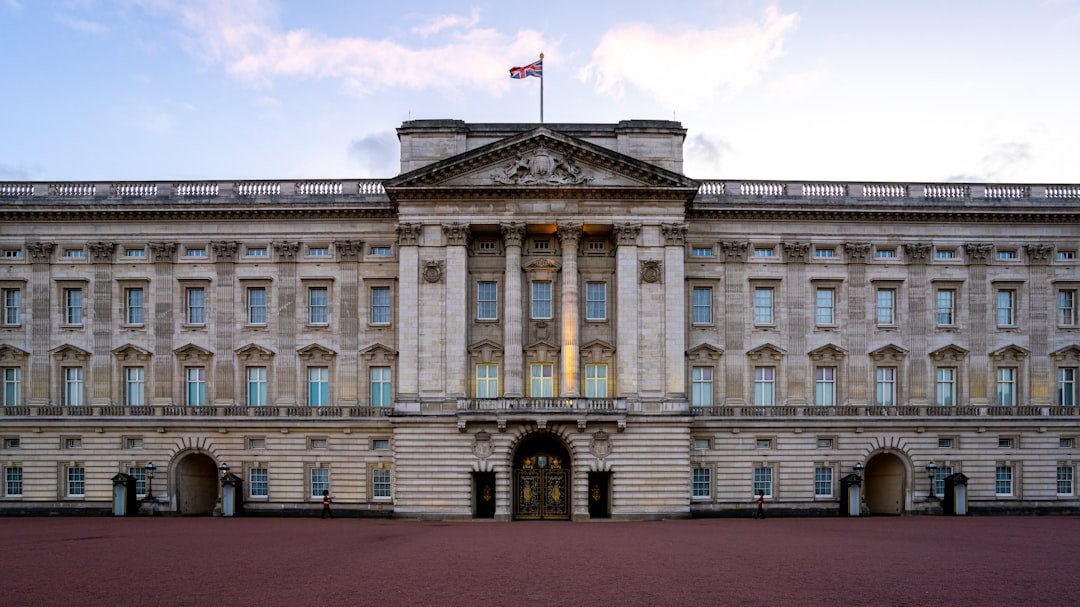
Kensington Palace is one of London’s best-known royal residences and a practical choice for visitors who want to combine royal history, exhibitions and gardens in one stop. William III and Mary II transformed the former Nottingham House into a royal residence in 1689, and the palace later became closely associated with Queen Victoria, Diana, Princess of Wales, and generations of the Royal Family.
Quick Answer
Allow about two to three hours for Kensington Palace. Book admission for your preferred date, check the latest opening schedule and route closures, and leave extra time for the free palace gardens. The King’s State Apartments and Victoria: A Royal Childhood are major highlights, while temporary exhibitions change throughout the year.
Key Takeaways
- Kensington Palace became a royal residence after William III and Mary II acquired Nottingham House in 1689.
- Plan roughly two to three hours inside the palace, plus additional time if you want to explore Kensington Gardens.
- Queensway and High Street Kensington are convenient Underground stations for reaching the palace.
- Ticket prices, opening hours, exhibitions and route closures change, so check Historic Royal Palaces before travelling.
- The Queen’s State Apartments are closed until spring 2027 for a major re-presentation.
- The palace gardens, including views of the Sunken Garden from the Cradle Walk, can be visited without a palace admission ticket during their published opening hours.
Planning Your Visit to Kensington Palace
A typical visit takes around two to three hours, according to Historic Royal Palaces. That gives you time to explore the principal visitor routes without rushing. Add more time if you plan to eat at the palace or continue through Kensington Gardens afterward.
Opening schedules vary by date rather than following one simple year-round timetable. For example, on September 9, 2026, Kensington Palace listed opening hours of 10:00 to 18:00 with last admission at 17:00. Always confirm your own date on the official Kensington Palace opening-times page before travelling.
Spring and summer provide longer daylight for combining the palace with the surrounding park. Autumn brings changing foliage across Kensington Gardens, while colder months can feel less hectic outdoors. Visitor numbers are normally higher from March through October and around Christmas.
Pro Tip: Historic Royal Palaces identifies roughly 13:00 to 15:00 as the quieter period inside the palace. If avoiding the busiest visitor flow matters more than arriving first thing, consider planning your timed entry around that window.
Getting to Kensington Palace
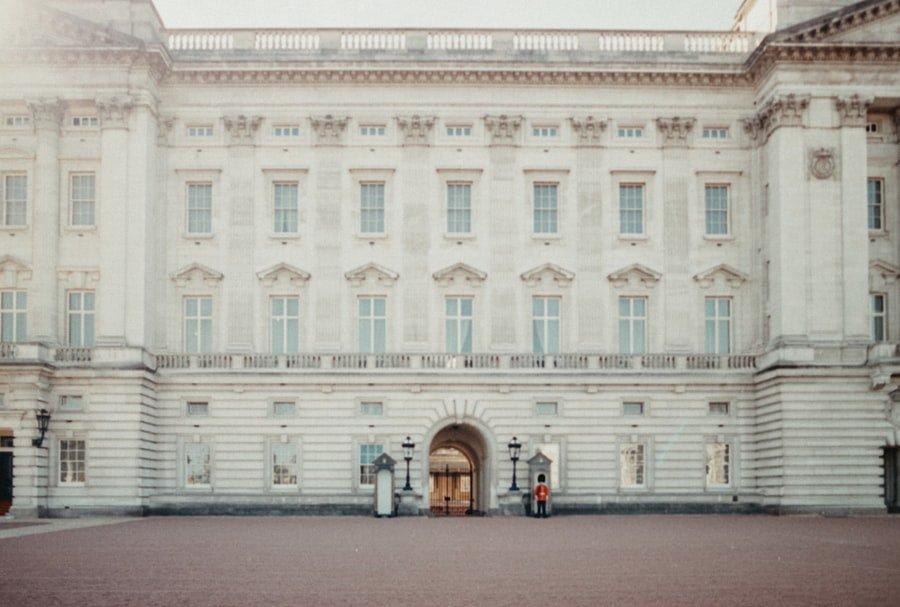
Kensington Palace is inside Kensington Gardens at Kensington Gardens, London W8 4PX. Public transport is usually easier than driving because general visitor parking is not available on site and nearby parking is limited.
By Underground
Two convenient stations are:
- Queensway: Central line, approximately a 10-minute walk through Kensington Gardens.
- High Street Kensington: Circle and District lines, approximately a 10- to 15-minute walk.
Neither station provides full step-free access from platform to street, so visitors with mobility requirements should review the palace’s accessibility information before choosing a route.
By Bus
Current routes listed by Historic Royal Palaces include buses 9, 49, 52, 70 and 452 along Kensington High Street. Routes 94, 148 and 274 stop along Bayswater Road. Transport routes can change, so check Transport for London or the palace’s official directions page on the day you travel.
Walking or Cycling
Walking through Kensington Gardens is one of the most pleasant ways to approach the palace. Bike racks are available near the Orangery, but bicycles cannot replace the need to follow park cycling restrictions and signed routes.
Driving and Parking
There is no general on-site visitor parking. Limited accessible parking is available for eligible visitors and should be arranged with Historic Royal Palaces in advance.
Ticketing and Admission Information
Advance booking is sensible, especially during busy travel periods and temporary exhibitions. Buying online secures a ticket for the selected availability, but visitors should still allow time for security checks at the entrance.
2026 Ticket Price Snapshot
For visits through November 8, 2026, standard tickets without the optional charitable donation are listed at:
- Adult, age 18–64: £24.70
- Child, age 5–15: £12.40
- Young person, age 16–17: £12.40
- Senior, age 65+: £20.00
- Full-time student, age 18+: £20.00
- Disabled concession: £20.00
- Children under 5: Free; no ticket required
Historic Royal Palaces lists different prices from November 11, 2026, including a standard adult no-donation price of £19.00 and a child/young-person price of £9.50. Because prices and exhibition packages can change, use the official ticket page for the exact date you plan to visit.
Eligible visitors receiving certain benefits may also qualify for the Historic Royal Palaces £1 ticket scheme. Disabled visitors may bring one qualifying adult carer or companion free under the palace’s current ticket policy.
Important: The Queen’s State Apartments are closed until spring 2027 for a major re-presentation. Check the official route-closure information before booking if a particular room or display is essential to your visit.
Exploring the State Rooms at Kensington Palace
The King’s State Apartments are among the palace’s main historic interiors. Unlike ordinary domestic rooms, these formal spaces were created for audiences, meetings and court display, which explains why some areas contain less furniture than visitors might expect.
The King’s Gallery is the largest and longest of the State Apartments. William Kent transformed it for George I in 1725 with red damask, oak joinery, a marble chimneypiece and painted ceiling canvases. The Cupola Room is another highlight, known for Kent’s theatrical decoration and its ornate 18th-century musical clock.
The King’s State Apartments are currently included with palace admission. The Queen’s State Apartments, associated particularly with Mary II and later royal consorts, are closed until spring 2027.
An audio guide is included with admission and is available in several languages, including English, French, German, Italian, Japanese, Mandarin, Portuguese and Spanish, as well as British Sign Language. Short expert talks and longer tours may also be scheduled, depending on the date.
Visiting Victoria: A Royal Childhood
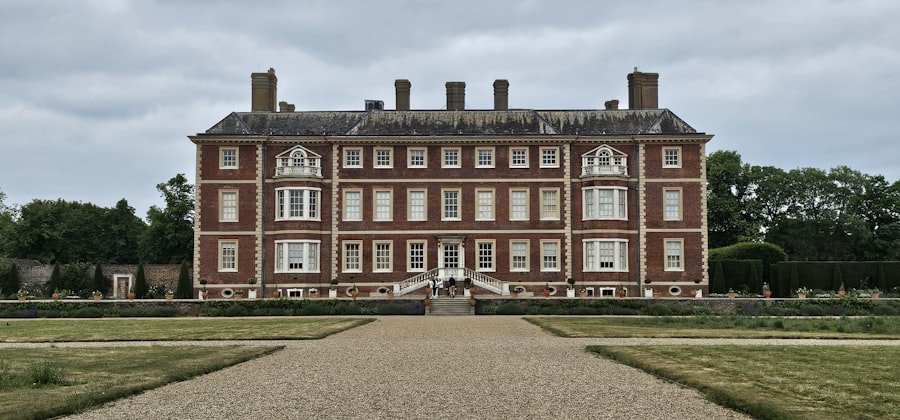
Kensington Palace is the birthplace of Queen Victoria, and the permanent Victoria: A Royal Childhood display explores her early life in the rooms where she was born and raised.
The exhibition opened to mark the 200th anniversary of Victoria’s birth and focuses on the years before she became one of Britain’s most recognizable monarchs. Objects include personal material connected with her childhood, such as a scrapbook assembled by her governess Baroness Lehzen and Victoria’s doll house.
This display replaces outdated references to the former “Victoria Revealed” exhibition. It is currently included in standard palace admission and follows palace opening hours.
Current and Seasonal Exhibitions
Kensington Palace regularly changes its temporary exhibitions and live programming, so repeat visitors may find something different from one year to the next.
For 2026, The Last Princesses of Punjab explores Princess Sophia Duleep Singh and five influential women connected with her story: her sisters Catherine and Bamba, her mother Bamba Müller, her grandmother Jind Kaur and her godmother Queen Victoria. The exhibition runs through November 8, 2026 and is included in palace admission during that period.
Another 2026 program, Power, Perfume and Scandal, explores the social world of the Georgian court. Its autumn performances are scheduled on selected weekends through November 22, 2026.
Temporary programming can change quickly. Check the official What’s On calendar rather than relying on an older travel article.
Discovering the Gardens at Kensington Palace
The palace sits beside the much larger Kensington Gardens, but several landscaped areas immediately around the palace have their own royal history. The palace gardens are currently free to enter during their published opening times.
The Sunken Garden
The Sunken Garden was created in 1908 at the instigation of King Edward VII, replacing an area previously used for potting sheds and greenhouses. Its Edwardian design was inspired by the Pond Garden at Hampton Court Palace and includes terraces, flower beds, paving and a central ornamental pond.
Diana, Princess of Wales later became particularly fond of the garden. In 2017, marking 20 years since her death, it was replanted as the White Garden using white and pastel flowers inspired partly by her clothing. A statue of Diana commissioned by her sons was unveiled in the garden in 2021.
General visitors currently view the Sunken Garden from the surrounding Cradle Walk. Selected guided tours may provide different access arrangements.
Kensington Gardens
Beyond the palace grounds, Kensington Gardens offers far more room for a longer walk. Highlights include the Round Pond, Italian Gardens, Albert Memorial, Peter Pan statue and the Diana Princess of Wales Memorial Playground. The Royal Parks manages this wider park separately from the palace.
The Diana Princess of Wales Memorial Walk is another option for visitors with more time. The seven-mile route follows 90 ground plaques through four Royal Parks and passes locations associated with Diana.
Dining and Shopping at Kensington Palace
Kensington Palace has two distinct food venues rather than a café located inside the Orangery.
Kensington Palace Café
The Palace Café serves hot drinks, cakes, sandwiches and other lighter refreshments. You do not need a palace admission ticket to use it.
The Orangery
The historic Orangery was built in 1704 during Queen Anne’s reign. Today it operates as a restaurant and is particularly known for afternoon tea. Reservations can be useful if dining there is an important part of your visit. Opening arrangements can occasionally change because the Orangery also hosts events.
The palace shop is located near the café at the end of the visitor route. It sells books, jewellery, homeware and souvenirs inspired by Kensington Palace and its royal stories. A palace admission ticket is not required simply to enter the shop.
Accessibility, Security and Visitor Facilities
Kensington Palace provides a step-free visitor route using lifts, accessible toilets and seating throughout the exhibitions. Trained assistance dogs are welcome. Visitors with specific access requirements should review the palace accessibility guide before travelling because routes and temporary displays can affect the best way around the building.
Security screening takes place at the entrance and bags may be searched. There is no left-luggage facility inside the palace, and suitcases, large bags and rolling luggage are not permitted in the palace buildings.
Note: If you are travelling through London with a suitcase, arrange luggage storage before arriving at Kensington Palace. The palace does not operate its own left-luggage service.
Photography
Non-commercial photography without flash is allowed in most palace areas. Individual objects may have photography restrictions because of loan agreements. Tripods, monopods, interior selfie sticks and gimbals are not permitted without prior authorization.
Special Events and Activities at Kensington Palace
The palace runs talks, tours, family activities, access events and seasonal programming throughout the year. These are more useful to plan around than relying on a generic assumption that the same events run every season.
As of 2026, short History in Focus talks are scheduled on selected days in the King’s State Apartments and Victoria: A Royal Childhood. The included audio guide provides a self-guided option whenever it is available.
The paid Palace in the Park tour is another option on selected dates. It explores more than 300 years of palace and garden history and can include access not available on the standard garden route. Because tours, times and prices can change, check the official What’s On calendar before building your day around one.
Tips for Making the Most of Your Visit
- Allow two to three hours: This is the palace’s recommended general visit duration.
- Check your exact date: Opening hours, last admission, temporary exhibitions and room closures can vary.
- Book ahead in busy periods: This helps secure your preferred admission date and time.
- Wear comfortable shoes: A palace visit followed by Kensington Gardens can involve considerable walking.
- Use the audio guide: It is included with admission and adds useful context to the historic rooms.
- Avoid large luggage: There is no palace left-luggage facility, and large or rolling bags are not allowed inside.
- Consider the quieter period: Historic Royal Palaces currently identifies roughly 13:00 to 15:00 as the quietest part of the day.
- Leave time for the gardens: The palace visit and Kensington Gardens are separate experiences, and the park can easily add another hour or more.
- Check the weather: Much of the wider garden experience is outdoors.
Making Memories at Kensington Palace
Kensington Palace works especially well for visitors who want royal history without spending an entire day inside one attraction. The King’s State Apartments, Victoria’s childhood rooms, changing exhibitions and the palace gardens each tell a different part of the site’s story.
The most important step is to plan around current information. Check your date’s opening hours, ticket price, exhibitions and route closures before leaving, particularly while the Queen’s State Apartments remain closed. With two to three hours for the palace and extra time for Kensington Gardens, you can experience the historic interiors without rushing and still enjoy one of central London’s most attractive green spaces.
Frequently Asked Questions
What is Kensington Palace?
Kensington Palace is a historic royal residence in Kensington Gardens, London. William III and Mary II transformed Nottingham House into a royal residence beginning in 1689. It later became closely associated with Queen Victoria, Diana, Princess of Wales, and other members of the Royal Family.
What are the opening hours of Kensington Palace?
Opening hours vary by date. On September 9, 2026, the palace listed hours of 10:00 to 18:00 with last admission at 17:00. Check the official opening calendar for your specific visit because seasonal schedules, special events and closures can change.
How much does it cost to visit Kensington Palace?
Through November 8, 2026, the standard no-donation price is £24.70 for adults aged 18–64 and £12.40 for children aged 5–15 and young people aged 16–17. Children under five enter free. Prices change from November 11, 2026, so check the official ticket page for your date.
What can visitors see at Kensington Palace?
Major attractions include the King’s State Apartments, Victoria: A Royal Childhood, changing temporary exhibitions and the palace gardens. The Queen’s State Apartments are closed until spring 2027 for a major re-presentation.
How long should I spend at Kensington Palace?
Historic Royal Palaces recommends around two to three hours for the palace itself. Allow additional time if you want to eat at the Orangery or Palace Café or explore Kensington Gardens afterward.
What is the nearest Tube station to Kensington Palace?
Queensway on the Central line is roughly a 10-minute walk. High Street Kensington on the Circle and District lines is about 10 to 15 minutes away. Check Transport for London before travelling because service conditions can change.
Is there a dress code for visiting Kensington Palace?
There is no formal visitor dress code, but Historic Royal Palaces asks guests to dress respectfully in the family-friendly attraction. Shoes must be worn for health and safety reasons.
Are guided tours available at Kensington Palace?
An audio guide is included with standard admission. The palace also schedules short expert talks and longer guided experiences on selected dates. Some longer tours require a separate ticket, so check the official What’s On calendar before visiting.
Is Kensington Palace accessible for wheelchair users?
The palace provides a step-free route using lifts, along with accessible toilets and seating. Accessible parking is available by advance arrangement. Some outdoor areas and specialist tours may have additional limitations, so review the current accessibility guide before travelling.
Can I take photos inside Kensington Palace?
Non-commercial photography without flash is allowed in most areas. Some individual objects may have restrictions. Tripods, monopods, interior selfie sticks and gimbals are not permitted unless prior arrangements have been made.
Can I bring a suitcase to Kensington Palace?
No. Kensington Palace does not provide left-luggage or bag-storage facilities, and suitcases, large bags and rolling luggage are not permitted inside the palace buildings. Arrange luggage storage elsewhere before arriving.
Sources
- Historic Royal Palaces — Visit Kensington Palace — current visitor essentials, opening information and general planning.
- Historic Royal Palaces — Tickets and Prices — current admission prices, concessions and ticket conditions.
- Historic Royal Palaces — Getting Here — current public-transport routes and parking information.
- Historic Royal Palaces — Accessibility — step-free routes, quiet times, facilities and accessible travel.
- Historic Royal Palaces — What’s On — current exhibitions, tours, talks and seasonal activities.
- The Royal Parks — Kensington Gardens — information about the surrounding park, attractions and garden access.