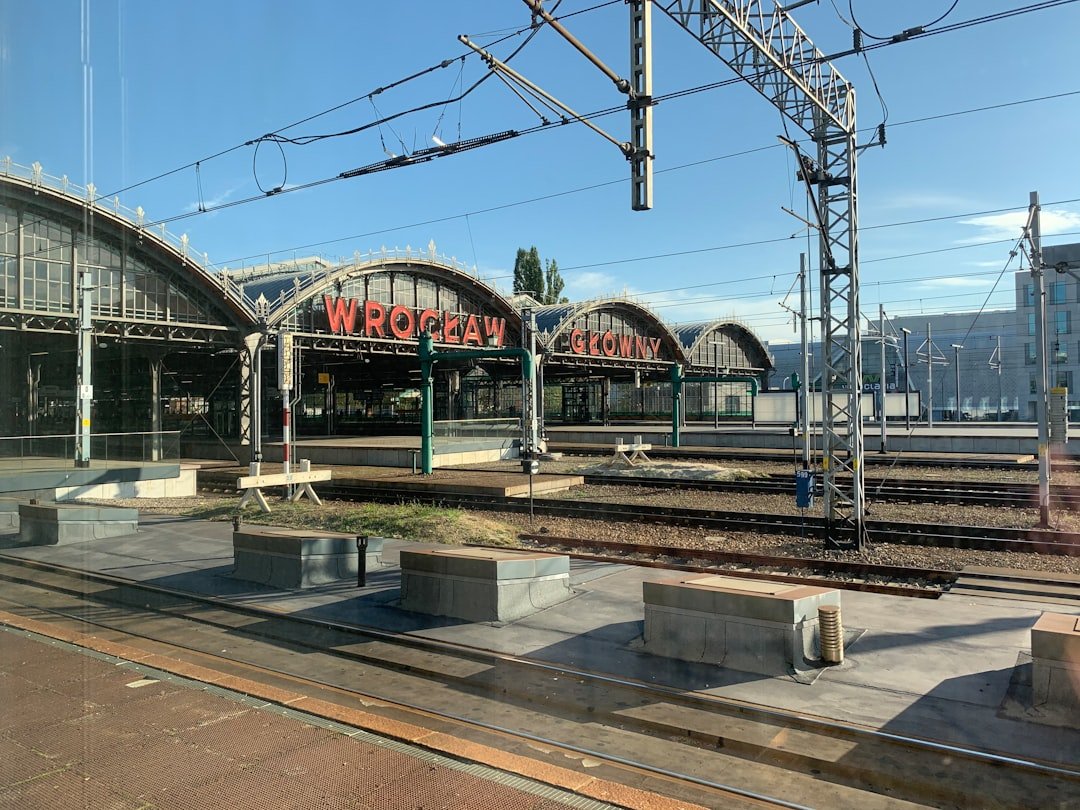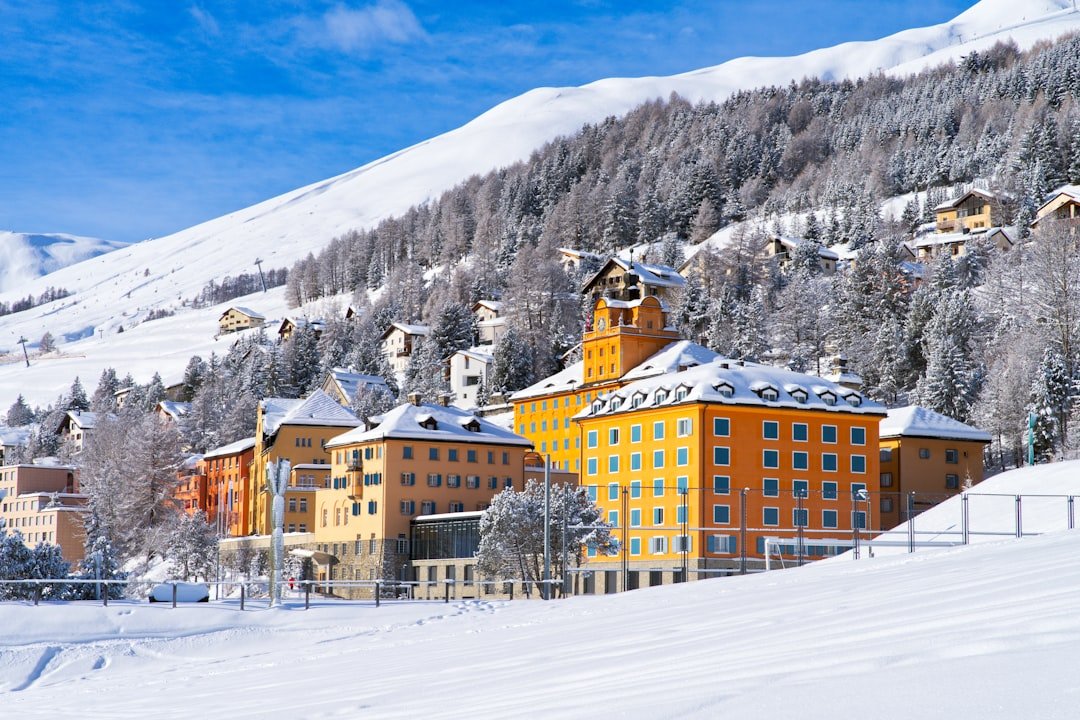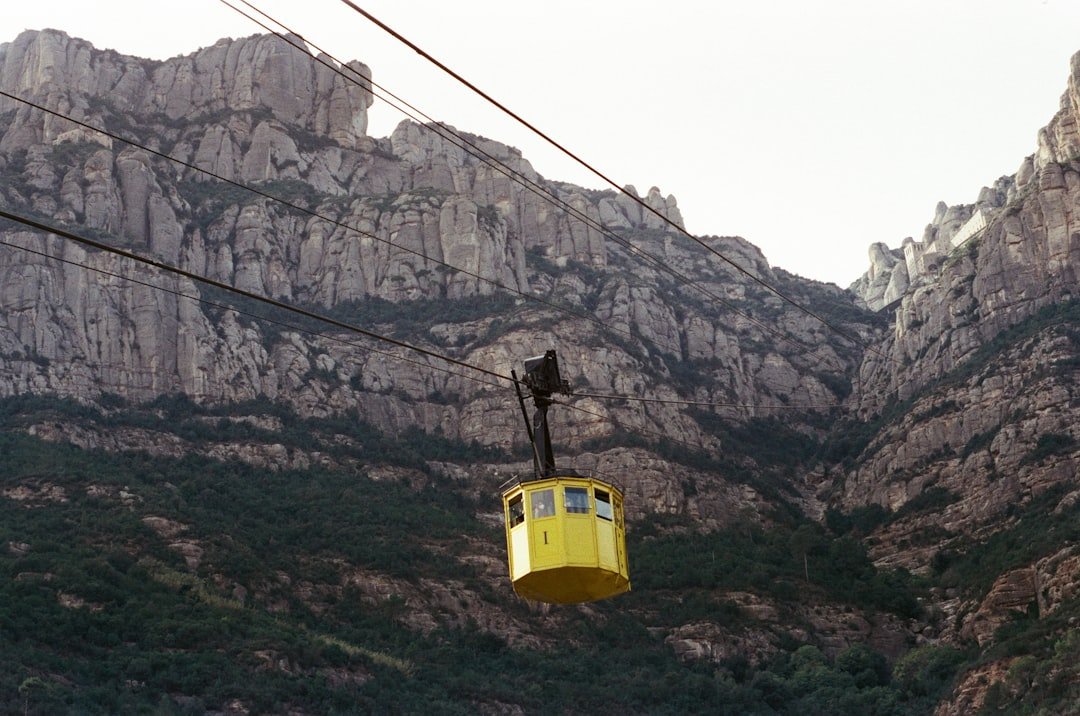
Booking a Swiss mountain cable car is usually straightforward, but the details matter. Fares, discount passes, opening periods, last descents, parking arrangements, altitude restrictions, and even the type of mountain transport can change from one destination to another. A little planning before you travel can save money and prevent you from arriving with the wrong ticket or after a lift has closed.
Quick Answer
For Swiss mountain cable car booking, first choose your exact route and stations, then check the official operator’s live timetable, fare, weather status, and discount rules. Swiss Travel Pass and Half Fare products can reduce many mountain fares, but coverage varies. Book through the operator when possible and always confirm the day’s last descent.
Key Takeaways
- Swiss mountain transport includes aerial cable cars, gondolas, funiculars, chairlifts, and cogwheel railways, so check exactly which transport your ticket covers.
- Prices and discount rules differ by operator, route, season, age, and travel pass.
- Check live operating status, weather, maintenance notices, and the last descent before leaving your hotel.
- High-altitude destinations can be much colder than the valley and may have age or health-related restrictions.
- Public transport is often convenient, and some destinations have special access rules. Zermatt, for example, is car-free.
At a Glance
| Time Required | About 10-20 minutes to compare routes, passes, fares, and operating times before booking |
| Difficulty | Easy, provided you know your departure station and intended mountain destination |
| Tools Needed | Phone or computer, travel date, passenger ages, and details of any Swiss Travel Pass, Half Fare Card, GA, Junior Travelcard, or regional pass |
| Cost | Varies widely by mountain, route, date, age, and discount pass; always check the live operator tariff |
Switzerland has one of the world’s most extensive mountain-transport networks. The Swiss Federal Office of Transport reports about 2,400 cableway installations in operation nationwide. This broader category includes different kinds of installations rather than only the large enclosed cable-car cabins visitors often picture.
The engineering and safety systems behind these installations allow access to high mountain areas that would otherwise require long or technically demanding approaches. Large windows and elevated routes can provide panoramic views of snowy peaks, valleys, forests, and lakes, but weather and operational conditions still determine whether a particular installation can run.
Choosing the Right Mountain for Your Adventure
The best mountain excursion depends on what you want to do after leaving the cable car. A sightseeing visitor, family, hiker, skier, photographer, and experienced mountaineer may all need different destinations and tickets.
| Mountain experience | Good for | Important booking point |
|---|---|---|
| Matterhorn Glacier Paradise, Zermatt | High-altitude sightseeing, glacier scenery, panoramic views | The excursion reaches Klein Matterhorn at 3,883 m, not the summit of the Matterhorn. Check altitude restrictions. |
| TITLIS, Engelberg | Glacier sightseeing, families, snow experiences, panoramic cable-car ride | Check which attractions are included and which, such as the Ice Flyer, require a separate ticket. |
| Schilthorn – Piz Gloria | Bernese Oberland panoramas, sightseeing, James Bond-themed attractions | Check the current timetable and tariff because connections involve several mountain-transport sections. |
| Pilatus | Day trips from Lucerne, families, scenic round trips | Pilatus combines aerial cableways with a cogwheel railway. A cogwheel-railway seat reservation may be separate from the transport ticket. |
Mount Pilatus can work well for a family excursion because visitors can reach the upper mountain using public transport and mountain railways without undertaking a technical climb. That does not mean every trail on Pilatus is easy, so choose hikes according to the official trail classification and your group’s ability.
The Matterhorn requires an even clearer distinction. Ordinary sightseeing visitors do not ride a cable car to the Matterhorn’s summit. The popular Matterhorn Glacier Paradise excursion reaches Klein Matterhorn, where the mountain station is at 3,883 m. Climbing the actual Matterhorn is a serious mountaineering objective requiring appropriate experience, conditions, equipment, and usually professional guidance.
Note: A cable car making a mountain easy to reach does not make every hiking trail above the station easy or safe. Always evaluate the trail separately from the lift ride.
Booking Options and Ticket Prices
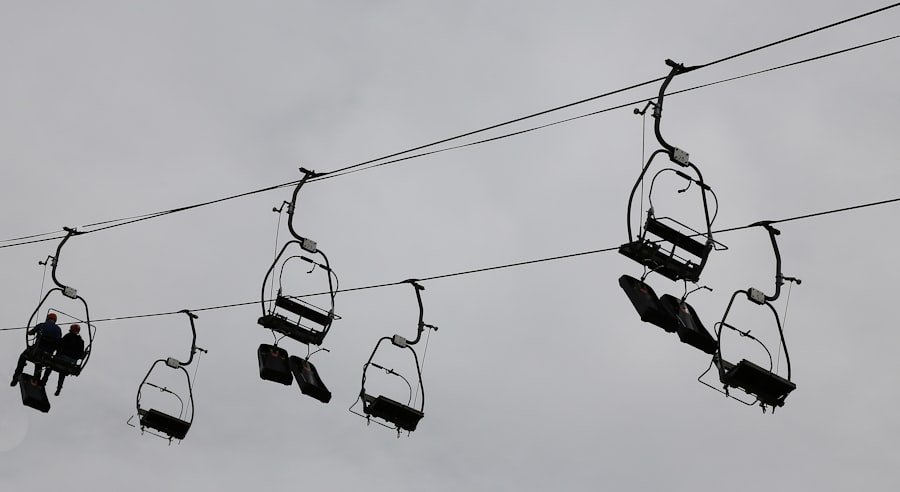
Swiss mountain operators commonly sell single journeys, return journeys, sightseeing tickets, ski passes, multi-day passes, regional passes, and packages that combine transport with attractions or meals. The right product depends on where you start, where you plan to finish, and whether you intend to stop at intermediate stations.
Current 2026 Fare Examples
The following examples were checked on official operator websites on August 17, 2026. They are useful for understanding the price range, but fares can change, so use the linked operator page as the final authority before purchase.
| Excursion | Official listed adult fare checked Aug. 17, 2026 | Official information |
|---|---|---|
| Matterhorn Glacier Paradise | From CHF 120 | Zermatt Bergbahnen |
| Engelberg-TITLIS return | CHF 102 | TITLIS Cableways |
| Kriens-Pilatus Kulm-Kriens summer excursion | CHF 84 | Pilatus-Bahnen |
Do not assume that summer is always more expensive. Some operators use seasonal or demand-based prices, while others publish fixed route tariffs. Zermatt Bergbahnen, for example, publishes seasonal sightseeing prices and promotes early purchasing for some products. TITLIS and Pilatus publish route-based tariffs with their own discount rules.
How to Book a Swiss Mountain Cable Car
- Choose the exact mountain and route. Write down your starting station, destination, and whether you will return by the same route.
- Open the official operator website. This is the best place to confirm the current timetable, maintenance notices, included attractions, and fare conditions.
- Enter the correct travel date and passenger ages. Children’s fares often depend on exact age.
- Add your discount product. Select your Swiss Travel Pass, Half Fare Card, GA, Junior Travelcard, regional pass, or other eligible reduction only if the operator confirms that it applies.
- Check whether a reservation is separate. A transport ticket does not always guarantee a reserved seat or time slot. Pilatus, for example, recommends a separate seat reservation for its cogwheel railway.
- Review inclusions. Check whether attractions, local buses, bikes, dogs, or intermediate stops are covered.
- Read cancellation terms. Refund and change rules vary by product and operator.
- Save the ticket. Keep the QR code or ticket available even if mobile reception is weak at the station or on the mountain.
Pro Tip: Before paying, compare the full-fare ticket with the price after applying any travel pass you already hold. Do not buy a second mountain pass automatically; the discount you already have may be enough.
Official Operator or Third-Party Booking Platform?
Official operator websites usually provide the clearest information about timetable changes, maintenance, route closures, ticket inclusions, age rules, and discounts. Third-party platforms such as Viator, GetYourGuide, or Klook may also sell tours or combined experiences for some destinations, but check exactly what is included and compare cancellation terms before paying.
If a third-party product bundles transport with a guide, transfer, or attraction, it may be useful. If you only need the mountain ticket, checking the official operator first makes it easier to understand what you are actually buying.
Using Swiss Travel Passes and Other Discounts
One of the easiest ways to reduce mountain-transport costs is to check whether your existing Swiss public-transport pass applies. According to SBB, the Swiss Travel Pass includes selected mountain excursions and provides discounts on many others.
The exact reduction is route-specific. For example, TITLIS currently lists a 50% reduction for Swiss Travel Pass holders on eligible single and return pedestrian tickets. Matterhorn Glacier Paradise lists a 50% reduction for GA, Half Fare, and Swiss Travel Pass holders on its applicable sightseeing ticket. Pilatus lists 50% reductions for Swiss Travel Pass holders on qualifying mountain routes.
- Swiss Travel Pass: Can include or discount mountain excursions depending on the route.
- Swiss Half Fare Card: Can reduce many public-transport and mountain-railway fares.
- Junior Travelcard/Children’s Co-Travelcard: Can produce major savings for eligible children on participating operators.
- Regional passes: May include specific lifts within their region.
- Group fares: Some operators offer reductions when a minimum group size and booking conditions are met.
Note: Do not assume a discount applies to every attraction connected with a mountain ticket. TITLIS, for example, excludes some add-on installations from certain reductions.
Planning Your Visit: What to Bring and What to Expect
| Items to Bring | Expectations |
|---|---|
| Comfortable shoes | Expect walking around stations, viewpoints, and possibly mountain paths |
| Sunscreen | Expect prolonged exposure outdoors, including strong sun at altitude |
| Water bottle | Expect to stay hydrated, especially if walking or hiking |
| Camera or charged phone | Expect panoramic viewpoints and rapidly changing mountain light |
| Warm or waterproof layer | Expect temperatures and wind to differ substantially from the valley |
| ID and travel-pass proof | Some child, age-based, or discount tickets require proof of eligibility |
The temperature and wind at a high mountain station can feel very different from conditions in the valley. Layering is therefore more useful than relying on a single heavy item. A lightweight insulated layer, weather-resistant outer layer, sturdy footwear, sun protection, water, and a charged phone cover most sightseeing trips.
Check both the operating timetable and the mountain weather shortly before departure. MeteoSwiss publishes weather and hazard information for Switzerland, while the operator’s own website normally provides the most relevant live lift status.
Warning: High-altitude sightseeing is not the same as a normal valley excursion. Matterhorn Glacier Paradise reaches 3,883 m, and its operator does not permit children under three on the Trockener Steg-Matterhorn Glacier Paradise section because of altitude-sickness concerns. Follow all operator restrictions, take symptoms of feeling unwell seriously, and descend or seek assistance if necessary.
As the cable car climbs, the landscape can change quickly from village and forest scenery to exposed rock, snow, and glacier terrain. Give yourself enough time at the top rather than planning a connection that forces you to rush back to the final descent.
Accessing the Swiss Mountain Cable Cars: Transportation and Parking
Switzerland’s train and bus network connects many cities and resorts directly or indirectly with mountain-transport stations. Using public transport can remove the need to find parking and can work especially well when your cable-car excursion starts and ends at different places.
Driving can also be practical at destinations with dedicated valley-station parking, but do not assume every resort allows normal car access. Zermatt is car-free. Visitors arriving by car normally park in Täsch and continue to Zermatt by shuttle train or authorized transfer.
If you plan to visit Pilatus, the route also affects your transport plan. The mountain can be approached through Kriens using gondolas and an aerial cableway or through Alpnachstad using the cogwheel railway during its operating season. Round-trip products can combine mountain transport with trains, buses, or boats.
Pro Tip: Search your entire hotel-to-valley-station journey before buying the mountain ticket. A very early cable-car booking is not useful if the first train or bus cannot get you to the base station in time.
Accessibility, Children, Pets, Bikes, and Luggage
Accessibility varies significantly between destinations and can change temporarily during construction or maintenance. Check the operator’s current accessibility page if anyone in your group uses a wheelchair, pushchair, walking aid, or needs step-free transfers.
The same applies to children, pets, bikes, and larger luggage. A ticket that transports a passenger does not automatically include every additional item.
- Children: Check both age-based fares and high-altitude restrictions.
- Wheelchairs and pushchairs: Confirm accessibility for every transfer station, not just the valley station.
- Dogs: Some operators carry dogs free, while others require a ticket above a specified size.
- Bikes: Bike transport may be included only on selected sections or with specific ticket products.
- Luggage: Large suitcases are usually better left at your accommodation or a station locker unless the operator explicitly supports luggage transport.
For example, Matterhorn Glacier Paradise currently includes bike transport as far as Trockener Steg and carries dogs free on the relevant sightseeing ticket. TITLIS and Pilatus publish separate pet and accessibility rules, so checking the exact destination avoids surprises at the gate.
Safety and Regulations: Important Information for a Safe Journey
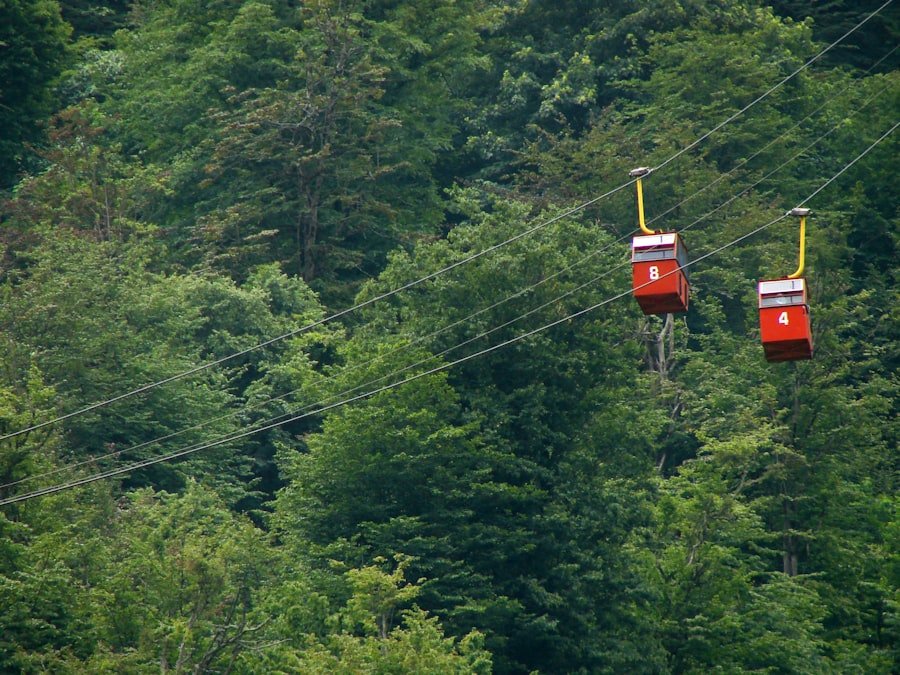
Swiss passenger cableways operate within a formal safety framework. The Federal Office of Transport oversees federally licensed installations, while other installations fall under the relevant cantonal system.
Passengers still have an important role. Follow station signs and staff instructions, allow people to leave before boarding where directed, supervise children, and keep loose equipment under control. Never cross barriers or enter closed technical areas.
Weather can interrupt operations. Strong wind, thunderstorms, heavy snow, avalanche risk, or technical issues can lead to delayed or suspended service even when a lift normally operates during that season.
Warning: Never rely only on a scheduled closing time. Check the live operating status before going up, then note the actual last descent for your route. Missing the final cable car can create a serious problem on a mountain where there is no safe walking route back to the valley.
If your trip includes hiking after the cable-car ride, check trail conditions separately. A lift may be running while a particular hiking trail is still snow-covered, closed, exposed, or unsuitable for your experience level.
Special Offers and Packages for a Memorable Experience
Special offers can make mountain excursions more affordable, but they are usually operator-specific. Possible options include family fares, group rates, public-transport combination tickets, meal packages, attraction bundles, regional passes, and seasonal promotions.
The Swiss Travel Pass and Swiss Half Fare products are especially important to check before paying full fare. SBB states that the Swiss Travel Pass provides discounts on many mountain excursions, while some mountain excursions are included outright.
Operators may also create their own offers. Pilatus, for example, sells round trips that combine mountain transport with a train or boat connection, while Schilthorn publishes sightseeing and dining offers alongside normal transport tickets.
The cheapest ticket is not always the ticket with the lowest headline price. A pass or combination ticket can be better value when it replaces several separate train, bus, boat, and mountain-transport fares.
Tips and Tricks for a Smooth and Enjoyable Cable Car Experience
An early start is often useful because it gives you more time on the mountain, a larger margin before the last descent, and flexibility if transport is delayed. It can also help you avoid some of the busiest sightseeing periods.
- Check the webcam and live status: A valley can be sunny while the summit is inside cloud.
- Know the final descent: Save the time on your phone instead of relying on memory.
- Arrive with your ticket ready: Open the QR code before reaching the gate.
- Do not assume every cabin needs a reservation: Many cable cars run continuously or at frequent intervals, while some railway sections use separate reservations.
- Stand where permitted without blocking doors: Large windows often provide good views from several parts of the cabin.
- Leave time for intermediate stops: Some tickets allow you to get on or off at selected stations.
- Take breaks when hiking: A fast cable-car ascent can place you at a much higher elevation before you have begun walking.
- Talk to staff when uncertain: Station employees can clarify which platform, cabin, or connection you need.
Talking with fellow travelers can also be enjoyable, particularly when exchanging ideas about viewpoints or trails, but use official signs, maps, operator information, and marked-route guidance for safety decisions rather than relying only on another visitor’s experience.
Exploring Switzerland’s mountains by cable car can combine efficient transportation with some of the country’s most memorable scenery. The smoothest trips come from choosing the correct mountain for your abilities and interests, buying the right ticket, understanding your pass discounts, checking access and weather conditions, dressing for the summit rather than the valley, and leaving enough time for the final descent.
Separate food-focused reading: The original article also referenced Exploring the Delightful World of Asian Melon. It is not a Swiss cable-car booking resource, but the link is retained here from the original content.
Frequently Asked Questions
What are popular Swiss mountain cable-car excursions to book?
Popular sightseeing choices include Matterhorn Glacier Paradise above Zermatt, TITLIS from Engelberg, Schilthorn – Piz Gloria above Mürren, and the Pilatus mountain-transport system near Lucerne. Pilatus includes aerial cableways and a cogwheel railway, so it should not be described simply as a cable car.
How can I book Swiss mountain cable cars?
The safest starting point is the official website of the cable-car or mountain-railway operator. Choose your travel date, route, passenger ages, and eligible discount pass before paying. Third-party platforms such as Viator, GetYourGuide, or Klook may offer selected tours or bundles, but compare inclusions and cancellation conditions with the operator’s own ticket.
Are there discounts or special offers for Swiss mountain cable cars?
Yes. Depending on the operator, discounts may be available for Swiss Travel Pass or Half Fare holders, children, families, groups, regional-pass holders, and other categories. The percentage and eligible routes vary, so check the operator’s current tariff rather than assuming every mountain uses the same discount.
Can I book Swiss mountain cable cars in advance?
Many major operators sell tickets online in advance. Advance purchase can save time and may provide better pricing on selected products, but not every cable car uses timed reservations. Always distinguish between buying a ticket and reserving a specific departure or seat.
What is the best time of day to take a Swiss mountain cable car?
An early start is usually the safest general strategy because it gives you more time for connections, sightseeing, weather changes, and the return journey. There is no universal best late-afternoon time. Check the specific operator’s timetable and work backward from the last descent.
Does a Swiss Travel Pass include mountain cable cars?
Some mountain excursions are included while many others receive a discount. SBB currently states that the Swiss Travel Pass provides reductions on numerous mountain excursions. Confirm the exact route in the pass validity information or with the mountain operator before buying an additional ticket.
Do I need a reservation as well as a cable-car ticket?
Often no, because many cable cars operate continuously or at frequent intervals. However, some connected mountain railways or special products use reservations. Pilatus, for example, recommends a seat reservation for its cogwheel railway. Check the operator’s instructions for your exact route.
What happens if bad weather affects my cable car?
Operators may delay, restrict, or suspend service when wind, storms, snow, technical conditions, or other hazards make operation unsuitable. Check the operator’s live status before traveling and read the refund or rebooking conditions attached to your ticket.
Sources
- Swiss Federal Office of Transport – Cableways — national cableway statistics, licensing, and safety oversight.
- SBB – Swiss Travel Pass — current mountain-excursion and public-transport benefits.
- MeteoSwiss – Weather Hazards — official Swiss weather and hazard information.
- Zermatt Tourism – Arrival — car-free Zermatt and access through Täsch.
- Zermatt Bergbahnen – Matterhorn Glacier Paradise — fare, altitude, ticket inclusions, discounts, and child restriction.
- Pilatus-Bahnen – Prices — current fares, discount rules, round trips, and cogwheel-railway reservation information.