Quick Answer
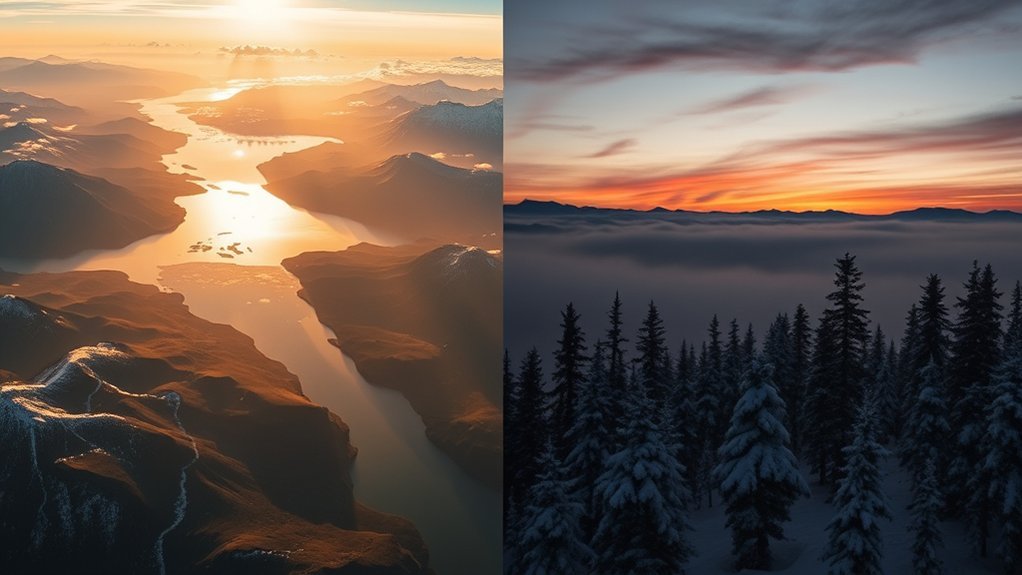
Daylight hours in Alaska swing more than anywhere else in the U.S. Anchorage gets about 19 hours 23 minutes of daylight on the June solstice and about 5 hours 27 minutes on the December solstice. Fairbanks ranges from nearly 22 hours to under 4, and Utqiaġvik has 84 days of midnight sun and about two months of polar night.
Last checked: October 7, 2026. Dates and figures were verified against official sources.
Key takeaways
- Day length changes fast at Alaska’s latitude. Around the March and September equinoxes, Anchorage gains or loses nearly 6 minutes of daylight a day, so plan around the light, not the clock.
- Near the June solstice, Anchorage’s sun sets around 11:40 PM and the sky never gets fully dark. Blackout curtains make sleep much easier.
- Near December 21, Anchorage’s sun is up only from about 10:14 AM to 3:41 PM. Morning light, movement, and social plans help many people cope.
- In Utqiaġvik, the sun stays up from May 10 to August 2 and doesn’t rise at all from November 19, 2026, to January 22, 2027.
Overview of Daylight Hours in Alaska
How much daylight you get in Alaska depends mostly on how far north you are. The farther north you go, the longer summer days and the shorter winter days become. Above the Arctic Circle, you get at least one day with no sunset (the Midnight Sun) and one with no sunrise (polar night).
Utqiaġvik, at about 71°N, is the extreme case. According to NASA Earth Observatory, its sun doesn’t set for 84 days, from May 10 to August 2. In winter, it goes about two months without a sunrise.
In Anchorage, the day is about 19 hours 23 minutes on the June solstice and about 5 hours 27 minutes on the December solstice. That’s a swing of roughly 14 hours. Exact times shift by a minute or so from year to year.
Daylight by City on the Solstices
Here’s how four Alaska cities compare on the longest and shortest days of 2026. Figures come from the U.S. Naval Observatory’s sun and moon data, in local time.
| City (latitude) | June 21 daylight | December 21 daylight |
|---|---|---|
| Utqiaġvik (71.3°N) | 24 hours (no sunset May 10 to August 2) | 0 hours (no sunrise November 19 to January 22) |
| Fairbanks (64.8°N) | About 21 hours 49 minutes | About 3 hours 42 minutes (10:58 AM to 2:40 PM) |
| Anchorage (61.2°N) | About 19 hours 23 minutes (4:20 AM to 11:43 PM) | About 5 hours 27 minutes (10:14 AM to 3:41 PM) |
| Juneau (58.3°N) | About 18 hours 17 minutes (3:51 AM to 10:08 PM) | About 6 hours 22 minutes (8:45 AM to 3:07 PM) |
Anchorage Daylight Hours Month by Month
Anchorage day length climbs from under 6 hours in early January to over 19 hours in late June, then falls again. The table shows 2026 sunrise and sunset on the first of each month, plus both solstices. Times are local, so they include daylight saving time from March 8 to November 1.
| Date (2026) | Sunrise | Sunset | Daylight |
|---|---|---|---|
| January 1 | 10:14 AM | 3:53 PM | 5 h 39 m |
| February 1 | 9:19 AM | 5:08 PM | 7 h 49 m |
| March 1 | 7:59 AM | 6:25 PM | 10 h 26 m |
| April 1 | 7:22 AM | 8:46 PM | 13 h 24 m |
| May 1 | 5:50 AM | 10:05 PM | 16 h 15 m |
| June 1 | 4:36 AM | 11:21 PM | 18 h 45 m |
| June 21 (solstice) | 4:20 AM | 11:43 PM | 19 h 23 m |
| July 1 | 4:28 AM | 11:39 PM | 19 h 11 m |
| August 1 | 5:33 AM | 10:37 PM | 17 h 04 m |
| September 1 | 6:52 AM | 9:05 PM | 14 h 13 m |
| October 1 | 8:07 AM | 7:30 PM | 11 h 23 m |
| November 1 | 8:28 AM | 4:57 PM | 8 h 29 m |
| December 1 | 9:46 AM | 3:51 PM | 6 h 05 m |
| December 21 (solstice) | 10:14 AM | 3:41 PM | 5 h 27 m |
These swings affect work, school, and play. Knowing the pattern helps you plan the season you’re visiting or living through.
January: Embracing Winter’s Darkness
January is still deep winter, but the light is already coming back. Anchorage starts the month with about 5 hours 39 minutes of daylight and reaches about 7 hours 49 minutes by February 1. Sunrise is still after 10 AM in early January, so limited daylight shapes your routine.
Products Worth Considering
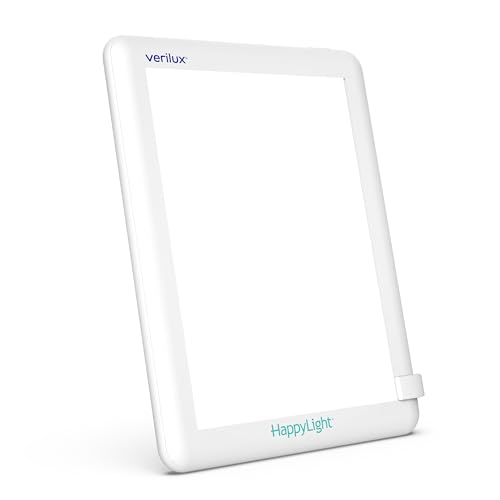
One-Button Light Therapy: The easiest light therapy lamp you’ll ever use! Just press the on/off button and you’re ready to kickstart your morning. HappyLight Lucent delivers up to 10,000 lux of UV-free, LED, full-spectrum light for effective, safe, and natural light therapy that’s free from glares, flickering, and hotspots

Bright Light Therapy: HappyLight Lumi Plus delivers up to 10,000 Lux of UV-Free, LED, full-spectrum light for effective, safe, and natural light therapy that’s free from glares, flickering, and hotspots
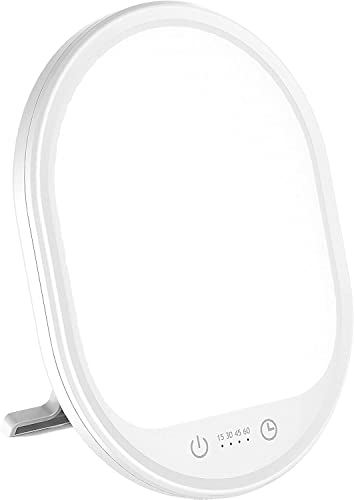
Set & Customize Your timer-【Revitalizing Light Therapy Lamp】Upgrade your daily routine with our new and innovative Light Therapy Lamp. Its sleek and modern design includes a convenient 4 timer function that lets you choose the perfect therapy time for you (15 / 30 / 45 / 60 minutes), starting from a minimum of 15 minutes and gradually increasing to your preferred time for maximum convenience and energy saving.
Winter Solstice Effects
The weeks after the December solstice are some of Alaska’s darkest. The short days affect daily life, mental health, and wildlife behavior.
- Mental Health: Reduced daylight can worsen low mood for some people, including those with seasonal affective disorder (SAD).
- Wildlife Behavior: Many animals shift feeding, movement, and breeding patterns to match the season and save energy.
- Ecosystem Dynamics: With less light, plants grow more slowly. That can affect the whole food chain.
Activities for Long Nights
The long nights of January are a good time for winter fun. Try snowshoeing or cross-country skiing during the midday light, or go ice fishing. For a social boost, look for community bonfires or winter events.
On clear nights, an aurora viewing tour can be a highlight. Explore Fairbanks says the aurora is visible there on about four of every five clear, dark nights during its August 21 to April 21 season.
Late winter brings Alaska’s biggest party. Fur Rondy, held in Anchorage since 1936, runs February 25 to March 7, 2027, with sled dog races, the Running of the Reindeer, and a blanket toss.
Coping With Limited Light
Limited light can be tough, even if winter looks beautiful. These habits can help.
- Maximize natural light: Get outside or sit near a window during the few hours of sun, and keep indoor spaces bright.
- Use light on purpose: Some people use a bright-light box in the morning. Mayo Clinic describes a typical routine as a 10,000-lux box for 20 to 30 minutes within an hour of waking, about 16 to 24 inches from your face. If you have eye problems, take medicines that make you sensitive to light, or have bipolar disorder, ask a clinician first.
- Stay active and connected: Regular movement and planned social time can fight isolation and help regulate sleep.
Note: Winter blues and SAD are not the same. If low mood, oversleeping, or loss of interest lasts for weeks, talk with a doctor or mental health professional. Light therapy, talk therapy, and medication are all proven options.
April: The Return of Light
April brings the clearest jump in daylight, even if winter lingers. In Anchorage, day length grows from about 13 hours 24 minutes on April 1 to about 16 hours 10 minutes by April 30. That’s more than 5 minutes a day, and farther north the change is even faster.
With daylight saving time in effect, Anchorage sunsets move from 8:46 PM to just after 10 PM during the month. The boost in sunlight wakes up nature. Wildlife becomes more active, and plants begin to emerge.
Longer days also make it easier to fit in outdoor things to do like hiking, fishing, and exploring the spring thaw after work.
June: Experiencing the Midnight Sun
June is when daylight hours in Alaska peak. On June 21, 2026, Anchorage’s sun rose at 4:20 AM and set at 11:43 PM. Around the solstice, the sky there never gets darker than twilight, and towns above the Arctic Circle see the sun stay up all day.
- Extended Outdoor Activities: Hike, fish, bike, or camp later than you’d expect. Plan for quick weather changes and bring layers.
- Cultural Events: Fairbanks holds its free Midnight Sun Festival, a 12-hour downtown street fair, around the solstice. On June 21, the Alaska Goldpanners start the Midnight Sun Game at 10 PM and play without artificial lights.
- Solstice in Anchorage: The downtown Summer Solstice Festival fills Town Square Park and Peratrovich Park with music and performers. The same weekend brings the Mayor’s Marathon and the Slam’n Salm’n Derby on Ship Creek.
- Wildlife Observation: Long evenings can increase your chances of seeing active wildlife. Keep a respectful distance.
A common challenge is sleep. Blackout curtains, an eye mask, and a steady bedtime routine help many people wind down during bright nights.
Products Worth Considering

Forest Theme Blackout Curtains: Leading high-definition digital printing technology to ensure long-term use without fading, breathable, anti-wrinkle. Without chemical coating, which is healthier and safer for people, especially babies and kids.

【100% Blackout Material】RUseeN portable blackout curtains are made of thick, sturdy but soft fabric materials which can block 100% sunlight and UV ray.Thanks to the special silver-grey coating behind the blackout blind; blocking off all sunlight and reducing heat, creating a cozy pitch-dark sleeping atmosphere for you, Improve your sleep quality

【PAIR SOLD】Each package includes 2 panels of pinch pleated drapes, comes with curtain rings and plastic hooks ( pls kindly note that plastic hooks have been inserted onto the tops of curtains when production, curtain rings are packed seperatly ), fitting up to 1.5" curtain rods / poles.
September: Transitioning to Shorter Days
September has the fastest daylight loss of the year. In Anchorage, day length drops from about 14 hours 13 minutes on September 1 to about 11 hours 29 minutes by September 30. That’s nearly 6 minutes a day, and day and night are about equal around the September 22 equinox.
This change affects routines and wildlife. Many animals feed more, store food, or migrate. As temperatures cool, you’ll often see peak fall color and great conditions for hiking, berry picking, and photography, so start outings earlier as daylight shrinks.
Pro Tip: September is a sweet spot for northern lights. Nights are dark again, the official Fairbanks aurora season is underway, and temperatures are milder than in midwinter.
November: The Deepening Twilight
In November, evenings arrive early and twilight becomes a big part of the day. Anchorage drops from about 8 hours 29 minutes of daylight on November 1 to about 6 hours 9 minutes on November 30. The steady loss of sunlight can affect mood and energy, especially with cold weather and more time indoors.
Lengthening Nights
In Anchorage, sunset shifts from about 4:57 PM on November 1 to about 3:53 PM on November 30 (local time). Daylight saving time ends on November 1, 2026, so evenings suddenly get dark an hour earlier on the clock.
After sunset, the sky stays dim for a while. Civil twilight lasts about 47 to 57 minutes after sunset, and Anchorage typically has roughly 2.5–3 hours from sunset until the sky is fully dark.
Farther north, the sun disappears completely. Utqiaġvik sees its last sunset of 2026 on November 18 and won’t see the sun rise again until January 23, 2027.
Seasonal Mood Changes
The deepening twilight can reshape the mental landscape. Some people feel more tired, irritable, or withdrawn as daylight fades. Others embrace the season with cozy gatherings, winter sports, and holiday customs.
The National Institute of Mental Health notes that winter-pattern SAD usually starts in late fall or early winter and is more common in northern regions. If low mood is persistent or severe, consider talking with a clinician.
December: The Winter Solstice
December has Alaska’s shortest days. Anchorage goes from about 6 hours 5 minutes of daylight on December 1 to about 5 hours 27 minutes on December 21, when the sun rises at 10:14 AM and sets at 3:41 PM. Fairbanks gets only about 3 hours 42 minutes that day.
Alaskans mark the darkest day with celebrations. Anchorage’s annual Winter Solstice Festival at Cuddy Family Midtown Park has featured ice skating, horse-drawn carriage rides, reindeer, and free hot chocolate.
After the solstice, the light returns slowly at first. Anchorage gains only about 12 minutes by January 1, then picks up speed through February and March.
Unique Activities for Each Season
Each season in Alaska turns its light into a different kind of adventure, from late-night summer hikes to winter nights under the aurora.
- Spring: Use the fast-growing evenings for hiking, fishing, and exploring the spring thaw.
- Summer: See long evenings on trails in Denali National Park and Preserve (and in many other parks and forests statewide), or join a solstice festival.
- Fall: Enjoy harvest and community events, plus prime conditions for hiking, berry picking, and wildlife viewing.
- Winter: Try dog sledding, skating, or northern lights viewing (aurora is best with dark skies and clear weather).
Frequently Asked Questions
How Do Daylight Hours Affect Wildlife Behavior in Alaska?
Daylight is a key cue for Alaska’s wildlife. Many animals time feeding, mating, and migration to the changing light and temperature. Longer spring days bring breeding and new plant growth, while shrinking fall days push animals to feed heavily, store food, or migrate before winter.
What Are the Health Implications of Extreme Daylight Variations?
Big swings in daylight can disrupt sleep and your body clock. Bright summer nights can make it hard to fall asleep, and dark winter months can bring low mood or seasonal affective disorder for some people. Morning light, regular movement, and a steady sleep schedule help, and a clinician can advise on treatment.
How Do Alaskans Adjust Their Daily Routines to Changing Light?
Most Alaskans plan around the light rather than the clock. In summer, they spend long evenings outside and use blackout shades or eye masks to sleep. In winter, they keep strong indoor lighting, get outdoors during the midday sun, and stick to steady routines and social plans.
Are There Specific Festivals Celebrating the Midnight Sun or Winter Darkness?
Yes. Fairbanks holds its free Midnight Sun Festival and the late-night Midnight Sun Game around June 21, and downtown Anchorage hosts a Summer Solstice Festival. In winter, Anchorage holds a Winter Solstice Festival at Cuddy Family Midtown Park, and Fur Rondy runs February 25 to March 7, 2027.
What Gear Is Recommended for Outdoor Activities in Varying Daylight Conditions?
Bring layered clothing and sturdy footwear in every season. Pack a reliable headlamp for short winter days and sunglasses for glare on snow and water. In summer, add sunscreen and an eye mask, because the sun can stay up for more than 19 hours in Anchorage.
Does Alaska Have 24 Hours of Darkness?
Only in the far north, and even then it isn’t pitch black all day. In Utqiaġvik, the sun doesn’t rise from November 19, 2026, to January 22, 2027, but the midday sky still brightens with several hours of twilight. Anchorage and Fairbanks get a sunrise every day of the year.
When Is the Longest Day in Alaska?
The longest day is the June solstice, around June 20 or 21. In 2026, Anchorage got about 19 hours 23 minutes of daylight and Fairbanks nearly 22 hours. Places above the Arctic Circle, such as Utqiaġvik, have the sun above the horizon around the clock for weeks.
How Fast Does Daylight Return After the Winter Solstice?
Slowly at first, then quickly. Anchorage gains only about 12 minutes between December 21 and January 1. From February through April, it gains roughly 5 to 6 minutes a day. By April 1, Anchorage has about 13 hours 24 minutes of daylight.
Sources
- U.S. Naval Observatory, Sun and Moon Data for One Day: 2026 sunrise, sunset, twilight, and day-length figures for Anchorage, Fairbanks, Juneau, and Utqiaġvik
- NASA Earth Observatory: Utqiaġvik’s 84 days of midnight sun and its polar night
- Explore Fairbanks: aurora season dates and viewing odds
- Visit Anchorage, Fur Rondy: 2027 festival dates and events
- Mayo Clinic, Light Therapy: light box intensity, timing, and cautions
- National Institute of Mental Health, Seasonal Affective Disorder: SAD timing, risk, and treatments
- Travel Alaska, Midnight Sun Festival and Midnight Sun Baseball Game: Fairbanks solstice events
- Visit Anchorage, Summer Solstice Festival: Anchorage solstice events and venues
- Alaska’s News Source: Anchorage’s Winter Solstice Festival at Cuddy Family Midtown Park