Switzerland’s cheese dairies range from modern visitor centers where you can watch production from a gallery to historic dairies, village cheesemakers, tasting rooms, and hands-on workshops. The best experience depends on whether you want to see live cheesemaking, learn how famous AOP cheeses are produced, taste different maturation levels, or simply understand the traditions behind Swiss cheese.
Quick Answer
Swiss cheese dairies let visitors explore how cheeses such as Le Gruyère AOP, Emmentaler AOP, and Appenzeller are made and matured. Experiences vary by dairy: some offer live production viewing, while others focus on exhibitions, cellars, tastings, workshops, restaurants, and shops. Check the official dairy schedule before visiting.
Key Takeaways
- Swiss cheesemaking traditions go back centuries, but production methods and visitor experiences differ by region and cheese.
- Large holes, or “eyes,” are especially associated with Emmentaler AOP and should not be treated as a feature of every Swiss cheese.
- La Maison du Gruyère and Appenzeller Show Dairy are strong choices if seeing active cheesemaking is important to you.
- The Emmental Show Dairy remains a major visitor attraction, but its former Emmentaler AOP production facilities changed after June 2025.
- Tours, tastings, and workshops have different schedules, so check the official website before making a special trip.
- Vacuum packaging can protect cheese during travel, but you should still follow the storage label and your destination country’s customs rules.
The History of Swiss Cheese Dairies
Cheesemaking has been part of Swiss agricultural life for centuries. Rather than having one single origin story, Switzerland developed regional cheese traditions shaped by local milk, climate, pasture, production rules, and methods of maturation. One well-documented example is Le Gruyère AOP: La Maison du Gruyère traces the cheese’s history in Switzerland to 1115.
Over time, cheesemaking became closely connected with farming communities, village dairies, alpine agriculture, affineurs who mature cheese, and organizations that protect regional production standards. Cheeses such as Emmentaler, Le Gruyère, Appenzeller, Sbrinz, Raclette du Valais, and Tête de Moine developed distinct identities instead of following one universal “Swiss cheese” recipe.
Swiss cheese is not one style of cheese. Switzerland produces many regional cheeses with different textures, maturation periods, production rules, and flavors.
The Art of Swiss Cheese Making
Although the exact process depends on the cheese, production usually begins with carefully controlled milk. Cultures and rennet help coagulate the milk, forming curds. Cheesemakers cut and heat the curds according to the style they are producing, separate much of the whey, place the curds into molds, press or drain them, salt the cheese, and then mature it under controlled conditions.
Temperature, humidity, microbial cultures, salt, wheel size, milk characteristics, and maturation time all affect the finished cheese. Some protected cheeses also have strict rules governing where the milk comes from and where production and maturation may take place.
Why Does Emmentaler Have Holes?
The famous holes, often called “eyes,” are particularly associated with Emmentaler AOP. According to the official Emmentaler AOP production guide, lactic acid bacteria first convert lactose into lactic acid. Later, warm-cellar conditions trigger propionic acid fermentation. Carbon dioxide forms during that stage and becomes trapped inside the cheese, producing the characteristic holes.
Emmentaler AOP matures for at least 120 days. Different maturation levels can continue far longer, allowing its flavor to progress from relatively mild and nutty to stronger and more aromatic.
Note: Do not expect every Swiss cheese to have large holes. Gruyère, Appenzeller, Sbrinz, Tête de Moine, and many other Swiss cheeses have their own characteristic structures.
Exploring Different Types of Swiss Cheese
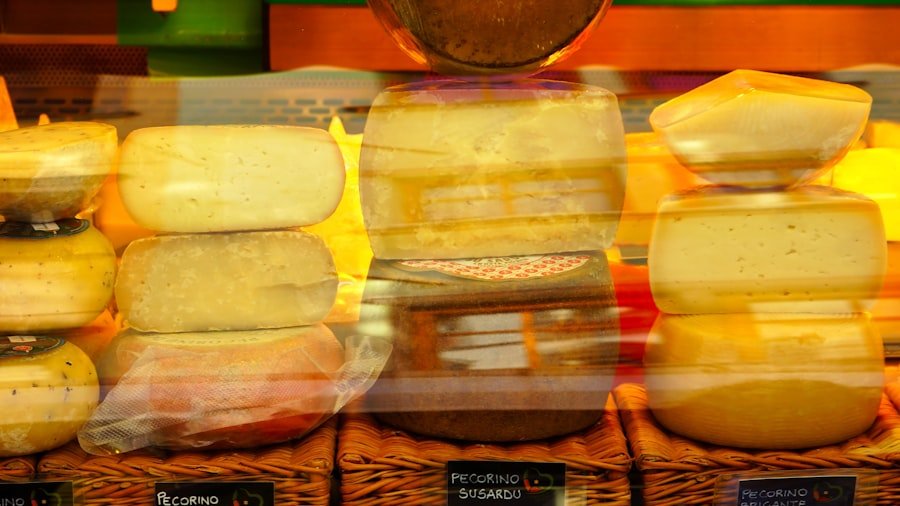
Emmentaler AOP comes from the Emmental tradition in the canton of Bern and is famous for its large eyes. Its long maturation and distinctive fermentation give it flavors that can range from mild and nutty to much more intense with age.
Le Gruyère AOP is a firm Swiss cheese with a dense texture and increasingly complex flavor as it matures. According to the Interprofession du Gruyère, wheels can enter the market from five months. Gruyère AOP Classic is generally matured for 6 to 9 months, Réserve starts from 10 months, and selected wheels may mature for 18 or even 24 months. Gruyère is widely used for cheese boards, cooking, gratins, and fondue blends.
Appenzeller is known for a more aromatic, often tangy profile. During maturation, the cheese is regularly treated with a proprietary herbal brine whose exact recipe is kept secret. Different Appenzeller varieties are matured for different lengths of time, so intensity varies considerably.
Sbrinz AOP is an extra-hard cheese from central Switzerland. The official Sbrinz organization states that it reaches its minimum consumption age at 18 months and develops its full flavor with additional maturation. It can be enjoyed in thin shavings, broken into pieces, or grated.
Other Swiss specialties include Tête de Moine AOP, Raclette du Valais AOP, Vacherin Fribourgeois AOP, and numerous mountain and village cheeses. Trying several styles side by side is one of the easiest ways to understand how much Swiss cheese varies from region to region.
Visiting Traditional Swiss Cheese Dairies
A cheese dairy visit can include a production gallery, multimedia exhibition, maturation cellar, tasting, shop, restaurant, guided tour, or hands-on workshop. What you actually see depends on the facility and the time of day, so it is better to choose a dairy based on the experience you want rather than assuming every dairy offers the same tour.
| Dairy / Attraction | Location | Best For |
| La Maison du Gruyère | Pringy-Gruyères | Watching Le Gruyère AOP production from the visitor gallery, exhibition, tasting, shop, and restaurant. |
| Appenzeller Show Dairy | Stein AR | Active cheesemaking, a family-friendly exhibition, cheese cellar views, shop, restaurant, playground, and make-your-own-cheese experiences. |
| Emmental Show Dairy | Affoltern im Emmental | The King’s Way exhibition, maturation-cellar views, Emmentaler tastings, workshops, restaurant, and regional cheese shopping. |
| Maison de la Tête de Moine | Bellelay | Historic cheesemaking, Tête de Moine AOP, museum exhibits, tastings, and pre-booked group manufacturing experiences. |
La Maison du Gruyère is especially useful for travelers who want to see active Le Gruyère AOP production. Its official visitor information states that cheesemaking can normally be watched from the gallery several times during the morning. Appenzeller Show Dairy also lists daily cheesemaking, along with self-guided exhibits and family activities.
The Emmental Show Dairy requires an important distinction. Its former production facilities changed after the end of June 2025. The site remains open as a major Emmentaler visitor experience, with the King’s Way, cheese-cellar views, tastings, workshops, a restaurant, and a large cheese shop. Check its current official FAQ before visiting if live production is your main priority.
How to Plan a Swiss Cheese Dairy Visit
Decide What You Want to See
A large show dairy is usually the easiest choice for first-time visitors because exhibitions, shops, restaurants, toilets, and multilingual information are concentrated in one place. A smaller village or alpine dairy may feel more intimate, but opening times, demonstrations, languages, and public access can be much more limited.
Check Production Times, Not Just Opening Hours
A visitor center may stay open long after the day’s cheesemaking has finished. For example, La Maison du Gruyère schedules live production viewing mainly during the morning, while Appenzeller Show Dairy currently advertises cheesemaking during the day until mid-afternoon. Always verify the current production schedule on the dairy’s official website.
Pro Tip: If watching curds being cut, stirred, molded, or pressed is your priority, plan around the cheesemaking schedule first and build the rest of your sightseeing day around it.
Book Workshops and Guided Experiences Early
Ordinary self-guided exhibitions may allow walk-in visitors, but hands-on cheesemaking and guided group experiences often require reservations. The Maison de la Tête de Moine, for example, requires advance booking for its more involved group manufacturing experience. The Emmental and Appenzeller attractions also offer workshops or guided activities whose schedules differ from standard admission.
Consider Public Transport and Accessibility
Several major cheese attractions can be reached without a car. Check the dairy’s official directions together with the current Swiss public-transport timetable before traveling. Accessibility also varies, although major visitor centers increasingly provide step-free routes, lifts, or other adaptations. Contact the facility before visiting if a particular accessibility feature is essential.
Traveling With Children
Families do not need to choose a serious technical tour. Appenzeller Show Dairy promotes a family-friendly self-guided experience and playground, while the Emmental Show Dairy offers a family-oriented King’s Way attraction. A shorter exhibition followed by a tasting often works better for younger children than a long production lecture.
Current visitor note: As of August 16, 2026, Switzerland Tourism says the Swiss Cheese Pass is being revised and cannot currently be ordered online. Visits to participating show dairies remain possible. Check again before planning around the pass because this status may change.
Tasting Tours and Workshops
Tasting is one of the best ways to understand how maturation changes cheese. Instead of simply trying unrelated samples, compare younger and older versions of the same cheese when possible. With Emmentaler or Gruyère, for example, longer maturation normally creates a firmer texture and a deeper, more concentrated flavor.
Some visitor centers include samples with an exhibition, while others sell tasting plates or offer guided tastings. Hands-on workshops go further by letting participants work with milk or curds under supervision. These experiences may focus on fresh cheese rather than reproducing a protected AOP cheese from start to finish, so read the workshop description before booking.
Useful questions to ask during a tasting include how long each cheese was matured, whether the milk is raw or pasteurized, how the rind is treated, where the milk comes from, and how the cheesemaker decides when a wheel is ready for sale.
Meeting the Cheesemakers
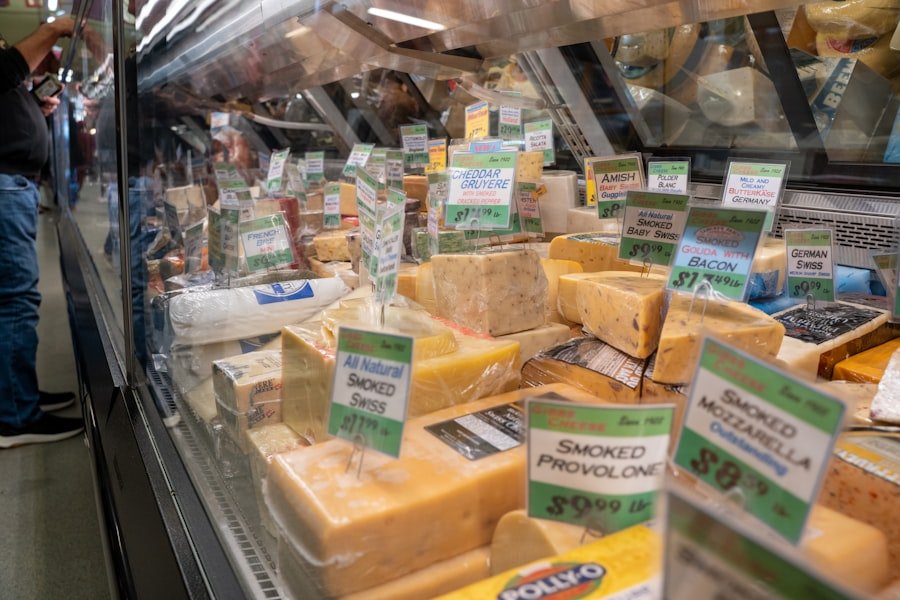
Meeting a cheesemaker can turn a general dairy visit into a much more useful learning experience. Cheesemakers work with changing milk characteristics, cultures, curd development, temperature, salt, humidity, and maturation conditions while still meeting the rules that apply to the cheese they produce.
If you have the chance to speak with one, ask how the milk changes with the seasons, what part of production requires the most judgment, how wheels are graded, and what causes one batch to develop differently from another. In protected AOP systems, you can also ask how traceability works and which production requirements distinguish the authentic regional cheese from similar styles produced elsewhere.
Do not assume that a standard admission ticket includes time with the cheesemaker. At busy show dairies, visitors may watch production from a gallery instead. Guided or workshop experiences are usually better if direct interaction is important to you.
Sustainable Practices in Swiss Cheese Dairies
Sustainability practices vary from one dairy and cheese network to another, so broad claims about every Swiss dairy should be avoided. Protected cheese organizations can, however, provide concrete examples of how regional production systems operate.
The Le Gruyère AOP sustainability program, for example, describes a local production network in which farms supplying a dairy are limited geographically, milk deliveries and wheel identity are traceable, and each stage is governed by detailed specifications. The organization also reports efforts to reduce fossil-fuel use, increase renewable-energy use, and reuse production by-products where possible.
These practices show why it is better to look at the rules and environmental programs of a specific cheese or dairy rather than assuming that labels such as “traditional,” “alpine,” or “artisanal” automatically mean organic or carbon-neutral production.
Bringing Home Swiss Cheese Souvenirs
Cheese shops at visitor centers and throughout Switzerland sell wedges, whole or partial wheels, tasting selections, and regional gift packs. Before buying, tell the staff how long you will be traveling. They can help you choose a cheese and packaging suited to the journey.
Harder, well-matured cheeses are often easier to transport than very fresh or soft cheeses, but storage requirements still depend on the actual product. Vacuum packaging reduces air exposure and can help protect quality and contain aromas, but it does not automatically make a refrigerated food shelf-stable.
Warning: Follow the storage instructions printed on the cheese or supplied by the producer. A vacuum-sealed package may still require refrigeration. If you are flying internationally, also check the food-import rules of your destination country before purchasing dairy products. General food-safety guidance from the USDA Food Safety and Inspection Service notes that vacuum packing alone does not make a perishable product safe without refrigeration.
If your dairy visit inspires you to experiment with fresh cheese at home, you can also try this delicious homemade cottage cheese recipe. Cottage cheese is a fresh-cheese style and is quite different from long-matured Swiss cheeses such as Emmentaler AOP, Gruyère AOP, or Sbrinz AOP, but making it can help you understand the basic transformation of milk into curds and whey.
Frequently Asked Questions
What are cheese dairies in Switzerland?
Swiss cheese dairies are facilities where milk is transformed into cheese. They range from working village and alpine dairies to larger show dairies designed for visitors. Some make protected regional cheeses such as Le Gruyère AOP or Appenzeller, while others focus on exhibitions, maturation, tastings, workshops, and retail.
Can visitors tour cheese dairies in Switzerland?
Yes. Major visitor attractions such as La Maison du Gruyère, Appenzeller Show Dairy, Emmental Show Dairy, and Maison de la Tête de Moine welcome visitors. What is included varies, so check the official website for current admission, production times, guided tours, and workshop requirements.
What can visitors expect to see on a Swiss cheese dairy tour?
Depending on the dairy, you may see production vats, curd handling, molding, pressing, maturation cellars, historical equipment, multimedia displays, or live cheesemaking from a viewing gallery. Not every dairy shows every production stage, and milking normally takes place on farms rather than inside the visitor center.
Which Swiss cheese dairy is best for watching live cheesemaking?
La Maison du Gruyère is a strong option because visitors can normally watch Le Gruyère AOP production from its gallery during scheduled morning production. Appenzeller Show Dairy also advertises active cheesemaking during the day. Always confirm the day’s schedule before traveling.
Can I still visit the Emmental Show Dairy?
Yes. The attraction remains open. However, its former Emmentaler AOP production facilities changed after the end of June 2025. Current experiences include the King’s Way exhibition, views into the cheese cellars, tastings, workshops, a restaurant, and cheese shopping.
Are cheese tastings available at Swiss cheese dairies?
Many major show dairies offer some form of tasting, either as part of an exhibition, through a guided tasting, or in the shop or restaurant. Availability and what is included with admission differ by facility.
Do I need to book a Swiss cheese dairy tour in advance?
Self-guided visitor exhibitions may allow walk-in entry, but guided tours, group visits, and hands-on cheesemaking workshops often require advance reservations. Booking ahead is especially sensible if a workshop or live-production experience is the main reason for your visit.
How can visitors find current cheese dairy information in Switzerland?
Use the official website of the dairy or cheese association first, then Switzerland Tourism and the current Swiss public-transport timetable for trip planning. Opening hours, live-production schedules, workshops, and seasonal activities can change, so verify them shortly before your visit.
Can I take Swiss cheese home on an international flight?
Possibly, but the answer depends on your destination country’s food-import rules and the cheese itself. Ask the seller about packaging and refrigeration, keep the original product label when possible, and check the customs or agricultural authority of the country you are entering before you travel.
Sources
- Switzerland Tourism — Swiss Cheese Passport — current show-dairy participation and Swiss Cheese Pass status.
- Emmentaler AOP — How Milk Becomes Cheese — production process, fermentation, hole formation, and maturation.
- Interprofession du Gruyère — Production of Le Gruyère AOP — maturation periods, production standards, and visitor information.
- Interprofession du Gruyère — Sustainability — traceability, local production network, renewable-energy efforts, and by-product use.
- La Maison du Gruyère — official visitor and cheesemaking information.
- Appenzeller Show Dairy — official visitor, cheesemaking, workshop, family, shop, and restaurant information.