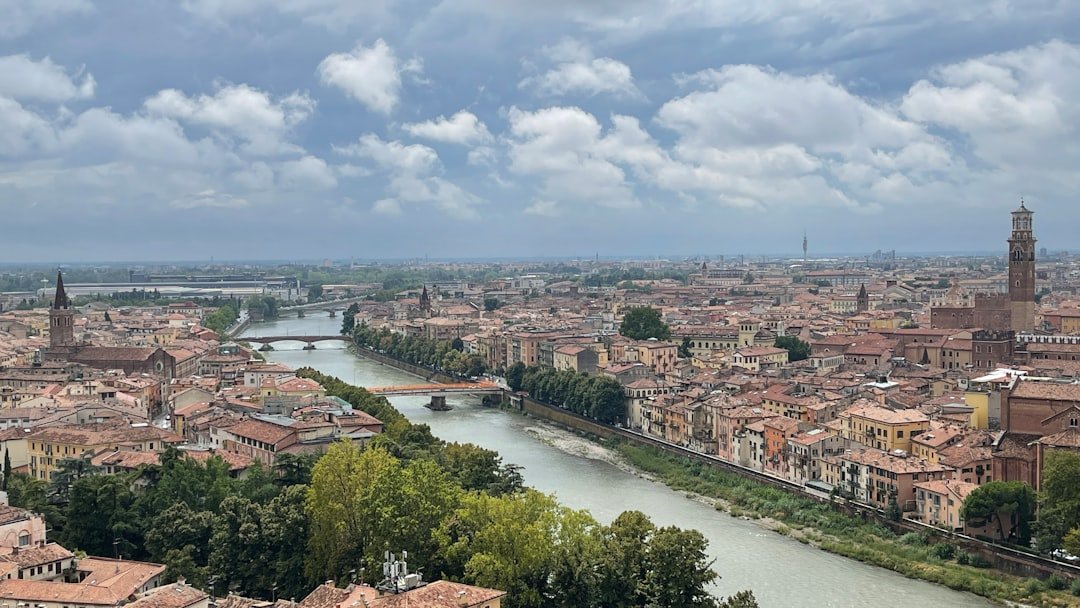
Verona, a city steeped in history and romance, is located in the northern part of Italy, nestled between the Adige River and the foothills of the Alps. Known primarily as the setting for Shakespeare’s tragic love story “Romeo and Juliet,” Verona boasts a rich tapestry of cultural influences that span centuries. The city is not only a UNESCO World Heritage site but also a vibrant hub of art, architecture, and Italian cuisine.
With its charming cobblestone streets, stunning piazzas, and ancient Roman ruins, Verona offers visitors an enchanting glimpse into Italy’s past while providing a lively atmosphere that is distinctly modern. The city’s history dates back to Roman times, and remnants of this era can be found throughout its landscape. From the impressive Arena di Verona, an ancient amphitheater that still hosts operatic performances today, to the well-preserved ruins of Roman gates and theaters, the city is a living museum.
Beyond its historical significance, Verona is also known for its picturesque setting, with the Adige River winding through the city and lush hills surrounding it. This combination of history, culture, and natural beauty makes Verona a must-visit destination for travelers seeking an authentic Italian experience.
Key Takeaways
- Verona is a charming city in northern Italy, known for its rich history, culture, and natural beauty.
- Day 1: Explore Verona’s historic center, including the iconic Arena di Verona and Juliet’s House.
- Day 2: Discover Verona’s cultural heritage by visiting the Roman Theater, Castelvecchio Museum, and the beautiful churches.
- Day 3: Enjoy Verona’s natural beauty with a visit to Giardino Giusti and a leisurely stroll along the Adige River.
- There are various accommodation options in Verona, from luxury hotels to cozy bed and breakfasts.
- Indulge in delicious Italian cuisine at the local trattorias, osterias, and gelaterias in Verona.
- Getting around Verona is easy with its efficient public transportation system and walkable city center.
- Must-see attractions in Verona include Piazza delle Erbe, Piazza Bra, and the Lamberti Tower.
- Discover hidden gems in Verona such as the Ponte Pietra, the Scaliger Tombs, and the Arche Scaligere.
- Shop for souvenirs, fashion, and local products in Verona’s charming shops and markets.
- Tips for first-time visitors to Verona include wearing comfortable shoes, respecting local customs, and trying the local wine, Amarone.
Day 1: Exploring Verona’s Historic Center
On the first day in Verona, visitors should immerse themselves in the city’s historic center, which is a treasure trove of architectural wonders and cultural landmarks. Starting at the Piazza Bra, the largest square in Verona, one can marvel at the grandeur of the Arena di Verona. Built in the first century AD, this Roman amphitheater is remarkably well-preserved and serves as a venue for concerts and operas during the summer months.
Standing in front of the Arena, one can almost hear the echoes of ancient performances that once captivated audiences. From Piazza Bra, a leisurely stroll through the narrow streets leads to Piazza delle Erbe, a vibrant market square that has been the heart of Verona since Roman times. Here, visitors can admire the stunning frescoed buildings that surround the square, including the Torre dei Lamberti, which offers panoramic views of the city from its summit.
The market stalls brimming with fresh produce, local delicacies, and artisanal crafts create a lively atmosphere that invites exploration. A visit to the nearby Casa di Giulietta, famously known as Juliet’s House, allows travelers to step into the world of Shakespeare’s characters. The balcony where Juliet is said to have stood is adorned with love notes from visitors worldwide, adding to the romantic allure of this iconic site.
Day 2: Discovering Verona’s Cultural Heritage
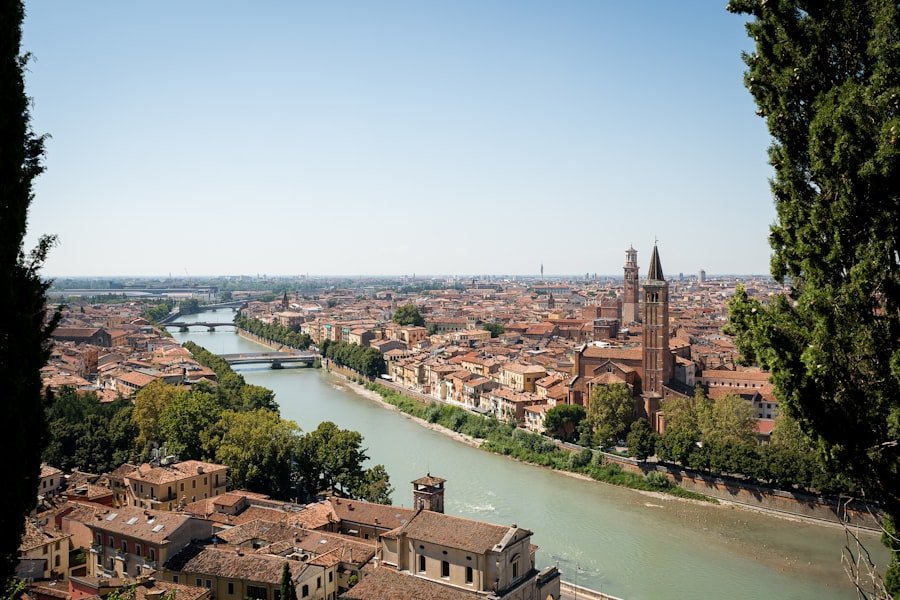
The second day in Verona should be dedicated to delving deeper into the city’s rich cultural heritage. A visit to the Museo di Castelvecchio is essential for art enthusiasts and history buffs alike. Housed in a medieval castle overlooking the Adige River, this museum showcases an impressive collection of Renaissance art, including works by renowned artists such as Pisanello and Mantegna.
The castle itself is a marvel of Gothic architecture, with its imposing towers and fortified walls providing insight into Verona’s medieval past. After exploring Castelvecchio, visitors can head to the Basilica di San Zeno Maggiore, one of Italy’s finest Romanesque churches. The basilica is dedicated to Saint Zeno, the patron saint of Verona, and features stunning frescoes and intricate sculptures that reflect the artistry of the time.
The church’s serene atmosphere invites contemplation and appreciation of its architectural beauty. Nearby lies the Ponte Pietra, an ancient Roman bridge that spans the Adige River. Walking across this historic structure offers breathtaking views of both the river and the surrounding hills, making it an ideal spot for photography enthusiasts.
Day 3: Enjoying Verona’s Natural Beauty
| Location | Activity | Duration |
|---|---|---|
| Giardino Giusti | Exploring Renaissance gardens | 2 hours |
| Ponte Pietra | Admiring ancient Roman bridge | 30 minutes |
| Adige River | Relaxing riverside walk | 1 hour |
On the third day in Verona, it is time to embrace the city’s natural beauty by exploring its parks and scenic viewpoints. A visit to Giardino Giusti is highly recommended for those seeking tranquility amidst lush greenery. This Renaissance garden features meticulously manicured hedges, vibrant flowerbeds, and stunning fountains that create a serene oasis in the heart of the city.
Climbing to the top of the garden provides visitors with sweeping views of Verona’s skyline and surrounding countryside. For those who enjoy outdoor activities, a hike up to Castel San Pietro offers an exhilarating experience. This hilltop fortress provides one of the best panoramic views of Verona and its surroundings.
The ascent can be made via a winding path or by taking a funicular railway for a more leisurely approach. Once at the top, visitors can take in breathtaking vistas that stretch across the city and beyond. The combination of historical significance and natural beauty makes this excursion a highlight of any trip to Verona.
Where to Stay in Verona
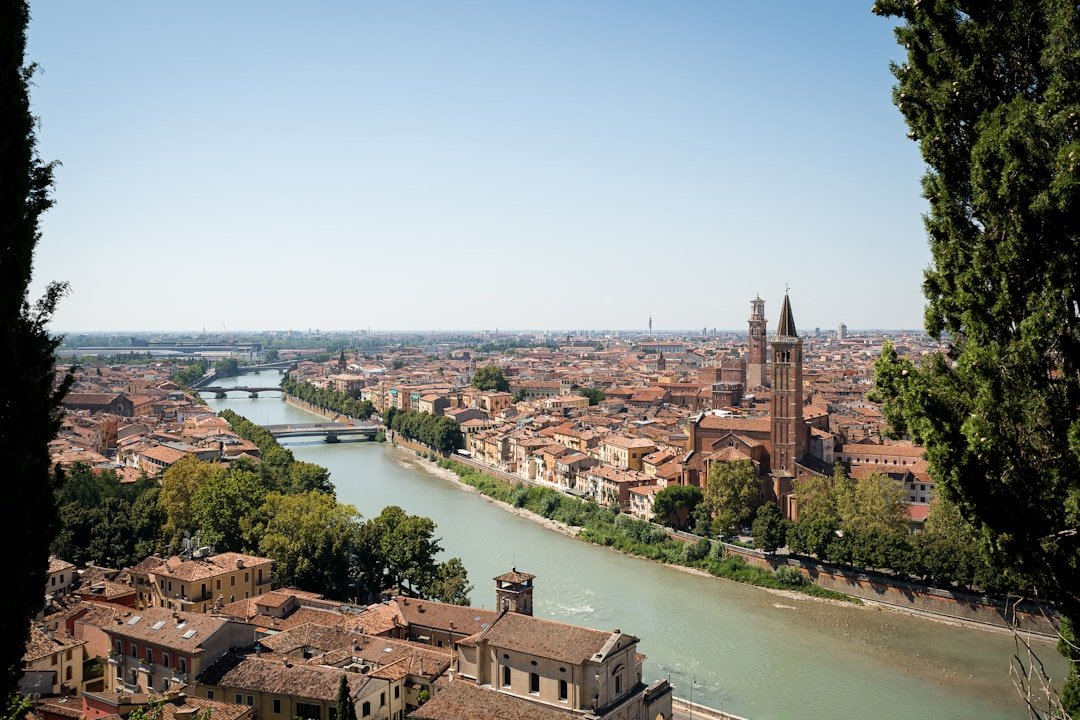
When it comes to accommodation in Verona, visitors have a plethora of options ranging from luxurious hotels to charming bed-and-breakfasts. For those seeking opulence, the Palazzo Victoria stands out as a premier choice. This five-star hotel is housed in a historic building that seamlessly blends modern amenities with classic Italian elegance.
Guests can enjoy beautifully appointed rooms, exquisite dining options, and a central location that makes exploring Verona’s attractions convenient. For travelers on a budget or those looking for a more intimate experience, numerous boutique hotels and guesthouses are scattered throughout the city. One such option is Residenza La Ricciolina, which offers cozy rooms adorned with traditional decor and personalized service.
Staying in these smaller establishments often provides guests with insider tips on local attractions and dining options that larger hotels may not offer.
Where to Eat in Verona
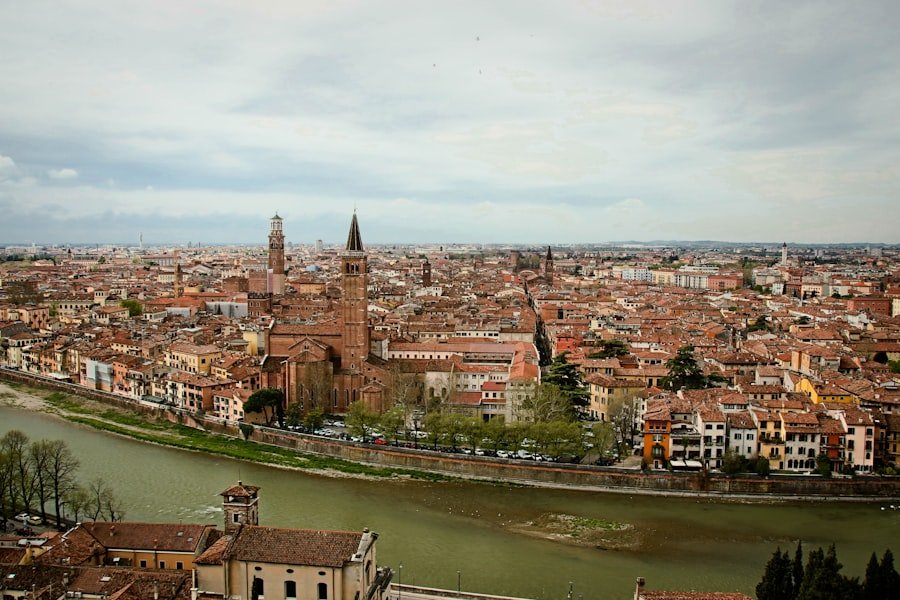
Verona’s culinary scene is as rich as its history, offering an array of dining options that showcase regional flavors and traditional Italian cuisine. A visit to Osteria Le Vecete is highly recommended for those looking to indulge in authentic Veronese dishes. This charming eatery serves up local specialties such as risotto all’Amarone—a creamy rice dish made with Amarone wine—and pastissada de caval—a slow-cooked horse meat stew that reflects the region’s culinary heritage.
For a more casual dining experience, Trattoria Al Pompiere is a beloved local spot known for its hearty portions and warm atmosphere. Here, diners can savor classic pasta dishes like bigoli cacio e pepe or indulge in freshly prepared pizzas topped with local ingredients. The restaurant’s extensive wine list features selections from nearby vineyards, allowing guests to pair their meals with exquisite local wines.
Getting Around Verona
Navigating Verona is relatively easy due to its compact size and pedestrian-friendly layout. Most of the city’s major attractions are within walking distance of each other, making it ideal for leisurely strolls through its charming streets. Visitors can explore at their own pace while soaking in the sights and sounds of this enchanting city.
For those who prefer not to walk long distances or wish to venture further afield, public transportation options are readily available. Buses operate throughout Verona and connect various neighborhoods and suburbs to the city center. Additionally, taxis are accessible for those needing quicker transportation or traveling late at night when public transport may be less frequent.
Must-See Attractions in Verona
Verona is home to numerous must-see attractions that capture its historical essence and cultural significance. The Arena di Verona stands out as an iconic landmark; this ancient amphitheater not only showcases remarkable Roman engineering but also serves as a venue for world-class performances during the summer months. Attending an opera here is an unforgettable experience that combines history with artistry.
Another essential stop is Juliet’s House (Casa di Giulietta), where visitors can explore the famous balcony associated with Shakespeare’s tale of star-crossed lovers. The house features a small museum dedicated to Juliet’s story and offers insights into how this character has become a symbol of love worldwide. Additionally, exploring other historical sites such as Piazza delle Erbe and Torre dei Lamberti enriches one’s understanding of Verona’s vibrant past.
Hidden Gems in Verona
While many visitors flock to well-known attractions, Verona also boasts hidden gems that offer unique experiences away from the crowds. One such gem is the Basilica di San Fermo Maggiore, a lesser-known church that features stunning frescoes and an impressive wooden ceiling dating back to the 14th century. Its tranquil atmosphere provides a perfect escape from bustling tourist areas.
Another hidden treasure is the Giardino della Giarina—a small park tucked away from main thoroughfares that offers beautiful views of the Adige River and surrounding hills. This peaceful spot is ideal for picnics or simply enjoying nature while taking a break from sightseeing.
Shopping in Verona
Shopping in Verona presents an opportunity to discover unique Italian fashion and artisanal crafts. Via Mazzini serves as one of the main shopping streets lined with both high-end boutiques and popular international brands. Here, visitors can find everything from stylish clothing to exquisite leather goods crafted by local artisans.
For those seeking authentic souvenirs or local delicacies, exploring markets such as Mercato di Piazza delle Erbe is essential. This bustling market offers fresh produce, spices, and handmade products that reflect Veronese culture. Visitors can also find beautiful ceramics and glassware that make for perfect mementos of their time in this enchanting city.
Tips for First-Time Visitors to Verona
First-time visitors to Verona should consider timing their trip during one of the city’s many festivals or events to experience its vibrant culture firsthand. The annual Opera Festival held at the Arena di Verona during summer months attracts music lovers from around the world and showcases some of opera’s most celebrated performances. Additionally, learning a few basic Italian phrases can enhance interactions with locals who appreciate visitors making an effort to communicate in their language.
Lastly, taking advantage of guided tours can provide deeper insights into Verona’s history and culture while ensuring that no significant attractions are missed during your stay. Verona offers an unforgettable blend of history, culture, natural beauty, and culinary delights that captivates every traveler who steps foot in this remarkable city.
If you’re looking for a unique culinary experience during your visit to Verona, be sure to check out this article on delicious homemade cottage cheese. This simple and healthy recipe will give you a taste of authentic Italian cuisine that you won’t soon forget. And after indulging in some tasty treats, you can continue exploring the charming city of Verona with our 3-day itinerary for first-timers.
FAQs
What is Verona known for?
Verona is known for being the setting of Shakespeare’s “Romeo and Juliet” and for its well-preserved ancient Roman architecture, including the Arena di Verona.
What are the must-see attractions in Verona?
Must-see attractions in Verona include the Arena di Verona, Juliet’s House, Piazza delle Erbe, Piazza dei Signori, and Castelvecchio.
What is the best time to visit Verona?
The best time to visit Verona is during the spring (April to June) and fall (September to October) when the weather is mild and the tourist crowds are smaller.
What are some traditional dishes to try in Verona?
Some traditional dishes to try in Verona include pastissada de caval (horse meat stew), risotto all’Amarone (risotto cooked with Amarone wine), and pandoro (a sweet bread typically eaten during Christmas).
Is it necessary to book tickets in advance for attractions in Verona?
It is recommended to book tickets in advance for popular attractions such as the Arena di Verona and Juliet’s House to avoid long lines and ensure entry.