Lucca is one of Tuscany’s easiest historic cities to enjoy at a relaxed pace. A well-planned Lucca 2 day itinerary gives you enough time to walk the Renaissance walls, explore the compact old town, climb a medieval tower, see important churches and museums, and still leave room for local food and unhurried evenings in the piazzas.
For a first visit, spend most of both days in Lucca rather than rushing through several neighboring cities. The historic center is highly walkable, and many of its most memorable sights sit only minutes apart.
Quick Answer
Spend Day 1 exploring Piazza dell’Anfiteatro, San Martino Cathedral, Guinigi Tower, San Frediano, Via Fillungo, and traditional Lucchese food. On Day 2, walk or cycle the city walls, visit the Botanical Garden and a museum, follow Lucca’s Puccini connections, and enjoy a slower final evening inside the historic center.
Last checked: October 1, 2026. Dates and figures were verified against official sources.
Key Takeaways
- Lucca’s historic center is compact enough to explore mainly on foot, while bicycles are especially useful for the city walls.
- Torre Guinigi is one of the city’s signature viewpoints, with 230 steps leading to its rooftop garden of holm oaks.
- The 4.2 km Renaissance wall circuit is free to access and works well as a morning or late-afternoon walk or bike ride.
- Two days let you add Puccini’s birthplace, the Botanical Garden, museums, shopping, and longer meals without rushing.
- Traditional dishes worth looking for include meat-filled Lucchese tordelli with ragù and buccellato, a local sweet bread with raisins and anise.
Day 1: Exploring Lucca’s Historic Center
Start your first morning in the heart of the old town. Piazza dell’Anfiteatro, Lucca Cathedral, nearby Romanesque churches, and the narrow streets between them give you an immediate sense of the city’s Roman, medieval, and Renaissance layers.
Begin at Piazza dell’Anfiteatro
Piazza dell’Anfiteatro is one of Lucca’s most recognizable spaces. Its oval layout follows the footprint of the Roman amphitheater that once occupied the site, while later houses were built around the surviving structure.
Walk through one of the passages into the piazza and look at its shape before stopping for coffee. The square is atmospheric in the morning, but it is also worth returning after dark when many day visitors have left.
Walk Through Lucca’s Medieval Streets
From the piazza, wander through the streets of the historic center rather than taking the most direct route everywhere. Via Fillungo is the main shopping street, but the lanes around it reveal churches, courtyards, traditional storefronts, and quieter corners.
This is also a good point to pass San Michele in Foro, one of Lucca’s major Romanesque churches. Its richly decorated façade faces Piazza San Michele, which occupies the site of the ancient Roman forum.
Visit the Cathedral of San Martino
Continue south to the Cathedral of San Martino. Inside are major works associated with Lucca, including the Holy Face, or Volto Santo, and the funerary monument of Ilaria del Carretto by Jacopo della Quercia.
The cathedral complex also includes a museum, bell tower, and the Church of Saints Giovanni and Reparata with its archaeological area. The official Cathedral Museum ticket page currently lists a €10 adult combined ticket covering the cathedral, bell tower, museum, and San Giovanni complex.
Day 1: Visiting Lucca’s Top Attractions
After seeing the lower streets and churches, change perspective by climbing above Lucca’s rooftops. Torre Guinigi is the most distinctive choice, followed by San Frediano and one museum if your energy and opening hours allow.
Climb Torre Guinigi
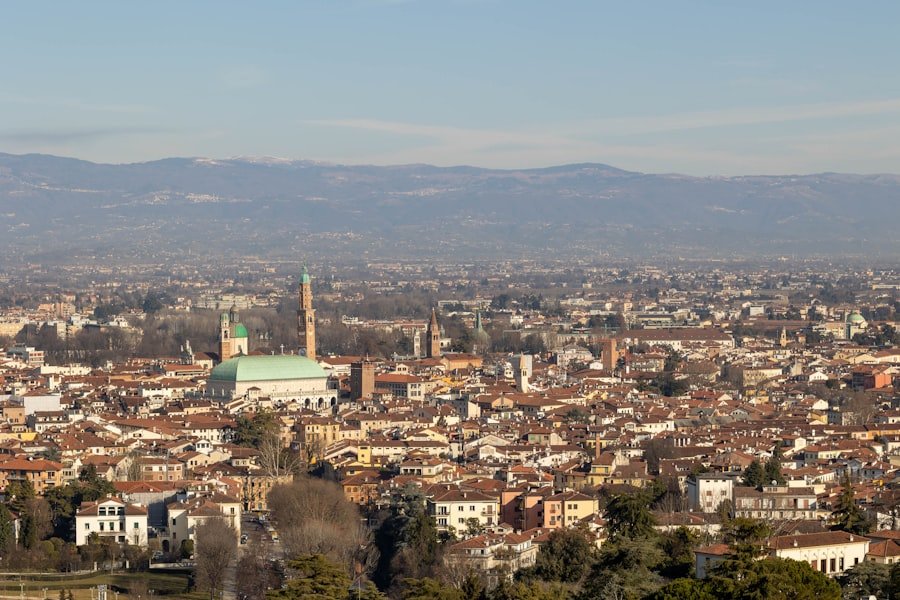
Torre Guinigi rises about 45 meters above the historic center and is famous for the holm oaks growing in its rooftop garden. According to the official Guinigi Tower information, reaching the terrace involves 25 flights and 230 steps.
There is no lift, so the climb is not suitable for visitors with mobility disabilities. If you can manage the stairs, the summit gives you wide views across terracotta roofs, church towers, surrounding hills, the Apuan Alps, and the Apennines.
See the Basilica of San Frediano
Next, head toward the Basilica di San Frediano. Its most striking exterior feature is the large mosaic of Christ’s Ascension above the entrance, while the interior contains chapels, frescoes, and a richly decorated Romanesque setting.
Because San Frediano sits close to Piazza dell’Anfiteatro, it fits naturally into the same walking loop. This also prevents unnecessary backtracking through the historic center.
Choose One Museum
If you want more art and history, choose one museum rather than squeezing several into the afternoon. Museo Nazionale di Palazzo Mansi focuses on an aristocratic residence, textiles, furnishings, and paintings, while Museo Nazionale di Villa Guinigi traces Lucca’s history and art over a much broader period.
Another option is to save your museum time for Puccini’s birthplace on Day 2. As of October 2026, the Lucca Visit Card costs €29 for three days or €48 for ten days and includes participating attractions such as the two national museums, Torre Guinigi, the Cathedral complex, Botanical Garden, Puccini Museum, and Torre delle Ore.
Day 1: Dining and Shopping in Lucca
Use the late afternoon and evening for food, Via Fillungo, and the small shops around the center. The schedule below is best treated as a sample route rather than a statement of business opening hours.
| Activity | Time | Cost |
|---|---|---|
| Dining at Trattoria da Leo | 12:00 PM | €€ |
| Shopping at Via Fillungo | 2:00 PM | Varies |
| Gelato at Gelateria Veneta | 4:00 PM | € |
For a traditional meal, look for tordelli lucchesi. Unlike potato-filled pasta, traditional Lucchese tordelli are fresh pasta filled with meat and other ingredients, then served with meat ragù. The Comune di Lucca’s guide to tordelli describes the dish as a long-standing symbol of local food culture.
For something sweet, try buccellato, Lucca’s traditional bread-like cake flavored with raisins and anise. Local shops also sell wine, olive oil, leather goods, and other regional products.
End the evening with an unhurried meal or drink in the old town. Piazza dell’Anfiteatro is an obvious choice for atmosphere, but exploring the surrounding streets can lead to quieter alternatives.
Day 2: Discover More of Lucca Before Taking a Side Trip
Two full days are enough to see considerably more of Lucca than a day-trip visitor usually manages. Instead of immediately leaving for Pisa or another Tuscan town, use the second morning for the city walls, gardens, Puccini, and any major sight you missed on Day 1.
If you have already spent substantial time in Lucca before this trip, nearby Montecarlo and Collodi can become alternatives. Montecarlo is associated with local vineyards and wine production, while Collodi is closely connected with the author of The Adventures of Pinocchio.
Collodi is not literally the birthplace of Pinocchio. Writer Carlo Lorenzini adopted the pen name Carlo Collodi from the village connected with his mother’s family, and today the village is strongly associated with Pinocchio through its park and cultural institutions.
Day 2: Outdoor Activities in Lucca
Begin Day 2 outdoors while the light and temperature are comfortable. Lucca’s walls are the obvious centerpiece because they combine city views, local life, history, and easy access to several attractions along the route.
Walk or Cycle the Renaissance Walls
The Walls of Lucca form a complete circuit of about 4.2 kilometers around the historic center. Built as defensive works during the Renaissance period, they later became an elevated public promenade lined with trees.
Access to the top of the walls is free. You can walk, run, or cycle the broad avenues while looking inward toward Lucca’s towers and rooftops and outward toward the surrounding landscape.
Pro Tip: If you want to cover the full wall circuit without using much of your morning, rent a bicycle. If you prefer photography and frequent stops, walking gives you more time to enjoy the views.
Visit Lucca’s Botanical Garden
The Botanical Garden sits near the southeastern part of the walls and makes a natural next stop. It covers about two hectares and includes mature trees, botanical collections, greenhouses, a small lake, and areas devoted to plant conservation and education.
The official Botanical Garden information lists seasonal opening hours. From March 21 to November 2, the published schedule is 10:00 AM to 8:00 PM, with shorter weekend-based schedules during parts of winter and early March.
Day 2: Puccini, Shopping, and Lucca’s Culinary Scene
Use the afternoon for one of Lucca’s strongest cultural connections: Giacomo Puccini. Then return to the streets around Via Fillungo and Piazza San Michele for shopping, coffee, food, or anything you had to skip on your first day.
Visit the Puccini Museum
Giacomo Puccini was born in Lucca in 1858, and his birthplace is now the Puccini Museum. The apartment contains furnishings, photographs, documents, musical material, and the Steinway & Sons piano associated with his work on Turandot.
The official Puccini Museum information lists seasonal opening schedules and confirms that admission is paid. The museum is particularly useful if you want a cultural stop that feels specific to Lucca rather than another general art collection.
Browse Via Fillungo and the Side Streets
Via Fillungo is Lucca’s best-known shopping street. Rather than treating it as a separate attraction, use it as the route connecting churches, cafés, food shops, boutiques, and small side streets.
If you climbed Torre Guinigi on Day 1, consider Torre delle Ore only if you still want another elevated viewpoint. Otherwise, spend that time at street level and enjoy the slower pace that makes a two-day visit different from a rushed day trip.
Try More Lucchese Food
Your second day is also a chance to go beyond one restaurant meal. Markets, bakeries, food shops, trattorias, and cooking classes can introduce you to regional olive oil, cured meats, cheeses, fresh pasta, local wines, and traditional sweets.
If you already tried tordelli on Day 1, look for another local specialty such as a seasonal soup or buccellato. A food-focused stop works especially well late in the day because most of the major sightseeing will already be complete.
How to Get Around Lucca
Walking and cycling are the most practical ways to follow this Lucca 2 day itinerary. Much of the historic center is pedestrian-oriented or within a limited-traffic zone, and the distances between the major sights are short.
If you arrive by train, the official Lucca Tourism transport guide places Lucca railway station in Piazza Ricasoli, just outside the southern walls. The city’s tourism FAQ says the station is roughly 200 meters from the walls and about 350 meters from Porta San Pietro.
If you drive, avoid entering the historic center unless your accommodation or permit allows it. Parking outside the walls and continuing on foot is usually the simplest approach.
Optional Side Trips From Lucca
If you have extra time beyond this two-day itinerary, Lucca works well as a base for exploring northern Tuscany. Pisa is an obvious option, while Montecarlo offers a smaller hill-town atmosphere associated with vineyards and wine.
Collodi is another option for families and readers interested in Pinocchio. The village’s connection comes through Carlo Lorenzini, who used the name Collodi as his literary pseudonym, and the area now includes attractions devoted to his famous character.
For only two days, however, leaving Lucca for a long excursion means sacrificing attractions inside the walls. A side trip makes more sense on a third day or when you have already visited Lucca before.
Making the Most of Your 2-Day Itinerary in Lucca
A two-day stay gives Lucca room to reveal more than its headline sights. Day 1 can focus on Piazza dell’Anfiteatro, San Martino, Torre Guinigi, San Frediano, shopping, and local food, while Day 2 adds the walls, Botanical Garden, Puccini Museum, and a more relaxed exploration of the historic center.
The biggest advantage is time. You can climb a tower without immediately racing to the next attraction, stop for tordelli or buccellato, circle the walls, and revisit a favorite piazza after the day-trippers have gone.
If you’re looking for more reading from the site, see this article on Asian melon, this homemade cottage cheese recipe, and this article about Ozzy Osbourne.
Frequently Asked Questions
What is Lucca?
Lucca is a historic city in Tuscany, Italy, known for the Renaissance walls that completely surround its old center. Inside the walls are Romanesque churches, medieval towers, piazzas, museums, shops, and streets that are easy to explore on foot.
Is two days enough for Lucca?
Yes, two days is enough to see Lucca’s main historic sights at a comfortable pace. You can spend one day on the central piazzas, cathedral, churches, and towers, then use the second for the walls, gardens, museums, Puccini sites, shopping, and food.
What are the must-see attractions in Lucca?
The essential sights include Piazza dell’Anfiteatro, the Renaissance walls, Torre Guinigi, the Cathedral of San Martino, Basilica di San Frediano, San Michele in Foro, and the historic streets around Via Fillungo. With two days, you can also add the Puccini Museum or Botanical Garden.
How can I get around Lucca?
Walking is the easiest way to explore Lucca’s historic center, while a bicycle is useful for circling the city walls. Because much of the center is pedestrian-oriented or covered by traffic restrictions, most visitors do not need a car for sightseeing inside the walls.
How far is Lucca train station from the historic center?
Lucca train station is very close to the historic center. Official tourism information places it about 200 meters from the city walls and roughly 350 meters from Porta San Pietro, so arriving by train works particularly well for a short visit.
What is the best time to visit Lucca?
Spring and early autumn are attractive times to visit Lucca because walking, cycling, and outdoor sightseeing are usually easier in moderate weather. Summer brings longer days and events but can feel hotter and busier, while winter offers a quieter atmosphere with shorter attraction hours.
Sources
- Lucca Tourism — Walls of Lucca: wall length, history, and public promenade information.
- Lucca Tourism — Guinigi Tower: tower height, 230-step climb, accessibility, and rooftop garden.
- Lucca Cathedral Museum and Archaeological Complex: current cathedral-complex admission and visitor information.
- Lucca Tourism — Lucca Visit Card: current card prices, validity, and participating attractions.
- Lucca Tourism — Puccini Museum: museum location, collection, access, and seasonal opening information.
- Lucca Tourism — Botanical Garden: garden features, accessibility, and seasonal opening hours.
- Lucca Tourism — How to Get There: railway station location, transport connections, and historic-center access.
- Comune di Lucca — Tordelli Lucchesi: traditional filling, ragù, and the dish’s local culinary history.