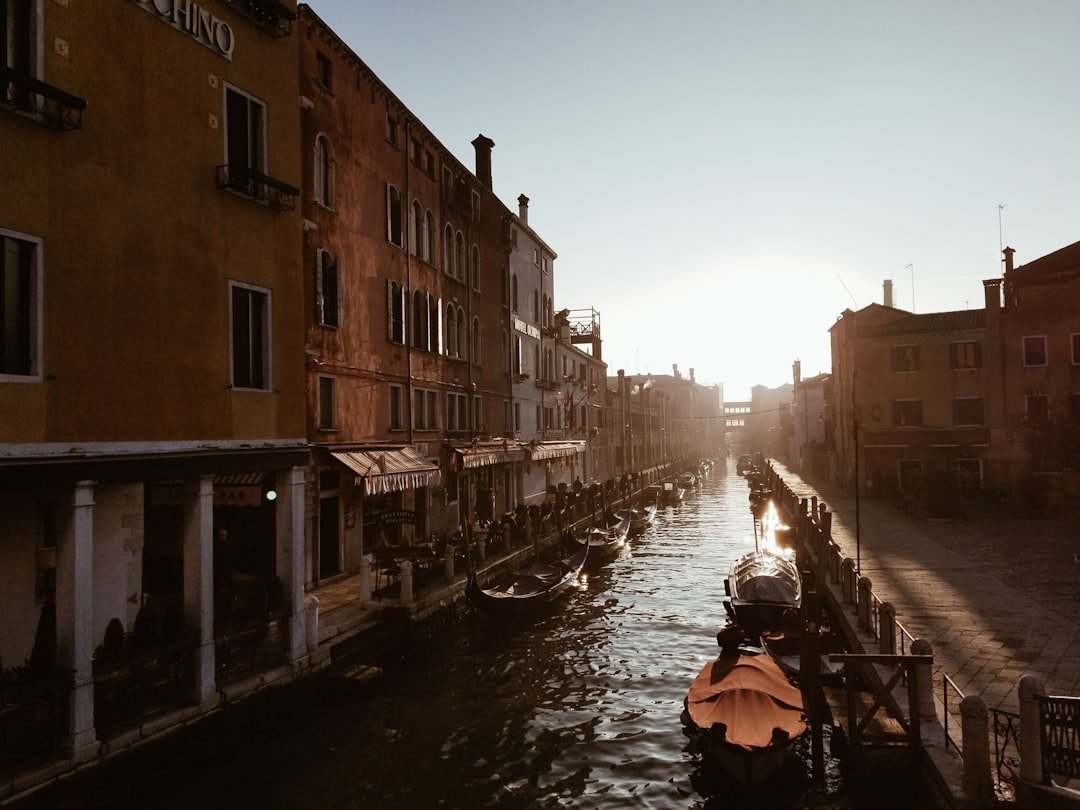
Venice, a city renowned for its intricate canals, historic architecture, and vibrant culture, possesses a distinctive olfactory signature that becomes particularly pronounced during the summer months. As the sun casts its warm glow over the city, the combination of saltwater, decaying organic matter, and the bustling activity of both locals and tourists creates a unique scent that is both enchanting and, at times, overwhelming. This aroma is not merely a byproduct of the city’s geography; it is an integral part of the Venetian experience, evoking memories and emotions that linger long after one has left its winding streets and serene waterways.
The summer months in Venice bring with them a heightened sensory experience. The air is thick with warmth, and the scents of the city become more pronounced as the heat intensifies. For many visitors, the smell of Venice is a complex tapestry woven from the salty tang of the Adriatic Sea, the earthy notes of the city’s historic buildings, and the sweet fragrances of local cuisine wafting from bustling markets and outdoor cafes.
This olfactory landscape is as much a part of Venice’s identity as its iconic gondolas and picturesque bridges, inviting exploration and contemplation.
Key Takeaways
- Venice’s unique scent in summer is a combination of various factors, including the city’s historic canals, high temperatures, and the influence of tourism.
- Factors contributing to Venice’s smell in summer include the decomposition of organic matter in the canals, the growth of algae and bacteria, and the release of pollutants from boats and other sources.
- High temperatures in summer can exacerbate Venice’s smell by accelerating the decomposition of organic matter and increasing the release of odorous compounds from the canals.
- Water and humidity play a significant role in Venice’s scent, as the city’s canals and lagoon contribute to the unique smell, and high humidity levels can intensify the odor.
- Tourism has a significant influence on Venice’s smell in summer, as the large number of visitors can contribute to pollution, waste, and the strain on the city’s infrastructure and waste management systems.
- Measures taken to mitigate Venice’s summer odor include efforts to improve waste management, reduce pollution from boats, and control the growth of algae and bacteria in the canals.
- Visitors to Venice during the summer months can minimize the impact of the city’s smell by being mindful of their waste, choosing eco-friendly transportation options, and being respectful of the city’s delicate ecosystem.
- Embracing the unique scent of Venice in summer can be seen as part of the city’s charm and character, and visitors can appreciate the city’s history, culture, and beauty while being understanding of its olfactory quirks.
Factors contributing to Venice’s smell in summer
Several factors contribute to the unique scent of Venice during the summer months, creating an olfactory experience that is both multifaceted and dynamic. One significant element is the city’s geographical layout. Built on a series of islands in a lagoon, Venice is surrounded by water, which plays a crucial role in shaping its scent profile.
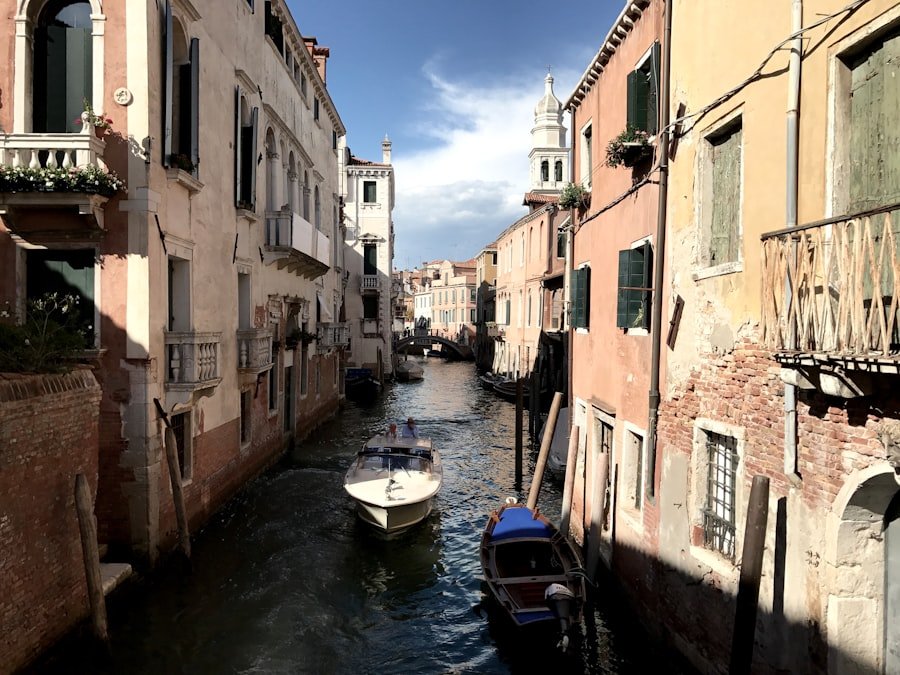
The stagnant waters of the canals can become breeding grounds for algae and other organic matter, particularly when temperatures rise. This can lead to a pungent smell that some might describe as reminiscent of rotting vegetation or brackish water. In addition to the natural elements, human activity significantly influences Venice’s summer aroma.
The influx of tourists during peak season brings with it an increase in waste production, from food scraps to discarded items. The narrow streets and crowded squares can exacerbate this issue, as waste management becomes more challenging amidst the throngs of visitors. Furthermore, the culinary scene in Venice adds another layer to the city’s scent.
The aroma of fresh seafood being prepared in local kitchens mingles with the smells of street food vendors, creating a rich tapestry of scents that can be both delightful and overwhelming.
The impact of high temperatures on Venice’s smell
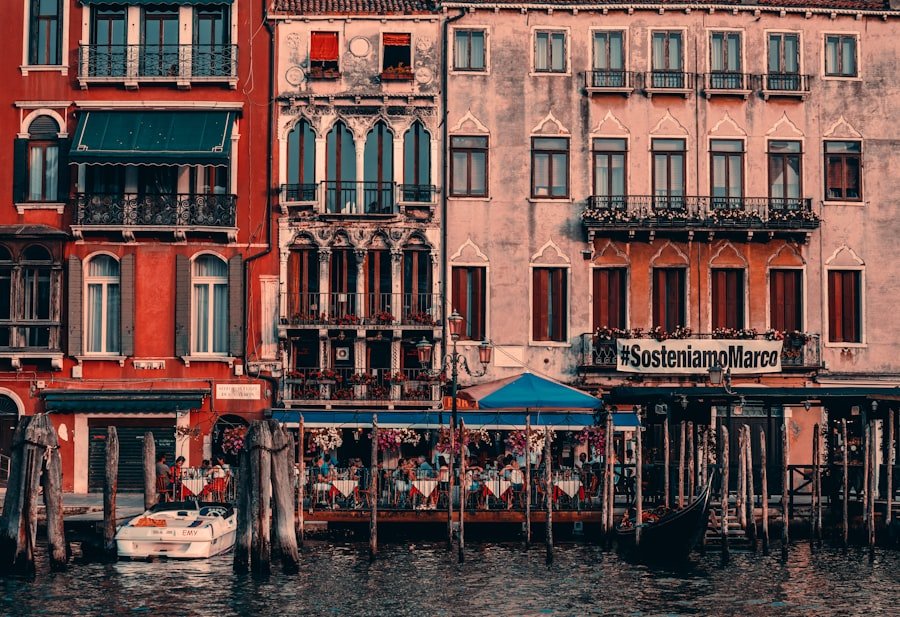
High temperatures during the summer months have a profound impact on Venice’s olfactory landscape. As the mercury rises, so too does the intensity of various smells throughout the city. Heat accelerates the decomposition process of organic materials, leading to stronger odors emanating from both natural and man-made sources.
For instance, the combination of warm weather and stagnant water can result in an increase in sulfurous smells from decaying algae or other organic matter in the canals. Moreover, elevated temperatures can exacerbate air pollution in urban areas, including Venice. The interaction between heat and pollutants can create a phenomenon known as photochemical smog, which can contribute to an unpleasant odor in addition to affecting air quality.
This combination of natural decay and urban pollution creates a complex olfactory environment that can be challenging for both residents and visitors alike. The result is a city where the air is thick with scents that tell stories of history, culture, and environmental challenges.
The role of water and humidity in Venice’s scent
| Factors | Impact |
|---|---|
| Water level in canals | Affects the intensity of the scent |
| Humidity levels | Influences the dispersion of the scent |
| Temperature | Can alter the composition of the scent molecules |
| Wind direction | Can carry the scent to different areas of the city |
Water is an omnipresent element in Venice, shaping not only its physical landscape but also its olfactory character. The city’s canals are both a source of beauty and a contributor to its unique scent profile. During the summer months, when humidity levels rise, the interaction between water and air becomes particularly significant.
High humidity can amplify certain smells, making them more pronounced and pervasive throughout the city. The stagnant waters of the canals can lead to an accumulation of organic matter, which decomposes and releases various odors into the air. This process is often exacerbated by warm temperatures, creating a potent mix of scents that can be both alluring and off-putting.
Additionally, the high humidity levels can trap these odors close to the ground, making them more noticeable to pedestrians navigating the narrow streets. The interplay between water, humidity, and temperature creates a unique olfactory experience that is distinctly Venetian.

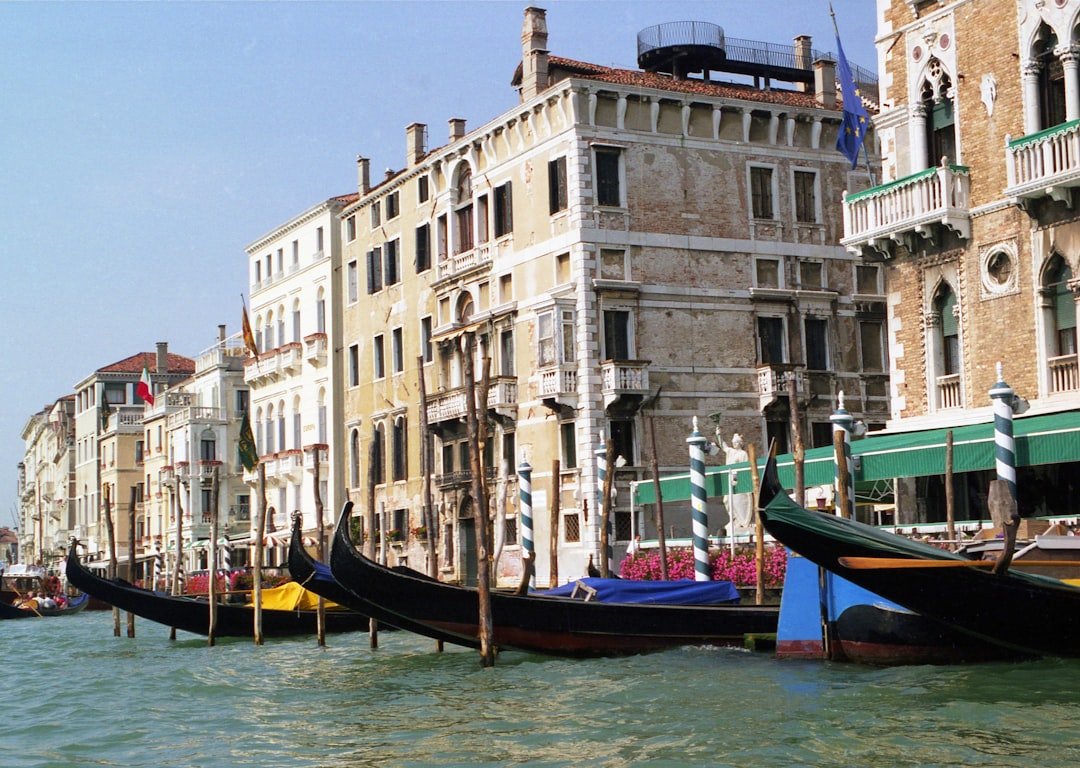
The influence of tourism on Venice’s smell in summer
Tourism plays a significant role in shaping Venice’s summer scent landscape. The city attracts millions of visitors each year, particularly during the warmer months when its beauty is on full display. However, this influx of tourists brings with it challenges related to waste management and environmental sustainability.
The sheer volume of people can lead to increased littering and waste production, which can contribute to unpleasant odors throughout the city. Moreover, tourists often engage in activities that generate additional smells—think of outdoor dining experiences where food aromas mingle with those from nearby canals or street vendors selling snacks. While these scents can enhance the sensory experience for many visitors, they can also contribute to an overwhelming olfactory environment when combined with other factors such as heat and humidity.
The challenge for Venice lies in balancing its appeal as a tourist destination with the need to maintain its unique character and mitigate any negative impacts on its scent profile.
Measures taken to mitigate Venice’s summer odor
Enhancing Waste Management
In response to the challenges posed by tourism and environmental factors, local authorities have implemented various measures aimed at mitigating Venice’s summer odor. One approach has been to enhance waste management systems throughout the city. This includes increasing the frequency of waste collection during peak tourist seasons and providing more public trash bins to encourage responsible disposal practices among visitors.
Improving Water Quality
Efforts have been made to improve water quality in the canals through initiatives aimed at reducing pollution from boats and other sources. For instance, regulations have been put in place to limit emissions from motorized vessels operating within the lagoon.
A Breath of Fresh Air
These measures not only help improve air quality but also contribute to a more pleasant olfactory experience for both residents and tourists alike.
Tips for visitors to Venice during the summer months
For those planning to visit Venice during the summer months, there are several tips that can enhance their experience while navigating the city’s unique scent landscape. First and foremost, it is advisable to explore early in the morning or later in the evening when temperatures are cooler and odors may be less intense. This timing allows visitors to enjoy the beauty of Venice while avoiding some of the more pungent smells that can arise during peak heat.
Additionally, choosing accommodations away from heavily trafficked tourist areas can provide a more authentic experience while potentially reducing exposure to unpleasant odors associated with crowded spaces. Visitors should also consider indulging in local cuisine at outdoor cafes or markets where they can enjoy fresh seafood and other delicacies while taking in the vibrant scents of Venetian life. Finally, embracing the unique scent of Venice as part of its charm can enhance one’s overall experience.
Rather than viewing it solely as an inconvenience, visitors can appreciate how these aromas tell stories about the city’s history, culture, and environment. Engaging with local residents about their experiences with Venice’s scent can provide valuable insights into how this aspect shapes daily life in this remarkable city.
embracing the unique scent of Venice in summer
The summer scent of Venice is an intricate blend of natural elements and human activity that creates an unforgettable sensory experience for those who visit this iconic city. While factors such as high temperatures, humidity, tourism, and water quality all contribute to its distinctive aroma, they also serve as reminders of Venice’s rich history and vibrant culture. By understanding these elements and taking steps to navigate them thoughtfully, visitors can fully embrace what makes Venice so special.
Ultimately, rather than shying away from its unique scent profile, visitors are encouraged to immerse themselves in all that Venice has to offer—its sights, sounds, tastes, and yes, even its smells. Each whiff tells a story about this remarkable city that has captivated hearts for centuries. Embracing these scents allows one to connect more deeply with Venice’s essence and appreciate its beauty beyond mere appearances.
If you’re planning a trip to Venice in the summer and wondering if the city smells during the hot months, you may want to check out this article on exploring the delightful world of Asian melon. It offers a refreshing and light alternative to the heavy scents that can sometimes linger in Venice during the warmer seasons.
FAQs
What causes the smell in Venice during summer?
The smell in Venice during summer is primarily caused by the combination of high temperatures, stagnant water in the canals, and the decomposition of organic matter.
Is the smell in Venice during summer constant throughout the season?
The smell in Venice during summer can vary depending on weather conditions, tides, and maintenance of the canal system. It may be more noticeable during periods of hot, still weather.
Are there any efforts to address the smell in Venice during summer?
Efforts are being made to address the smell in Venice during summer, including initiatives to improve the water quality in the canals and reduce the accumulation of organic matter.
Can the smell in Venice during summer be a health concern?
While the smell in Venice during summer may be unpleasant, it is not typically a significant health concern for visitors. However, individuals with respiratory sensitivities may want to take precautions.
What can visitors do to minimize the impact of the smell in Venice during summer?
Visitors to Venice during summer can minimize the impact of the smell by staying near the sea breeze, avoiding stagnant areas of water, and using scented products or masks if necessary.