Dubai combines futuristic skyscrapers, beaches, desert landscapes, traditional souks, international dining and historic neighborhoods in one large, fast-moving city. A successful first trip is less about trying to see everything and more about choosing the right area to stay, grouping attractions by location, understanding the transport system and planning outdoor activities around the weather.
Quick Answer
Dubai is relatively easy to explore using the Metro, taxis and ride-hailing apps. For most first-time visitors, November through March offers the most comfortable outdoor weather. Stay near the attractions that matter most to you, use a nol card for public transport, and mix modern Downtown Dubai with Old Dubai, the coast and a desert experience.
Key Takeaways
- Dubai Metro, buses, trams, taxis, ride-hailing services and marine transport make it possible to visit most major tourist areas without renting a car.
- Downtown is convenient for major landmarks, Marina and JBR suit beach and waterfront trips, while Bur Dubai and Deira provide easier access to Old Dubai and often better-value accommodation.
- Top experiences include Burj Khalifa, Dubai Mall, Palm Jumeirah, Dubai Creek, Al Fahidi Historical Neighbourhood, traditional souks, beaches and a desert excursion.
- Dubai has a broad international food scene, but visitors should also try Emirati dishes such as harees, machboos and luqaimat.
- Visa rules depend on nationality, and passport, health and entry requirements should always be checked shortly before travel.
Getting Around Dubai: Metro, Taxis, Buses and Abras
Dubai has an extensive public transport network that includes the Metro, buses, the Dubai Tram and marine transport. The Roads and Transport Authority currently operates Red and Green Metro routes that connect many of the city’s main populated areas.
The Red Line is particularly useful for visitors because it serves Dubai International Airport Terminals 1 and 3 as well as areas such as Downtown Dubai, Business Bay, Mall of the Emirates, Dubai Marina connections and Expo City. The Green Line is useful for parts of Old Dubai, including areas close to Deira, the Gold Souk, Al Ras and Dubai Creek.
Public transport uses the nol payment system. Instead of charging a simple flat fare, journeys are priced according to the fare zones crossed. Dubai is divided into seven public-transport zones, so the cost of a Metro or bus journey depends on the trip.
Pro Tip: Dubai is spread out. Group sightseeing by area instead of crossing the city several times in one day. Downtown attractions work well together, as do Old Dubai and the Creek, while Marina, JBR and Palm Jumeirah can form another sightseeing cluster.
Taxis are widely available and metered. Uber and Careem also operate in Dubai and can be useful when the Metro does not go directly to your destination. For two or more travelers, a taxi can sometimes be more convenient than taking public transport and then walking a long distance in hot weather.
Renting a car can make sense for travelers planning several trips outside central tourist districts, but driving is not essential for a typical first visit. Traffic can be heavy around major malls, business districts and popular evening destinations, and hotel or attraction parking rules vary.
For a more traditional journey, take an abra across Dubai Creek. These small wooden boats connect parts of Bur Dubai and Deira and provide a very different view of the city from the modern Metro system.
Before You Go: Visas, Passport and Arrival Basics
Entry rules depend on your passport. GCC citizens can enter the UAE without a visa, while citizens of many other countries qualify for a visa on arrival. Other travelers need to arrange an entry permit or tourist visa before traveling. The UAE Government’s visa guidance states that passports should generally be valid for at least six months from the date of entry.
Warning: Visa eligibility and entry requirements can change. Check the UAE government’s current requirements for your nationality shortly before departure instead of relying on an old travel article or social-media post.
Dubai International Airport is usually identified by the airport code DXB. Dubai also has Al Maktoum International Airport, or DWC, so check the airport code on your ticket before planning a transfer.
From DXB, the Metro is useful if your hotel is close to a Red Line station and you arrive while trains are operating. Airport taxis are usually the simpler option for travelers with several bags, young children, late arrivals or hotels far from a station.
Best Time to Visit Dubai
Dubai is hot and sunny for much of the year. For most visitors who want to spend significant time outside, November through March offers the most comfortable combination of sightseeing, beach time, outdoor dining and desert activities. April and October can also work well, although daytime heat is usually stronger.
Summer conditions can be intense, with daytime temperatures around or above 40°C at times. Hotels and indoor attractions are heavily air-conditioned, so a summer trip is still possible, but outdoor sightseeing should be planned for early morning or evening.
Note: Hotel prices, event schedules and attraction demand can change significantly around school holidays, major events, Christmas, New Year and other peak travel periods.
Where to Stay: Accommodation Choices in Dubai
Dubai has everything from luxury beach resorts and five-star city hotels to serviced apartments, mid-range properties and simpler budget accommodation. The best place to stay depends less on the hotel’s star rating than on what you plan to do each day.
Downtown Dubai
Downtown is one of the easiest bases for a short first trip if Burj Khalifa, Dubai Mall and the surrounding attractions are priorities. Hotels can be expensive, but the location reduces travel time for Downtown sightseeing.
Dubai Marina and JBR
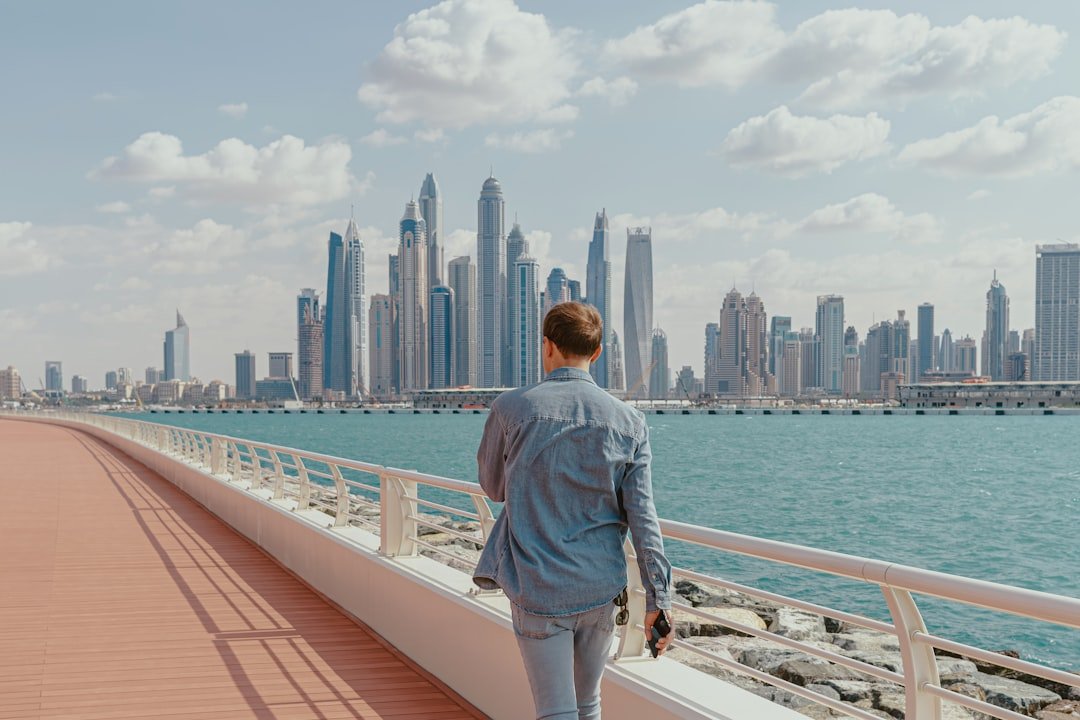
Dubai Marina and Jumeirah Beach Residence suit travelers who want waterfront promenades, restaurants, beaches and a lively evening atmosphere. The Metro and Tram help with local connections, although this part of the city is farther from Old Dubai and DXB than Downtown.
Palm Jumeirah
Palm Jumeirah is ideal for travelers who want a resort-focused holiday. Many properties provide private beaches, pools, restaurants and family facilities. The trade-off is that sightseeing elsewhere in Dubai often requires taxis or longer transfers.
Bur Dubai and Deira
Bur Dubai and Deira are useful for travelers interested in Dubai Creek, traditional souks, local restaurants and older neighborhoods. Hotels in these areas can also provide better value than the most famous resort districts.
Business Bay
Business Bay sits close to Downtown and offers a large choice of modern hotels and apartments. Depending on the property, it can provide a useful balance between location and price.
The Burj Al Arab is one of Dubai’s most recognizable luxury hotels. It has often been informally described as a “seven-star” property, but “seven-star” is not an official Dubai hotel classification. The city also has many excellent mid-range hotels for travelers who value location and comfort more than resort facilities.
For visitors interested in heritage surroundings, the Al Fahidi and wider Old Dubai area offers a very different atmosphere from Downtown’s skyscrapers. Serviced apartments and licensed holiday homes are another option for families or travelers who want kitchens and additional living space.
Must-See Attractions: Top Places to Visit in Dubai
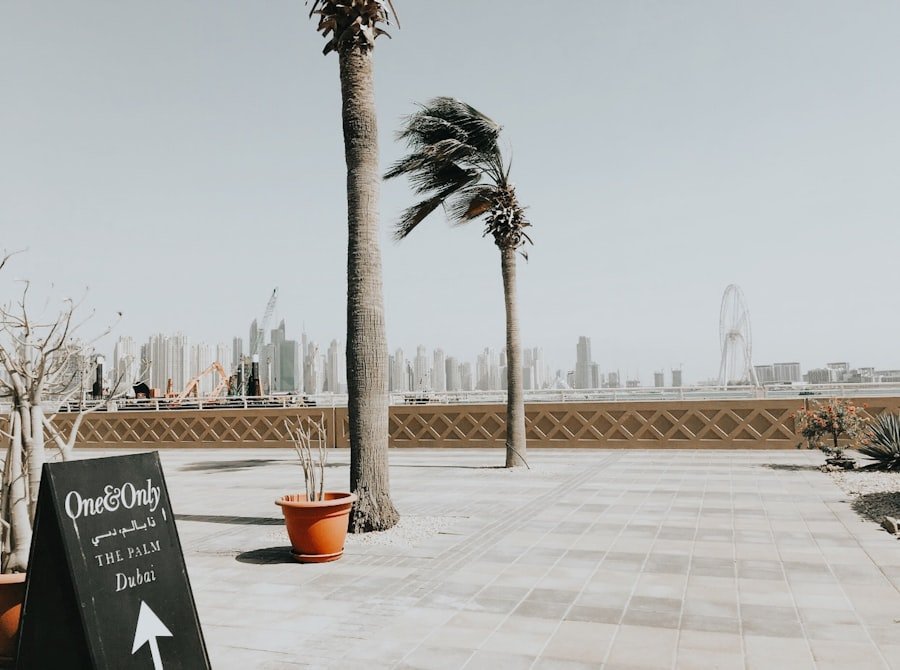
Dubai’s attractions range from record-breaking skyscrapers and large entertainment complexes to historic neighborhoods, beaches and desert landscapes.
Burj Khalifa and Downtown Dubai
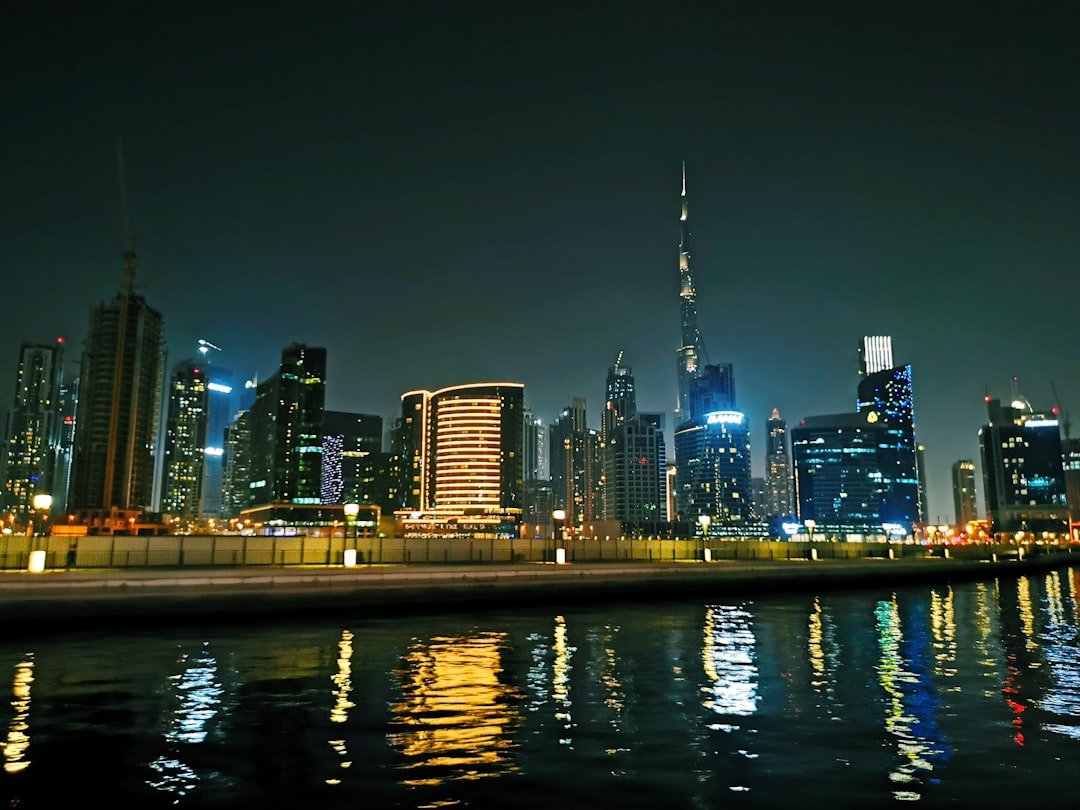
Burj Khalifa is the world’s tallest building. The official visitor experiences include observation areas on Levels 124 and 125, with a premium experience available on Level 148. Higher lounge experiences are also available. Ticket products and opening hours can change, so check the official attraction schedule when booking.
Dubai Mall sits next to Burj Khalifa and contains far more than shops. It includes restaurants, entertainment venues, an ice rink and Dubai Aquarium & Underwater Zoo. The nearby Dubai Fountain is another major Downtown attraction; check its current operating schedule before planning your evening because show times and operating status can change.
Palm Jumeirah
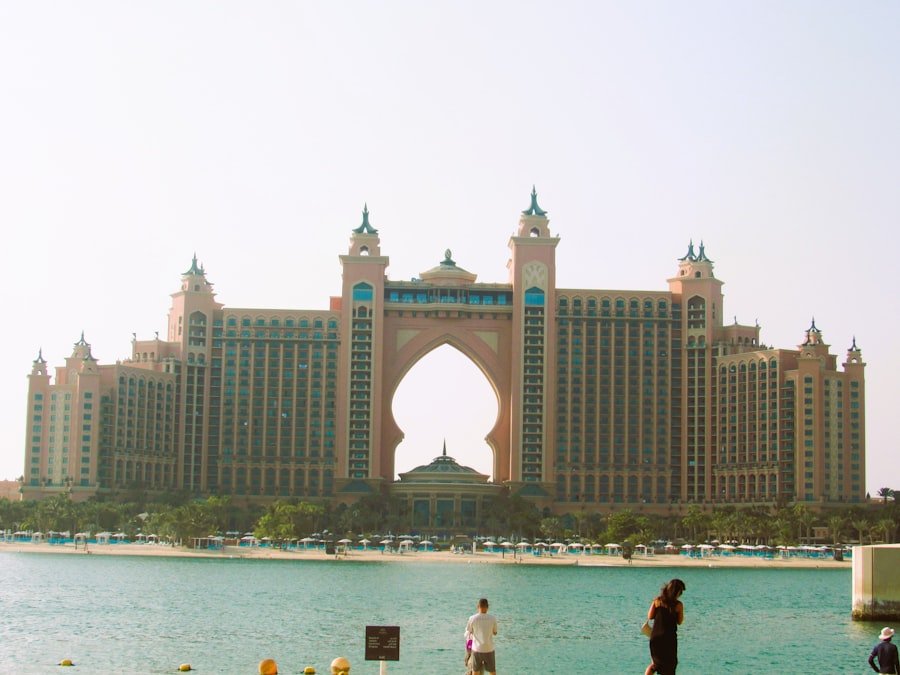
Palm Jumeirah is Dubai’s famous palm-shaped man-made island. It contains beaches, restaurants, residences and major resorts, including Atlantis The Palm. Visitors can combine a Palm visit with The View at The Palm, resort attractions or a meal overlooking the Arabian Gulf.
Old Dubai, Al Fahidi and the Souks
Do not spend the entire trip in modern Dubai. Al Fahidi Historical Neighbourhood offers narrow lanes, traditional wind-tower architecture, galleries and cultural spaces that reflect the city’s earlier history. From this area, you can walk toward Dubai Creek, cross by abra and explore Deira’s traditional markets.
The Gold Souk and Spice Souk are among the best-known markets. They are also good places to experience the contrast between historic trading districts and Dubai’s modern malls.
Dubai’s Desert
A desert excursion can add a completely different landscape to the trip. Experiences range from wildlife-focused and cultural outings to dune drives, camel experiences, dinners and overnight camps. Compare operators carefully because inclusions, driving intensity, group size and conservation standards vary.
Beaches and Waterfront Areas
Dubai also works well as a beach destination. JBR, Kite Beach and other coastal areas provide opportunities for swimming, walking, watersports and casual dining. Beach access rules vary between public beaches, beach clubs and hotel properties.
Dubai Opera and Cultural Entertainment
Dubai Opera in Downtown hosts concerts, theatre, ballet, musicals and other performances. Event schedules vary throughout the year, so travelers interested in a show should check the calendar before arriving.
Dining in Dubai: Best Restaurants and Local Cuisine
Dubai’s food scene reflects the large number of cultures represented in the city. You can find Emirati, Lebanese, Indian, Pakistani, Iranian, Filipino, Japanese, African, European and many other cuisines, from inexpensive cafeterias to fine-dining restaurants.
For Emirati food, look for dishes such as harees, a slow-cooked wheat-and-meat dish; machboos, a spiced rice dish commonly served with meat or seafood; and luqaimat, small sweet dumplings often served with syrup or date molasses.
Shawarma is another popular choice throughout Dubai. It is part of the wider Middle Eastern food culture rather than a uniquely Emirati dish, but it remains one of the city’s easiest and most affordable casual meals.
Restaurants specializing in Emirati cooking can provide more cultural context than international hotel restaurants. Al Fanar is one example of a restaurant concept built around Emirati food and heritage-style surroundings.
Dubai is also known for high-end dining. Nobu and many other internationally recognized restaurants operate in luxury hotels and major dining districts. Travelers on smaller budgets will find large numbers of affordable restaurants in areas such as Deira, Bur Dubai, Karama and other residential districts.
Global Village, when operating for its seasonal schedule, is another popular place to sample food from many countries while exploring entertainment and international pavilions.
What to Wear: Dress Code and Cultural Etiquette
Dubai is cosmopolitan, and normal tourist clothing is common in hotels, malls and most public areas. However, visitors should dress with greater modesty when entering mosques, heritage attractions, government buildings and other culturally sensitive locations.
Lightweight, breathable clothes work well in warm weather. Beachwear is appropriate at beaches and pools but should be covered before entering malls, restaurants or other general public spaces.
Religious sites may apply specific requirements. Women may be asked to cover their hair, arms and legs at some mosques, while men may be required to wear clothing that covers the shoulders and knees. Some sites provide appropriate coverings to visitors.
Public behavior also matters. Keep displays of affection discreet, avoid aggressive or offensive behavior, and respect instructions at religious and cultural locations. During Ramadan, visitors will still find restaurants and attractions operating, but considerate behavior around people who are fasting is appropriate.
Safety and Health: Tips for a Safe and Healthy Trip to Dubai
Dubai is generally regarded as a safe tourism destination, but visitors should still use normal big-city precautions. Keep passports, phones, wallets and bags secure, use licensed transport, and be careful when purchasing tours or services from unfamiliar sellers.
For emergencies anywhere in the UAE, the official UAE emergency guidance lists 999 for police, 998 for ambulance and 997 for fire and Civil Defence.
Heat is one of the most important health considerations, particularly from late spring through early autumn. Drink water regularly, use sun protection and avoid scheduling long outdoor walks during the hottest part of the day.
Travel-health recommendations are not identical for everyone. The CDC’s UAE traveler guidance advises travelers to be up to date on routine vaccines and provides additional recommendations based on age and health circumstances. Entry requirements can also depend on where you are arriving from or have recently traveled; for example, yellow-fever documentation can apply to travelers arriving from certain risk areas.
If you carry prescription medication, check UAE rules before traveling because some medicines that are routinely prescribed elsewhere may be controlled in the UAE. Keep medication in its original packaging and carry supporting medical documentation when appropriate.
Money Matters: Currency, Tipping and Budgeting in Dubai
The currency is the United Arab Emirates dirham, abbreviated AED. Credit and debit cards are accepted widely in hotels, malls, restaurants and attractions, while some cash is useful for small purchases, traditional markets and certain transport situations.
ATMs and currency-exchange counters are common. Compare fees and exchange rates before converting large amounts, especially at airports and hotels where convenience can come at a higher cost.
Tipping is appreciated but is not compulsory and there is no single mandatory percentage. Check the bill first because a service charge may already be included. When it is not, many visitors choose to leave a modest restaurant tip for good service. Small tips can also be given to hotel staff, drivers or other service workers when you feel the service warrants it.
Dubai can accommodate very different budgets. Accommodation is usually one of the largest expenses, followed by premium attractions and fine dining. Travelers can reduce costs by staying outside the most expensive resort districts, using public transport, eating at neighborhood restaurants, visiting public beaches and mixing paid attractions with free sightseeing.
Dubai does not have to be a luxury-only destination. Your neighborhood, transport choices and dining habits usually affect the budget more than the number of attractions you visit.
Cultural Experiences: Traditional Activities and Festivals in Dubai
Dubai’s modern skyline is only one part of its identity. Al Fahidi Historical Neighbourhood and the wider Dubai Creek area provide an introduction to the trading, architecture and community life that shaped the city before its rapid modern expansion.
Walking through Al Fahidi, crossing the Creek by abra and visiting traditional souks can all be combined into one Old Dubai outing. Museums, cultural centers, galleries and heritage buildings add context that is easy to miss if a trip focuses only on malls and skyscrapers.
Islamic celebrations such as Eid al-Fitr and Eid al-Adha are important parts of life in Dubai. Exact dates follow the Islamic lunar calendar and should be checked for the year of travel. The atmosphere can include family gatherings, special meals, charitable activities and public events.
Dubai also hosts major commercial, arts and entertainment events. The Dubai Shopping Festival and Art Dubai are examples, but schedules change from year to year. Check official event calendars before building a trip around a particular festival.
For travelers interested in regional traditions, desert experiences may include Arabic coffee, local food, storytelling, falconry demonstrations or information about Bedouin heritage. Quality varies considerably between operators, so choose experiences that explain the cultural element rather than using it only as decoration.
More from Tagline Today: You can also read this homemade cottage cheese recipe, this article about Ozzy Osbourne, and this guide to Asian melon.
Frequently Asked Questions
What are the visa requirements for traveling to Dubai?
Visa requirements depend on nationality. GCC citizens can enter without a visa, many nationalities qualify for visa-on-arrival arrangements, and others need to obtain a tourist visa or entry permit before traveling. Passports generally need at least six months of validity from entry. Check the UAE government’s current visa rules shortly before departure.
What is the best time of year to visit Dubai?
November through March is generally the most comfortable period for outdoor sightseeing, beaches and desert activities. April and October can also be pleasant, while summer is much hotter and is better suited to travelers who plan around indoor attractions and evening activities.
What cultural customs and etiquette should visitors know?
Dress respectfully at religious and cultural sites, keep public displays of affection discreet, avoid offensive gestures or language, and follow instructions at mosques and heritage locations. During Ramadan, show consideration toward people who are fasting and follow any venue-specific guidance.
What are the transportation options in Dubai?
Dubai offers the Metro, buses, trams, taxis, Uber, Careem and marine transport such as abras. Public transport uses the nol system, and fares depend on the zones crossed. Renting a car is optional rather than necessary for most short tourist trips.
What are some popular attractions and activities in Dubai?
Popular choices include Burj Khalifa, Dubai Mall, Palm Jumeirah, Dubai Creek, Al Fahidi Historical Neighbourhood, the Gold and Spice Souks, beaches and desert excursions. Visitors can also explore museums, waterparks, restaurants, shopping districts and seasonal entertainment.
How many days do you need in Dubai?
Three full days can cover the main highlights, but four to five days gives a first-time visitor more room for Downtown Dubai, Old Dubai, the coast and a desert outing without rushing between distant neighborhoods.
Do you need a car in Dubai?
No. Metro services, taxis and ride-hailing apps are enough for most tourist itineraries. A rental car becomes more useful if you plan frequent trips outside the main tourist districts or want greater flexibility for longer excursions.
Is tipping required in Dubai?
No. Tipping is appreciated but generally optional. Check whether a service charge has already been included before leaving an additional restaurant tip.
What emergency numbers should visitors know in Dubai?
Call 999 for police, 998 for ambulance services and 997 for Fire Department or Civil Defence emergencies in the UAE.
Sources
- Dubai Roads and Transport Authority — Metro and Tram Stations Map — Dubai Metro routes and station network.
- Dubai Roads and Transport Authority — nol Fares — transport zones, fares and transfer rules.
- Official UAE Government — UAE Entry and Visa Requirements — visa eligibility and passport-validity guidance.
- Visit Dubai — Essential Dubai Guide — current official visitor-planning guidance.
- Official UAE Government — Handling Emergencies — police, ambulance and fire emergency numbers.
- CDC Travelers’ Health — United Arab Emirates — vaccination, health and travel-health guidance.