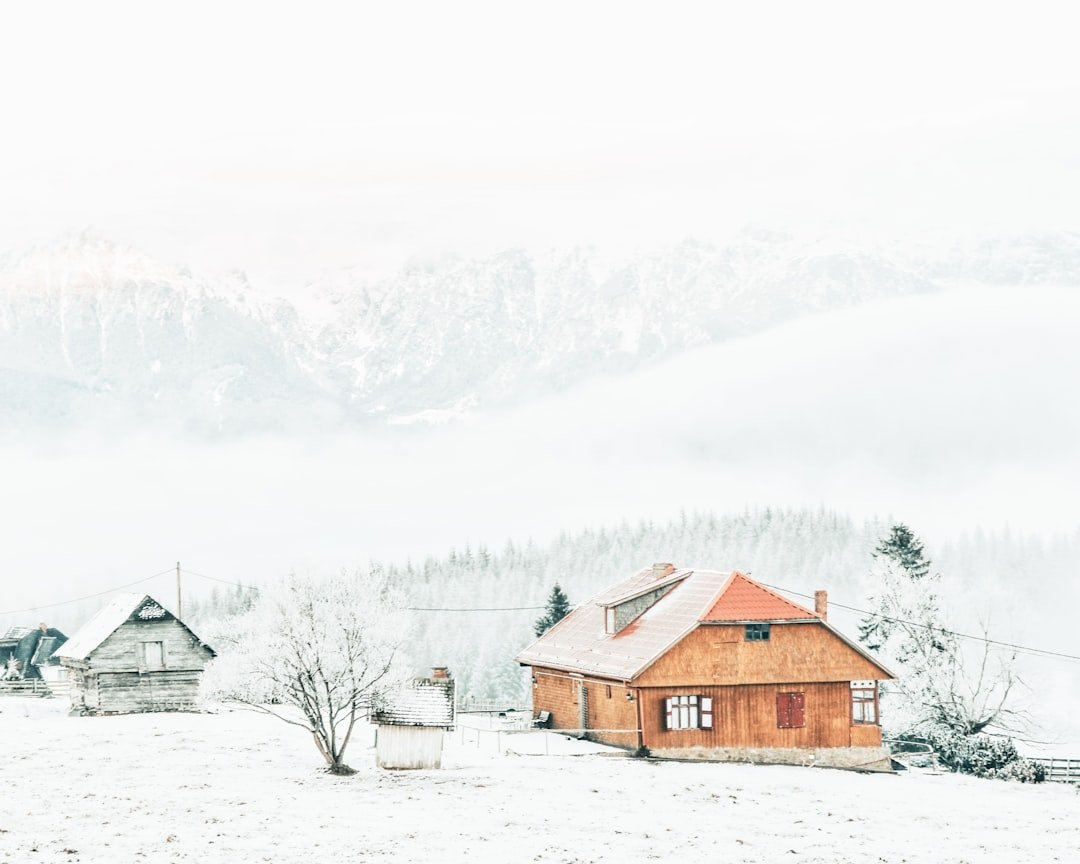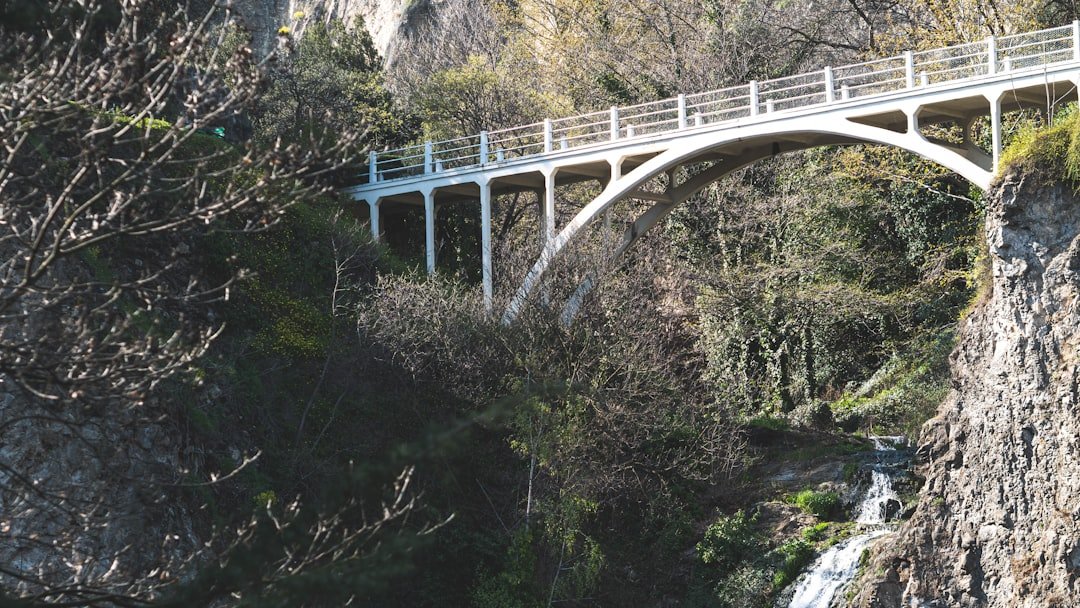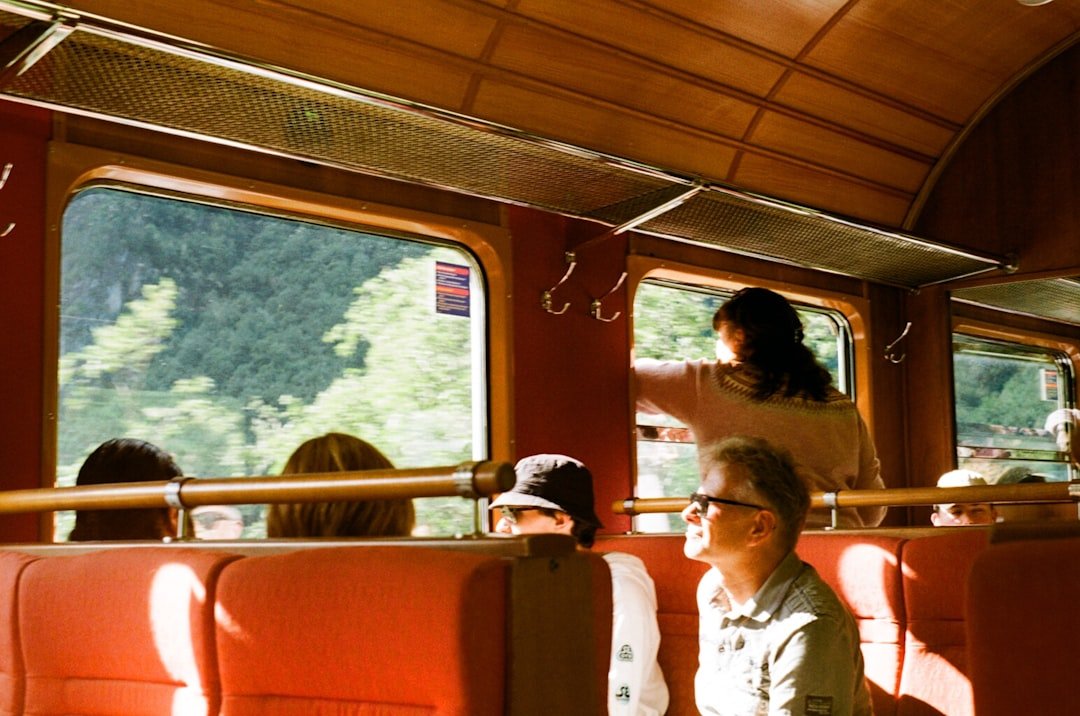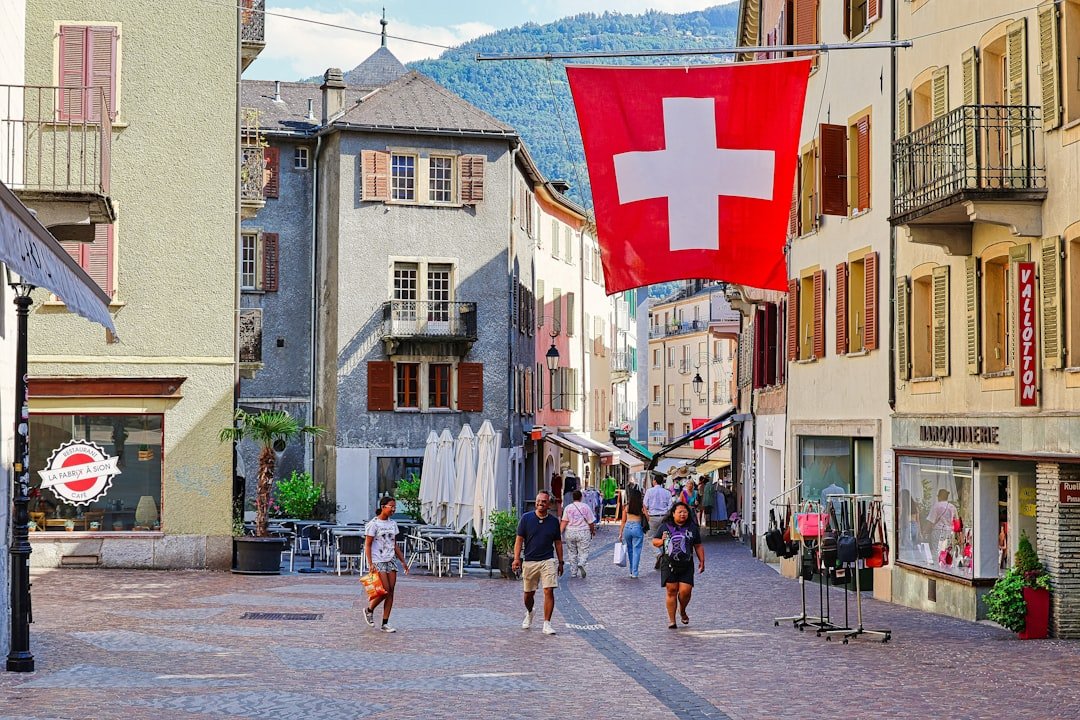
Lucerne sits in the heart of Switzerland, where the River Reuss flows out of Lake Lucerne beneath an Alpine backdrop. Its compact Old Town, historic bridges, museums, lakefront, and easy mountain connections make it a practical base for both sightseeing and outdoor trips. Lucerne grew around a monastery founded around 735/736, while official local history describes the town as founded in 1178.
Quick Answer
Lucerne is best known for the Chapel Bridge, Lake Lucerne, the Lion Monument, its medieval Old Town, and easy excursions to Mount Pilatus and Mount Rigi. Most first-time visitors can see the city highlights in one or two days, then add extra days for lake cruises, museums, and mountain trips.
Key Takeaways
- Walk across the Chapel Bridge, explore the Old Town, and visit the Lion Monument for Lucerne’s essential historic sights.
- The Swiss Museum of Transport is one of the city’s strongest indoor attractions and works well in poor weather.
- Lucerne has accommodation ranging from five-star lakefront hotels to central three-star hotels and hostels.
- Overnight guests at eligible Lucerne accommodations can receive free bus and train travel in local Zone 10 through the Lucerne Visitor Card.
- Mount Pilatus, Mount Rigi, Lake Lucerne, Engelberg, and the Bernese Oberland are all possible additions to a Lucerne itinerary.
Top Attractions in Lucerne
Chapel Bridge and Water Tower
The Chapel Bridge, or Kapellbrücke, is Lucerne’s best-known landmark. The covered timber bridge crosses the River Reuss beside the Water Tower and contains historic triangular paintings beneath its roof. A major fire damaged much of the bridge on 18 August 1993, but the destroyed section was reconstructed and the restored bridge reopened on 14 April 1994.
Walking across the bridge is free and gives you views of the Reuss, Old Town façades, nearby churches, and the mountains beyond the city. You can read more about its history on the official Lucerne Tourism Chapel Bridge page.
Lion Monument
The Lion Monument, or Löwendenkmal, commemorates Swiss Guards who died during the Storming of the Tuileries in Paris on 10 August 1792. Designed by Danish sculptor Bertel Thorvaldsen and carved into a rock face, the monument was inaugurated in 1821.
Lucerne Tourism reports that around 1.4 million people visit the Lion Monument each year.
The monument sits in a small park and is easy to combine with the Old Town and nearby museums. Historical details are available from the official Lion Monument guide.
Swiss Museum of Transport
The Swiss Museum of Transport is a strong choice for families, transport enthusiasts, and rainy days. Exhibitions cover road, rail, water, aviation, space, and communications, while the wider complex also includes attractions such as a planetarium and film theatre.
The museum is open 365 days a year, although daily hours vary between the summer and winter schedules. Check the Swiss Museum of Transport opening times before visiting.
Old Town, Musegg Wall, and KKL Luzern
Lucerne’s Old Town is compact enough to explore on foot. Look for painted façades, historic squares, the Reuss riverfront, the Spreuer Bridge, and surviving sections of the city’s medieval defenses.
The Musegg Wall was expanded as medieval Lucerne grew and remains one of the city’s most recognizable historic structures. Several towers can be visited seasonally. For a different side of Lucerne, walk to the lakeside KKL Luzern beside the railway station. Designed by Jean Nouvel, the culture and convention centre hosts classical music, jazz, pop, talks, guided tours, and other events. See the current KKL Luzern program before your trip.
Where to Stay in Lucerne
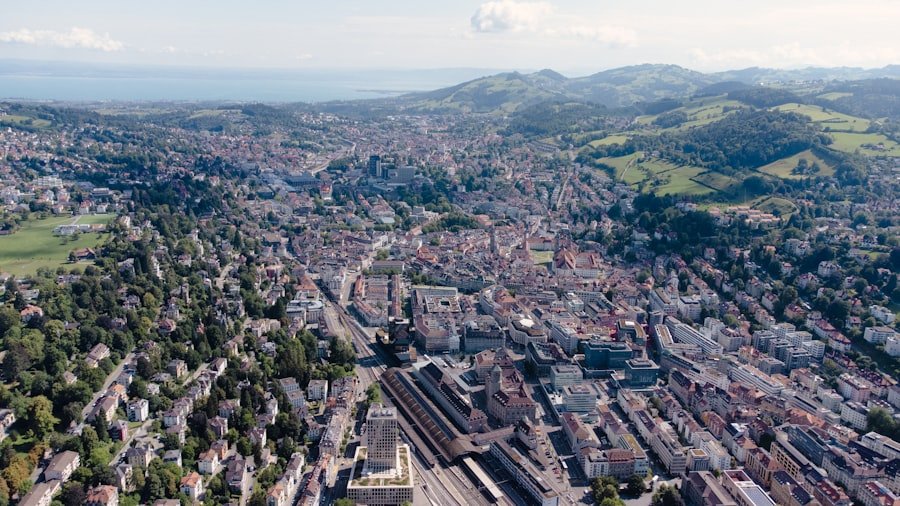
Lucerne has accommodation for luxury travelers, couples, families, backpackers, and short-stay visitors. Staying close to the railway station, Old Town, or lakefront can reduce the amount of local transport you need because many central sights are within walking distance.
Luxury and Upscale Hotels
For a five-star stay in Lucerne itself, verified options include Hotel Schweizerhof Luzern and Mandarin Oriental Palace, Luzern. Hotel Schweizerhof sits near the Old Town and lake, while Mandarin Oriental Palace occupies a prominent lakefront location. Hotel des Balances is a four-star-superior property in the Old Town overlooking the Reuss and is another central upscale choice.
Mid-Range Hotels
Hotel des Alpes is in the historic pedestrian center beside the Reuss, while Hotel Central Luzern is close to the main railway station, KKL, and Chapel Bridge. These locations work well if you want to explore much of central Lucerne on foot.
Budget Accommodation
Lucerne Youth Hostel provides a lower-cost alternative and offers dormitory-style and simple accommodation outside the busiest part of the center. Backpackers Lucerne is another budget-oriented option near the lake. Compare room type, transport access, cancellation terms, and whether breakfast is included rather than choosing by price alone.
Pro Tip: If your accommodation qualifies for the Lucerne Visitor Card, factor the included local bus and train travel into your hotel comparison. A slightly less central property can still be convenient when local transport is included.
Dining and Nightlife in Lucerne
| Category | What to Expect | Planning Tip |
|---|---|---|
| Fine Dining | Hotel restaurants, tasting menus, and modern European cooking | Reserve ahead for popular dinner times |
| Casual Dining | Swiss dishes, cafés, international food, and neighborhood restaurants | Check whether the kitchen stays open as late as the bar |
| Bars/Pubs | Cocktail lounges, pubs, rooftop bars, and seasonal waterfront bars | Waterfront venues can be seasonal or weather-dependent |
| Nightclubs | Electronic, rock, pop, and mixed-format nightlife | Weekend schedules are usually stronger than weekday schedules |
Lucerne’s food scene ranges from Swiss comfort food to international restaurants and modern fine dining. Fondue, raclette, rösti, and Älplermagronen are common dishes to look for if you want traditional Swiss flavors. Zunfthausrestaurant Pfistern, for example, is listed by Lucerne Tourism as serving Swiss classics including fondue, raclette, and Älplermagronen.
Nightlife is spread across pubs, cocktail bars, clubs, seasonal waterfront venues, and live-music spaces rather than one single entertainment district. The Old Town and areas around the station and Neustadt are useful places to start. KKL Luzern also hosts concerts ranging from classical performances to contemporary acts.
Transportation in Lucerne
Lucerne is easy to reach by rail and is well connected with other major Swiss cities. The main railway station is beside the lake and only a short walk from the Chapel Bridge, Old Town, and KKL Luzern.
Within Lucerne, the main public transport options are buses and local trains. The city is also easy to explore on foot, while bicycles and Lake Lucerne boats provide other ways to get around or sightsee. Lucerne does not rely on a city tram network for local transport.
Note: Overnight guests staying at eligible accommodations in Lucerne can receive the Lucerne Visitor Card. For guests staying in Lucerne or Kriens, it includes second-class bus and train travel within Zone 10. Boat trips are not included.
The Swiss Travel Pass is a different product. It is intended for eligible visitors whose permanent residence is outside Switzerland and Liechtenstein and covers extensive train, bus, boat, and local public transport travel throughout Switzerland. It can make sense if Lucerne is only one part of a longer Swiss itinerary.
Scheduled boats on Lake Lucerne form part of Switzerland’s wider transport network as well as being a sightseeing experience. Services and frequency vary by season, so check the current Lake Lucerne Navigation Company timetable before planning connections.
Best Time to Visit Lucerne
There is no single best month for every visitor. Your ideal season depends on whether you care most about warm weather, hiking, mountain railways, festivals, lower temperatures, or winter scenery.
- Summer, June to August: Best suited to lake activities, long sightseeing days, hiking, and mountain excursions. Switzerland Tourism gives a general summer daytime range of about 18–28°C, although local conditions vary.
- Spring, March to May: A good time for city sightseeing as temperatures rise, but higher mountain trails may still have snow and some seasonal transport may not yet be fully operating.
- Autumn, September to November: Cooler conditions can be pleasant for walking, while mountain and boat schedules gradually shift toward reduced autumn or winter service.
- Winter, December to February: Lucerne remains a city-break destination and provides access to winter mountain experiences, although snow is not guaranteed in lower-elevation Swiss cities.
Weather can change quickly around the Alps. Check both the city forecast and the mountain operator’s live conditions before committing to a high-altitude excursion.
Outdoor Activities in Lucerne
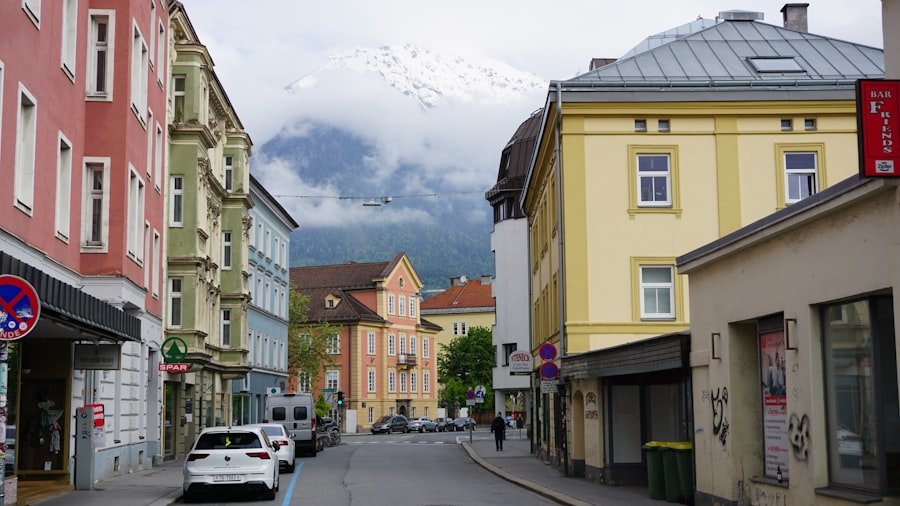
Mountain Adventures
Mount Pilatus is one of the most popular mountain excursions from Lucerne. You can approach the summit from Alpnachstad on the cogwheel railway or from Kriens using the panorama gondola and aerial cableway. Hiking opportunities range from short summit walks to longer mountain routes.
2026 operating note: According to the official Pilatus timetable, the Alpnachstad–Pilatus Kulm cogwheel railway operates from 11 May to 29 November 2026. The Kriens gondola and aerial cableway have scheduled maintenance closures, including 19 October to 27 November 2026. Always recheck the timetable before traveling.
Thrilling Activities
Paragliding, mountain biking, climbing, canyoning, and other adventure activities are available around Central Switzerland. Conditions can change quickly, especially at altitude, so use established operators, check weather restrictions, and make sure the activity matches your experience and fitness level.
Warning: Mountain weather can differ sharply from conditions in central Lucerne. Do not rely on the city forecast alone for hiking, paragliding, climbing, or high-altitude excursions.
Water-Based Fun
Lake Lucerne is a major part of the city’s outdoor appeal. Depending on the season and operator, you can enjoy scheduled boat trips, panoramic cruises, kayaking, paddleboarding, swimming areas, and other water activities.
The Lake Lucerne Navigation Company operates scheduled services throughout the year, but routes and frequency change by season. Check the current Lake Lucerne boat timetable before building a cruise into a mountain connection or day trip.
Shopping in Lucerne
Lucerne’s Old Town contains watch shops, chocolate stores, boutiques, souvenir shops, galleries, and larger retailers. Hirschmatt-Neustadt mixes shopping with cafés, restaurants, and nightlife, while the Bruchquartier is a good area to look for smaller local businesses and creative shops.
Manor in the Old Town is a large department store carrying fashion, beauty products, household goods, electronics, food, and other everyday items. For more local purchases, Lucerne also hosts produce, fish, craft, flea, and seasonal markets.
According to Lucerne Tourism’s current shopping guidance, many city shops trade until around 7 p.m. Monday to Friday and around 5 p.m. Saturday, with many shops closed Sunday; Thursday evening trading can extend later. Individual businesses can differ, so confirm hours for any shop you specifically want to visit.
Day Trips from Lucerne
Mount Rigi
Mount Rigi is one of the easiest mountain regions to combine with Lake Lucerne. The mountain railway network includes cogwheel trains from Vitznau and Goldau and aerial cableways from Weggis and Kräbel. From Lucerne, many visitors combine a boat journey to Vitznau or Weggis with the mountain railway network.
Do not assume that the mountain railway itself starts in central Lucerne. Check the official Rigi timetables for the route you plan to use.
Interlaken, Grindelwald, and Lauterbrunnen
Interlaken sits between Lake Thun and Lake Brienz and can be reached from Lucerne by rail, making it possible as a longer full-day trip. The area is known for mountain scenery and organized adventure activities such as paragliding, canyoning, and skydiving.
If your priority is the Bernese Alps rather than Interlaken itself, continue toward villages such as Grindelwald or Lauterbrunnen. Because these trips involve more travel than a Pilatus or Rigi excursion, start early and check your return connections before leaving Lucerne.
Engelberg and Mount Titlis
Engelberg is another useful mountain day trip from Lucerne. Trains connect Lucerne with Engelberg, from where mountain lifts continue toward Titlis. The excursion works well for travelers who want high-Alpine scenery and a different experience from Pilatus or Rigi.
Pro Tip: For any mountain day trip, check the summit webcam, weather, operating status, and last descent before leaving Lucerne. A cloudy summit can completely change the value of a mountain ticket.
Lucerne works especially well because you can combine city history, lake scenery, museums, food, and mountain excursions without changing hotels every day. Spend your first day around the Chapel Bridge, Old Town, Lion Monument, and lakefront, then use extra days for the Swiss Museum of Transport, a boat cruise, Mount Pilatus, Mount Rigi, or a longer excursion.
If you want a slower break from sightseeing, sit beside the Reuss, walk along the lake promenade, stop at a café, or take a short boat ride. Lucerne is compact enough that you do not need to fill every hour with a major attraction.
Frequently Asked Questions
What is Lucerne known for?
Lucerne is known for its location on Lake Lucerne, the Chapel Bridge and Water Tower, medieval Old Town, Lion Monument, mountain views, and easy access to Mount Pilatus and Mount Rigi.
What are the top attractions in Lucerne?
For a first visit, prioritize the Chapel Bridge and Water Tower, Lion Monument, Old Town, Musegg Wall, Lake Lucerne, and Swiss Museum of Transport. KKL Luzern is also worth visiting if you enjoy architecture, concerts, or cultural events.
What outdoor activities are available in Lucerne?
You can hike, cycle, cruise on Lake Lucerne, swim, paddle, visit Mount Pilatus or Mount Rigi, and book activities such as paragliding or other guided mountain adventures. Availability depends on weather and season.
What is the best time to visit Lucerne?
June through August gives you the warmest conditions for lake activities and hiking, but spring and autumn can be comfortable for sightseeing with cooler temperatures. Winter suits travelers interested in festive city visits and nearby mountain experiences. Check seasonal mountain and boat schedules before booking.
What currency is used in Lucerne?
Lucerne uses the Swiss franc, abbreviated CHF. Cards are widely accepted, but carrying a small amount of Swiss-franc cash can still be useful for small purchases.
What language is spoken in Lucerne?
German is the official language of the Canton of Lucerne. In everyday conversation, many local residents speak Swiss German dialects, while Standard German is commonly used in writing. English is also commonly encountered in visitor-facing hotels, attractions, and tourism services.
How many days do you need in Lucerne?
One full day is enough for the main central sights, while two days gives you a more relaxed visit plus a museum or lake trip. Plan three or more days if you want to add Mount Pilatus, Mount Rigi, Engelberg, or another major excursion.
Is public transport free for tourists in Lucerne?
Eligible overnight guests receive the Lucerne Visitor Card through their accommodation. For guests staying in Lucerne or Kriens, it includes second-class buses and trains within Zone 10, but not boat trips. Other travelers need a normal ticket or another valid travel pass.
Sources
- Lucerne Tourism — Chapel Bridge and Water Tower — supports Chapel Bridge history and the 1993 fire.
- Lucerne Tourism — Visitor Card Lucerne — supports Zone 10 bus and train benefits for eligible overnight guests.
- SBB — Swiss Travel Pass — supports national public-transport coverage and visitor eligibility.
- Pilatus-Bahnen — 2026 Timetable — supports current cogwheel railway, gondola, cableway, and maintenance dates.
- Rigi — Official Timetables — supports Mount Rigi railway and cableway access.
- Swiss Museum of Transport — Opening Times — supports current museum operating information.