Cardada and Cimetta rise directly above Locarno and Lake Maggiore, giving photographers an unusually varied alpine viewpoint within easy reach of the city. Cardada sits at about 1,340 meters above sea level, while the higher Cimetta area reaches about 1,670 meters and offers a broad 360-degree panorama across the lake, valleys, and surrounding Alps.
Quick Answer
For the best Cardada Cimetta photography experience, take the Locarno funicular to Orselina, the cable car to Cardada, and the chairlift to Cimetta. Photograph Cardada’s scenic promontory and Cimetta’s 360-degree geological observatory, and favor the first available lifts or late-afternoon light rather than assuming sunrise or sunset access.
Key Takeaways
- Cardada is about 1,340 m above sea level, while Cimetta reaches about 1,670 m.
- From Locarno, take the funicular to Orselina, then the cable car to Cardada and the chairlift to Cimetta.
- The principal official viewpoints are Cardada’s scenic promontory and Cimetta’s geological observatory.
- A wide-angle lens works well for the full landscape, while a normal or short telephoto lens helps isolate mountain layers, villages, and details.
- Check the official timetable before planning early- or late-light photography because the chairlift does not normally operate at sunrise or sunset.
- Winter visitors should think in terms of snowshoeing, sledding, and winter scenery rather than downhill skiing at Cimetta.
At a Glance
| Time Required | About half a day for the main viewpoints and photography; longer if you add hiking or Locarno. |
| Difficulty | Easy for a lift-based viewpoint visit; moderate or harder if you add mountain hiking. |
| Tools Needed | Camera or phone, wide-angle lens, optional normal/telephoto lens, spare battery, lens cloth, and a compact tripod if conditions and space allow. |
| Cost | For the fare period valid through November 8, 2026, the standard adult round trip from Orselina covering Cardada and Cimetta is CHF 39. The Locarno-Orselina funicular is separate. Always confirm current prices before travel. |
The attraction is more than a single lookout. Cardada combines forest, mountain restaurants, walking routes, and a suspended panoramic platform, while Cimetta provides the higher alpine perspective. In warmer months, the area is used for hiking, mountain biking, paragliding, and other outdoor activities. When snow conditions allow, current winter options include snowshoeing and sledding.
The landscape also changes strongly with the seasons. Spring brings fresh vegetation, summer provides long daylight hours, autumn colors the beech, larch, chestnut, and birch woods, and winter can cover the upper mountain in snow. That variety gives photographers different subjects even when the broad Lake Maggiore panorama remains the main attraction.
Getting to Cardada Cimetta from Locarno
The easiest public-transport journey has three separate stages. First, take the Locarno-Madonna del Sasso-Orselina funicular from central Locarno to Orselina. From the upper funicular station, walk to the Orselina-Cardada cable car. The cable car carries you to Cardada at about 1,340 m. From Cardada, the two-seat chairlift continues toward Cimetta at about 1,670 m.
This distinction matters because the original journey is sometimes described too simply as a “funicular to Cardada.” The funicular itself ends at Orselina. The mountain ascent from Orselina is made by cable car, followed by the chairlift if you want to reach Cimetta.
If you do not want to use the funicular, the Cardada operator also identifies local bus Line 3 as an option for reaching the Orselina cable-car departure point.
Warning: Check the official Cardada Cimetta timetable on the day of your visit. Cable-car and chairlift operations are seasonal and may be altered or suspended because of thunderstorms, poor weather, maintenance, or other safety conditions.
For 2026, the Cardada system’s published summer operating season runs through November 8, followed by a scheduled closure from November 9 to December 18 and winter reopening on December 19. Exact hours vary by date and by cable car or chairlift, so photography plans should be built around the day’s final descent time rather than a generic sunset time.
Hikers also have many options in the area, but you should use an official trail description rather than assuming a particular direct route from Locarno. The operator lists walks ranging from relaxed routes to demanding mountain hikes, while regional tourism information publishes mapped itineraries with distance, ascent, duration, and difficulty.
The Best Cardada Cimetta Viewpoints
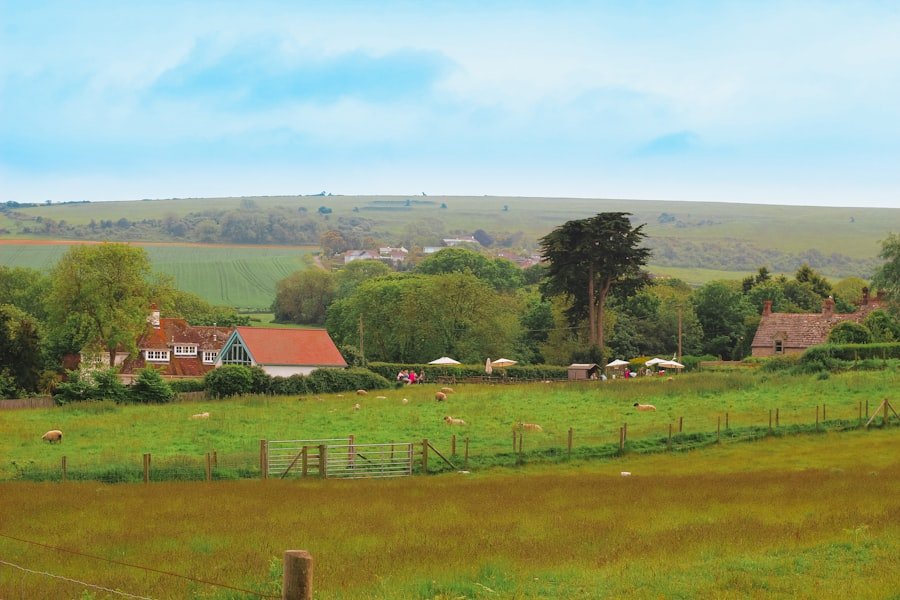
Cardada and Cimetta have several viewpoints, but two official locations deserve priority when photography is your main goal.
Cardada Scenic Promontory
The scenic promontory at Cardada was designed by landscape architect Paolo Bürgi. A granite-paved approach leads through the treetops to a suspended viewing platform. The official operator describes a roughly 180-degree panorama over Lake Maggiore, the Centovalli, and part of the Maggia Valley.
This viewpoint is especially useful for broad compositions. A wide lens can include the platform, foreground vegetation, lake, and distant mountains in one frame. A normal lens can create a cleaner image by concentrating on the lake and valley.
Cimetta Geological Observatory
The higher geological observatory on Cimetta provides the more complete mountain panorama. From its summit position, the official operator describes a 360-degree view across the region and surrounding Alps. Information at the observatory also explains the geology of the Alps and the Insubric Line visible in the region.
For photography, Cimetta works well when atmospheric conditions produce multiple mountain layers. Instead of photographing only one extremely wide frame, try several focal lengths. A longer lens can compress distant ridges and produce a stronger sense of depth.
Croce Alpe Cardada and Other Photo Stops
Another official panoramic point is Croce Alpe Cardada, reached at about 1,460 m. Cardada also has a Grand Tour of Switzerland photo frame and mountain restaurants with panoramic terraces. These are useful secondary stops when you have enough time to move beyond the two main viewpoints.
Cardada gives you the broad Lake Maggiore foreground, while Cimetta adds altitude and a 360-degree alpine perspective. Photographing both produces a more complete visual story than staying at one lookout.
Photography Tips for Capturing the Views
| Photography Tip | How to Use It at Cardada Cimetta |
|---|---|
| Use a wide-angle lens | Capture the platform, lake, valleys, sky, and surrounding peaks in one composition. |
| Find foreground elements | Use rocks, trees, wildflowers, paths, or railings to create depth. |
| Experiment with different angles | Move away from eye-level snapshots and look for low, high, vertical, and compressed compositions. |
| Use natural light | Favor softer early or late operating-hour light when practical, but also use clouds and changing weather creatively. |
| Apply the rule of thirds selectively | Place the horizon away from the center when either the sky or landscape deserves more emphasis. |
Early morning and late afternoon often produce softer directional light than the middle of the day, but Cardada Cimetta requires an important practical adjustment: the lifts operate on published schedules. In summer 2026, for example, the chairlift normally finishes well before sunset. For most visitors, the first available trip upward and the latest practical shooting period before the last descent are more realistic targets than literal sunrise and sunset.
Pro Tip: Do not spend the entire visit shooting at your widest focal length. After making the classic panorama, switch to a normal or telephoto focal length and look for overlapping ridgelines, lake details, villages, mountain buildings, and patches of light. These tighter compositions often look stronger than another nearly identical ultra-wide photograph.
Use Foreground Elements for Depth
Rocks, trees, wildflowers, trail edges, and parts of the viewing platform can keep a large mountain scene from looking flat. A foreground object gives the eye a starting point before it moves toward Lake Maggiore and the distant peaks.
When using a strong foreground, check the edges of the frame carefully. Wide-angle lenses can exaggerate objects near the corners and create distracting stretched shapes.
Use a Tripod When It Actually Helps
A compact tripod can help when light levels fall, when you want precise multi-frame panoramas, or when you are using a longer focal length at a slow shutter speed. During bright daylight, modern stabilization may make a tripod unnecessary.
At busy viewpoints, keep tripod legs out of walking paths and do not block another visitor’s access to the panorama. A small travel tripod is easier to manage than a large studio-style support.
Photograph Changing Weather
Clear weather is not the only good photography weather. Low cloud, mist, shafts of sunlight, and passing shadows can separate mountain layers and add drama. If visibility is temporarily poor, wait a little when conditions are safe. Mountain weather can change quickly.
Carry a lens cloth because mist and light rain can leave droplets on the front element. A spare battery is also useful because batteries can drain faster in cold mountain conditions.
Photography practice does not have to be limited to landscapes. Studying color, texture, shape, and close-up composition in other subjects can sharpen your visual awareness. For a completely different subject, the existing article Exploring the Delightful World of Asian Melon offers an example of looking closely at color and form.
Best Times to Visit Cardada Cimetta for Photography
There is no single best season because the landscape changes substantially through the year. The best choice depends on whether you want fresh vegetation, long daylight, autumn color, snow, or clearer atmospheric conditions.
Spring
Spring can bring fresh green vegetation and seasonal flowers. It is useful for combining broader mountain landscapes with smaller natural details. Conditions at higher elevations can lag behind Locarno, so do not assume the mountain has the same temperatures or vegetation as the lakeshore.
Summer
Summer offers long daylight hours and generally gives visitors the largest window for combining viewpoints, walks, and photography. Midday light can be harsh, so use clouds, shadows, and tighter compositions when the sun is high.
Autumn
Autumn is particularly attractive around Cardada because the operator highlights the seasonal colors of beech, larch, chestnut, and birch. These colors can provide a strong foreground against the blue lake and distant mountains.
Winter
When sufficient snow is present, winter changes both color and texture. Snow can simplify compositions, emphasize mountain ridges, and reflect more light into shadowed areas. Current winter recreation at Cardada includes snowshoeing and sledding when conditions permit. Downhill skiing at Cimetta is no longer a current activity.
Note: Sunrise and sunset can produce beautiful light, but they should not be presented as normal lift-access photography times. Compare sunrise/sunset with the current cable-car and chairlift timetable before planning the shoot, and never remain on mountain terrain after transport closes unless you have a suitable, legal, and safe independent plan.
A Practical Half-Day Photography Plan
- Start in Locarno: take the funicular to Orselina and transfer to the Cardada cable car.
- Photograph Cardada first: visit the scenic promontory before spending time on secondary viewpoints.
- Continue to Cimetta: use the chairlift and photograph the 360-degree geological observatory.
- Change focal lengths: make wide establishing photographs, then isolate ridgelines and lake details with a longer lens.
- Watch the clock: confirm the final chairlift and cable-car departures before starting a walk away from the stations.
- Return to Cardada: use changing afternoon light for another set of photographs before descending to Orselina.
- Finish in Locarno if time allows: photograph the lakeshore, old-town streets, or the broader Lake Maggiore landscape.
Exploring the Surrounding Area
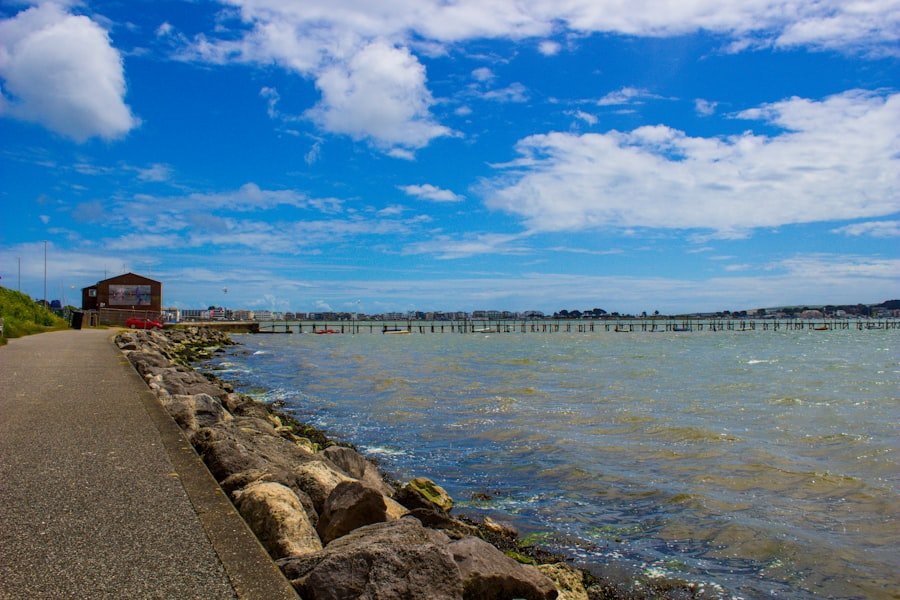
Cardada Cimetta works well as part of a longer visit to Locarno. After descending, you can walk through central Locarno, spend time along the Lake Maggiore waterfront, visit historic areas, or photograph the city beneath the surrounding mountains.
If you want to continue hiking, Cardada and Cimetta are starting points for routes of different difficulty. Official hiking information describes connections toward surrounding peaks and toward the Maggia and Verzasca valleys. One documented regional circuit from Cardada via Cimetta and Alpe Vegnasca is about 6.9 km with roughly 362 m of ascent and an estimated walking time of around 2 hours 15 minutes.
Lake Maggiore provides another perspective on the landscape. Boat services from Locarno can be used for destinations such as the Brissago Islands during their operating season. If your itinerary continues farther into the Italian basin toward places such as Isola Bella or Isola dei Pescatori, check the current Navigazione Laghi timetable carefully because cross-lake and cross-border connections are seasonal.
Accessibility and Practical Planning
The Orselina-Cardada cable car is listed by the operator as wheelchair accessible. The Cardada-Cimetta chairlift can accommodate some people with walking difficulties but is not wheelchair accessible. Visitors who cannot use the chairlift can therefore plan around Cardada’s accessible facilities and panoramic areas rather than assuming Cimetta will be reachable.
Bring footwear suitable for mountain paths if you plan to walk beyond the immediate lift and viewing areas. Even short routes may include uneven surfaces that feel very different from the paved streets around Locarno.
Water, sun protection, and an extra clothing layer are useful in warm months. Temperatures and wind at Cardada and Cimetta can differ significantly from conditions beside Lake Maggiore.
Photography and Drone Rules
Ordinary handheld photography should be done with normal respect for other visitors, private areas, signs, and any temporary restrictions. Do not block paths or viewing platforms for extended photo sessions.
Drone photography is different. Switzerland regulates drones nationally through the Federal Office of Civil Aviation. In the open category, general requirements include a maximum flight height of 120 m above ground, maintaining the required separation from uninvolved people, respecting geographic flight restrictions, and keeping the aircraft within visual line of sight.
Drone operators must check the current official geographic restrictions before every flight. This is especially important around mountains because helicopters, paragliders, and other aircraft may be active nearby.
Warning: Do not launch a drone simply because the viewpoint appears remote. Check the Swiss FOCA geographic flight restrictions, current airspace information, privacy requirements, and your drone category before flying.
Safety Tips for Visiting Cardada Cimetta
Mountain weather can change quickly. Check the forecast and the Cardada operator’s current status before traveling, then reassess conditions after you arrive. Thunderstorms, strong wind, low visibility, snow, or other hazards can affect both outdoor activities and lift operation.
Dress in layers so you can adjust to temperature changes. Carry enough water and food for the activity you have planned, especially if you leave the immediate lift area.
When hiking, stay on marked routes and choose a trail that matches your fitness, footwear, experience, and the current conditions. Switzerland’s mountain hiking routes can involve steeper and more exposed terrain than ordinary walking paths.
If you are unfamiliar with mountain terrain, avoid improvising shortcuts just to reach a photography position. A photograph is not worth leaving a safe marked route or crossing unstable ground.
Tell someone your intended route when undertaking a longer hike, keep track of the final lift times, and leave enough margin to return without rushing.
Conclusion and Recommendations
Cardada Cimetta combines easy lift access, Lake Maggiore views, forest scenery, and high alpine panoramas in one compact excursion above Locarno. The strongest photography plan is to treat Cardada and Cimetta as two complementary locations rather than one viewpoint: start with Cardada’s scenic promontory, then use the chairlift to reach Cimetta’s 360-degree geological observatory.
Allow enough time to explore rather than racing directly to the highest point. Use different focal lengths, include foreground elements, watch changing light and weather, and leave time for secondary viewpoints or a short walk.
Most importantly, build the visit around the current transport schedule. The funicular, cable car, and chairlift are separate parts of the journey, and operating periods can change with the season and weather. Confirming those details before departure will make the photography day both easier and safer.
Frequently Asked Questions
What is the Cardada Cimetta viewpoint?
Cardada and Cimetta are mountain recreation and viewpoint areas above Locarno in Ticino, Switzerland. Cardada lies at about 1,340 m, while Cimetta reaches about 1,670 m. Cardada has a scenic promontory with a broad Lake Maggiore view, and Cimetta has a geological observatory with a 360-degree panorama.
How do you get from Locarno to Cardada Cimetta?
Take the Locarno-Madonna del Sasso-Orselina funicular to Orselina. From there, take the cable car to Cardada. To reach the higher Cimetta viewpoint, continue on the Cardada-Cimetta chairlift.
What are the best viewpoints at Cardada Cimetta?
Prioritize Cardada’s scenic promontory for its approximately 180-degree view over Lake Maggiore and surrounding valleys, then visit Cimetta’s geological observatory for the higher 360-degree mountain panorama. Croce Alpe Cardada and the Grand Tour photo point are useful additional stops.
What photography equipment should I bring?
A wide-angle lens is useful for the main panoramas, but a normal or telephoto lens is valuable for mountain layers and distant details. Also consider a spare battery, lens cloth, and compact tripod. A modern phone can still produce excellent results when the light is good.
What is the best time of day for Cardada Cimetta photography?
Softer morning and late-afternoon light is attractive, but plan around the lift timetable. For most lift-based visitors, the first available ascent and later afternoon before the final descent are more practical than literal sunrise or sunset.
Can I use a tripod at Cardada Cimetta?
A compact tripod can be useful for low-light photographs, panoramas, and longer focal lengths. Keep it clear of walking routes, platforms, chairlift areas, and other visitors, and follow any instructions posted on site.
Can I fly a drone at Cardada Cimetta?
Do not assume that drone flight is automatically permitted. Swiss FOCA rules apply, including aircraft-category requirements, geographic restrictions, separation from people, visual-line-of-sight requirements, and generally a 120 m maximum height above ground in the open category. Check the official Swiss drone map and current restrictions before every flight.
Is Cardada Cimetta wheelchair accessible?
The Orselina-Cardada cable car is listed as wheelchair accessible. The chairlift from Cardada to Cimetta is not wheelchair accessible, although the operator says it can accommodate some people with walking difficulties.
Can you ski at Cardada Cimetta?
Cardada Cimetta should no longer be described as a current downhill-ski destination. The operator records the end of skiing activity at Cimetta in 2018-2019. Current winter activities promoted by Cardada include snowshoeing and sledding when snow and weather conditions permit.
Sources
- Cardada Impianti Turistici SA: The Place to Be — Cardada and Cimetta elevations and panorama information.
- Cardada Cimetta Official Timetable — seasonal opening periods, cable-car and chairlift hours, and weather-related operating warnings.
- Cardada Cimetta Official Fares — current lift fares and discount information.
- Cardada Cimetta Panoramic Viewpoints — scenic promontory, geological observatory, Croce Alpe Cardada, and other official viewpoints.
- Cardada Cimetta Hiking — official overview of walking and mountain hiking opportunities.
- Swiss Federal Office of Civil Aviation: Drone Flight Rules — national drone-operation requirements relevant to aerial photography.