Wheelchair Accessible Travel in Switzerland
What’s in This Article
- Accessible Transportation Options in Switzerland
- Wheelchair-Friendly Accommodation in Switzerland
- Navigating Swiss Cities in a Wheelchair
- Accessible Outdoor Activities in Switzerland
- Accessible Attractions and Landmarks in Switzerland
- Accessible Dining and Entertainment Options
- Tips for Renting Wheelchairs and Mobility Aids in Switzerland
- Accessible Tours and Guided Excursions
- Accessible Bathrooms and Facilities in Public Spaces
- Resources for Wheelchair Users in Switzerland
- Frequently Asked Questions
- References
Switzerland can work well for wheelchair users, but a smooth trip still takes careful planning. Trains, city transport, hotels, museums, lake boats, and mountain areas often offer access support, yet details can vary by canton, station, route, and property.
This guide explains how you can plan wheelchair accessible travel in Switzerland with more confidence. You’ll learn how transport assistance works, what to check before booking hotels, which city features help most, and where to find trusted access information.
Quick Answer
Switzerland offers many wheelchair accessible travel options, especially on major train routes and in larger cities. You should still book assistance, confirm hotel room details, and check each attraction before you arrive. Accessibility can vary between historic areas, mountain routes, and smaller towns.
Key Takeaways
- Switzerland protects access rights through federal disability law and the United Nations Convention on the Rights of Persons with Disabilities.
- Major train stations, city buses, and many trams support wheelchair users, but you should request help before travel.
- Accessible hotel rooms vary by property, so confirm door widths, shower type, lift access, and step-free routes before booking.
- Zurich, Geneva, Basel, Bern, and Lucerne offer strong public transport links, but old town areas may include cobblestones or steep routes.
- Accessible outdoor options include lake cruises, selected mountain railways, adaptive skiing, and barrier-free nature paths.
Switzerland has made significant strides in improving access for people with disabilities. The Swiss Federal Constitution supports equality and non-discrimination, and the Federal Act on the Elimination of Discrimination against People with Disabilities has guided public access standards since 2004.
This law pushes public bodies and private providers to reduce barriers that limit participation. Switzerland also follows the United Nations Convention on the Rights of Persons with Disabilities (UNCRPD), which supports equal access to transport, information, education, health care, work, and public life.
Swiss cities and municipalities often use local access plans to improve streets, stations, buildings, and public services. As a traveler, you benefit most when you check both national systems and local details before you go.
Accessible Transportation Options in Switzerland
Accessible Trains and Stations
Swiss Federal Railways (SBB) offers one of the most useful transport networks for wheelchair users in Europe. Many stations include ramps, lifts, step-free platforms, tactile guidance, and visual information screens.
Not every station offers the same level of access. Before you travel, check the SBB station details for step-free routes, platform access, boarding height, and lift availability.
Assistance Services
SBB provides an assistance service for travelers who need help at stations or on trains. You can request support for boarding, changing trains, or leaving the station.
Book assistance ahead of time whenever possible, especially for long routes, rural stops, or trips with several connections. This gives staff more time to arrange ramps, lifts, or route support.
Pro tip: Save your planned routes in the SBB app and check platform changes before each transfer.
Accessible Buses and Trams
Buses and trams in major cities such as Zurich, Geneva, Basel, Bern, and Lausanne often use low-floor vehicles. Many stops also include raised platforms, ramps, audio notices, and clear signage.
Access can still vary by route, older vehicle, or construction work. Use local transport apps to check whether your route has low-floor service and accessible stops.
Wheelchair-Friendly Accommodation in Switzerland

Finding the right accommodation can shape your whole trip. Switzerland offers accessible hotels, guesthouses, serviced apartments, and vacation rentals in cities, lake towns, and mountain regions.
Many hotels provide step-free entrances, lifts, accessible rooms, grab bars, and roll-in showers. Larger hotel groups may publish accessibility details online, while smaller hotels may handle access needs case by case.
Before you book, ask direct questions about the exact room and route from the entrance. A hotel may call a property “accessible” even if the bathroom, lift, or breakfast area does not fit your needs.
- Ask whether the entrance has steps, ramps, or automatic doors.
- Confirm the lift size if you use a power chair or scooter.
- Request photos of the bathroom, shower, bed height, and toilet space.
- Check whether nearby streets include steep slopes or cobblestones.
- Confirm parking, public transport access, and luggage help.
Vacation rental platforms may let you filter by accessibility features. Still, you should message the host and confirm every key detail before you pay.
Navigating Swiss Cities in a Wheelchair
| City | Accessibility Rating (out of 10) | Number of Accessible Attractions | Accessible Public Transportation Options |
|---|---|---|---|
| Zurich | 8 | 15 | Trams, Buses, and Trains |
| Geneva | 7 | 12 | Buses, Trams, and Trains |
| Basel | 7 | 10 | Trams and Buses |
Navigating Swiss cities can feel easier than you might expect, thanks to strong public transport and well-kept sidewalks. Cities like Zurich, Geneva, Basel, Bern, and Lausanne have invested in accessible routes, curb cuts, and clearer pedestrian areas.
You may still face challenges in older districts. Historic centers can include cobblestones, narrow lanes, steep streets, and buildings with protected architecture.
Geneva has improved tactile paving, signage, transport access, and public space design. Basel and Zurich also offer strong tram networks, accessible museums, and riverside or lakeside paths that work well for many wheelchair users.
Note: Accessibility ratings can change by neighborhood, weather, construction work, and the type of wheelchair you use.
Plan each day around short, reachable clusters instead of crossing the whole city several times. This gives you more time for lifts, ramps, route changes, and rest breaks.
Accessible Outdoor Activities in Switzerland
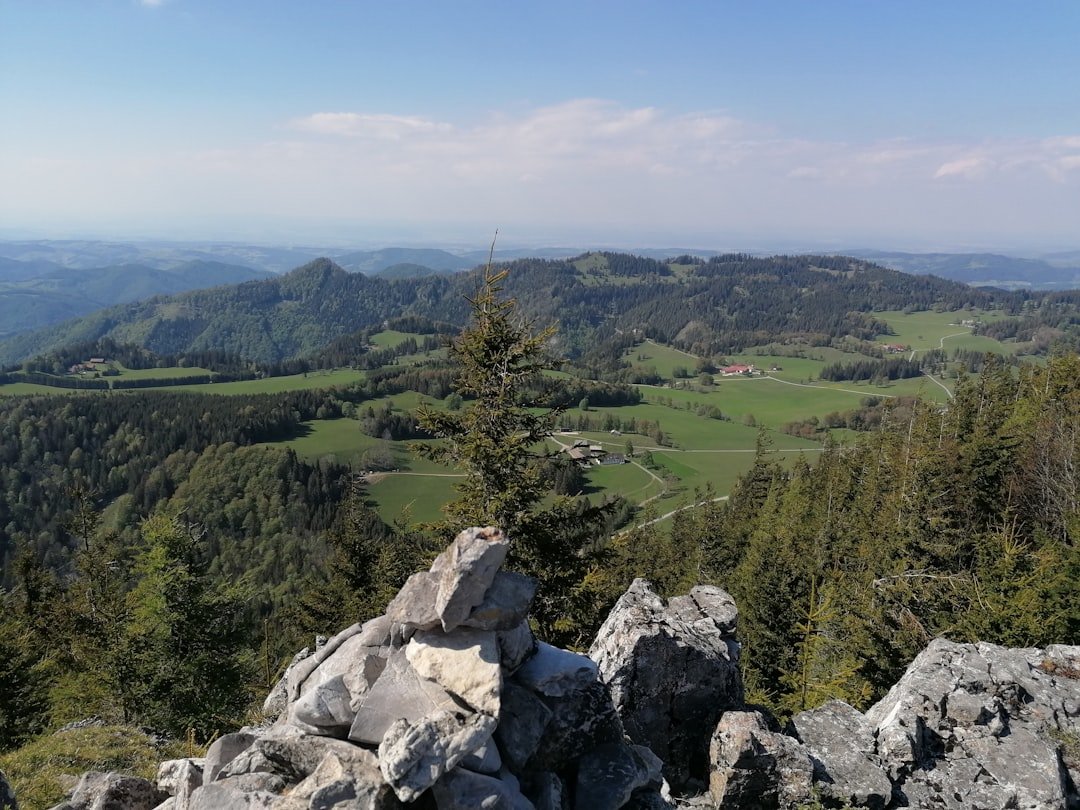
Switzerland’s lakes, valleys, and mountain regions offer many outdoor options for travelers with mobility impairments. You can find accessible boat tours, barrier-free paths, adapted mountain transport, and seasonal adaptive sports.
Some nature parks and tourist regions provide wheelchair-friendly trails or guided tours. Trail surfaces, slope, width, and toilet access can vary, so check the official route details before you go.
Several ski resorts also support adaptive skiing. Places such as Zermatt, Engelberg, and other Alpine areas may offer sit-ski equipment, trained instructors, or partner programs for skiers with disabilities.
Lake cruises can make Swiss scenery easier to enjoy without steep paths. Before booking, confirm step-free boarding, accessible toilets, deck access, and staff support.
Accessible Attractions and Landmarks in Switzerland

Accessible Museums
Major museums such as the Kunsthaus Zurich and the Swiss National Museum offer access features for many wheelchair users. These may include ramps, lifts, accessible restrooms, audio guides, and step-free exhibition areas.
Museums can place temporary exhibitions in rooms with different access conditions. Check the museum’s access page or contact visitor services before you choose a time slot.
Accessible Landmarks
Iconic places such as Lake Geneva, Rhine Falls, and the Swiss Transport Museum can work well for many wheelchair users. Some viewing areas, boats, platforms, and visitor centers include ramps or lifts.
Mountain landmarks need more planning. Cable cars, cogwheel trains, funiculars, and viewing platforms may support wheelchairs, but access depends on the station, chair size, and weather conditions.
Promoting Inclusion
Accessible attractions help you take part in Switzerland’s culture, history, and landscapes with fewer barriers. They also help families, older travelers, and anyone who benefits from step-free design.
Before you buy tickets, check access routes, companion policies, accessible toilets, and any need for advance notice. This small step can prevent avoidable delays.
Accessible Dining and Entertainment Options
Dining out forms a big part of travel in Switzerland. Many restaurants in larger cities offer step-free entrances, spacious seating, accessible toilets, and staff support.
You should still check details before you reserve a table. Historic buildings may have raised thresholds, narrow toilets, basement dining rooms, or small lifts.
Entertainment venues such as theaters, concert halls, cinemas, and opera houses often provide wheelchair seating and companion seats. Some events may also offer audio description, captioning, hearing loops, or sign language interpretation.
The Zurich Opera House and other major venues publish access details online. Contact the box office before booking so staff can assign suitable seats and entry routes.
Warning: A restaurant listing may say “wheelchair accessible” even when the restroom or entrance still has barriers.
Tips for Renting Wheelchairs and Mobility Aids in Switzerland
You can rent wheelchairs, scooters, walkers, and other mobility aids in many Swiss cities. Some rental providers deliver equipment to hotels, airports, or train stations.
Book mobility equipment before you arrive, especially during ski season, summer holidays, and major events. Give the provider your height, weight, chair width needs, battery range needs, and delivery address.
Some hotels may offer basic wheelchairs or work with local rental partners. Ask during booking, and request written confirmation if you depend on the equipment.
Before you travel with a power chair or scooter, check battery rules with your airline and transport operators. You should also carry charger adapters that work with Swiss sockets.
Accessible Tours and Guided Excursions
Guided tours can make travel easier when you need reliable transport, route planning, and local access knowledge. Several Swiss tour operators offer private or custom itineraries for wheelchair users.
Accessible tours may include ramp-equipped vehicles, step-free museum routes, lake cruises, and scenic viewpoints. Guides can also help you avoid steep streets, blocked lifts, or crowded transfer points.
Before you book, ask whether the operator has handled your specific type of mobility aid. Share chair measurements, transfer needs, and whether you can manage short ramps or uneven ground.
A good tour operator should explain limits clearly. That honesty matters more than a vague promise that every stop will be easy.
Accessible Bathrooms and Facilities in Public Spaces
Access to clean, usable restrooms can make or break a travel day. Swiss train stations, shopping centers, museums, airports, and major tourist attractions often provide accessible toilets.
These facilities may include grab bars, wider doors, turning space, lower sinks, and emergency call buttons. Quality and layout can still vary from place to place.
Some municipalities and tourism offices provide maps or online listings for barrier-free public toilets. You can also check station maps, museum access pages, and mobility apps before you leave your hotel.
Carry a small backup plan for each day. Know the nearest train station, department store, museum, or tourist office with accessible facilities near your route.
Resources for Wheelchair Users in Switzerland
Good information helps you avoid access surprises. Switzerland has several official and nonprofit resources that list accessible transport, public buildings, hotels, toilets, and services.
Pro Infirmis provides access information for many public places through its accessibility resources. SBB publishes station and train access details, and local tourism offices often share barrier-free travel pages.
You can also ask regional tourism offices about accessible trails, lake boats, mountain lifts, and city tours. They may know which routes work best during construction, snow, or busy travel periods.
- Use SBB access information before booking train routes.
- Check official city tourism pages for barrier-free attractions.
- Contact hotels directly before you reserve accessible rooms.
- Save emergency contacts and equipment rental details offline.
- Review recent traveler feedback for practical access notes.
Online forums and travel groups can also help, but treat them as personal experience rather than official guidance. Always verify key access details with the venue or transport provider.
Frequently Asked Questions
What is wheelchair accessible travel?
Wheelchair accessible travel means you can move through transport, lodging, attractions, restaurants, and public spaces with fewer physical barriers. It usually includes step-free routes, lifts, ramps, accessible toilets, and clear information before arrival.
What are some wheelchair accessible travel options in Switzerland?
Switzerland offers accessible trains, low-floor city transport, wheelchair-friendly hotels, lake cruises, selected mountain railways, and guided tours. You should confirm details before booking because access can vary by route, station, building, and season.
What are some wheelchair accessible attractions in Switzerland?
Accessible attractions may include the Swiss Transport Museum, Lake Geneva, Rhine Falls, Kunsthaus Zurich, the Swiss National Museum, and selected mountain viewpoints. Check each attraction’s official access page before you visit.
Are public transportation options in Switzerland wheelchair accessible?
Many Swiss trains, trams, and buses offer wheelchair access, designated spaces, and boarding support. Smaller stations, older vehicles, and rural routes may need extra planning or advance assistance.
Are there wheelchair accessible accommodations in Switzerland?
Yes, you can find accessible hotels, guesthouses, serviced apartments, and vacation rentals across Switzerland. Always confirm room layout, bathroom access, lift size, entrance route, and nearby street conditions before booking.
What should wheelchair users consider when planning a trip to Switzerland?
You should research each destination, book accessible accommodation early, arrange train or airport assistance, and confirm attraction access before arrival. Build extra time into your schedule for transfers, lifts, and route changes.
If you are planning a trip to Switzerland and require wheelchair accessible accommodations, you may also want to read this article on exploring the delightful world of Asian melon. Food can play a major role in travel planning, especially when you need restaurants with both accessible layouts and suitable menu options.
Switzerland gives wheelchair users many ways to enjoy cities, lakes, museums, and mountain scenery. The best trips start with clear checks: confirm transport support, room access, restroom options, and attraction routes before you commit. Use official access pages, contact providers directly, and keep a flexible daily plan. With the right preparation, you can explore Switzerland with more comfort and fewer surprises.
References
- Swiss Federal Constitution — Swiss Confederation
- Federal Act on the Elimination of Discrimination against People with Disabilities — Swiss Confederation, 2004
- Convention on the Rights of Persons with Disabilities — United Nations
- Passengers with reduced mobility — Swiss Federal Railways
- Accessibility and disability support resources — Pro Infirmis