Fatih is one of the best parts of Istanbul for seeing the city’s old and new coffee cultures side by side. Around the Grand Bazaar and Eminönü, you can experience traditional Turkish coffee and visit a roaster whose history stretches back to the 19th century. Head toward Balat, and the scene shifts toward specialty beans, V60 brewing, espresso, and contemporary cafés. The key is choosing places that are actually inside Fatih rather than mixing them with famous cafés from other Istanbul districts.
Quick Answer
For coffee in Fatih, try Şark Kahvesi for a traditional Grand Bazaar experience, Coffee No.4 near Sultanahmet for Turkish and espresso-based drinks, Coffee Department in Balat for specialty coffee, Kurukahveci Mehmet Efendi in Eminönü for freshly ground Turkish coffee, and Mim Kahve for coffee with an elevated city view.
Key Takeaways
- Fatih offers both traditional Turkish coffee culture and modern specialty coffee.
- The Grand Bazaar, Eminönü, Sultanahmet area, Tahtakale, and Balat each provide a different coffee experience.
- Coffee Department is one of the strongest specialty-coffee choices within Fatih, while Kurukahveci Mehmet Efendi is an important stop for Turkish-coffee history and freshly ground coffee.
- Several famous Istanbul cafés often mentioned in travel guides—including Mandabatmaz, Fazıl Bey’in Türk Kahvesi, and Pierre Loti Café—are not in Fatih.
- Business hours and menus can change, so avoid planning a trip around an old rating, price, or opening time.
Traditional Turkish Coffee Houses in Fatih
Turkish coffee is more than a brewing method. UNESCO recognizes Turkish coffee culture and tradition as part of the Representative List of the Intangible Cultural Heritage of Humanity. The tradition centers on finely ground coffee, slow preparation, small cups, hospitality, conversation, and the social role of coffeehouses.
For a traditional stop inside Fatih, Şark Kahvesi in the Grand Bazaar is a practical choice. Its setting makes it especially suitable if you want Turkish coffee as part of a visit to the bazaar rather than simply another espresso stop. Expect a busier, more historic-feeling environment than you would find in a modern third-wave café.
Another important stop is Kurukahveci Mehmet Efendi in Eminönü. The company’s documented history dates to 1871, when Mehmet Efendi began roasting, grinding, and selling prepared coffee instead of requiring customers to roast and grind green beans at home. The Eminönü location is best considered a historic coffee roastery and retail stop rather than a conventional sit-down café.
In Fatih, coffee is not only something to drink; traditional Turkish coffee is closely tied to hospitality, conversation, and shared social rituals.
Kahve Dünyası also operates in the Fatih area, including around Nuruosmaniye. It can be convenient for travelers who want a familiar modern café menu, but it should not be confused with a centuries-old neighborhood kahvehane. For a stronger sense of traditional coffee culture, the Grand Bazaar and historic Eminönü coffee trade provide better context.
Trendy and Modern Coffee Shops

Fatih is not limited to traditional Turkish coffee. Contemporary cafés now serve espresso, flat whites, filter coffee, cold coffee, and single-origin beans alongside more familiar Turkish drinks.
Coffee No.4 in Alemdar, within easy reach of the Sultanahmet area, bridges both styles. Its official menu includes Turkish coffee, Ottoman-style Turkish coffee, espresso drinks, iced coffees, and Pistachio Coffee. The café also promotes Turkish coffee prepared in hot sand, making it useful for visitors who want a traditional-style presentation without giving up a modern café menu.
Coffee Department is the stronger option for visitors specifically interested in specialty coffee. The business describes itself as a specialty coffee roastery founded in 2013, and its original Balat shop remains in Fatih. Its coffee selection changes as different harvests and beans become available, so it makes more sense to ask the barista what is currently brewing than to arrive expecting one permanent single-origin coffee.
Well-known Istanbul specialty brands such as MOC and Kronotrop may appear in broader Istanbul coffee guides, but they should not automatically be treated as Fatih recommendations. For this district, Coffee Department and Coffee No.4 are more dependable starting points.
Hidden Gems and Local Favorites
| Coffee Spot | Area | Best For |
|---|---|---|
| Şark Kahvesi | Grand Bazaar / Beyazıt | Traditional Turkish coffee atmosphere |
| Coffee No.4 | Alemdar | Turkish coffee plus modern espresso drinks |
| Kurukahveci Mehmet Efendi | Eminönü | Buying freshly ground Turkish coffee |
| Mim Kahve | Tahtakale | Coffee, desserts, and an elevated city view |
| Coffee Department | Balat / Ayvansaray | Specialty beans and hand-brewed coffee |
For a quieter break away from the busiest tourist streets, Balat and the northern side of Fatih can feel very different from Sultanahmet and the Grand Bazaar. Coffee Department fits naturally into a Balat walk and gives specialty-coffee drinkers a reason to explore beyond the historic core.
Mim Kahve is another useful alternative in Tahtakale. Its official site describes a multi-level setting with a terrace and panoramic Istanbul views, making it a better Fatih choice for visitors who want to linger over coffee while looking across the historic city.
Sütiş Special in the Molla Fenari area is better thought of as a restaurant, bakery, and sweets stop than a dedicated specialty café. It can still make sense if your priority is having Turkish coffee alongside pastries or traditional desserts.
Note: Çengelköy Tarihi Çınaraltı is a well-known waterside café, but it is in Üsküdar on Istanbul’s Asian side. Pierre Loti Café is in Eyüpsultan. Neither should be listed as a Fatih coffee shop.
Specialty Coffee Roasters
The clearest specialty-roasting name in this part of Fatih is Coffee Department. According to the company’s own history, it began as a specialty coffee roastery in 2013. The business says it follows fresh harvests, evaluates beans before purchasing them, and sources through farmers or trusted green-coffee suppliers depending on the coffee.
The Balat shop is particularly useful if you want to compare espresso with a hand-brewed coffee such as V60. Instead of focusing only on whether a coffee is “strong,” ask about origin, processing method, roast style, and expected flavor notes. That gives the barista enough information to suggest a bean that matches your preferences.
Kurukahveci Mehmet Efendi represents a different type of roasting tradition. Its focus is closely associated with Turkish coffee rather than modern third-wave brewing. Visiting both businesses provides a useful comparison between Istanbul’s long-established Turkish-coffee trade and its newer specialty-coffee scene.
Unique Coffee Creations and Flavors
You do not need an invented signature drink to find something different in Fatih. Coffee No.4 currently lists Pistachio Coffee alongside traditional Turkish coffee, espresso drinks, iced coffees, and flavored café drinks. Its sand-prepared Turkish coffee also gives visitors a visually distinctive way to experience the drink.
Mim Kahve emphasizes cold-brewed coffee as part of its current coffee offering, while Coffee Department rotates specialty beans with different flavor profiles. That variety makes these cafés more useful for adventurous coffee drinkers than relying on one supposedly famous drink that may disappear from a menu.
How to Order Turkish Coffee
Turkish coffee is commonly ordered by sweetness level. Knowing the basic terms makes ordering easier:
- Sade: without sugar.
- Az şekerli: lightly sweetened.
- Orta: medium sweetness.
- Şekerli: sweet.
The coffee is served unfiltered, so the fine grounds settle at the bottom of the cup. Sip slowly and stop before you reach the thick layer of grounds. A glass of water is commonly served alongside it.
Coffee Shop Culture and Atmosphere
The atmosphere changes noticeably as you move through Fatih. Around the Grand Bazaar, coffee is tied to shopping, conversation, and the historic commercial center. In Eminönü, the smell of freshly ground Turkish coffee around Tahmis Street connects the drink to the area’s long coffee trade.
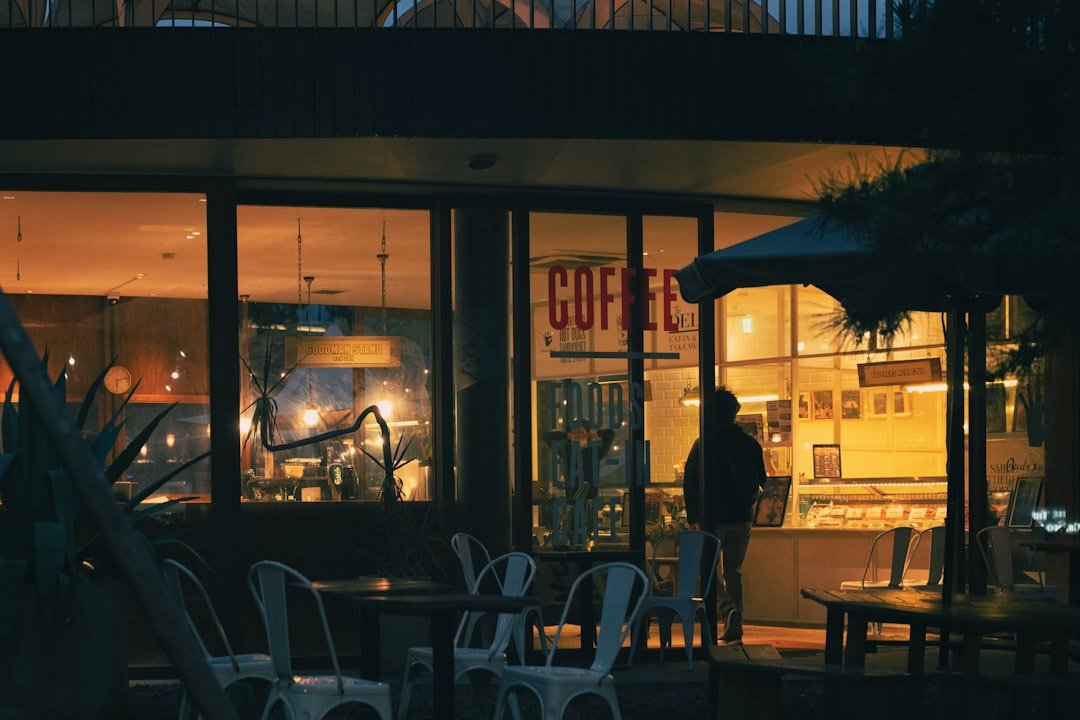
Balat offers a more contemporary experience. Specialty cafés sit among colorful streets, historic buildings, small shops, and restaurants. The setting works well for visitors who want a slower neighborhood walk rather than spending the entire day around Istanbul’s biggest monuments.
Modern cafés generally provide more espresso-based choices and may suit people who want to sit longer or work on a laptop. Traditional Turkish-coffee stops are more about the ritual, location, and social experience. Neither style is inherently better; experiencing both gives you a fuller picture of Istanbul coffee culture.
How to Plan a Fatih Coffee Crawl
If you have several hours, you can turn the district into a simple coffee route rather than traveling back and forth across Istanbul.
- Start near Sultanahmet or Alemdar: Stop at Coffee No.4 for Turkish coffee or an espresso-based drink.
- Continue toward the Grand Bazaar: Have a traditional coffee at Şark Kahvesi while exploring the bazaar.
- Walk toward Eminönü: Visit Kurukahveci Mehmet Efendi on Tahmis Street and buy ground Turkish coffee to take home if you wish.
- Pause in Tahtakale: Choose Mim Kahve if you want to sit longer with coffee, dessert, and a city view.
- Finish toward Balat: Make Coffee Department your specialty-coffee stop and explore the surrounding neighborhood afterward.
Pro Tip: Do not order a full-size milk drink at every stop if you are doing a coffee crawl. Alternating a Turkish coffee, espresso, tea, water, or a small filter coffee makes the route more enjoyable.
Tips for Enjoying the Coffee Scene in Fatih
- Try both coffee traditions. Have at least one Turkish coffee and one modern specialty or espresso-based drink.
- Choose by neighborhood. Sultanahmet and the Grand Bazaar work well during sightseeing, while Balat deserves a separate neighborhood walk.
- Ask what is fresh. Specialty beans and seasonal drinks change, so the best option may not be the one an old online article recommends.
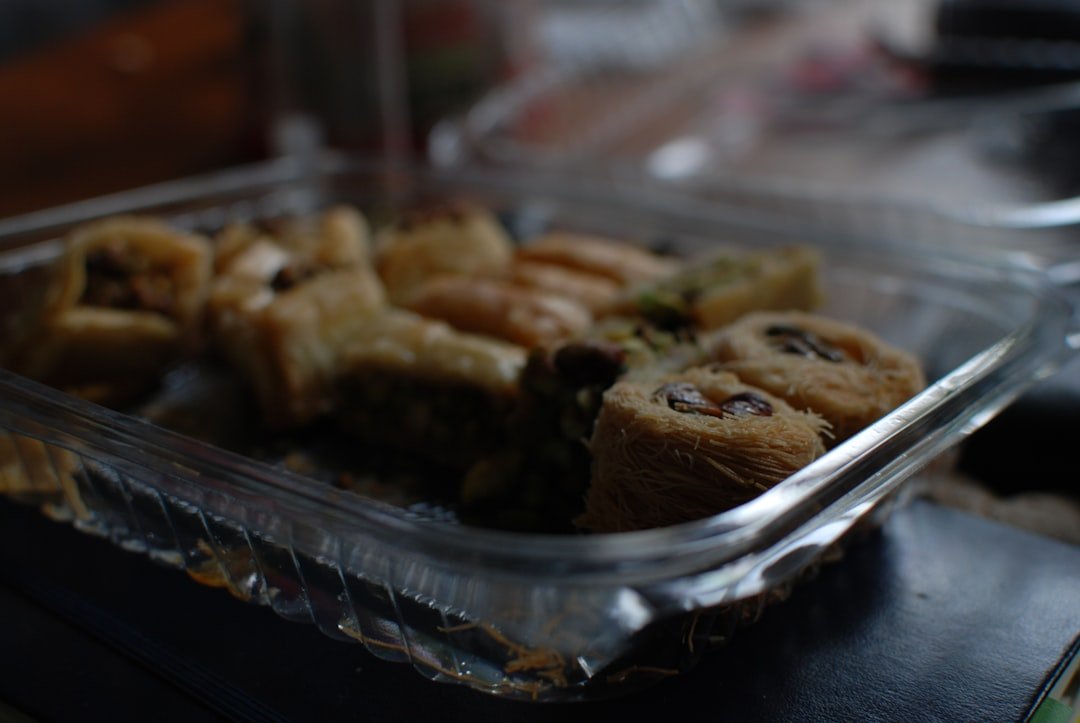
- Pair coffee with local sweets. Baklava, lokum, sütlü tatlılar, and other pastries can work well with a strong Turkish coffee.
- Drink Turkish coffee slowly. The grounds remain in the cup and are not meant to be swallowed like filtered coffee.
- Enjoy the ritual. Reading fortunes from the grounds left in a Turkish-coffee cup remains a familiar social custom, although it is entertainment rather than a factual way to predict the future.
- Check current opening hours. Café schedules can change for holidays, Ramadan, renovations, and seasonal operations.
If you enjoy exploring unfamiliar flavors, use your coffee stop as a chance to try a local sweet rather than treating the drink in isolation. Turkish delight, baklava, börek, cakes, and milk-based desserts are widely available around Fatih, and the contrast between a sweet pastry and an unsweetened or lightly sweetened Turkish coffee can be especially enjoyable.
Sources
- UNESCO — Turkish coffee culture and tradition — supports the preparation method, cultural role, hospitality tradition, and UNESCO heritage status.
- Kurukahveci Mehmet Efendi — official history — supports the company’s 1871 history and development of roasted and ground coffee sales.
- Coffee No.4 — official site — supports its Fatih location and current Turkish, espresso, pistachio, and iced-coffee offerings.
- Coffee Department — official site — supports its specialty-coffee business, roasting activities, and Balat presence.
- Mim Kahve — official site — supports its Tahtakale/Fatih location, coffee offering, and terrace/panoramic setting.
Frequently Asked Questions
What are some popular coffee shops actually located in Fatih?
Useful Fatih choices include Şark Kahvesi in the Grand Bazaar, Coffee No.4 in Alemdar, Coffee Department in Balat, Mim Kahve in Tahtakale, and Kurukahveci Mehmet Efendi in Eminönü for freshly roasted and ground Turkish coffee.
Are Fazıl Bey, Mandabatmaz, and Pierre Loti Café in Fatih?
No. Fazıl Bey’in Türk Kahvesi is associated with Kadıköy, Mandabatmaz is in Beyoğlu, and Pierre Loti Café is in Eyüpsultan. They may be worthwhile Istanbul coffee stops, but they should not be described as Fatih cafés.
What types of coffee are typically served in Fatih coffee shops?
You can find Turkish coffee, espresso, Americano, cappuccino, latte, filter coffee, cold coffee, and specialty hand-brewed coffees. The exact selection depends on whether you visit a traditional coffeehouse, a modern café, or a specialty roaster.
Where can I try traditional Turkish coffee in Fatih?
Şark Kahvesi inside the Grand Bazaar is a convenient traditional choice. Coffee No.4 also serves Turkish coffee, including sand-prepared versions, if you prefer a more modern café setting.
Do Fatih coffee shops serve local pastries and sweets?
Yes. Depending on the café, you may find baklava, börek, lokum, cakes, breakfast pastries, or milk-based Turkish desserts. Menus vary, so specific items should be checked at the café rather than assumed.
Are there coffee shops in Fatih with a view?
Yes. Mim Kahve in Tahtakale promotes a terrace and panoramic Istanbul setting. Pierre Loti Café also has a famous Golden Horn view, but it is in the separate Eyüpsultan district rather than Fatih.
Where can I buy coffee beans or ground Turkish coffee in Fatih?
Kurukahveci Mehmet Efendi in Eminönü is a classic choice for ground Turkish coffee. Specialty-coffee drinkers can also buy changing selections of roasted beans from Coffee Department.