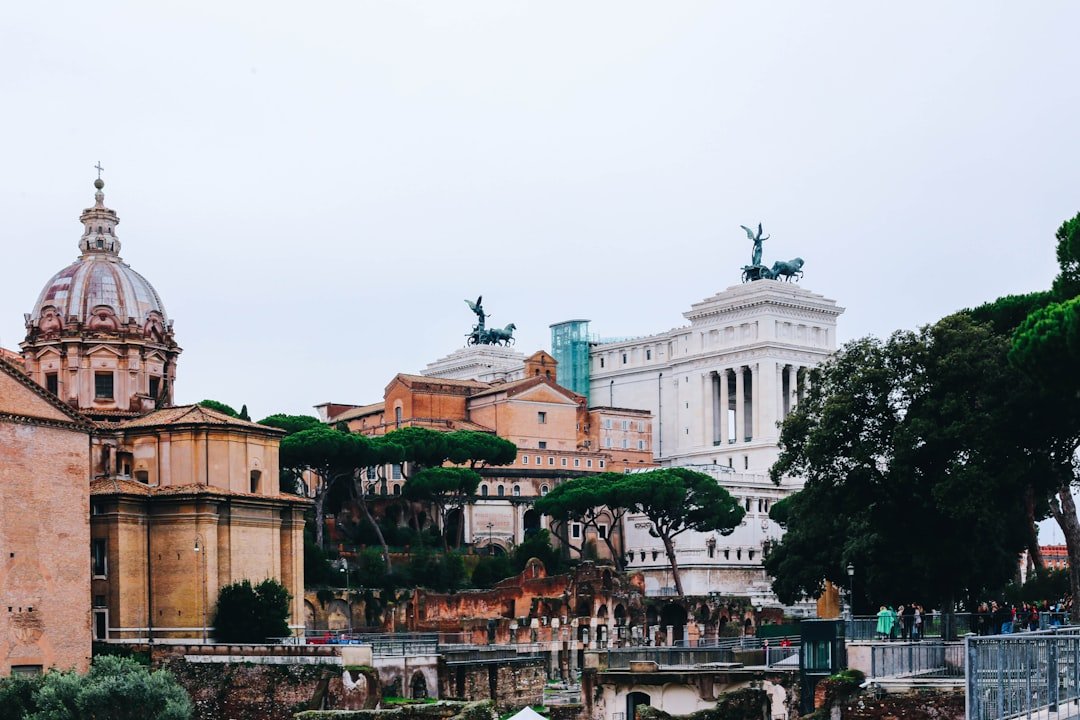
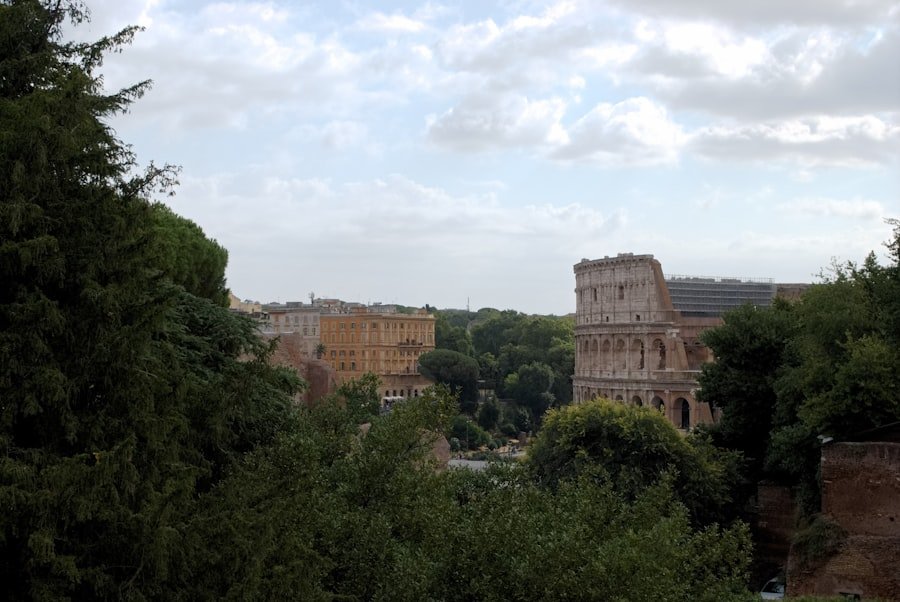
The Colosseum, an iconic symbol of ancient Rome, stands as a testament to the architectural ingenuity and cultural significance of the Roman Empire. Constructed between 70-80 AD, this colossal amphitheater could accommodate up to 80,000 spectators, who gathered to witness gladiatorial contests, animal hunts, and other public spectacles. As you approach the Colosseum, the sheer scale of the structure is awe-inspiring; its elliptical shape and tiered seating evoke a sense of grandeur that has captivated visitors for centuries.
Walking through its ancient arches, one can almost hear the echoes of the crowd and feel the palpable excitement that once filled the air. The intricate details of the stonework, including the remnants of the original marble façade, tell stories of a bygone era where entertainment was both brutal and exhilarating. Adjacent to the Colosseum lies the Roman Forum, a sprawling complex that served as the heart of political, social, and economic life in ancient Rome.
This area was once bustling with activity, filled with temples, basilicas, and public spaces where citizens gathered to discuss matters of state and engage in commerce. As you wander through the ruins, you can explore significant landmarks such as the Temple of Saturn and the Arch of Titus, each bearing witness to the rich history that unfolded within these walls. The Forum’s layout reflects the evolution of Roman society, showcasing how architecture and urban planning adapted over time.
The juxtaposition of crumbling columns against the backdrop of modern Rome creates a unique atmosphere where history feels alive, inviting visitors to imagine what life was like in this vibrant center of civilization.
Key Takeaways
- The Colosseum and Roman Forum offer a fascinating glimpse into ancient Roman history and architecture.
- The Pantheon and Trevi Fountain are must-see landmarks that showcase the grandeur of Roman engineering and artistry.
- The Vatican City and St. Peter’s Basilica are awe-inspiring religious and cultural sites that should not be missed.
- Villa Borghese Gardens provide a peaceful retreat amidst the hustle and bustle of Rome, perfect for a relaxing stroll.
- Piazza Navona and Spanish Steps offer stunning views and lively atmospheres, ideal for soaking in the beauty of Rome.
Visit the Pantheon and Trevi Fountain
The Pantheon’s History and Architecture
Originally built as a temple dedicated to all gods, its construction began under Agrippa in 27 BC and was later completed by Emperor Hadrian around 126 AD. The most striking feature of the Pantheon is its massive dome, which remains the largest unreinforced concrete dome in the world.
A Celestial Ambiance
The oculus at its center allows natural light to flood the interior, creating a celestial ambiance that changes throughout the day. As you step inside, the harmonious proportions and intricate marble flooring draw your attention, while the tombs of notable figures such as Raphael add a layer of reverence to this architectural masterpiece.
The Trevi Fountain: A Baroque Masterpiece
Just a short walk from the Pantheon is the Trevi Fountain, an exquisite baroque masterpiece that has become synonymous with romance and wishes. Designed by Nicola Salvi and completed in 1762, this monumental fountain features a stunning depiction of Neptune riding a chariot pulled by sea horses, symbolizing the taming of water. Visitors flock to toss coins into its waters, a tradition believed to ensure a return to Rome. The sound of cascading water combined with the intricate sculptures creates an enchanting atmosphere that captivates all who visit.
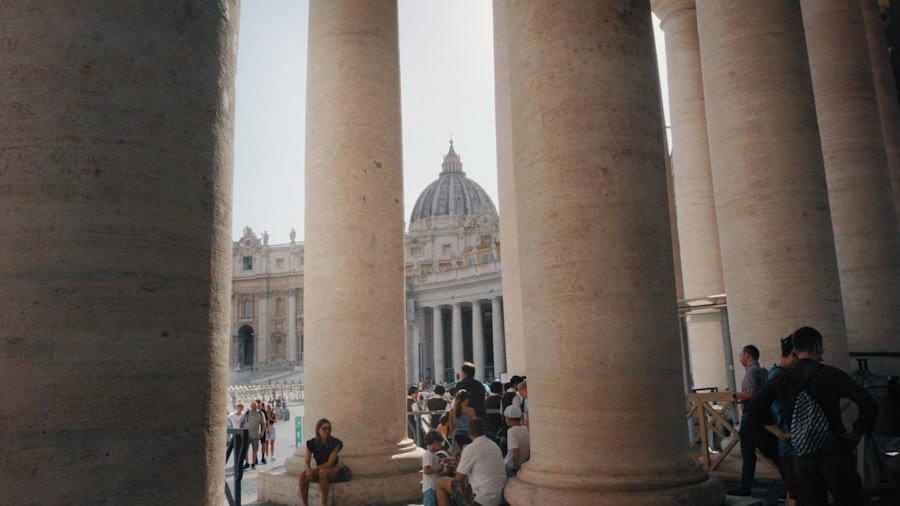
Vatican City, an independent city-state enclaved within Rome, is a treasure trove of art, history, and spirituality. As you enter this sacred space, you are greeted by St. Peter’s Basilica, one of the largest and most renowned churches in the world.
The basilica’s grand façade and towering dome designed by Michelangelo dominate the skyline, inviting pilgrims and tourists alike to explore its hallowed halls. Inside, the opulence is overwhelming; gilded altars, intricate mosaics, and Michelangelo’s breathtaking Pietà create an atmosphere of reverence and awe. The sheer scale of St.
Peter’s is staggering; it can accommodate over 60,000 worshippers at once, making it a focal point for Catholicism. Beyond St. Peter’s Basilica lies the Vatican Museums, home to an extensive collection of art amassed by popes over centuries.
The journey through these museums is nothing short of extraordinary; each gallery showcases masterpieces from renowned artists such as Raphael and Caravaggio. The highlight is undoubtedly the Sistine Chapel, where Michelangelo’s iconic ceiling frescoes depict scenes from Genesis and The Last Judgment on the altar wall. Standing beneath this artistic marvel is a humbling experience that connects visitors to centuries of religious devotion and artistic achievement.
The Vatican’s rich history and cultural significance make it an essential stop for anyone seeking to understand Rome’s profound impact on art and religion.
Take a stroll in the Villa Borghese Gardens
The Villa Borghese Gardens offer a serene escape from the bustling streets of Rome, providing a lush oasis filled with art and nature. Spanning over 80 hectares, these gardens were originally designed for Cardinal Scipione Borghese in the early 17th century as a private retreat. Today, they are open to the public and serve as one of Rome’s most beloved parks.
As you wander along winding paths lined with centuries-old trees and vibrant flowerbeds, you can discover charming fountains, sculptures, and even a small lake where you can rent rowboats for a leisurely paddle. At the heart of Villa Borghese lies the Galleria Borghese, an art gallery that houses an impressive collection of works by masters such as Bernini, Caravaggio, and Raphael. The gallery itself is housed in a beautiful villa that reflects the elegance of its surroundings.
Visitors can admire Bernini’s stunning sculptures like “Apollo and Daphne” and “The Rape of Proserpina,” which showcase his unparalleled ability to capture movement and emotion in marble. The combination of natural beauty and artistic brilliance makes Villa Borghese a perfect destination for those seeking both relaxation and inspiration amidst Rome’s vibrant cultural landscape.
Enjoy the views from the Piazza Navona and Spanish Steps
| Metrics | Data |
|---|---|
| Number of visitors | Millions annually |
| Views from Piazza Navona | Fountains, sculptures, and historic buildings |
| Views from Spanish Steps | Scenic cityscape and iconic staircase |
| Instagram hashtags | #PiazzaNavona #SpanishSteps #RomeViews |
Piazza Navona is one of Rome’s most picturesque squares, characterized by its stunning baroque architecture and lively atmosphere. Originally built on the site of an ancient stadium, it features three magnificent fountains: the Fountain of the Four Rivers by Bernini being the most prominent. As you stroll through this vibrant square, you’ll find artists showcasing their work, street performers entertaining passersby, and cafes inviting you to sit back with a gelato or espresso while soaking in the ambiance.
The surrounding buildings are adorned with intricate facades that reflect Rome’s rich artistic heritage, making it an ideal spot for photography enthusiasts. A short distance away are the Spanish Steps, another iconic gathering place in Rome that offers breathtaking views over the city. This monumental stairway consists of 135 steps leading from Piazza di Spagna to Trinità dei Monti church at the top.
The steps are often filled with locals and tourists alike who come to relax on their sun-warmed stones or enjoy impromptu performances by musicians. Climbing to the top rewards visitors with panoramic views that stretch across Rome’s rooftops and domes—an unforgettable sight at sunset when the city is bathed in golden light. Both Piazza Navona and the Spanish Steps encapsulate Rome’s vibrant social scene while providing stunning backdrops for memorable experiences.
Indulge in authentic Italian cuisine at Campo de’ Fiori
Fresh Produce and Local Delicacies
Campo de’ Fiori is more than just a market; it’s a culinary haven where locals gather to shop for fresh produce, artisanal cheeses, and other gourmet delights. Each morning, vendors set up stalls brimming with colorful fruits and vegetables that reflect Italy’s rich agricultural heritage. The lively atmosphere is infectious as shoppers haggle over prices or sample local delicacies like cured meats or freshly baked bread.
A Focal Point for Food Lovers
This market has been a central part of Roman life since the 15th century and continues to be a focal point for food lovers seeking authentic Italian flavors. As evening falls, Campo de’ Fiori transforms into a vibrant dining destination with numerous trattorias offering traditional Roman dishes. Here you can indulge in classics such as pasta alla carbonara or cacio e pepe—simple yet flavorful dishes that highlight Italy’s culinary philosophy of using high-quality ingredients prepared with care.
An Unforgettable Gastronomic Adventure
Pair your meal with a glass of local wine for an authentic dining experience that captures the essence of Italian culture. Whether you’re enjoying a leisurely meal al fresco or grabbing a quick bite from one of the market stalls during lunch hours, Campo de’ Fiori promises an unforgettable gastronomic adventure.
Discover the ancient ruins at Palatine Hill
Palatine Hill is one of Rome’s seven hills and holds immense historical significance as it is believed to be the birthplace of Rome itself. According to legend, Romulus founded his city here after slaying his brother Remus in 753 BToday, visitors can explore extensive archaeological remains that reveal layers of history dating back thousands of years. As you ascend Palatine Hill, you’ll encounter ruins of imperial palaces once inhabited by emperors such as Augustus and Tiberius—each structure telling stories of power and prestige.
The panoramic views from Palatine Hill are equally captivating; you can gaze down upon the Roman Forum below or admire the sprawling cityscape stretching out towards St. Peter’s Basilica in the distance. Walking through this ancient site allows you to connect with Rome’s storied past while enjoying moments of tranquility amidst lush gardens and olive trees that dot the landscape.
The combination of historical significance and natural beauty makes Palatine Hill an essential stop for anyone wishing to delve deeper into Rome’s rich heritage.
Experience the vibrant atmosphere at Trastevere
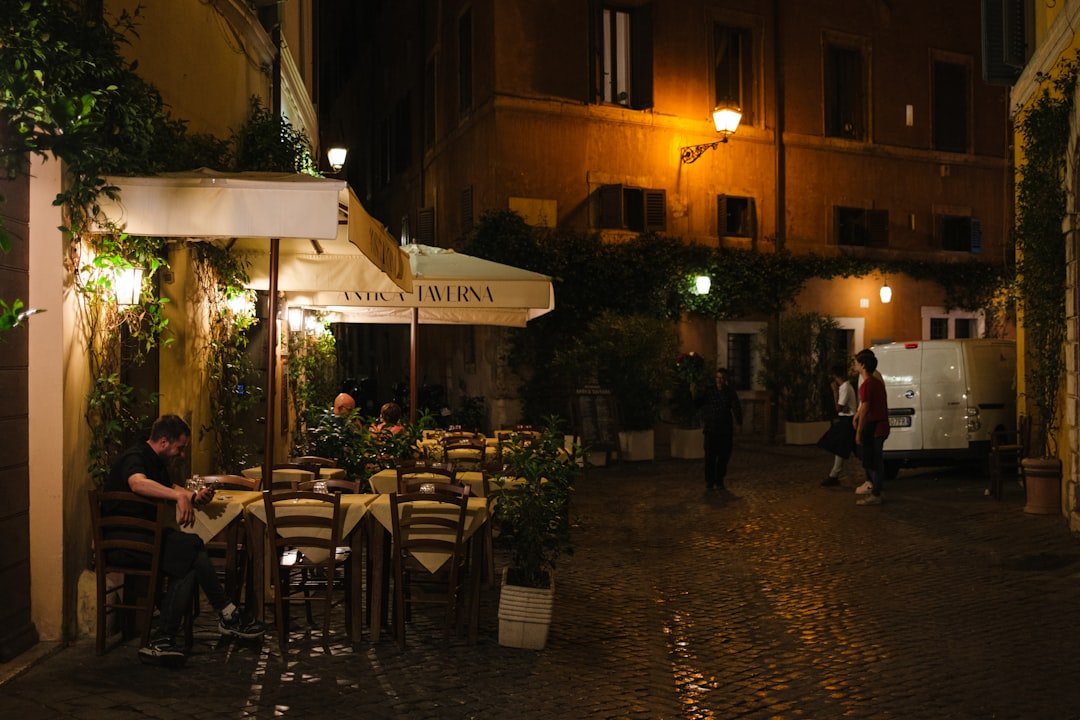
Trastevere is often described as one of Rome’s most charming neighborhoods—a place where narrow cobblestone streets wind their way past colorful buildings adorned with ivy and flowers. This area has retained its authentic character over centuries; once home to working-class families, it now attracts both locals and tourists seeking an immersive experience in Roman culture. As you wander through Trastevere’s alleys, you’ll discover quaint shops selling handmade crafts alongside bustling piazzas filled with lively bars offering aperitivo—a beloved Italian tradition where drinks are accompanied by small bites.
As night falls, Trastevere comes alive with music spilling out from open-air restaurants where diners savor traditional Roman dishes under twinkling lights strung overhead. The atmosphere is electric; laughter mingles with clinking glasses as friends gather to share stories over plates piled high with pasta or pizza al taglio—Roman-style pizza sold by weight. This neighborhood embodies la dolce vita—the sweet life—inviting visitors to slow down and savor every moment while immersing themselves in its vibrant culture.
Admire the art at Galleria Borghese
The Galleria Borghese stands as one of Rome’s premier art galleries, showcasing an extraordinary collection amassed by Cardinal Scipione Borghese during the early 17th century. Housed within a beautiful villa surrounded by lush gardens, this gallery features works by some of history’s most celebrated artists including Caravaggio, Raphael, and Bernini—each piece reflecting their unique styles and contributions to art history. Visitors can marvel at Bernini’s dynamic sculptures like “David” or “The Rape of Proserpina,” which capture movement so vividly that they seem almost alive.
In addition to its impressive sculptures, Galleria Borghese also boasts an extensive collection of paintings that span various periods and styles—from Renaissance masterpieces to Baroque works characterized by dramatic lighting and emotional intensity. The intimate setting allows for close examination without overwhelming crowds often found in larger museums; this makes it possible for visitors to truly appreciate each artwork’s details and significance within its historical context. A visit here not only enriches your understanding of art but also provides insight into how these masterpieces have shaped cultural narratives throughout time.
Take a day trip to the beautiful town of Tivoli and its stunning villas
A day trip to Tivoli offers an enchanting escape from Rome’s bustling streets while immersing visitors in breathtaking landscapes dotted with historic villas. Located just 30 kilometers east of Rome, Tivoli is renowned for its stunning gardens and opulent estates—most notably Villa d’Este—a UNESCO World Heritage site famous for its terraced gardens adorned with fountains that cascade down lush hillsides. Designed in the 16th century for Cardinal Ippolito d’Este, these gardens exemplify Renaissance ideals blending nature with artistry; walking through them feels like stepping into a dreamscape where water dances amidst vibrant flowers.
Another must-visit site in Tivoli is Hadrian’s Villa (Villa Adriana), an expansive archaeological complex built by Emperor Hadrian in the 2nd century AD as his retreat from Rome. This vast estate features ruins that reflect Greek architectural influences alongside Roman innovations—an embodiment of Hadrian’s appreciation for culture from across his empire. Exploring these ruins allows visitors to connect with ancient history while marveling at how architecture can harmonize with nature over centuries.
A day spent in Tivoli not only enriches your understanding of Italy’s artistic heritage but also provides moments of tranquility amidst stunning natural beauty.
Enjoy a leisurely walk along the Tiber River and visit Castel Sant’Angelo
The Tiber River flows gracefully through Rome, serving as both a lifeline for its inhabitants throughout history and a picturesque backdrop for leisurely strolls along its banks. Walking along this historic river allows you to witness daily life unfold against stunning vistas; locals jog or cycle while families gather for picnics on grassy banks overlooking shimmering waters reflecting ancient bridges like Ponte Sant’Angelo adorned with angelic sculptures designed by Bernini. At one end lies Castel Sant’Angelo—a monumental fortress originally built as Emperor Hadrian’s mausoleum before evolving into a papal fortress during medieval times.
Its cylindrical shape topped with a statue of Saint Michael creates an imposing silhouette against Rome’s skyline; exploring its interior reveals fascinating exhibitions detailing its transformation over centuries alongside breathtaking views from its terrace overlooking both riverbanks below—an ideal spot for capturing unforgettable photographs that encapsulate Rome’s timeless beauty amidst modern life unfolding around it.
If you’re looking for free things to do in Rome, you might also be interested in exploring the delightful world of Asian melon. Check out this article here to learn more about this unique fruit and how to incorporate it into your culinary adventures.
FAQs
What are some free things to do in Rome?
Some free things to do in Rome include visiting the Pantheon, exploring the Roman Forum, and taking a stroll through the beautiful Villa Borghese gardens.
Are there any free museums in Rome?
Yes, there are several free museums in Rome, including the Capitoline Museums, the National Roman Museum, and the Museo dell’Ara Pacis.
Can I visit the Trevi Fountain for free?
Yes, visiting the Trevi Fountain is free of charge. It is a popular spot for tourists to throw a coin into the fountain and make a wish.
What are some free parks and gardens to visit in Rome?
Some free parks and gardens to visit in Rome include the Villa Borghese gardens, the Orange Garden on the Aventine Hill, and the Pincian Hill.
Are there any free walking tours in Rome?
Yes, there are free walking tours available in Rome, where knowledgeable guides lead visitors through the city’s historic streets and landmarks. Keep in mind that it is customary to tip the guide at the end of the tour.