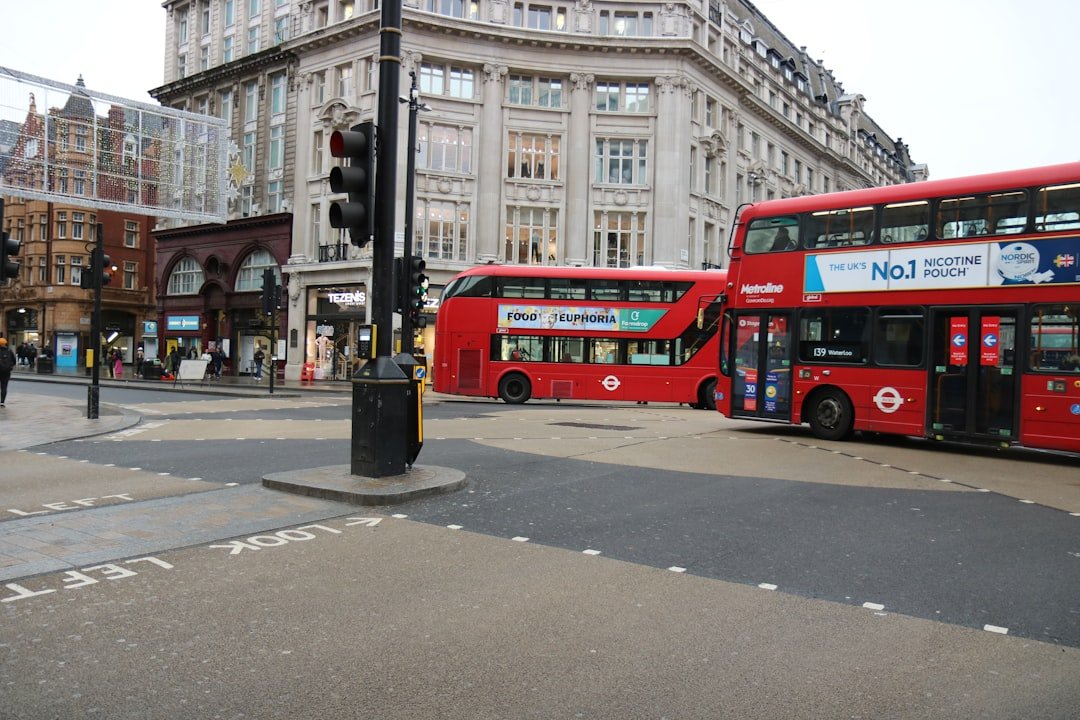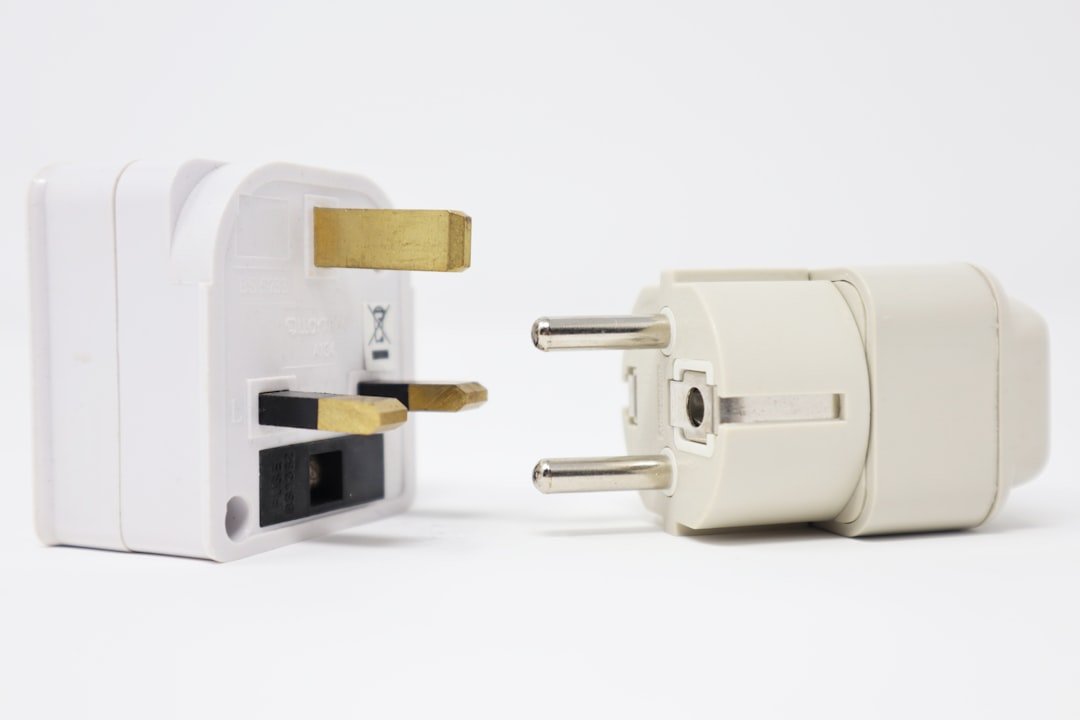
The London power adapter type used in normal wall sockets is Type G, the British three-rectangular-pin plug. London runs on 230V electricity at 50Hz, so travelers need to check both plug shape and device voltage before connecting anything. For many phone, tablet, camera, and laptop chargers, a Type G adapter is all that is required.
Quick Answer
London uses Type G power outlets with three rectangular pins and 230V, 50Hz electricity. If your charger or device is marked for 230V or a range such as 100–240V, you usually need only a Type G plug adapter. A lower-voltage single-voltage appliance needs a suitable voltage converter or transformer as well.
Key Takeaways
- London and the rest of the UK use Type G plugs with three rectangular pins.
- UK mains electricity is 230V at 50Hz, so plug shape is only part of the compatibility check.
- A travel adapter changes the physical plug connection; it does not convert voltage or frequency.
- Check the INPUT label on every charger or appliance before using it in London.
- Choose an appropriately rated adapter from a reputable retailer and avoid damaged, loose, or overloaded adapters.
Types of Power Adapters for London
The simplest choice is a Type G travel adapter that accepts your existing plug and fits a UK wall socket. Travelers carrying several devices may prefer a multi-port adapter or a universal travel adapter, but the electrical ratings still need to match every device connected to it.
| Situation | What You Need | What It Does |
|---|---|---|
| Device supports 230V but your plug does not fit | Type G plug adapter | Changes the physical plug connection only |
| Several compatible phones or USB devices | Type G adapter with USB ports | Lets several compatible devices share one wall socket |
| Traveling through several countries | Universal adapter that includes Type G | Provides different plug configurations; it normally does not convert voltage |
| Single-voltage device cannot accept 230V | Suitable converter or transformer, plus the correct plug connection | Changes voltage when properly matched to the appliance |
A basic adapter is often enough for dual-voltage electronics. However, an adapter with USB-A or USB-C ports can be convenient when several compatible devices need charging from one socket.
Features such as surge protection may provide additional protection on some models, but they do not turn an adapter into a voltage converter. Always treat plug adaptation and voltage conversion as two separate jobs.
Voltage and Plug Type in London
London uses the same electrical system as the rest of the United Kingdom: Type G plugs with a nominal 230V, 50Hz supply. Electrical Safety First confirms the Type G configuration, its three rectangular blades, and the UK’s 230V/50Hz supply in its United Kingdom travel-adapter guidance.

The Type G system uses three rectangular pins arranged in a triangular pattern. British plugs incorporate a fuse, which is part of the UK’s plug safety system.
The official Visit London electricity guide also notes that UK wall sockets commonly have an individual power switch. If your charger appears dead after you plug it in, check that the socket itself is switched on.
Voltage matters just as much as plug shape. For example, Electrical Safety First lists the United States supply as 120V at 60Hz, which is different from London’s 230V at 50Hz. A U.S. Type A or Type B plug therefore needs a Type G adapter, and a 120V-only appliance also needs appropriate voltage conversion.
Warning: Never connect a device marked only for a lower voltage, such as 120V, directly to a London 230V outlet through a simple plug adapter. The adapter changes the plug shape but does not reduce the voltage, so the appliance may overheat, fail, or create an electrical hazard.
Frequency can matter too. A voltage converter does not necessarily change 50Hz to 60Hz, so some motors, clocks, or other frequency-sensitive appliances may still operate incorrectly even when the voltage is converted.
How to Choose the Right Power Adapter for London
Choose your London power adapter by checking each device first, not by buying the largest universal adapter you can find. The label on the charger, power supply, or appliance tells you whether a plug adapter alone is enough or whether voltage conversion is also required.
- Read the INPUT rating. Look on the charger brick, power supply, or appliance. A range that includes 230V, such as 100–240V, means the power supply can accept London’s voltage.
- Match the plug to Type G. If your existing plug does not have the British three-rectangular-pin shape, you need an adapter that fits a Type G socket.
- Check grounding requirements. Some travel adapters are intended only for double-insulated equipment and do not maintain an earth connection. Do not use one with equipment that requires grounding.
- Check the adapter’s maximum rating. The connected appliance must not exceed the adapter’s stated amps or watts.
- Choose extra ports only after checking safety. USB ports can reduce the number of separate chargers you carry, but they do not remove the need to check voltage and power ratings.
Electrical Safety First’s travel-adapter safety guidance recommends checking the adapter’s maximum power rating and buying from a reputable retailer. It also states that travel adapters sold in the UK with a UK plug or socket section must meet BS 8546.
The British Standards Institution’s BS 8546 specification covers construction, ratings, markings, dimensions, testing, earthing, and other safety requirements for travel adapters compatible with the UK plug-and-socket system.
Pro Tip: Before packing, place every charger you plan to use in one group and read its INPUT label. Doing this at home is much easier than discovering in your London hotel that one appliance cannot safely use 230V power.
Tips for Using Power Adapters in London
Using a London power adapter is straightforward once voltage, grounding, and power ratings are correct. The main risks come from using an incompatible appliance, overloading an adapter, or continuing to use equipment that feels loose, damaged, or unusually hot.
- Make sure the Type G adapter sits firmly in the socket and that your device’s plug fits securely in the adapter.
- Check the wall-socket switch if the device does not receive power.
- Do not exceed the adapter’s stated current or wattage rating.
- Do not force a plug into a socket or try to defeat the socket shutters.
- Stop using an adapter if it is cracked, damaged, loose, discolored, or produces a burning smell.
- Avoid connecting multiple extension devices together.
Electrical Safety First warns that overloaded adapters and extension leads can overheat and create a fire risk. Its extension-lead and adaptor safety guidance also advises against daisy-chaining one extension device into another.
What to Do If Your Charger Does Not Work
If a compatible charger does not work in London, start with the simplest checks rather than assuming the charger has failed. A switched-off outlet, loose adapter, or unsuitable power rating can all prevent normal charging.
- Check that the wall socket’s switch is on.
- Remove and firmly reconnect the plug and adapter without forcing either connection.
- Read the charger’s INPUT label again and confirm that 230V and 50Hz fall within its supported range.
- Inspect the adapter for looseness or damage and try another known working wall socket if one is available.
If the device is single voltage or its electrical requirements are unclear, stop rather than experimenting with different adapters. Check the manufacturer’s specifications before connecting it to UK mains power.
Where to Buy Power Adapters for London
You can buy a Type G adapter before your trip or after arriving in London. Buying before departure gives you time to confirm the adapter’s ratings, plug compatibility, and safety markings, while London’s airports and high-street shops also sell travel adapters.

If you buy online, use a reputable retailer rather than choosing an unknown third-party seller purely on price. Electrical Safety First specifically recommends reputable sellers because some travel adapters may not have passed the necessary safety checks.
If you forget to pack one, the Visit London guidance notes that suitable adapters can be purchased at airports and high-street shops. Before paying, confirm that the product is intended for a UK Type G socket and is suitable for the appliances you plan to connect.
Universal Power Adapters for London
A universal travel adapter can work well in London if it includes a genuine Type G configuration and supports the equipment you are connecting. It is especially useful on trips that include countries with several different plug systems, but universality does not mean unlimited electrical compatibility.
Check the unit’s maximum current or wattage, whether it provides an earth connection when your appliance requires one, and whether its built-in USB outputs suit your devices. If several devices are connected at once, their combined load must remain within the adapter’s rating.
Most importantly, a universal travel adapter normally changes only the plug connection. It does not automatically convert London’s 230V supply to 120V or alter the 50Hz frequency.
Alternatives to Power Adapters in London
If you prefer not to use a separate travel adapter, you can use a UK-compatible charger or power supply specifically designed for your device. You can also use appropriate USB charging ports where they are provided, or carry a charged power bank for periods when a wall socket is unavailable.
Some hotels and other public places provide USB charging points, but availability varies. Do not rely on them as your only charging plan if you need your phone for navigation, tickets, or communication.
Hotel bathrooms may also contain two-pin shaver sockets. VisitBritain’s travel information notes that many hotels provide European-style two-pin sockets for shavers only. Treat these as specialist bathroom outlets rather than replacements for a normal Type G wall socket.
The safest packing approach is simple: check every charger’s voltage range, bring the correct Type G connection, and leave any incompatible appliance at home unless you have a properly matched converter or transformer.
Related reading on Tagline Today: delicious homemade cottage cheese recipe.
Frequently Asked Questions
What is a London power adapter type?
The standard London power adapter type is Type G. London uses the same three-rectangular-pin plug system as the rest of the United Kingdom, together with a nominal 230V, 50Hz electricity supply.
What type of power adapter do I need for London?
You need a Type G adapter if your existing plug does not fit a British socket. If your device already has a Type G plug and its electrical rating is compatible with 230V, you do not need a separate plug adapter.
Do I need a voltage converter for London?
You need a suitable voltage converter or transformer if your appliance cannot accept London’s 230V supply. A device or charger with an input range that includes 230V normally needs only the correct Type G plug connection, not voltage conversion.
Where can I purchase a London power adapter?
You can buy a Type G travel adapter from reputable electronics or travel retailers before your trip, and adapters are also available at London airports and high-street shops. Check the electrical rating and UK compatibility before using one.
Can I use a universal adapter in London?
Yes, you can use a universal adapter in London if it includes a Type G configuration and is correctly rated for your equipment. Remember that a universal plug adapter normally does not convert voltage or frequency.
Do US plugs work in London?
Standard U.S. Type A and Type B plugs do not fit London’s Type G wall sockets directly. U.S. travelers therefore need a Type G adapter, and any device designed only for 120V also needs suitable voltage conversion.
Can I use my hair dryer in London?
You can use a hair dryer in London only if its electrical rating is compatible with the UK’s 230V, 50Hz supply or you have a properly matched converter. Do not connect a 120V-only hair dryer to a Type G adapter and assume the adapter changes the voltage.
Why is my charger not working in a London socket?
First check whether the wall socket has a switch and make sure it is turned on. Then confirm that the adapter is seated securely, the charger’s input rating includes 230V, and neither the adapter nor the cable is damaged.
Sources
- Electrical Safety First — United Kingdom Travel Adaptors: Type G plug, 230V supply, 50Hz frequency, and adapter-versus-converter guidance.
- Visit London — Electricity in London: London voltage, switched wall sockets, adapter availability, and charging information.
- Electrical Safety First — United States Travel Adaptors: U.S. Type A and B plugs and 120V, 60Hz supply information.
- Electrical Safety First — Travel Adaptor Safety: BS 8546, maximum power ratings, grounding considerations, and reputable-retailer guidance.
- British Standards Institution — BS 8546: Safety and construction requirements for travel adapters compatible with the UK plug system.
- Electrical Safety First — Extension Leads and Adaptors: Overloading and daisy-chaining safety guidance.
- VisitBritain — Useful Information: UK plug information and hotel bathroom shaver-socket guidance.