Palermo, the capital of Sicily, is a city steeped in history and culture, offering a unique blend of influences from various civilizations that have left their mark over the centuries. Founded by the Phoenicians in the 8th century BC, Palermo has been shaped by the Greeks, Romans, Arabs, Normans, and Spanish, each contributing to its rich tapestry of architecture, cuisine, and traditions. The city is characterized by its vibrant street life, bustling markets, and a palpable sense of history that permeates its narrow alleyways and grand boulevards.
Visitors are often captivated by the juxtaposition of ancient structures alongside modern life, creating a dynamic atmosphere that is both enchanting and invigorating. The allure of Palermo lies not only in its historical significance but also in its cultural vibrancy. The city is a melting pot of artistic expression, with numerous galleries, theaters, and music venues showcasing local talent.
The culinary scene is equally impressive, featuring a diverse array of dishes that reflect the island’s multicultural heritage. From street food stalls to fine dining establishments, Palermo offers a gastronomic journey that delights the senses. As travelers embark on their exploration of this captivating city, they will discover that Palermo is not just a destination; it is an experience that engages the heart and soul.
Key Takeaways
- Palermo is a vibrant city with a rich cultural and artistic heritage, located on the northern coast of Sicily.
- Day 1: Explore the historic city center, including the iconic Quattro Canti and the bustling markets of Ballarò and Vucciria.
- Day 2: Discover Palermo’s cultural and artistic heritage by visiting the Palazzo dei Normanni, the Cappella Palatina, and the Palermo Cathedral.
- Day 3: Relax and enjoy the local cuisine at traditional trattorias and street food stalls, savoring Sicilian specialties like arancini and cannoli.
- Where to Stay: Choose from a range of accommodations, from luxury hotels in the city center to charming bed and breakfasts in the historic neighborhoods.
Day 1: Exploring the Historic City Center
Exploring the Heart of the City
On the first day in Palermo, visitors should immerse themselves in the historic city center, where the past comes alive through its stunning architecture and vibrant atmosphere. Starting at the iconic Quattro Canti, a baroque square that serves as the heart of the city, travelers can marvel at the intricate facades adorned with statues representing the four seasons and the patron saints of Palermo. This central point provides an excellent introduction to the city’s architectural diversity, with nearby landmarks such as the Church of San Cataldo and the Palatine Chapel showcasing Norman and Arab influences.
Uncovering the Palermo Cathedral
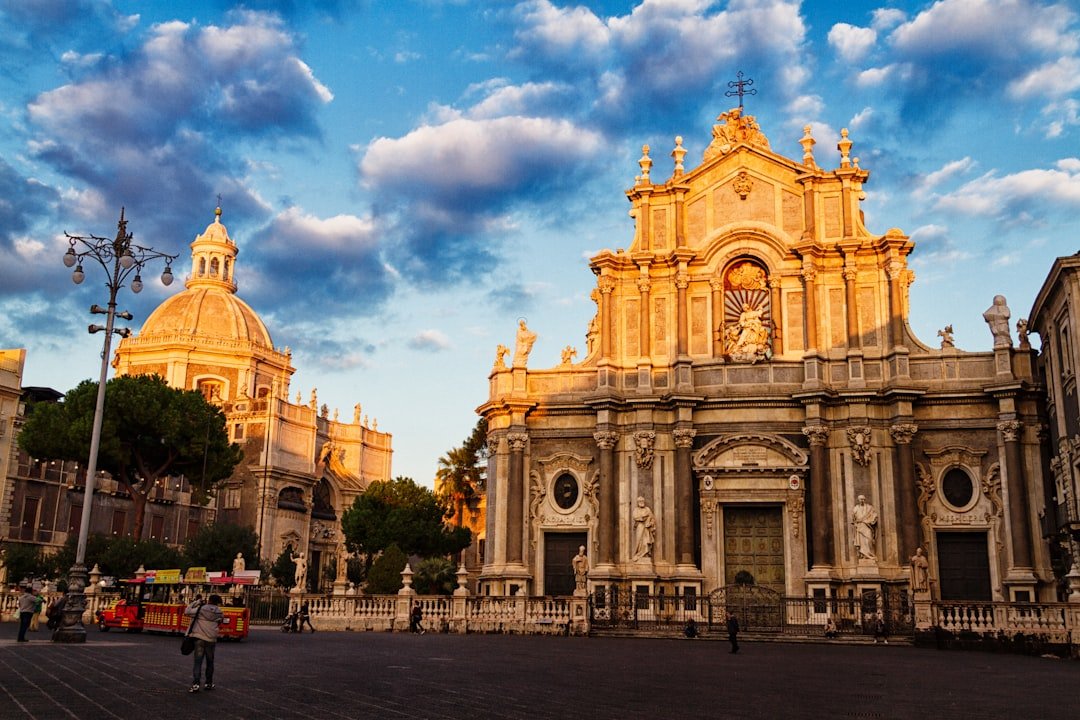
As one wanders through the narrow streets of the historic center, a visit to the Palermo Cathedral is essential. This magnificent structure, which dates back to 1185, features a mix of architectural styles, including Gothic, Baroque, and Neoclassical elements. The cathedral’s impressive façade and ornate interior are complemented by its royal tombs, including those of Emperor Frederick II and other Sicilian monarchs.
Relaxing in Piazza Pretoria
After exploring the cathedral, visitors can stroll to the nearby Piazza Pretoria, known for its stunning fountain adorned with classical sculptures. The square is a perfect spot to pause and soak in the lively atmosphere while enjoying a gelato from one of the local vendors.
Day 2: Discovering Palermo’s Cultural and Artistic Heritage
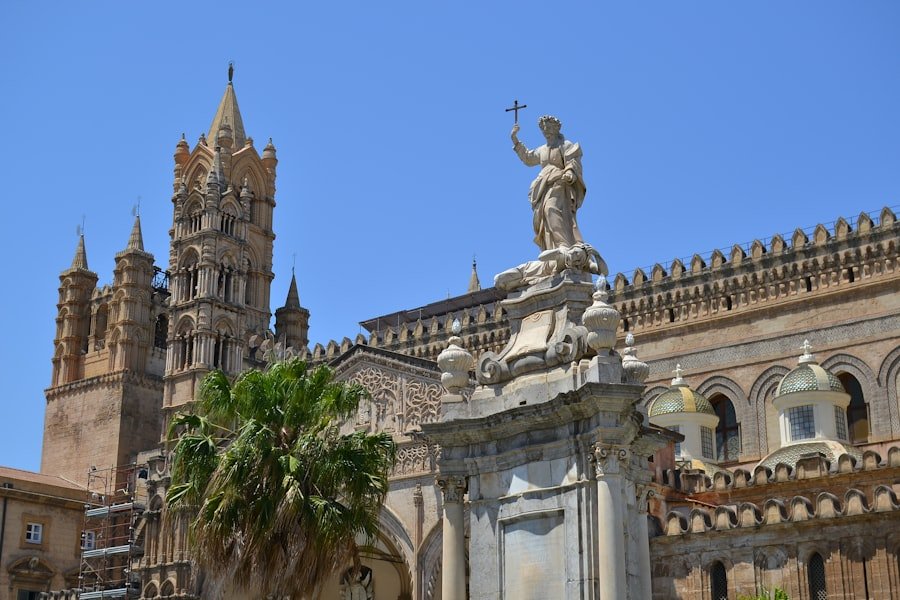
The second day in Palermo should be dedicated to delving deeper into the city’s rich cultural and artistic heritage. A visit to the Palazzo dei Normanni is a must for anyone interested in history and architecture. This former royal palace houses the stunning Cappella Palatina, a chapel renowned for its exquisite mosaics that depict biblical scenes in vibrant colors.
The intricate craftsmanship reflects the artistic fusion that characterizes Palermo’s history, showcasing both Byzantine and Arab influences. Following this cultural immersion, art enthusiasts should head to the Museo Regionale di Palazzo Abatellis. This museum is home to an impressive collection of Sicilian art from the Middle Ages to the Renaissance.
Among its highlights is “The Annunciation” by Antonello da Messina, a masterpiece that exemplifies the artist’s skill in capturing emotion and detail. The museum itself is housed in a beautifully restored Gothic building that adds to the overall experience. After absorbing the artistic treasures within its walls, visitors can take a leisurely stroll through the nearby Orto Botanico, a botanical garden that offers a serene escape from the bustling city streets.
Day 3: Relaxing and Enjoying the Local Cuisine
| Local Cuisine | Restaurants Visited | Dishes Tried | Favorite Dish |
|---|---|---|---|
| Italian | 2 | Lasagna, Pizza | Pizza Margherita |
| Japanese | 1 | Sushi, Ramen | Sashimi |
| Mexican | 1 | Tacos, Guacamole | Enchiladas |
On the third day in Palermo, travelers should take time to relax and indulge in the local cuisine, which is an integral part of Sicilian culture. A visit to one of Palermo’s bustling markets, such as Mercato di Ballarò or Mercato del Capo, provides an authentic experience where visitors can sample local delicacies while soaking in the vibrant atmosphere. These markets are filled with colorful stalls offering fresh produce, seafood, meats, and an array of street food options like arancini (fried rice balls) and panelle (chickpea fritters).
Engaging with local vendors not only enhances the culinary experience but also offers insights into Sicilian traditions. For lunch or dinner, dining at a traditional trattoria is highly recommended. Establishments like Trattoria da Pino or Osteria dei Vespri serve up classic Sicilian dishes made from fresh ingredients sourced from local markets.
Diners can savor pasta alla Norma, a dish featuring eggplant and ricotta salata, or caponata, a sweet and sour eggplant dish that embodies the flavors of Sicily. To complement these meals, trying local wines such as Nero d’Avola or Grillo adds another layer to the culinary experience. As evening falls, enjoying a leisurely meal while watching the sunset over the Mediterranean Sea creates lasting memories of Palermo’s enchanting ambiance.
Where to Stay in Palermo
Choosing where to stay in Palermo can significantly enhance one’s experience of this vibrant city. The historic center offers numerous accommodation options ranging from luxurious hotels to charming guesthouses that allow visitors to immerse themselves in local culture. For those seeking opulence, hotels like Villa Igiea provide stunning views of the harbor along with exquisite amenities and fine dining options.
This historic hotel has hosted numerous dignitaries over the years and boasts beautifully decorated rooms that reflect Sicilian elegance. For travelers on a budget or those looking for a more intimate experience, boutique hotels such as Palazzo Brunaccini offer comfortable accommodations with personalized service. Located within walking distance of major attractions, these smaller establishments often feature unique decor that reflects Palermo’s artistic heritage.
Additionally, Airbnb options abound throughout the city, allowing visitors to stay in local neighborhoods for an authentic experience. Whether opting for luxury or simplicity, finding suitable accommodations in Palermo is relatively easy due to its diverse offerings.
Getting Around Palermo
Navigating Palermo can be an adventure in itself due to its winding streets and vibrant atmosphere. While walking is often the best way to explore the historic center—allowing travelers to discover hidden gems along the way—public transportation options are also available for those looking to venture further afield. The city’s bus system is extensive and connects various neighborhoods and attractions efficiently.
Buses are generally reliable and offer an affordable means of transportation for visitors. For those who prefer a more leisurely pace or wish to explore areas outside of central Palermo, renting a bicycle can be an enjoyable option. Several bike rental shops are available throughout the city, providing an eco-friendly way to see sights at one’s own pace.
Additionally, taxis are readily available for those who prefer door-to-door service; however, it’s advisable to agree on a fare before starting a journey or ensure that the meter is running. Overall, getting around Palermo offers various options that cater to different preferences and budgets.
Must-Visit Attractions in Palermo
Palermo boasts an array of must-visit attractions that showcase its rich history and cultural heritage. One such landmark is Teatro Massimo, Italy’s largest opera house and an architectural marvel renowned for its acoustics. Visitors can take guided tours of this magnificent building or attend performances ranging from opera to ballet throughout the year.
The theater’s grandeur reflects Palermo’s artistic legacy and serves as a testament to its vibrant cultural scene. Another essential stop is La Zisa, a stunning example of Arab-Norman architecture that once served as a royal summer residence. The palace features beautiful gardens and intricate mosaics that transport visitors back to Sicily’s golden age under Arab rule.
Additionally, exploring the Capuchin Catacombs offers a unique glimpse into Palermo’s history through its eerie yet fascinating collection of mummified remains dating back centuries. These attractions provide insight into different facets of Palermo’s identity and are essential stops for any traveler seeking to understand this multifaceted city.
Hidden Gems and Off-the-Beaten-Path Spots
While Palermo is known for its prominent attractions, it also harbors hidden gems waiting to be discovered by intrepid travelers. One such spot is the Church of Santa Maria dell’Ammiraglio (also known as La Martorana), which may be easily overlooked due to its unassuming exterior but boasts breathtaking mosaics inside that rival those found in more famous churches. The intricate artwork tells biblical stories through vibrant colors and detailed craftsmanship.
Another off-the-beaten-path location is the Palazzo Mirto, a lesser-known noble residence that offers visitors an intimate glimpse into aristocratic life in Sicily during past centuries. The palace features beautifully preserved rooms filled with period furniture and art collections that reflect its historical significance. Exploring these hidden gems allows visitors to experience a more authentic side of Palermo while avoiding larger crowds often found at major tourist sites.
Shopping and Souvenirs in Palermo
Shopping in Palermo presents an opportunity to bring home unique souvenirs that reflect Sicilian culture and craftsmanship. The city’s markets are treasure troves for those seeking authentic products; Mercato di Ballarò is particularly famous for its vibrant atmosphere and diverse offerings ranging from fresh produce to handmade crafts. Here, visitors can find traditional Sicilian ceramics adorned with colorful patterns or locally produced olive oil bottled in decorative containers.
For those interested in fashion or textiles, Via della Libertà features upscale boutiques showcasing both local designers and international brands. This elegant shopping street offers everything from high-end clothing to artisanal leather goods crafted by skilled artisans. Additionally, exploring smaller artisan shops scattered throughout neighborhoods like Kalsa can yield one-of-a-kind finds such as handwoven textiles or intricate jewelry inspired by Sicily’s rich history.
Nightlife and Entertainment Options
As night falls over Palermo, the city transforms into a lively hub of entertainment options catering to diverse tastes. The vibrant nightlife scene ranges from traditional Sicilian music performances at local taverns to modern clubs pulsating with energy until dawn. For those seeking an authentic experience, attending a live music event at venues like Cantavespri allows visitors to enjoy traditional folk music while mingling with locals.
For those who prefer a more laid-back evening, sipping cocktails at rooftop bars overlooking the cityscape provides breathtaking views accompanied by refreshing drinks made from local ingredients. Places like La Terrazza del Hotel Plaza offer stunning panoramas while creating an inviting atmosphere perfect for unwinding after a day of exploration. Whether indulging in live performances or enjoying cocktails under starlit skies, Palermo’s nightlife promises memorable experiences for all.
Tips for First-Time Visitors to Palermo
First-time visitors to Palermo should keep several tips in mind to enhance their experience in this captivating city. Learning a few basic Italian phrases can go a long way in connecting with locals who appreciate any effort made to communicate in their language. Additionally, being aware of local customs—such as dining hours—can help avoid confusion; many restaurants open later in the evening compared to other European cities.
Travelers should also consider purchasing a Palermo Card if they plan on visiting multiple attractions; this card offers discounts on entry fees as well as free public transportation within certain zones. Lastly, embracing spontaneity is key when exploring Palermo; some of the best experiences often arise from wandering through neighborhoods without a strict itinerary—allowing for unexpected discoveries along charming streets filled with history and culture.
If you’re looking to explore more unique and delightful destinations, you might want to check out this article on exploring the delightful world of Asian melon. Just like discovering the hidden gems of Palermo, learning about different types of melons can be a fun and enriching experience. Who knows, you might find a new favorite fruit to enjoy during your travels!
FAQs
What is Palermo?
Palermo is the capital city of the Italian island of Sicily. It is known for its rich history, architecture, and vibrant street life.
What are the must-see attractions in Palermo for first-time visitors?
Some of the must-see attractions in Palermo for first-time visitors include the Norman Palace and Palatine Chapel, the Cathedral of Palermo, the Quattro Canti, the Teatro Massimo, and the markets of Ballarò and Vucciria.
What are some recommended activities for a 3-day itinerary in Palermo?
Recommended activities for a 3-day itinerary in Palermo include visiting historical sites, exploring the local markets, trying traditional Sicilian cuisine, taking a walking tour of the city, and enjoying the vibrant nightlife.
What is the best time of year to visit Palermo?
The best time to visit Palermo is during the spring (April to June) and fall (September to October) when the weather is mild and the tourist crowds are smaller.
What are some traditional Sicilian dishes to try in Palermo?
Some traditional Sicilian dishes to try in Palermo include arancini (rice balls), panelle (chickpea fritters), caponata (eggplant stew), pasta con le sarde (pasta with sardines), and cannoli (sweet pastry filled with ricotta).
Is it necessary to rent a car in Palermo?
It is not necessary to rent a car in Palermo, as the city is easily navigable on foot and public transportation is readily available. However, renting a car may be convenient for exploring the surrounding areas of Sicily.