Lake Thun sits between Thun and Interlaken in Switzerland’s Bernese Oberland, surrounded by mountain ridges, lakeside villages, castles, and high viewpoints. The best view depends on what you want: an easy funicular ride, a full mountain panorama, a hiking adventure, or a relaxed lakeside outlook. With a little planning, you can combine several viewpoints with a boat trip, walk, swim, or meal by the water.
Quick Answer
For the best Lake Thun views, choose Harder Kulm for an easy two-lake panorama, Niederhorn for a high view across Lake Thun, Niesen for a dramatic 360-degree summit outlook, and Schynige Platte for a mountain-and-lake hiking experience. Check railway operations and mountain weather before setting out.
Key Takeaways
- Harder Kulm is one of the easiest high viewpoints to reach from Interlaken and gives you views over both Lake Thun and Lake Brienz.
- Niederhorn and Niesen are excellent choices when your main goal is a broad Lake Thun panorama from high above the water.
- Schynige Platte combines mountain scenery, hiking, alpine vegetation, and views toward the lakes below.
- The Lake Thun Panorama Round Trail is a multi-stage route, not simply a flat path beside the shoreline.
- Boat cruises, swimming, canoeing, kayaking, pedalos, and stand-up paddleboarding can all complement a viewpoint-focused day.
Best Lake Thun Viewpoints
Lake Thun is roughly 18 km long. The Swiss Federal Office for the Environment lists a maximum length of 18.3 km and a maximum depth of 217 m. That size gives you very different perspectives depending on whether you stay at water level or climb into the surrounding mountains. Swiss Federal Office for the Environment
| Viewpoint | Best For | Typical Access | Effort |
|---|---|---|---|
| Harder Kulm | Easy high-level view of Lake Thun, Lake Brienz, Interlaken, and the Bernese Alps | Funicular from Interlaken | Easy once you reach the railway |
| Niederhorn | Wide Lake Thun panorama and mountain scenery | Funicular from Beatenbucht to Beatenberg, then mountain cable car | Easy by mountain transport; optional hikes available |
| Niesen | 360-degree summit views and a striking perspective over Lake Thun | Funicular from Mülenen | Easy by railway; hiking alternatives are much harder |
| Schynige Platte | Mountain hiking, alpine scenery, and views toward the lakes below | Mountain railway from Wilderswil | Easy to reach by rail; hiking effort varies |
| Thun lakeshore | Easy low-level views, picnics, walking, and relaxed photography | On foot or by local public transport | Easy |
Harder Kulm
Harder Kulm is one of the most convenient choices if you are staying in Interlaken. The viewpoint stands at 1,322 m, and the funicular ride from the valley station takes about 10 minutes. From the Two-Lakes Lookout you can see Lake Thun on one side, Lake Brienz on the other, and the Eiger, Mönch, and Jungfrau across the valley. Jungfrau Railways
This is a strong first choice when you want a big mountain view without committing to a long hike. The official site also promotes evening trips around sunset, making Harder Kulm particularly attractive for late-day photography when operations allow.
Niederhorn
Niederhorn rises above the northern side of Lake Thun near Beatenberg. It gives you a broad perspective across the lake toward the Bernese Alps and is a good choice if Lake Thun itself is the main subject you want to see or photograph.
You can approach from Beatenbucht by funicular to Beatenberg and continue upward by mountain cable car. Hiking trails begin around the upper stations, so you can choose between a simple sightseeing trip and a longer mountain outing. Official Lake Thun tourism information includes Niederhorn among the major panoramic mountains around the lake. Interlaken Tourism
Niesen
Niesen is easy to recognize because of its pyramid-like profile, which is why it is widely promoted as the Swiss Pyramid. The summit reaches 2,362 m and provides a 360-degree panorama over Lake Thun and the surrounding Alps.
The historic funicular from Mülenen reaches Niesen Kulm in about 30 minutes. For 2026, the published operating season runs from April 25 through November 8, with the possibility of an extension if weather allows. Always recheck the timetable before traveling because mountain operations can change. Niesenbahn
Schynige Platte
Schynige Platte is especially appealing if you want to combine a viewpoint with walking. The historic mountain railway climbs from Wilderswil into an alpine landscape where short walks and longer panorama hikes offer views of the mountains and the lakes below.
The official Schynige Platte panorama hike takes about 2.5 hours, while shorter walks are also available near the station. The published 2026 operating period runs from June 13 through October 25. Jungfrau Railways
Easy Views Around Thun
You do not need to climb a mountain to enjoy Lake Thun. Lakeside promenades and parks around Thun give you clear views across the water toward the Niesen, Stockhorn range, and other Bernese Oberland peaks. These lower viewpoints are useful on days when clouds hide the high summits or when you simply want an easy walk.
Lake Thun reaches a maximum depth of 217 m and a maximum length of 18.3 km, giving you dramatically different views from the shoreline and surrounding mountains.
Best Time for Lake Thun Views and Photography
There is no single month that guarantees the clearest panorama. Mountain visibility can change quickly, and a sunny forecast in Thun does not automatically mean the highest summits will remain cloud-free.
Late spring through early autumn usually gives you the widest selection of mountain railways and hiking routes. Autumn can also produce excellent visibility, while winter creates a completely different snow-covered landscape but reduces access to some seasonal mountain destinations.
Pro Tip: If a high viewpoint is your priority, check the operator’s webcam shortly before leaving. A lake-level morning can look clear while clouds already cover a summit hundreds of metres above you.
For photography, early morning can give you quieter lakeside scenes, while late afternoon and evening often create warmer light on the mountains and water. Harder Kulm specifically offers scheduled sunset experiences during its operating period. If you are visiting a seasonal mountain such as Niesen or Schynige Platte, make your final descent time part of your photo plan so you do not miss the last railway.
Hiking Trails and Outdoor Adventures
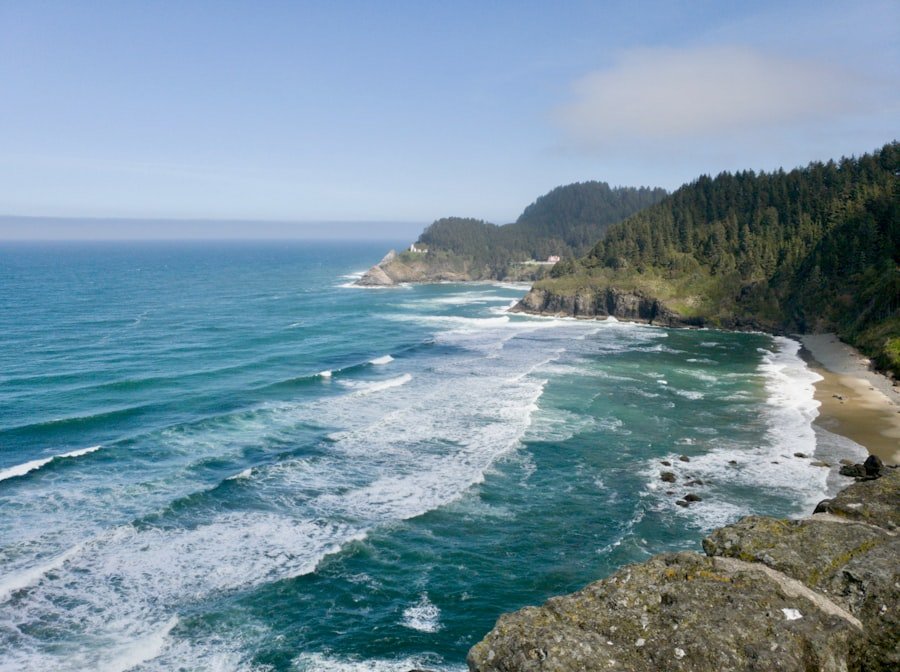
Lake Thun offers everything from easy promenades to demanding mountain hikes. The important point is to match the route to your fitness, footwear, weather, and available daylight rather than treating every panorama walk as an easy lakeside stroll.
Lake Thun Panorama Round Trail
The Lake Thun Panorama Round Trail is a multi-stage walking route around the lake. Some stretches descend toward the shoreline, while others climb above it for wider lake and mountain views. This makes it very different from a flat waterfront path.
You do not have to walk the entire route. A practical approach is to choose one stage or a shorter section and use a train, bus, or Lake Thun boat for your return journey.
Harder Kulm Circular Walk
If you want a short walk after riding the funicular, Harder Kulm has a roughly one-hour circular route through forest near the upper station. It is much more manageable than the exposed Hardergrat ridge hike, which is a serious mountain route for experienced, sure-footed hikers.
Schynige Platte Panorama Hike
Schynige Platte is a stronger choice when hiking is a major part of your day. The official panorama hike takes roughly 2.5 hours and combines alpine meadows with views toward the surrounding peaks and lakes. Shorter walks near the mountain station provide an alternative if you do not want the full route.
Niederhorn and Niesen Hiking
Both Niederhorn and Niesen let you combine mountain transport with hiking. This is useful because you can ride part of the elevation gain and walk only the section that fits your ability. Do not assume a downhill mountain route is effortless; steep descents can be tiring and slippery after rain.
Warning: Mountain weather can change rapidly. Check operating status and weather before leaving, stay on marked routes, carry water and an extra layer, and use footwear suited to the trail. Turn back if visibility, thunderstorms, snow, or trail conditions make the route unsafe.
Water Activities and Excursions
The lake is not only something to admire from above. Once you return to the shore, you can explore it by scheduled boat, canoe, kayak, stand-up paddleboard, pedalo, or swimming where local conditions and rules allow.
| Activity | Location | Duration | Price |
|---|---|---|---|
| Scenic boat cruise | Lake Thun ports including Thun, Spiez, and Interlaken West | From a short sector to several hours | Varies by route and travel pass |
| Canoe or SUP | Southern shore, including the Gwatt-Leissigen area | Flexible | Rental rates vary by operator |
| Kayak or pedalo | Available from selected lakeside rental points | Usually booked or rented by time period | Varies by rental location |
| Swimming | Lidos and permitted shore-access areas around the lake | Flexible | Free at some locations; admission applies at some lidos |
Lake Thun Boat Cruises
A scheduled cruise is one of the easiest ways to see several parts of the shoreline without driving. BLS operates boat services on Lake Thun throughout the year, although the number of departures and individual routes vary by season. Boats connect useful sightseeing points such as Thun, Spiez, and Interlaken West. BLS Lake Thun Navigation
The slower pace gives you time to watch the mountains change position around the lake, and a boat can also be useful as the return leg after a one-way walk. The gentle movement of the boat and open view across the water create the calm atmosphere that makes Lake Thun appealing even when you are not hiking.
Paddling and Swimming
Canoes and stand-up paddleboards are particularly popular along parts of the southern shore. Kayaks, pedalos, and other small craft are also available from selected rental locations. Swimming is possible at numerous lidos and permitted access points around Lake Thun.
Note: Lake conditions can change with wind and weather. Alpine water can also feel cold even on warm days. Follow local signs, use appropriate flotation equipment when paddling, and do not enter the water when conditions exceed your ability.
Wildlife and Nature Watching
Lake Thun combines busy towns and transport routes with quieter shoreline areas, forests, meadows, and higher alpine habitats. Around the lake itself, birdwatching is usually the easiest form of wildlife observation. Move quietly near natural shore areas and avoid disturbing animals, nests, or protected habitat.
If wildlife is a major goal, the mountain environment around Niederhorn generally offers a better opportunity than the busiest waterfront promenades. Wildlife encounters are never guaranteed, so treat any sighting as a bonus rather than planning around a specific animal.
Bring binoculars if nature watching matters to you, and use a longer camera lens instead of approaching wildlife closely. That gives you a better chance of observing natural behaviour without causing disturbance.
Picnic Spots and Relaxation Areas
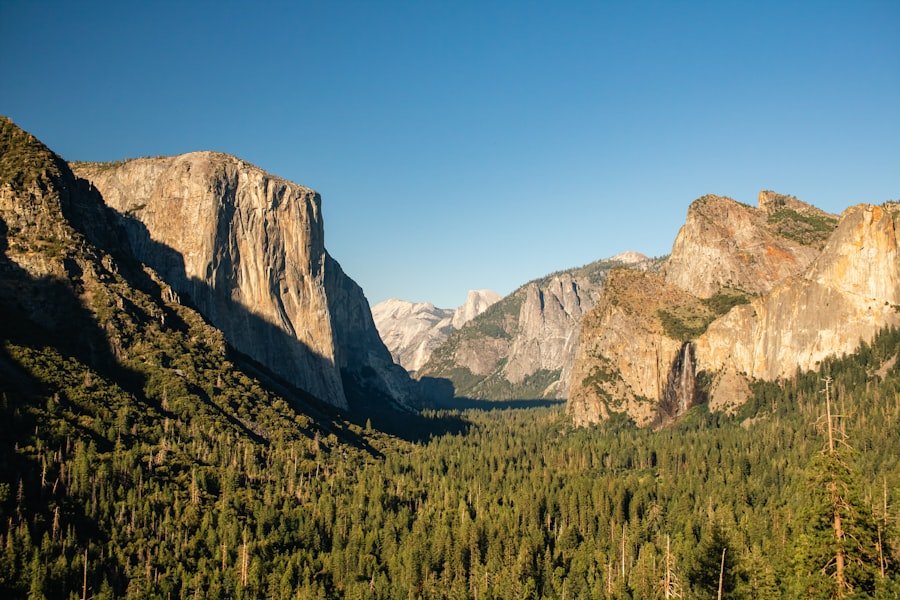
After a mountain excursion or hike, the shoreline gives you plenty of opportunities to slow down. Schadaupark in Thun is an established lakeside park with lawns, paths, mature trees, views across the water, and easy access from the city. Other good options include public lakeside lawns, lidos, and picnic areas near places such as Spiez and Faulensee.
Always follow local signs regarding barbecues, dogs, swimming, cycling, and protected areas. Rules can differ between parks and shoreline sections, particularly where several recreational uses share the same space.
A simple picnic is often more enjoyable than carrying a large meal on a mountain trip. Fruit, bread, cheese, and other easy-to-pack foods work well. If you are also curious about unusual fruit ideas, the site’s separate article Exploring the Delightful World of Asian Melon offers additional food-focused reading.
Dining and Refreshment Options
You can eat at very different elevations around Lake Thun. Thun and Spiez have cafes and restaurants close to the water, while major mountain destinations such as Harder Kulm and Niesen have restaurants near their upper stations.
Traditional Swiss dishes such as fondue and raclette are widely associated with the region, but menus and seasonal availability vary. If the view matters as much as the food, check whether the restaurant terrace faces the lake or mountain panorama and whether reservations are recommended.
Some scheduled Lake Thun boats also offer food or drinks, depending on the vessel and service. Check the current BLS timetable and cruise description rather than assuming every departure includes the same dining options.
Getting Around Lake Thun Without a Car
A car is not essential for most major viewpoints. Trains connect Thun, Spiez, Interlaken, Wilderswil, and Mülenen, while local buses, mountain railways, and boats fill many of the gaps. That makes it practical to create one-way sightseeing days rather than returning along exactly the same route.
For example, you can travel to a mountain railway by train or bus, enjoy the viewpoint, descend, and continue to another lakeside town. A BLS boat can also be used as a scenic part of the journey rather than only as an attraction.
If you have reduced mobility, check the individual operator’s accessibility information before traveling. Mountain destinations differ in platform access, gradients, vehicle design, toilet access, and the distance between the station and the final viewpoint.
Tips for Visiting Lake Thun
- Check mountain weather, not only town weather. Conditions at 2,000 m can be very different from conditions beside the lake.
- Check the final descent. Seasonal mountain railways have last departures that can affect sunset plans.
- Use public transport strategically. Trains, buses, boats, funiculars, and cable cars make one-way walks and multi-stop days easier.
- Wear suitable footwear. Even short alpine paths can become slippery after rain.
- Carry an extra layer. High viewpoints can feel much cooler and windier than Thun or Interlaken.
- Keep your plan flexible. If clouds hide a summit, switch to a lakeside walk, boat trip, castle area, cafe, or lower viewpoint.
- Bring your camera or phone with enough battery. The lake, changing light, mountain silhouettes, villages, and boats provide very different photo opportunities throughout the day.
The most successful Lake Thun day is often one that mixes perspectives. Start high for the panorama, descend for a lakeside walk or boat ride, then finish with a relaxed meal or sunset view. You will see far more of the landscape than you would from one viewpoint alone.
Conclusion
Lake Thun is much more than a single scenic stop. Harder Kulm gives you quick access to a high two-lake panorama, Niederhorn looks broadly across Lake Thun, Niesen offers a dramatic summit perspective, and Schynige Platte combines scenery with hiking. At water level, boats, swimming areas, promenades, picnic spots, and lakeside towns give you a completely different view of the same landscape.
Choose your viewpoint according to weather, operating schedules, walking ability, and how much time you have. With those details checked in advance, you can enjoy Lake Thun as an active mountain destination, a relaxed lakeside escape, or a combination of both.
Sources
- Swiss Federal Office for the Environment: Lake Thun fact sheet — lake dimensions, hydrology, and water-quality background.
- Jungfrau Railways: Harder Kulm — elevation, funicular access, viewpoint, and walking information.
- Jungfrau Railways: Schynige Platte — seasonal operation, panorama hikes, and mountain activities.
- Niesenbahn — Niesen access, 2026 operations, summit information, and mountain activities.
- Interlaken Tourism: Lake Thun — viewpoints, water activities, mountain excursions, and lakeside experiences.
- BLS Lake Thun Navigation — scheduled cruises, destinations, and current transport information.
Frequently Asked Questions
What are the best viewpoints at Lake Thun?
Harder Kulm, Niederhorn, Niesen, and Schynige Platte are four of the strongest high-level choices. Harder Kulm is especially convenient from Interlaken, while Niederhorn and Niesen provide broad perspectives over Lake Thun. Schynige Platte is particularly good if you also want to hike.
Which Lake Thun viewpoint is easiest to reach?
Harder Kulm is one of the easiest high viewpoints for visitors staying in Interlaken because its funicular ride takes about 10 minutes from the valley station. For an even easier option without mountain transport, choose a lakeside promenade or park in Thun.
How can I reach the viewpoints at Lake Thun?
Most major viewpoints can be reached with a combination of trains, buses, boats, funiculars, and cable cars. Harder Kulm uses a funicular from Interlaken, Niesen uses a funicular from Mülenen, Niederhorn is reached via Beatenberg, and Schynige Platte uses the mountain railway from Wilderswil.
Do Lake Thun viewpoints charge admission?
Many lakeside viewpoints and public walking areas are free, but mountain railways and cable cars charge fares. Prices vary by route, age, travel pass, and discount eligibility, so check the operator’s current ticket page before visiting.
When is the best time to visit Lake Thun viewpoints?
Late spring through early autumn gives you access to the widest range of seasonal mountain railways and hiking trails, but good views are possible at other times too. Visibility depends heavily on clouds and mountain weather, so check forecasts, webcams, and operating status shortly before your trip.
Can I visit Lake Thun viewpoints in winter?
Yes, but your choices change. Lakeside viewpoints remain useful, while some mountain railways are seasonal and others may operate under winter schedules. Check the individual operator before planning a winter mountain excursion.
Where is a good Lake Thun viewpoint for sunset?
Harder Kulm is a convenient high option when evening services are operating, and several lakeside areas also provide attractive late-day light. Always confirm the final mountain-railway descent before planning to remain at a summit for sunset.
Can I swim or paddle in Lake Thun?
Yes. Swimming, canoeing, kayaking, pedalos, and stand-up paddleboarding are available around Lake Thun at suitable access points and rental locations. Follow local signs, check weather and water conditions, and use appropriate safety equipment.