Sorrento makes an excellent base for a first trip to this part of southern Italy. Perched above the Bay of Naples with views toward Mount Vesuvius, the town combines a walkable historic center, citrus-filled gardens, traditional food, and easy connections to Capri, Pompeii, and the Amalfi Coast. With three days, the key is to avoid trying to see too much at once.
Quick Answer
For a first-time Sorrento 3 day itinerary, spend Day 1 exploring Sorrento itself, Day 2 visiting Positano and Amalfi on the Amalfi Coast, and Day 3 taking a ferry to Capri. Keep Ischia, Procida, Pompeii, or Ravello as alternatives rather than trying to squeeze every destination into three days.
Sorrento is especially known for its lemons, limoncello, narrow shopping streets, marquetry traditions, sea views, and position on the Sorrentine Peninsula. Its location also makes it useful for travelers who want day trips without changing hotels every night.
You can browse small shops and cafes in the center, walk down toward Marina Grande, watch the sunset from Villa Comunale, or return from a busy day trip and still have plenty of restaurants within walking distance. That balance is one of Sorrento’s biggest advantages for a short visit.
Key Takeaways
- Use your first day for Sorrento’s historic center, Piazza Tasso, Villa Comunale, Marina Grande, churches, shops, and local food.
- Use Day 2 for the Amalfi Coast. Positano and Amalfi make the most manageable combination; add Ravello only if your schedule allows.
- Make Capri your main Day 3 island trip instead of trying to combine Capri, Ischia, and Procida in one day.
- Check ferry, train, bus, museum, and attraction schedules shortly before travel because services and opening hours can change seasonally.
- Allow some flexibility for weather, especially when your plans depend on ferries or the Blue Grotto.
Day 1: Exploring the Historic Center
Start at Piazza Tasso
Begin your first day at Piazza Tasso, the central gathering point in Sorrento. Cafes, restaurants, shops, and several pedestrian streets spread out from the square, making it an easy place to orient yourself before exploring on foot.
Rather than rushing immediately to another destination, give yourself time to walk through the center. Via San Cesareo and the surrounding lanes are lined with small shops selling ceramics, inlaid woodwork, clothing, food products, and lemon-themed goods.
Uncover Sorrento’s History
From the center, continue to the Basilica di Sant’Antonino, dedicated to Sorrento’s patron saint. The church has early-medieval origins, although its exact construction history is complex and the building has been enlarged and altered over many centuries. Its crypt and religious artworks make it one of Sorrento’s most important historic churches.
You can learn more from the Diocese of Sorrento-Castellammare di Stabia.
Another important stop is the Sedil Dominova on Via San Cesareo. This medieval meeting place for Sorrento’s nobility dates to the 14th century, although parts of its decoration were added later. Its open loggia and surviving historic features make it an unusual reminder of Sorrento’s civic past.
Art, Gardens, and Sea Views
If you enjoy art and decorative history, visit the Museo Correale di Terranova. The museum occupies the former Correale family residence and includes archaeology, Neapolitan paintings, Sorrento inlay, porcelain, furniture, and other decorative arts. Opening hours vary, so check the Museo Correale visitor information before going.
Later, walk toward the Villa Comunale gardens for one of the classic views over the Bay of Naples. From this part of town, you can continue toward the waterfront or make your way to Marina Grande, Sorrento’s traditional fishing village.
Pro Tip: Do not fill Day 1 with too many timed attractions. Sorrento is best experienced partly on foot, and leaving free time for Piazza Tasso, the lanes around Via San Cesareo, Villa Comunale, and Marina Grande makes the day feel much less rushed.
As evening approaches, dine at a local trattoria and try dishes built around ingredients associated with Campania and the Sorrentine Peninsula. Gnocchi alla sorrentina, seafood, pizza, local cheeses, citrus, and lemon-based desserts are common choices.
Day 2: Visiting the Amalfi Coast
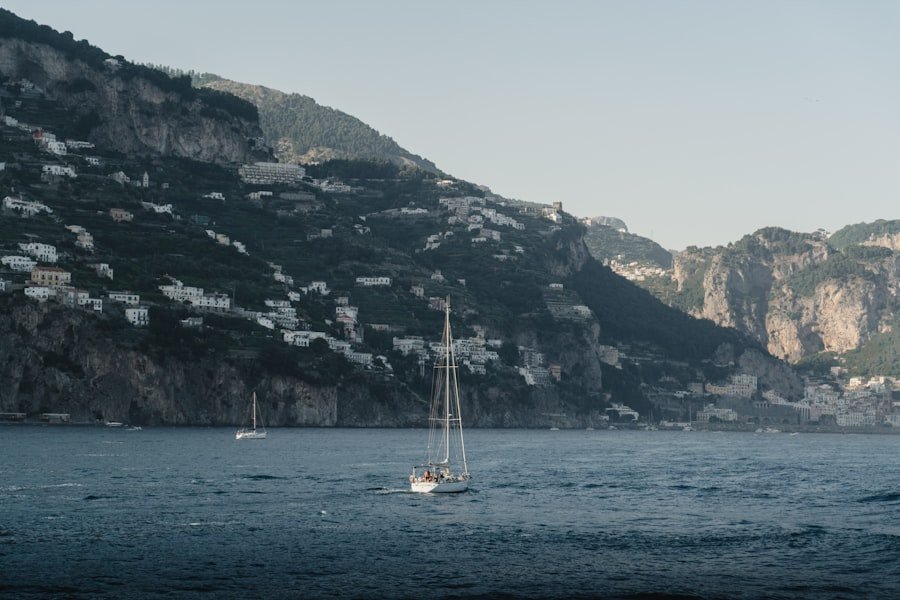
Dedicate your second day to the Amalfi Coast. The UNESCO-listed coastline is known for steep terrain, historic settlements, terraced landscapes, and villages built between the mountains and sea.
You can confirm its World Heritage status through the UNESCO World Heritage Centre.
Morning in Positano
Positano is a natural first stop for many travelers coming from Sorrento. Its pastel-colored buildings descend steeply toward the sea, and much of a visit involves walking through lanes and stairways between shops, viewpoints, restaurants, and the waterfront.
Spend the morning exploring rather than attempting to cover every street. Browse boutiques selling ceramics, clothing, leather goods, and handmade sandals, then make your way toward the beach for views back toward the hillside.
Continue to Amalfi
Next, continue to Amalfi. The town has a long maritime history, and its cathedral complex is one of its main landmarks. You can also explore the lanes near the center, browse local shops, stop for lunch, and look for products associated with the region such as lemons and handmade paper.
Travelers who prefer the water can also consider seasonal ferry services between coastal towns. A ferry can provide excellent coastline views and avoid some road traffic, but services can be affected by season and sea conditions.
Should You Add Ravello?
Ravello sits higher in the hills rather than directly on the waterfront. It is famous for gardens, villas, and wide coastal views, but adding it to the same day as both Positano and Amalfi makes the schedule much tighter.
If Ravello is a priority, start early and reduce the amount of time you spend in Positano or Amalfi. Otherwise, enjoy two towns properly rather than rushing through three.
Warning: Amalfi Coast road travel can be slow, especially during busy periods. Narrow roads, traffic, parking limits, and crowded buses can all add time. Avoid planning connections with very small margins.
SITA Sud operates bus services connecting Sorrento, Positano, Amalfi, and other communities, but timetables change seasonally. Check the current SITA Sud information shortly before your trip rather than relying on an old schedule.
Return to Sorrento in the evening. A relaxed dinner near the center or waterfront is usually a better finish than trying to add another attraction after a full Amalfi Coast day.
Day 3: Discovering the Surrounding Islands
| Island | Best For | Best Use in a 3-Day Trip | Main Draw |
| Capri | First-time visitors | Recommended Day 3 choice | Monte Solaro, coastal scenery, Anacapri, Blue Grotto |
| Ischia | Gardens, spas, a slower island day | Alternative to Capri, not an add-on | Thermal culture, gardens, larger island landscapes |
| Procida | A quieter atmosphere | Alternative full-day island trip | Colorful waterfronts and a more relaxed scale |
The third day gives you an opportunity to explore the islands in the Gulf of Naples. For most first-time visitors with only three days, Capri is the strongest choice because it combines famous scenery, villages, viewpoints, boat trips, and straightforward seasonal connections from Sorrento.
Take an Early Ferry to Capri
Start early and take a ferry from Sorrento toward Capri. Ferry timetables vary by date and operator, so check your departure and return times before leaving your hotel and allow extra time at the port during busy periods.
Once you arrive at Marina Grande, decide whether your priority is the island’s viewpoints and towns or a boat-based experience. Trying to complete every major attraction can make a Capri day surprisingly rushed.
Visit Anacapri and Monte Solaro
One of the best first-time routes is to head toward Anacapri and ride the chairlift to Monte Solaro if operating conditions are suitable. From the summit area, you get wide views over Capri and the surrounding sea.
Afterward, spend some time exploring Anacapri before returning toward Capri town or Marina Grande.
Blue Grotto: Treat It as Weather-Dependent
The Blue Grotto is famous for its intense blue water, an effect created by sunlight entering and reflecting through the cave. Access is by small rowing boats and depends on sea, tide, and weather conditions.
Italy’s Ministry of Culture advises that access depends on maritime conditions, so never build your entire Capri day around a guaranteed visit.
Note: If the Blue Grotto is closed, the day is not lost. Spend more time in Anacapri, Capri town, scenic viewpoints, gardens, or on an island boat tour that operates safely under the day’s conditions.
What About Ischia?
Ischia is known for thermal traditions, gardens, beaches, and a more spread-out, relaxed atmosphere than Capri. It deserves a full day rather than being squeezed in after several hours on Capri.
La Mortella Gardens are one of Ischia’s best-known attractions. They were developed by Susana Walton and Sir William Walton and contain both valley and hillside garden areas. Opening days are limited and seasonal, so check the official La Mortella visitor information before choosing Ischia for your island day.
If you prefer Ischia, make it your entire Day 3 and save Capri for another trip. The same principle applies to Procida: choose one island and experience it at a comfortable pace.
Return to Sorrento for your final evening and enjoy dinner at a pizzeria or trattoria. A Margherita pizza, seafood dish, or plate of gnocchi alla sorrentina makes an easy finish to the itinerary.
Where to Eat in Sorrento
Sorrento’s food reflects both Campanian traditions and its coastal location. You will find pizza, pasta, seafood, local cheeses, citrus, pastries, gelato, and dishes flavored with Sorrento lemons.
Trattoria Da Emilia
For a traditional meal near the water, Trattoria Da Emilia is located at Marina Grande and has been operating there since 1947. It is a good fit for travelers who want straightforward Sorrento cooking in the old fishing-village area.
Ristorante Il Buco
For a more upscale dinner, Ristorante Il Buco offers contemporary interpretations of Mediterranean and Campanian cooking. It is a Michelin-starred restaurant, so reservations are sensible if it is one of your priorities.
Gelateria David
For dessert, Gelateria David near the center specializes in artisanal gelato and offers a broad range of traditional and more experimental flavors. It works well as an easy stop while walking between the station area and central Sorrento.
Pro Tip: Do not schedule every meal in advance. Reserve only restaurants you strongly want to visit and leave at least one lunch or dinner open for a place you discover while walking.
Where to Stay in Sorrento
Sorrento has everything from luxury hotels to small guesthouses. For a three-day itinerary, location can be more valuable than an extensive list of resort amenities because you may be leaving early for ferries, buses, or trains.
Bellevue Syrene
Bellevue Syrene is a five-star option overlooking the Gulf of Naples. It suits travelers prioritizing luxury, sea views, and a central Sorrento location.
Casa Astarita
Casa Astarita is a smaller guesthouse on Corso Italia in the historic center. It is a useful option for travelers who prefer an intimate property within easy walking distance of shops, restaurants, and central sights.
Hotel Antiche Mura
Hotel Antiche Mura is a four-star property beside Piazza Tasso. Its central position is particularly convenient for a short visit because the station, historic center, restaurants, and routes toward the port are all nearby.
Whichever accommodation you choose, check how you will reach the port with luggage. Sorrento is compact, but its cliffs, stairs, slopes, and elevation changes can make a short distance feel much longer with suitcases.
Transportation in Sorrento
Walking
Walking is the easiest way to see central Sorrento. Piazza Tasso, Via San Cesareo, Villa Comunale, the main shopping streets, churches, restaurants, and many hotels are within a compact area.
However, expect cobblestones, stairs, slopes, and changes in elevation. Marina Grande and Marina Piccola sit below the main town level, so allow more time than a flat map may suggest.
Train
EAV’s Vesuviana rail network connects Naples and Sorrento and also provides access to stops useful for places such as Pompeii. Because schedules can change, consult the current EAV rail timetable rather than relying on a fixed frequency quoted in an older travel guide.
Bus
SITA Sud buses serve routes connecting Sorrento with Positano, Amalfi, and other communities on the peninsula and Amalfi Coast. These routes are useful but can become crowded and are affected by road traffic.
Ferry
Seasonal ferries and fast boats connect Sorrento with destinations such as Capri and, depending on the operator and season, other Gulf and coastal destinations. Sea conditions can disrupt service, so confirm the return sailing rather than assuming the day’s timetable will remain unchanged.
Car, Scooter, or Bicycle
A rental car is usually unnecessary for central Sorrento and can become a burden because of parking and traffic. A scooter offers more flexibility, but only experienced riders should consider it for busy coastal roads.
Warning: Do not rent a scooter simply because the Amalfi Coast looks scenic. Roads can be narrow, busy, steep, and unfamiliar. Public transportation, ferries, private transfers, or organized excursions are safer and less stressful choices for many first-time visitors.
Tips for First-Time Visitors
Book the Most Important Parts First
If you are traveling during a busy period, book your accommodation first, followed by any attraction, restaurant, tour, or ferry that is essential to your plans. Keep less important stops flexible.
If Pompeii replaces one of the itinerary days, check the official Archaeological Park information before you go. Pompeii uses named tickets and visitor-entry limits, making advance planning particularly useful.
Wear Shoes Made for Walking
Comfortable shoes are one of the most useful things you can bring. Sorrento, Capri, Positano, Amalfi, and Ravello can involve cobblestones, staircases, steep lanes, uneven surfaces, and long periods on your feet.
Carry Water and Sun Protection
Bring drinking water, especially during warm weather or on days involving long walks. A hat, sunglasses, and appropriate sun protection also make outdoor sightseeing more comfortable.
Build Flexibility Into Island Days
A ferry-based itinerary should always have a backup plan. Weather and sea conditions can affect crossings and attractions such as the Blue Grotto. Check conditions in the morning and avoid scheduling an important train, flight, or long-distance connection immediately after a weather-sensitive boat trip.
Learn a Few Italian Phrases
You can travel around Sorrento without fluent Italian, but basic greetings and polite phrases are useful when ordering food, buying tickets, shopping, or asking for directions. Even a simple “buongiorno,” “grazie,” or “per favore” is worth knowing.
Consider Pompeii as an Alternative Day
If archaeology interests you more than beaches or islands, replace either the Amalfi Coast day or Capri day with Pompeii. The archaeological site is large enough to deserve several hours, and attempting to combine it with too many other major destinations usually weakens both experiences.
For current admission information, consult the Archaeological Park of Pompeii.
The best season depends on your priorities. Spring and early autumn are popular choices for travelers who want comfortable sightseeing weather without the strongest midsummer heat. Summer offers long days and active ferry schedules but also brings heavier crowds and hotter conditions. Winter is quieter, although some seasonal tourism services operate less frequently.
If you are staying in a self-catering apartment and want to prepare a simple breakfast or snack before an early ferry departure, this simple homemade cottage cheese recipe is one option.
Frequently Asked Questions
What is the best time to visit Sorrento?
Spring and early autumn are popular for sightseeing because temperatures are generally more comfortable than in midsummer. June through August brings long days and extensive tourism services but also more heat and visitors. Winter is quieter, although some ferries, attractions, and tourism businesses may have reduced schedules.
What are the must-see attractions in Sorrento?
For a first visit, prioritize Piazza Tasso, the historic lanes around Via San Cesareo, the Basilica di Sant’Antonino, Villa Comunale, Marina Grande, and either Museo Correale or another cultural stop that matches your interests.
What should I do during three days in Sorrento?
A balanced first-timer itinerary is one day in Sorrento, one day on the Amalfi Coast, and one day on Capri. This provides a mix of local culture, coastal scenery, and an island trip without spending most of the vacation in transit.
Can I visit Capri and Ischia on the same day from Sorrento?
It may occasionally be possible to construct a schedule using seasonal boat services, but it is not a good plan for most first-time visitors. Both islands deserve substantial time, and multiple ferry connections create unnecessary risk. Choose Capri or Ischia for the day rather than attempting both.
Is the Blue Grotto guaranteed to be open?
No. Access depends on sea, weather, and tide conditions because visitors enter through the low cave opening in small rowing boats. Check the day’s conditions and keep alternative Capri activities in your plan.
What are the best day trips from Sorrento?
Popular options include Capri, Positano and Amalfi, Pompeii, Herculaneum, Mount Vesuvius, Ischia, and Procida. With limited time, choose one geographic area per day rather than combining several major destinations.
What is the best way to get around Sorrento?
Walk within central Sorrento. Use EAV trains for Naples and rail-accessible destinations, SITA Sud buses for parts of the Amalfi Coast, and ferries for Capri and other seasonal sea routes. A rental car is not necessary for most three-day visits.
Do I need a car for three days in Sorrento?
Usually not. Central Sorrento is walkable, and trains, buses, ferries, taxis, transfers, and tours cover most popular day trips. Parking and traffic can make a car less convenient than public transportation for a short stay.
Sources
- Italia.it — Sorrento Peninsula — official Italian tourism information on Sorrento and major local sights.
- UNESCO World Heritage Centre — Costiera Amalfitana — confirms the Amalfi Coast’s World Heritage status and cultural landscape significance.
- EAV — Rail Timetables — current Naples-Sorrento rail information.
- SITA Sud Campania — current bus information for the Amalfi Coast and Sorrentine Peninsula.
- Italian Ministry of Culture — Blue Grotto — official information on the cave, access, and natural blue-light effect.
- Archaeological Park of Pompeii — official opening, ticket, and visitor information for a Pompeii day trip.