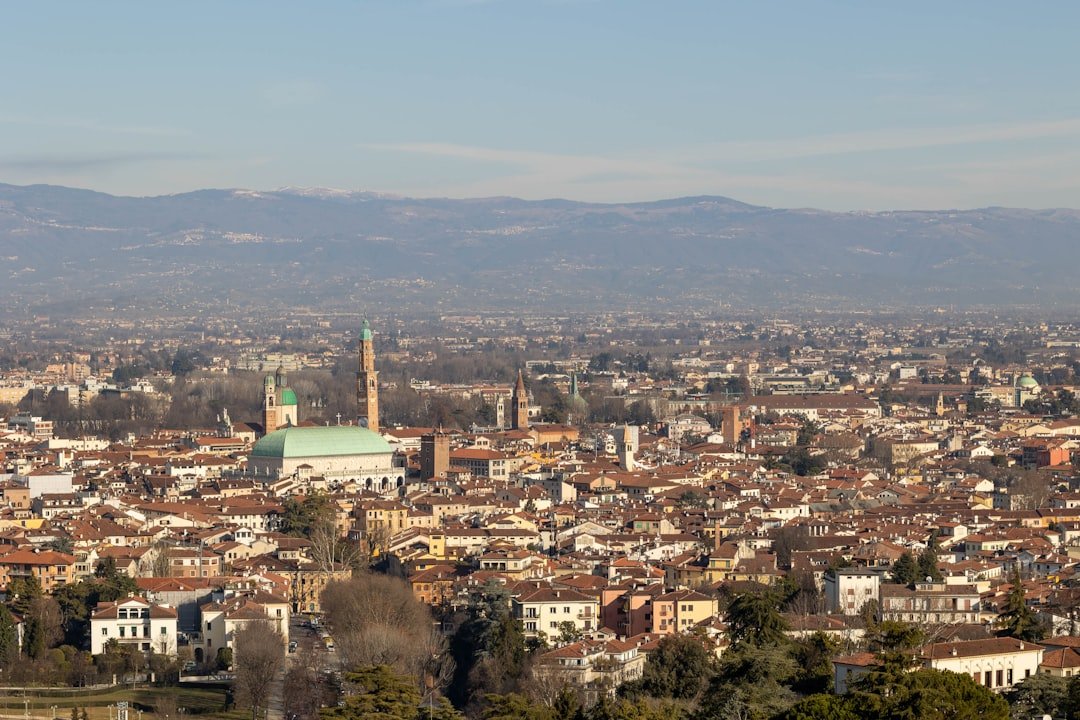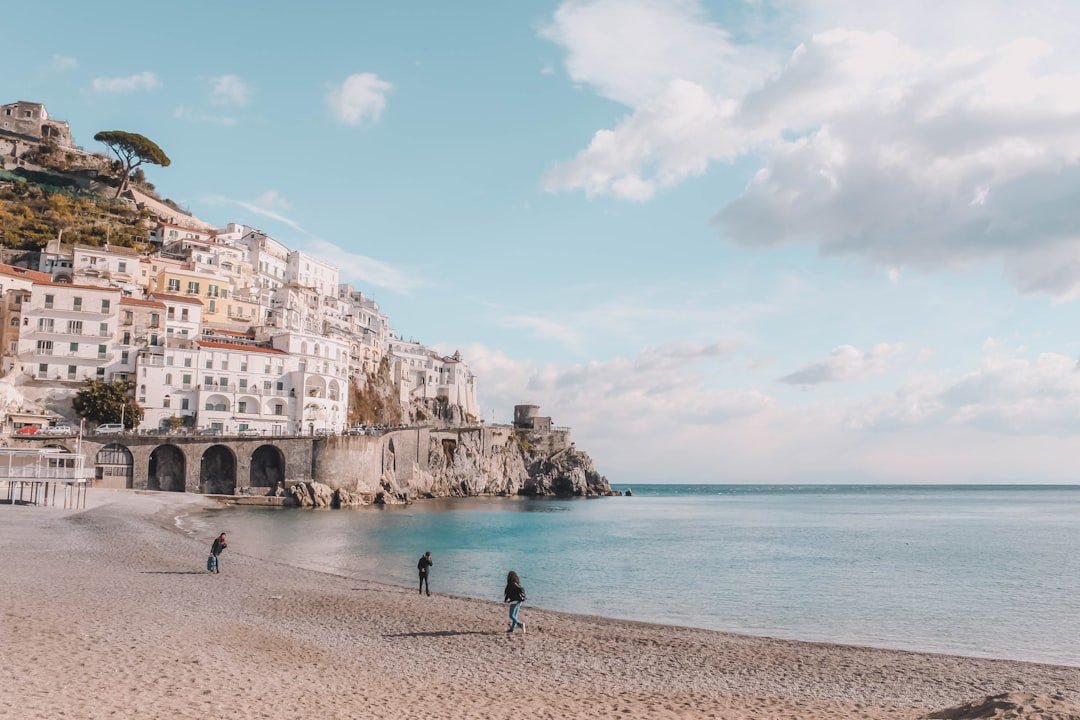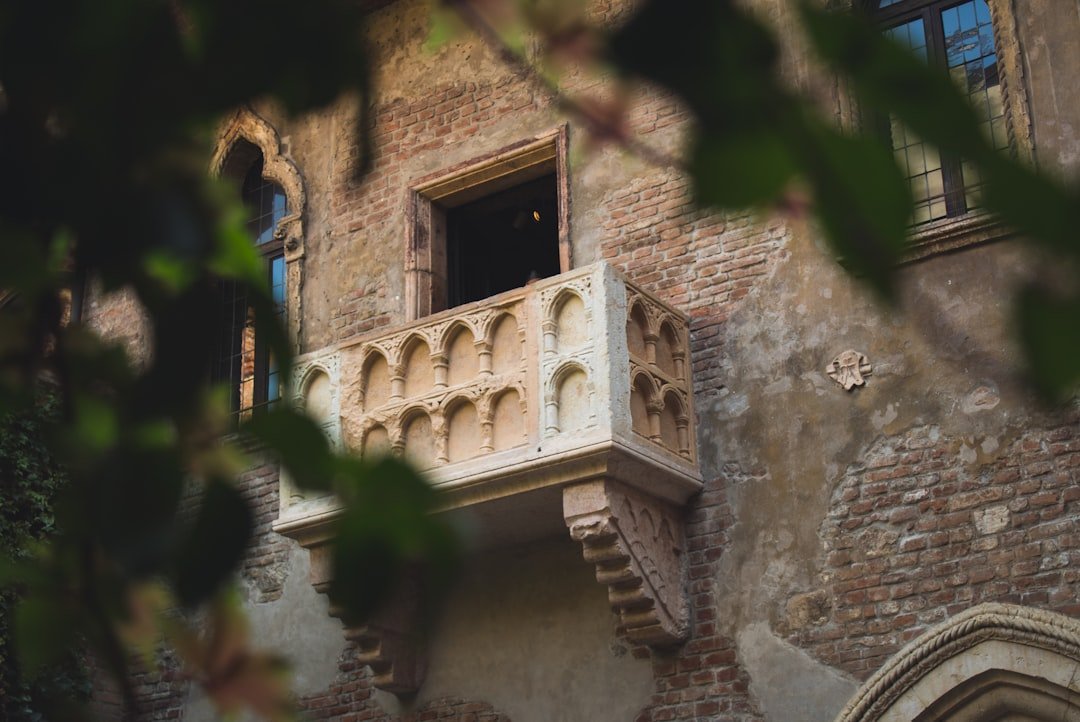
Quick Answer
For classic Naples photographs, start with Spaccanapoli for street life, Lungomare Caracciolo for sunset views of the bay and Vesuvius, and Piazza del Plebiscito for grand architecture. Add Quartieri Spagnoli for murals, Villa Floridiana for greenery, and day trips to Vesuvius, Pompeii, or Caserta when you have more time.
Last checked: October 1, 2026. Dates and figures were verified against official sources.
Key Takeaways
- Use early morning for quieter historic streets and the waterfront around Castel dell’Ovo; save the Lungomare for late-day color.
- Do not plan a sunrise or sunset crater shoot on Vesuvius: public Gran Cono access is limited to daytime ticketed hours.
- Castel dell’Ovo remains a strong exterior subject, but 2026 municipal works mean you should not build your shoot around terrace access.
- Pompeii and the Royal Palace of Caserta need far more time than a city-center photo walk, so treat them as separate day trips.
- At state cultural sites, personal photography rules can restrict flash, tripods, selfie sticks, lights, and commercial use.
Mount Vesuvius: Crater Views Above the Bay of Naples
Mount Vesuvius gives you the widest volcanic landscape in this list, with the crater rim, dark lava terrain, Mount Somma, Naples, and the bay all competing for attention. Its steep cone is also one of the most recognizable background elements in Naples photography, whether you shoot it from the city or visit the crater itself.
The volcano last erupted in 1944, and the contrast between rugged volcanic rock and the greener slopes of Vesuvius National Park creates strong landscape compositions. On very clear days, the bay and distant islands such as Capri and Ischia can appear beyond the city, although haze can reduce long-distance visibility.
For the crater, use the official Gran Cono visitor information. Tickets are sold online only. Current access hours are 9:00–15:00 in January, February, November, and December; 9:00–16:00 in March and October; 9:00–17:00 in April, May, June, and September; and 9:00–18:00 in July and August. Full-fare tickets start at €10, and the shortest round trip is limited to two hours.
That timetable matters for photographers. The original idea of shooting the crater at dawn or dusk is not practical during normal public access. Instead, work with the first or later available time slot, keep the sky in your frame, and use the volcanic texture as a foreground. Weather alerts can also close the trail, so a city viewpoint is a useful backup.
The Charming Streets of Spaccanapoli: Street Photography With History
Spaccanapoli is one of the best photo spots in Naples for tight street scenes, layered architecture, balconies, shopfronts, and everyday movement. The long historic route cuts through the old center, where narrow streets naturally create leading lines and compressed compositions.
Colorful Facades and Everyday Street Scenes
The colorful facades, laundry hanging from balconies, potted plants, scooters, signs, and passing residents give the area its visual character. Instead of trying to photograph everything at once, look for a simple foreground subject against a deeper alley or doorway.
Morning light can be easier to control in the narrow streets because the contrast is softer and pedestrian traffic is lighter. Later in the day, the scene becomes busier and more animated, which can work better if you want people and movement to be part of the frame.
Gesù Nuovo and Santa Chiara
Spaccanapoli also puts you close to major architectural subjects. The Church of Gesù Nuovo is known for its striking diamond-pointed façade, while the Santa Chiara complex offers the very different geometry and color of its majolica-tiled cloister.
These sites work well for detail photographs as well as wider street compositions. At Santa Chiara, the cloister is a ticketed museum area, so allow time to move slowly and frame the tiled columns, benches, and garden rather than treating it as a quick street stop.
The strongest Spaccanapoli series usually mixes scale: one wide street scene, one architectural frame, and a few close details. That approach shows both the historic setting and the lived-in character that makes the old center distinctive.
Castel dell’Ovo: Waterfront Photos and a 2026 Access Caveat
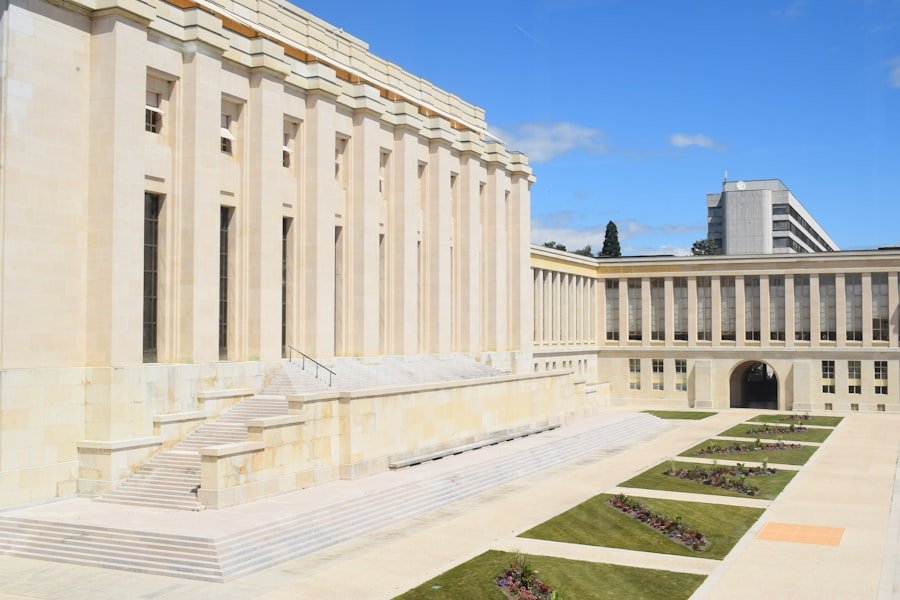
Castel dell’Ovo remains one of the most recognizable waterfront photo subjects in Naples, especially from Via Partenope and the approaches to Borgo Marinari. The castle rises on the small island of Megaride, with open water on both sides and Vesuvius often visible across the bay.
The site has ancient roots, but the fortress associated with Castel dell’Ovo developed in the Norman period. Its name is tied to the medieval legend of a magical egg hidden by Virgil, a story that adds context without changing the real photographic draw: stone walls, sea, boats, and a broad horizon.
Do not depend on an interior or terrace visit for your shoot right now. Naples municipal procurement records updated September 23, 2026 show a new contract for adapting the castle’s interior rooms, alongside other 2026 works. A full public reopening could not be confirmed from the city’s current visitor information.
For a dependable composition, photograph the exterior from the seafront or the causeway. Late afternoon and sunset can warm the stone and create reflections on the water. Fishermen, small boats, and people walking the waterfront can add scale without overpowering the castle.
Quartieri Spagnoli: Murals, Alleys, and Street Life
| Location | Quartieri Spagnoli, Naples, Italy |
|---|---|
| Art Form | Graffiti, murals, and street art |
| Artists | Local and international street artists |
| Themes | Social commentary, local culture, football, and neighborhood identity |
| Community Involvement | Street art is woven into residential and commercial streets |
| Impact | Adds color and visual identity to the neighborhood |
Quartieri Spagnoli is a strong choice for street art and dense urban scenes rather than polished postcard views. Narrow lanes, shrines, banners, balconies, shopfronts, and murals sit close together, so even a short walk can produce very different frames.
The neighborhood’s artwork ranges from large murals to smaller pieces and informal marks, and the scene changes as new work appears or older work fades. That transience is part of the appeal: the walls document contemporary Naples rather than functioning like a fixed museum display.
Use the alleys themselves as part of the composition. A mural can work as the main subject, but it is often more revealing when paired with a doorway, street vendor, hanging laundry, or someone passing through. For close portraits of residents or workers, ask permission rather than treating the neighborhood as a set.
Lungomare Caracciolo: The Best Naples Sunset Photo Spot
Lungomare Caracciolo is one of the easiest places to photograph sunset in Naples because the waterfront opens toward the bay, Vesuvius, the Sorrentine Peninsula, and Capri. It also gives you more room to step back, change focal length, and work with silhouettes than the narrow historic center does.
The official NapoliForMe listing for Lungomare Caracciolo describes the promenade as free and open 24 hours, with a large pedestrianized section. That makes it flexible for blue-hour, sunset, and early-morning photography without an admission schedule.
At sunset, look for reflections, boats, palm trees, runners, cyclists, or families as foreground elements. If the sky is dramatic, use a wider view; if haze hides distant details, tighten the frame around people, the seawall, or the nearest stretch of coast.
The Catacombs of San Gennaro: Atmospheric History Underground
The Catacombs of San Gennaro offer a very different visual setting from Naples’ bright streets: broad underground spaces, tuff walls, early Christian burials, frescoes, mosaics, and carefully controlled lighting. They are best approached as a guided heritage visit first and a photography opportunity second.
What Makes the Catacombs Visually Distinctive
The original nucleus dates to the second century AD, and later expansion created two levels that are not directly superimposed. The surviving paintings, mosaics, tombs, and underground basilica give the spaces a strong sense of depth and history.
Low light creates natural contrast between illuminated details and darker passages. If photography is permitted during your visit, keep your setup simple and avoid blocking the group while composing frescoes, arches, and corridors.
Opening Hours and Photography Etiquette
The official Catacombs of Naples visitor page lists San Gennaro tours from 10:00 to 17:00, with Wednesday closing, and says booking is required. The standard adult rate shown on the page is €13, and the site recommends comfortable shoes and a light sweater because underground temperatures range from 15°C to 22°C.
The operator’s current visitor page does not publish a clear photography policy. Ask your guide before taking photographs, and follow any restriction given on the day. That is especially important around delicate frescoes and during a moving guided group.
The Royal Palace of Caserta: Symmetry, Interiors, and Gardens
The Royal Palace of Caserta is the strongest choice here for formal symmetry and monumental scale. It sits outside Naples in Caserta, so it works better as a dedicated day trip than as one stop on a compact city photo walk.
Inside, grand staircases, long corridors, decorated rooms, ceilings, and chandeliers reward careful architectural framing. Outside, the long central water axis, fountains, formal planting, and English Garden give you both wide landscape compositions and smaller details.
The official Reggia di Caserta ticket page lists a €18 combined ticket for the Royal Palace, Royal Park, and English Garden, plus a €1 online pre-sale fee. It recommends about two hours for the palace and four hours for the park and English Garden, and it states that you cannot exit and re-enter with the same ticket.
Because opening times for the park and gardens change by month, plan your photo sequence around the dated ticket rather than assuming every area closes together. The long axis looks strongest when you keep the geometry centered; the gardens are better for looser frames with water, foliage, and architectural details.
Porta Nolana Market: Color and Everyday Naples
Porta Nolana is one of the best Naples photo spots for market life, especially if you prefer candid detail over monuments. Stalls selling seafood, produce, and local foods create layers of color, texture, signs, hands, baskets, and quick interactions.
The market is most rewarding when you move slowly and work around the edges rather than standing in the busiest path. Wide shots can show the density of the scene, while close details of fish, vegetables, weighing scales, and handwritten signs create a useful visual sequence.
Morning generally gives you the liveliest market atmosphere and fresher displays. Be mindful that vendors are working: ask before making close portraits, avoid blocking customers, and keep your gear compact in crowded lanes.
Piazza del Plebiscito: Grand Architecture and Open Space
Piazza del Plebiscito gives photographers something Naples’ narrow lanes cannot: a broad open foreground surrounded by monumental architecture. The Royal Palace and the Basilica of San Francesco di Paola provide clean lines, repetition, columns, and strong scale for both symmetrical and off-center compositions.
Early morning is useful when you want more empty pavement and clearer architectural shapes. Later, people crossing the square can add scale and movement. During public events the atmosphere changes completely, so treat crowds as part of the story rather than trying to hide them.
Experiment with distance here. A very wide frame can emphasize the size of the square, while a longer focal length can compress columns and pedestrians. The open space also makes it easier to work with shadows than in Spaccanapoli or Quartieri Spagnoli.
Pompeii: Ancient Streets, Frescoes, and Long Sightlines
Pompeii is one of the most rewarding archaeological photo locations near Naples, but it needs its own block of time. Ancient streets, house entrances, columns, wall paintings, mosaics, and Vesuvius in the background let you build a varied series without relying on a single viewpoint.
For 2026, the official Pompeii ticket and timetable page lists €20 for the ancient city only and €25 for Pompeii plus the suburban villas package. From March 16 to October 14, Pompeii opens at 9:00, last entry is 17:30, and closing is 19:00. From October 15 to March 15, last entry is 15:30 and closing is 17:00.
The site now uses named tickets and a daily visitor limit of 20,000. That makes advance planning useful, especially if you want the first part of the day for quieter streets and cleaner sightlines before more visitors arrive.
Use wide frames for streets and forums, then switch to details for frescoes, paving, doorways, and inscriptions. The contrast between ancient structures and modern visitors can also work well when people provide scale instead of becoming the main subject.
Villa Floridiana: A Quiet Green Photo Spot in Vomero
Villa Floridiana is a useful change of pace when you want greenery, paths, trees, garden details, and elevated Naples views without leaving the city. Its park in Vomero feels calmer than the historic center and gives you softer, more natural backgrounds for people and detail photography.
The villa’s neoclassical architecture also works as a structured backdrop, while paths, benches, foliage, and open viewpoints let you alternate between architecture and nature. Look for filtered light through trees, repeating branches, and small garden features rather than only wide panoramas.
According to the Italian Ministry of Culture listing for Villa Floridiana, the park is free and open daily. In October, February, and March it runs 8:30–17:30 with last entry at 17:00. The Museo Duca di Martina is closed Tuesday; its standard ticket is €4.
Photography Rules to Know Before You Shoot
Most outdoor street and waterfront locations in this guide are straightforward for handheld personal photography, but museums and heritage sites can set stricter rules. The key is to separate casual personal use from equipment-heavy or commercial work.
The Italian Ministry of Culture’s photography guidance for state museums allows personal, study, and nonprofit heritage photography without flash, lights, selfie sticks, tripods, or other supports. Commercial uses require authorization and may involve fees. Individual sites can apply additional restrictions, so site-specific instructions still take priority.
- Historic streets and markets: keep moving, do not block entrances or stalls, and ask before close portraits.
- Churches and religious sites: respect services, signs, quiet areas, and any no-photo request.
- Museums and archaeological sites: travel light and expect restrictions on flash and support equipment.
- Vesuvius: stay within the authorized trail and ticketed access period rather than leaving the route for a better angle.
Also on the site: exploring the delightful world of Asian melon.
Frequently Asked Questions
What are the best photo spots in Naples?
The best all-around photo spots are Spaccanapoli for historic street scenes, Lungomare Caracciolo for the bay and Vesuvius, Piazza del Plebiscito for monumental architecture, Quartieri Spagnoli for murals, and Villa Floridiana for greenery. Castel dell’Ovo is also excellent from the exterior waterfront.
What time of day is best for taking photos in Naples?
Early morning is best for quieter streets and cleaner architectural frames, while late afternoon and sunset suit the Lungomare and waterfront. Vesuvius crater photography is different because access follows daytime ticketed hours, so you cannot normally plan a public crater visit for sunrise or sunset.
Can you go inside Castel dell’Ovo in 2026?
Do not rely on full interior access without checking current city information first. Naples municipal records were still showing castle improvement and interior adaptation work in September 2026, so the dependable photo plan is to use Via Partenope, the causeway, Borgo Marinari, and other exterior waterfront viewpoints.
Are there photography restrictions at Naples attractions?
Yes, restrictions vary by site. Italian state-museum guidance permits personal, study, and nonprofit photography without flash, lights, selfie sticks, tripods, or other supports, while commercial use needs authorization; churches, catacombs, museums, and archaeological sites may impose additional rules.
What are some lesser-known photo spots in Naples?
Good alternatives include Galleria Umberto I for glass-and-iron architecture, Porta Nolana for market scenes, and the Vomero area around Villa Floridiana for greener views. The Certosa di San Martino area is another strong choice when you want an elevated city-and-bay perspective.
Which Naples photo spots are free?
Spaccanapoli, Quartieri Spagnoli, Lungomare Caracciolo, Piazza del Plebiscito, and the exterior viewpoints around Castel dell’Ovo can be photographed without an admission ticket. Villa Floridiana’s park is also free, while Vesuvius, Pompeii, Caserta, the Catacombs of San Gennaro, and Santa Chiara’s cloister are ticketed attractions.
Sources
- Vesuvius National Park: Gran Cono tickets, access hours, prices, visitor limits, and trail duration.
- Comune di Napoli procurement portal: September 2026 interior adaptation works at Castel dell’Ovo.
- NapoliForMe: Lungomare Caracciolo access, pedestrianized waterfront, and views.
- Catacombs of Naples: San Gennaro opening hours, booking, pricing, and visitor guidance.
- Reggia di Caserta: current tickets, visit durations, and re-entry rule.
- Pompeii Archaeological Park: 2026 ticket prices, seasonal hours, named tickets, and visitor cap.
- Italian Ministry of Culture — Villa Floridiana: park hours, free park access, museum schedule, and ticket price.
- Italian Ministry of Culture — photography guidance: personal-use equipment restrictions and commercial-use authorization.