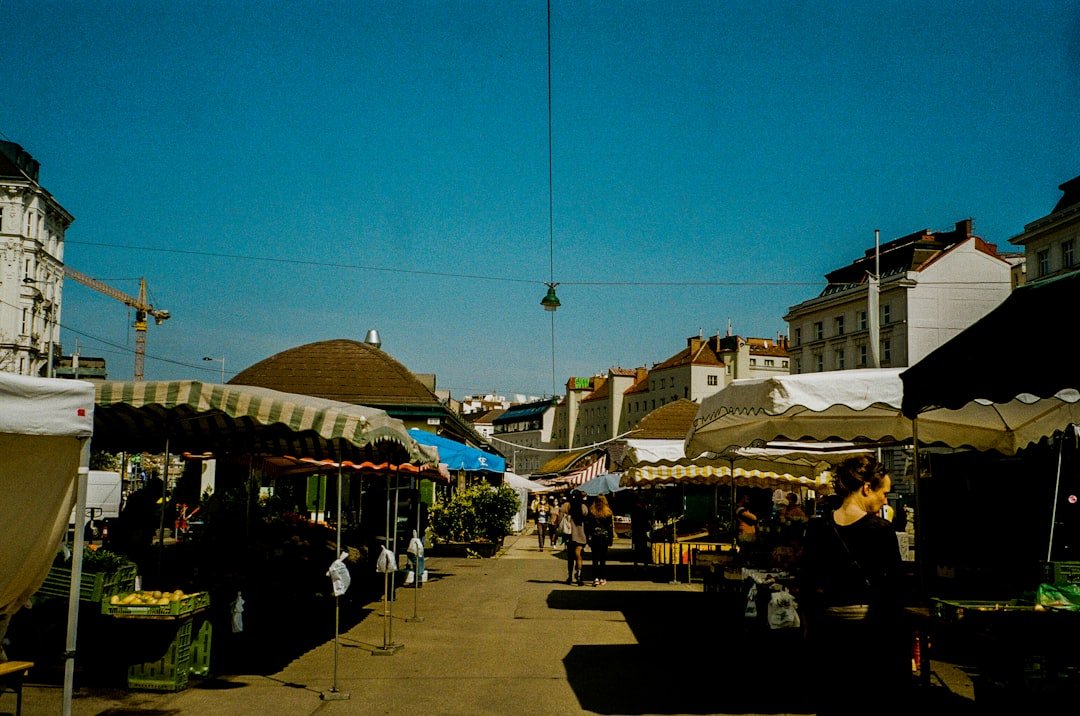
Borough Market is one of London’s best-known food destinations, combining fresh produce, specialist ingredients, street food, restaurants and independent traders in a historic market beside London Bridge. Whether you want a quick lunch, ingredients to take home or a few hours of food-focused exploring, a little planning will make your visit easier and more enjoyable.
Quick Answer
Borough Market is a free-to-enter food market beside London Bridge in Southwark. Regular market hours are Tuesday to Friday 10am–5pm, Saturday 9am–5pm and Sunday 10am–4pm, with Monday closed. For more space to browse, visit on a weekday morning or late afternoon rather than during the lunchtime rush.
Key Takeaways
- Borough Market is at 8 Southwark Street, London SE1 1TL, next to London Bridge station, and entry to the market is free.
- Its history stretches back around 1,000 years, while the market has occupied its current location since 1756.
- The market is divided into Three Crown Square, Green Market and Borough Market Kitchen, with restaurants, bars and shops around the main market.
- Weekends, lunchtime and holiday periods are generally busiest. Saturday afternoons can be especially crowded.
- Individual traders do not all operate on identical days, so check the current trader directory if a particular stall or restaurant is important to your visit.
Plan your visit to Borough Market
Borough Market is located at 8 Southwark Street, London SE1 1TL, immediately beside London Bridge station. Access to the market itself is free, so you can walk through, browse the stalls and decide what you want to buy as you go.
According to the official Borough Market visitor information, the regular market opening hours are:
| Day | Regular Hours |
|---|---|
| Monday | Closed |
| Tuesday | 10am–5pm |
| Wednesday | 10am–5pm |
| Thursday | 10am–5pm |
| Friday | 10am–5pm |
| Saturday | 9am–5pm |
| Sunday | 10am–4pm |
Note: Opening hours can change during bank holidays and the festive season. Individual traders, cafes and restaurants can also have different operating days and hours, so check the official listings before travelling for one specific business.
How to get there
Public transport is usually the easiest option. London Bridge station is next to the market and is served by the Jubilee and Northern Underground lines as well as National Rail services. Several bus routes also stop within a short walk.
If you are cycling, bike racks are available in and around the market. Drivers should know that Borough Market does not have its own customer car park. Nearby paid car parks are available, but central-London traffic and charging zones can make public transport more convenient.
Understanding the market layout
Borough Market is easier to navigate once you know its three main areas:
- Three Crown Square: home to many of the larger produce traders and merchants.
- Green Market: focused on smaller specialist produce traders.
- Borough Market Kitchen: the main street-food area.
Restaurants, bars and shops also occupy buildings and streets around the core market. If you arrive without a fixed plan, a useful approach is to walk through all three areas once before joining the first long food queue you see.
History and significance of Borough Market
Borough Market’s story reaches back around 1,000 years. Its official history says a food market began taking shape near the Southwark end of London Bridge in the 11th century. Rather than describing one uninterrupted market building from that period, it is more accurate to think of Borough as an institution that evolved as trade, transport and London itself changed.
A major turning point came in 1756, when a market funded by local parishioners opened just off Borough High Street at the site where Borough Market remains today. The arrival and expansion of the railways later helped turn the area into an important fruit-and-vegetable wholesale hub.
By the late 20th century, changes in food distribution and the growth of supermarkets had reduced the importance of traditional wholesale trading. Borough Market began reinventing itself for a new audience. A successful Food Lovers’ Fair in 1998 helped accelerate its transformation into the specialist retail food market visitors know today.
You can explore the full timeline on Borough Market’s official history page.
Today, the official trader directory covers more than 100 stalls, stands, restaurants, bars and shops across the Borough Market estate.
Must-try food and drink at Borough Market
The range of food at Borough Market is broad enough that there is no single dish every visitor must order. A better strategy is to decide whether you want a full meal, several smaller tastes or ingredients to take home.
For baked goods, Bread Ahead Bakery & School is a long-standing market presence offering breads, croissants, sweet bakes and its well-known filled doughnuts. Cheese lovers can look for Kappacasein, whose raclette and toasted cheese sandwiches use cheeses made by owner Bill Oglethorpe.
If you want produce rather than prepared food, Turnips sells fruit and vegetables sourced from a network of independent farms in Britain and farther afield. For something more substantial, The Black Pig serves Italian-influenced pork and cheese ciabattas in Borough Market Kitchen.
Coffee is another part of the market experience. Monmouth Coffee Company, which arrived during the market’s late-1990s retail revival, serves coffee and sells beans from a range of origins. Its own opening schedule differs from the main market schedule, which is a good example of why checking individual traders matters.
You will also find cheese, charcuterie, seafood, baked goods, fruit and vegetables, confectionery, international street food, wines, beers and pantry ingredients. Browse the official Borough Market trader directory for the current lineup and each trader’s operating days.
Pro Tip: If you want to sample several foods, share smaller portions where practical instead of ordering a full meal at your first stop. You will have more room to try something else later.
Best times to visit Borough Market
| When | What to Expect | Best For |
|---|---|---|
| Weekday morning | Generally more room to browse before the lunch rush | Shopping, photography and slower browsing |
| Weekday lunchtime | Busier as visitors and local workers arrive for food | A lively lunch atmosphere |
| Weekday late afternoon | Crowds may ease after the main lunch period | A more relaxed walk-through |
| Saturday | One of the busiest periods, especially Saturday afternoon | Visitors who enjoy the market at full energy |
| Sunday | Weekend atmosphere with shorter overall opening hours | Weekend visitors who cannot come midweek |
Borough Market’s own visitor guidance identifies weekends, lunchtimes and holiday periods as particularly busy. Its accessibility guidance also specifically warns that visitor numbers can be high on Saturday afternoons.
If you want to browse comfortably, talk to traders or navigate with children, luggage or mobility equipment, arriving in the morning can make the experience easier. If you want the energetic atmosphere Borough Market is famous for and do not mind queues, the lunch period or Saturday can be enjoyable in a completely different way.
Tips for navigating Borough Market like a pro
The market is compact, but its arches, passages and different trading areas can make your first visit feel more complicated than expected. Give yourself time to look around before committing to a meal.
Walk the market once before choosing
If you arrive hungry, it is tempting to buy from the first attractive stall. A quick first circuit helps you compare options and spot queues, seating areas and specialist traders you might otherwise miss.
Check a must-visit trader before you travel
Not every trader is present every day. If one bakery, cheesemonger, restaurant or street-food stand is the main reason for your trip, confirm its current trading days first.
Avoid blocking busy walkways
Borough Market is an active working food market. Delivery equipment, hot-food operations and large numbers of visitors share the same space. Step to the side when checking your phone, deciding where to eat or waiting for other members of your group.
Accessibility, toilets and practical rules
The public market areas are arranged on a single ground-floor level without stairs or lifts, but the historic site includes cobbled and uneven surfaces. Passageways vary in width, and some surrounding restaurant buildings have additional floors.
Accessible toilets with emergency pull strings are available at multiple locations during market trading hours, and a Radar key is not required. The Borough Market Store near the main entrance is also a useful place to ask for accessibility information.
There is no customer parking inside Borough Market. The Market also states that dogs are permitted if kept on a lead or carried, although individual restaurants and shops may set their own pet rules. Borough Market itself is a smoke-free zone. Current practical information is available in the official Borough Market FAQs.
Note: If you have a food allergy or another dietary requirement, ask the individual trader about ingredients and preparation before ordering. Do not assume every stall follows the same preparation process.
Events and activities at Borough Market
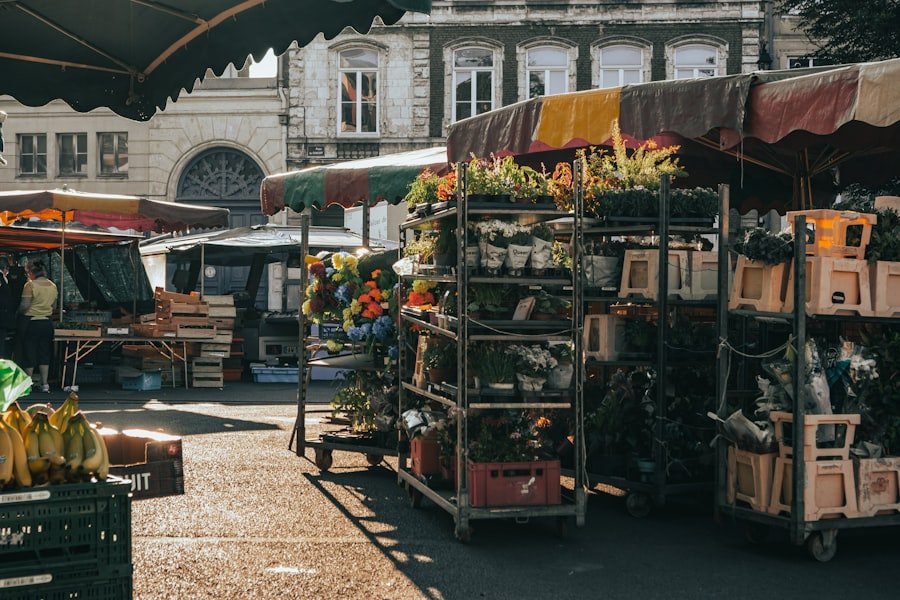
Borough Market is more than a place to shop and eat. Its programme can include food showcases, cookery demonstrations, interviews, masterclasses and seasonal activities. Because the schedule changes throughout the year, it is better to check what is actually happening during your visit than to assume there will always be entertainment on the market floor.
Some special events focus on cooking techniques, seasonal produce or collaborations between traders and chefs. Others are designed for families or people who want to learn more about food, sourcing and preparation.
Before travelling for an event, check Borough Market’s official What’s On calendar for current dates, locations and whether tickets are required.
Local vendors and their unique offerings
One of Borough Market’s strengths is the range of independent businesses trading in a relatively small area. Their specialties go well beyond generic “market food,” so spending a few minutes learning what individual businesses do can make your visit much more interesting.
- Bread Ahead Bakery & School: breads, pastries, filled croissants, doughnuts and baking education.
- Kappacasein: raclette, toasted cheese sandwiches and cheeses made by its owner.
- Turnips: seasonal fruit and vegetables sourced from independent farms in Britain and elsewhere.
- The Black Pig: toasted Italian-style pork and cheese ciabattas prepared in Borough Market Kitchen.
- Monmouth Coffee Company: specialist coffees and beans sourced from farms, estates and cooperatives in coffee-growing regions around the world.
Those are examples rather than a definitive “best” list. The market contains more than 100 stalls, stands, restaurants, bars and shops, and the mix evolves over time. Exploring the current trader directory before your visit is the safest way to find something that matches your taste.
Sustainable and ethical practices at Borough Market
Sustainability is part of Borough Market’s operating model, but it is worth describing that commitment accurately rather than assuming every item sold is local or certified organic.
The charitable trust that operates the market says it considers both food quality and how traders work. Businesses applying to trade are expected to demonstrate sustainable and traceable production or sourcing, minimise food waste and packaging, treat suppliers and staff fairly, and support equality and diversity.
The market also works to reduce waste from its own operations. According to its current How We Work information, surplus edible food is collected with Plan Zheroes and distributed to charities. Borough Market reports that more than 110 tonnes of food have been prevented from being thrown away since 2014, representing about 263,000 meals.
Other measures described by the Market include electric-vehicle waste collection, converting residual waste into energy, solar panels, drinking-water fountains and efforts to reduce single-use plastic carrier bags.
For shoppers, the practical lesson is to look beyond simple labels such as “local” or “organic.” Ask traders where ingredients come from, how products are made and what steps they take to reduce waste or improve sourcing. Borough Market’s emphasis on knowledgeable traders makes those conversations part of the experience.
Conclusion
Borough Market combines a long trading history with one of London’s most varied modern food scenes. You can browse specialist produce, eat street food, visit restaurants, talk directly with traders and explore a market whose roots stretch back around a millennium.
The easiest visit starts with a little planning: check current hours, confirm the operating day of any must-visit trader and avoid the busiest lunch or Saturday-afternoon periods if you prefer more room. Once you arrive, take a first walk through Three Crown Square, Green Market and Borough Market Kitchen before deciding what to eat.
For the latest opening-hour changes, trader schedules, access information and special events, use the official Borough Market visitor page before you travel.
Frequently Asked Questions
What is Borough Market?
Borough Market is a historic food market in Southwark, London. It includes fresh-produce traders, specialist food businesses, street-food stalls, restaurants, bars and shops. Its history stretches back around 1,000 years.
Where is Borough Market located?
Borough Market is at 8 Southwark Street, London SE1 1TL, close to London Bridge and the River Thames. London Bridge Underground and National Rail station is immediately beside the market.
What can I find at Borough Market?
You can find fruit and vegetables, breads and pastries, cheese, meat, seafood, confectionery, coffee, drinks, pantry ingredients, international street food and numerous restaurants and bars. The exact trader lineup and operating days can change.
When is Borough Market open?
Regular market hours are Tuesday to Friday 10am–5pm, Saturday 9am–5pm and Sunday 10am–4pm. Monday is normally closed. Bank-holiday and festive opening hours can differ, and individual traders may keep different schedules.
Is there an admission fee to enter Borough Market?
No. Access to Borough Market is free. You only pay for the food, drinks, products or ticketed special events you choose to purchase.
Is Borough Market accessible for wheelchair users and people with limited mobility?
The main public market areas are on one ground-floor level, so there are no stairs or lifts to navigate within those spaces. However, the historic site has different surfaces, including cobbles, and some passages are narrower than others. Accessible toilets are available during trading hours, and the Borough Market Store can provide additional assistance.
Can I park at Borough Market?
Borough Market does not have customer parking. Paid car parks are available within walking distance, but public transport is usually easier because London Bridge station is immediately beside the market.
Are there public toilets at Borough Market?
Yes. Public toilets, including accessible facilities, are available during market trading hours in several locations around the market.
Are dogs allowed at Borough Market?
Yes. Borough Market allows dogs if they are kept on a lead or carried. Individual restaurants, bars and shops may have their own rules, and very busy periods may be uncomfortable for some dogs.
Sources
- Borough Market — Visit Us — current market hours, address, transport, layout and accessibility information.
- Borough Market — Our Story — historical timeline and the development of the market.
- Borough Market — Traders — current trader categories, market areas and business listings.
- Borough Market — What’s On — current events, demonstrations, showcases and activities.
- Borough Market — How We Work — sustainability, trader standards, food-waste programmes and environmental measures.
- Borough Market — Frequently Asked Questions — parking, toilets, dogs, accessibility and other practical visitor information.