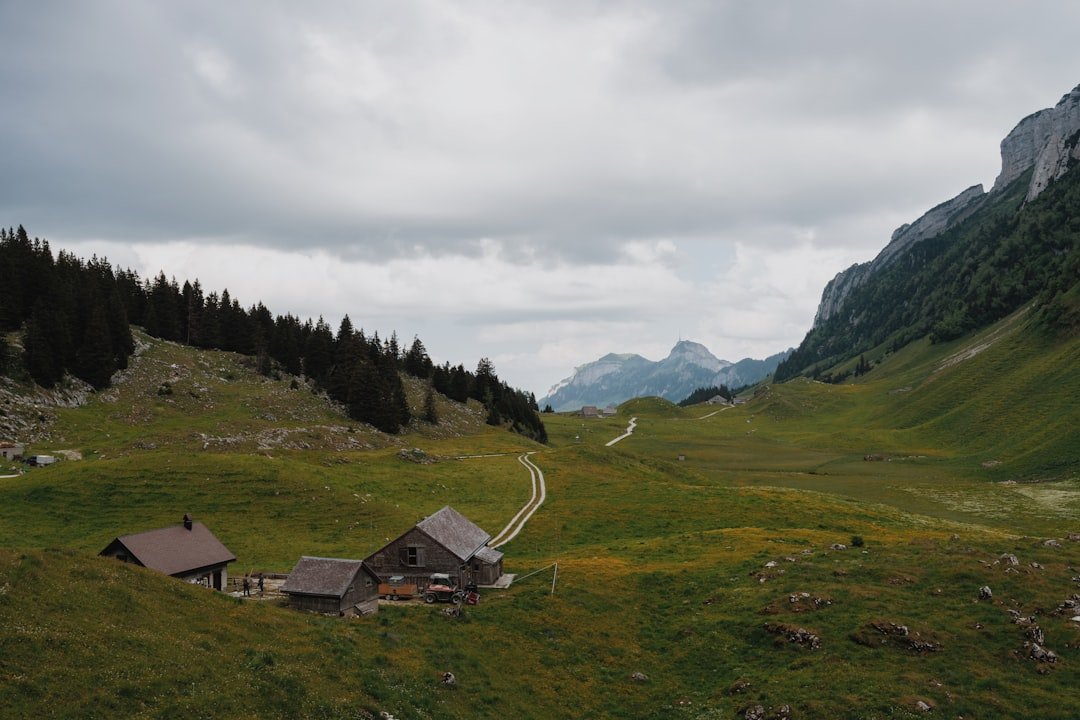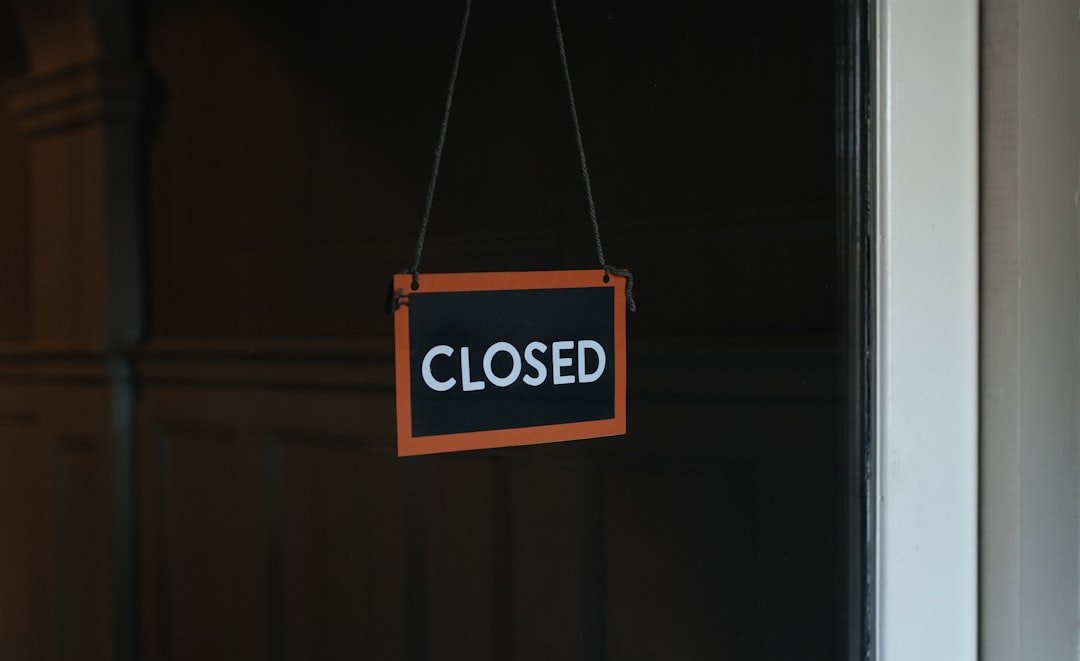
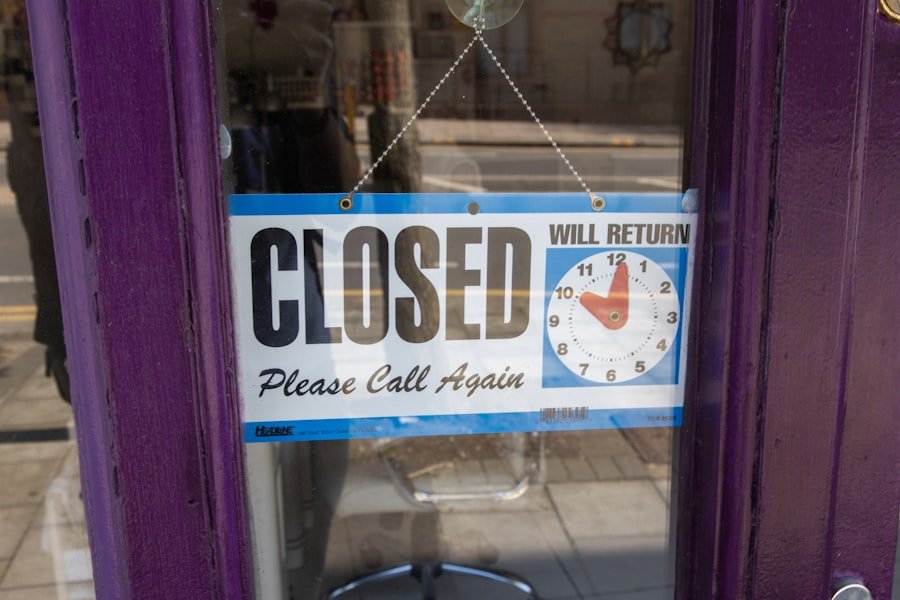
In Switzerland, most ordinary supermarkets and retail shops close on Sundays. This is partly because federal labour law generally restricts employees from working on Sunday and partly because cantons control shop-opening rules. Selected businesses at transport hubs, tourist destinations, service areas, and other exempt locations may still open.
Quick Answer
Most Swiss shops close on Sundays because federal law generally protects Sunday as a rest period for employees, while cantonal laws limit when shops may open. Exceptions include selected station and airport stores, tourist businesses, kiosks, qualifying bakeries, motorway service shops, restaurants, hotels, and emergency services.

Key Takeaways
- Federal law generally prohibits employing workers between 11 p.m. on Saturday and 11 p.m. on Sunday unless an exception or authorization applies.
- Cantons regulate whether a shop may open, while federal law mainly regulates whether it may employ staff.
- Selected station, airport, tourist-area, service-station, bakery, kiosk, flower-shop, hospitality, and essential-service businesses may operate under special rules.
- Cantons may currently designate no more than four permit-free retail Sundays per year, and they do not have to use all four.
- A proposal involving as many as 12 retail Sundays remains politically contested, but it has not changed the current law.
Why are shops closed on Sundays in Switzerland?
Sunday has long been treated as a shared rest day in Switzerland. The tradition has religious roots, but it also developed into a worker-protection rule as employment became more industrial and fixed working hours became common.
Today, the closure of most shops is not based on culture alone. The system combines federal employment law, cantonal shop-opening laws, local public-rest rules, and special exceptions for businesses that serve travelers, tourists, or essential needs.
Swiss working-time rules normally combine 24 hours of Sunday rest with at least 11 hours of daily rest, creating an uninterrupted rest period of 35 hours.
Swiss Sunday shopping laws: federal and cantonal rules
Two different legal questions determine whether you can shop somewhere on Sunday:
- May the business open? Cantonal shop-opening laws and local public-rest rules usually answer this question.
- May the business employ staff? The federal Employment Act and its ordinances generally answer this question.
This distinction explains why Sunday shopping differs between cantons and locations. A canton may permit a type of shop to open, but the business must still have a lawful basis for employing workers. Likewise, a federal exception for certain employees does not automatically override a cantonal rule that requires the shop to remain closed.
The general Sunday-work restriction
Under the Swiss Employment Act, employees generally may not work between 11 p.m. on Saturday and 11 p.m. on Sunday. An employer needs an applicable legal exception or authorization before scheduling staff during that period.
Authorized Sunday work is also generally subject to the employee’s consent. Temporary Sunday-work applications are handled by the relevant cantonal authority, while applications for permanent or regularly recurring Sunday work are handled by the State Secretariat for Economic Affairs, or SECO. The official ch.ch Sunday-work guide explains these basic permit and worker-protection rules.
Pay and time off for Sunday workers
The worker’s entitlement depends partly on whether the Sunday work is occasional or regular:
- Occasional Sunday work: A person working up to six Sundays in a year is generally entitled to a 50% wage supplement.
- Five hours or less: The worker must receive the same amount of time off within four weeks.
- More than five hours: The worker must receive a rest day of at least 24 hours during the current or following week. Together with the normal daily rest period, this creates at least 35 consecutive hours off.
- Regular Sunday work: Compensatory time off still applies, but federal law does not automatically provide the same 50% wage supplement. An employment contract or collective agreement may provide better terms.
Note: These are general legal rules, not advice for a specific workplace dispute. Employees and employers should contact the relevant cantonal labour inspectorate or SECO when a permit, contract, collective agreement, or special industry rule may apply.
Can an owner-operated shop open on Sunday?
The federal Sunday-work restriction mainly protects employees. A self-employed owner who works alone may therefore be outside some employee-working-time provisions. However, this does not automatically give the owner permission to open.
The business must still comply with cantonal shop-opening laws, municipal rules, zoning conditions, public-rest rules, and any requirements that apply to its type of trade. Owners should check with the canton or municipality rather than assuming that operating without employees creates a complete exception.
What is a shopping Sunday?
A “shopping Sunday” is a Sunday designated by a canton when retail businesses may employ sales staff without obtaining an individual Sunday-work permit. Under current federal law, a canton may designate up to four such Sundays per calendar year.
Four is a maximum rather than a national guarantee. A canton may authorize fewer days, and the dates vary. Many are scheduled during Advent, before Christmas, or around a local commercial event. Individual shops may also decide not to open on an authorized date.
Products Worth Considering

GET YOUR LISTING NOTICED - Printed on both sides in a Brilliant Optic Red these signs will stand out.

Cost-Effective Marketing Tool: promote your business or grand opening event with our affordable outdoor advertising signs. LookOurWay feather flags are a great way to get your business noticed at a low cost

OPEN SIGN - One 12 x 16 in Open sign with CLOSED printed on the back, printed in bold high-contrast letters on a weather-resistant panel.
Latest status of the proposed 12-Sunday limit
A proposal linked to Zurich cantonal initiative 23.325 sought to let cantons authorize up to 12 permit-free retail Sundays instead of four.
- On April 22, 2026, the Federal Council announced its support for the proposed expansion.
- On June 9, 2026, the Council of States declined to enter into the draft, voting 22 to 21 with one abstention.
- On June 23, 2026, the National Council’s Economic Affairs and Taxation Committee voted 14 to 11 to recommend that the underlying cantonal initiative not be written off.
Current position: As of July 23, 2026, the proposal has not changed the law. Cantons may still designate no more than four permit-free retail Sundays per year. The latest official history is available in the Swiss Parliament file for initiative 23.325.
What stays open on Sundays in Switzerland?
Sunday exceptions do not mean that every business in a listed category can open. The exact shop, location, assortment, season, and cantonal rules matter. According to the SECO Sunday shop-opening FAQ, common exceptions include the following.
Products Worth Considering

Please note and verify if the dimensions are suitable: The packaging bag has a flat, unfolded size of 8 inches x 3.4 inches. When filled with food, it provides a capacity of 3.4 inches in height x 1.5 inches in width x 5 inches in depth.

Package Content:You will receive 100 plastic hinged food containers that can be used for the preservation of burgers,salads,sandwiches and other foods.Make sure your food is fresh.

Generous length - Handles larger baking tasks with ease
Selected train-station and airport shops
Shops serving travelers at qualifying railway stations, airports, public-transport terminals, and border locations may employ staff under special rules. Some businesses must mainly offer a limited range of goods and services intended for travelers.
Large transport hubs have broader exceptions than small stations. A shop beside a station is not automatically covered merely because it is close to railway tracks.
Motorway and service-station shops
Service-station shops at motorway rest areas and on major roads with heavy travel traffic may open when their goods and services are mainly aimed at travelers. An ordinary petrol station on a quiet local road does not necessarily qualify for the same exemption.
Kiosks, bakeries, confectioners, and flower shops
Roadside kiosks and newsstands may operate under special provisions. Bakeries, pastry shops, and confectioners may also qualify when they mainly sell products they have made themselves. Retail flower shops are another category covered by special Sunday-work provisions.
Tourist areas
Businesses in recognized tourism areas may serve customers during the relevant season. Local demand alone is not always enough. The area, season, business type, and cantonal opening rules must meet the legal requirements.
Restaurants, hotels, and leisure businesses
Restaurants, cafés, hotels, cinemas, theaters, campsites, and certain leisure businesses commonly operate on Sundays because weekend demand is central to their services and special employment rules apply.
Health care and essential services
Hospitals, emergency services, public-safety services, and other essential operations continue working. Pharmacies may use local emergency or on-duty schedules, but not every pharmacy opens for normal Sunday hours.
How to find an open shop on Sunday
- Check the exact branch. A supermarket chain may have one open station branch while its neighborhood locations remain closed.
- Use the station or airport directory. Major transport hubs usually publish individual shop hours.
- Check the business’s official website. Do not rely only on a general map listing, especially around holidays.
- Look for a local emergency pharmacy. Search the official cantonal or municipal pharmacy rota using terms such as “Notfallapotheke” and the city name.
- Check tourist-office information. Resort opening hours may change with the season.
- Confirm special shopping Sundays. The canton, municipality, shopping center, or store should publish the authorized date.
Pro Tip: Buy normal groceries by Saturday evening. Treat Sunday station and airport stores as backup options because their selection may be smaller and their prices or opening hours may differ from a regular supermarket.
Products Worth Considering

ESSENTIALS FOR EMERGENCIES: Be prepared for unexpected situations with this first aid kit featuring 150+ essential supplies. It includes a variety of bandages, gloves, povidone-iodine prep pads, metal tweezers, a tourniquet, and more.

ESSENTIALS FOR EMERGENCIES: Be prepared for unexpected situations with this first aid kit featuring 150+ essential supplies. It includes a variety of bandages, gloves, povidone-iodine prep pads, metal tweezers, a tourniquet, and more.
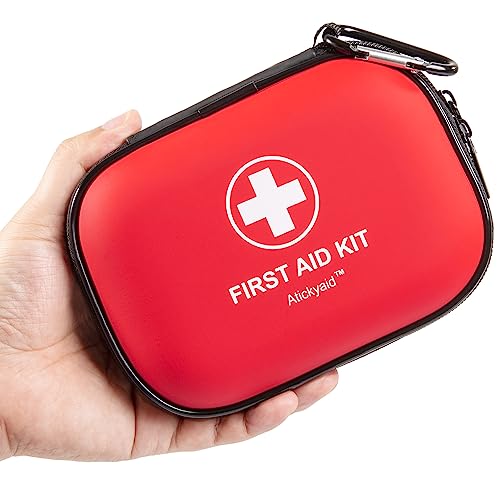
PORTABLE DESIGN: Measuring 6.3"x4.7"x2.3"(16x12x6cm) and weighing 0.62 lbs(283g). The compact size of our medical kit makes it easy to carry and store in your backpack, car, or any other location you may need it. Whether you're going on a hiking or camping trip, or heading out on a road trip, our first aid kit will be there to provide you with the essential medical supplies you need in case of emergencies. This small emergency kit can also be easily hung on your backpack.
What Sunday closures mean for businesses and workers
Supporters argue that the restrictions prevent a seven-day competition over opening hours. They say a shared rest day gives retail workers more predictable family and social time and prevents smaller businesses from feeling forced to match the schedules of larger competitors.
Critics argue that the system is inconvenient for people who work long weekday hours. They also say physical retailers face competition from online stores and businesses in neighboring areas where Sunday shopping is easier.
The effect on workers varies by sector. Retail employees may benefit from more predictable Sundays off, while people in health care, transport, hospitality, media, culture, tourism, and public safety often work when other people are resting or traveling.
How Switzerland compares with other countries
Switzerland is not the only European country that treats Sunday as a protected rest day. According to the German federal government’s everyday-life guide, most German shops also close on Sundays, with exceptions such as petrol stations and railway-station shops.
Austria also protects weekend and public-holiday rest, although its detailed opening and employment rules differ from Switzerland’s.
England and Wales permit broader Sunday shopping. Small stores may open without the same time restriction, while large shops are generally limited to six continuous hours between 10 a.m. and 6 p.m. Rules elsewhere in the United Kingdom and the United States vary by jurisdiction.
The comparison is therefore not simply “open” versus “closed.” Each country balances worker protection, religious and cultural traditions, regional authority, tourism, business costs, and consumer convenience differently.
Enforcement and compliance
Cantonal labour inspectorates supervise many working-time requirements and handle applications for temporary Sunday work. SECO handles permits for permanent or regularly recurring Sunday work and supports consistent enforcement of the federal Employment Act.
Cantonal or municipal authorities separately enforce shop-opening and public-rest rules. A business may therefore need to satisfy more than one authority.
When a business employs staff or opens unlawfully, authorities may investigate, require the business to comply, revoke or refuse authorization, or apply administrative or criminal sanctions. The result depends on the rule, the seriousness of the breach, and the relevant federal, cantonal, or municipal law.
Future outlook
The political debate over Sunday retail is continuing, but the current four-Sunday maximum remains in force. Supporters of expansion focus on flexibility, city-center activity, online competition, and cantonal choice. Opponents focus on worker health, family time, business costs, and preserving a common rest day.
Any future change would need to complete the federal parliamentary process. Depending on the final form of the legislation, Switzerland’s referendum system could also give voters a role. Until a new rule is formally approved and enters into force, shops and employers must follow the existing federal, cantonal, and local requirements.
Frequently Asked Questions
What are Sunday closures in Switzerland?
Sunday closures are the combined result of federal worker-protection rules, cantonal shop-opening laws, local public-rest rules, and social customs. Together, they keep most ordinary retail shops closed on Sundays while allowing specific exceptions.
Why are shops closed on Sundays in Switzerland?
Federal law generally prohibits employing workers from 11 p.m. on Saturday to 11 p.m. on Sunday, while cantons regulate shop opening. The system is intended to protect a shared weekly rest period.
Are supermarkets open on Sundays in Switzerland?
Most normal supermarket branches are closed. Selected branches at major stations, airports, motorway service areas, tourist destinations, or other qualifying locations may open. Always check the exact branch.
Are all train-station shops allowed to open?
No. The rules depend on the station, business type, customer service, and product range. Major designated transport hubs may have broader Sunday opening than small stations.
Can a shop owner open without employees?
Federal employee-working-time restrictions may not apply in the same way when a self-employed owner works alone. However, cantonal and municipal shop-opening rules may still require the business to remain closed.
Do employees receive extra pay for Sunday work?
Workers performing occasional Sunday work, generally up to six Sundays per year, are entitled to a 50% wage supplement and compensatory time off. Regular Sunday workers receive compensatory rest, but federal law does not automatically grant the same wage supplement.
What happens if a business violates the rules?
The responsible authority may investigate and require compliance. Administrative or criminal sanctions may also apply, depending on whether the business violated federal working-time law, cantonal opening rules, permit conditions, or another requirement.
Could Switzerland allow 12 shopping Sundays?
A proposal has sought to increase the maximum from four to 12. However, the Council of States declined to consider the draft on June 9, 2026, and the National Council committee later recommended keeping the underlying initiative alive. As of July 23, 2026, the legal maximum remains four.
Sources
- Working on Sundays and at Night in Switzerland — federal guidance on authorization, employee consent, pay, compensatory rest, and exemptions.
- SECO: Working and Rest Times — the Sunday-work prohibition and detailed rest requirements.
- SECO FAQ on Sunday Shop Opening — the distinction between cantonal opening laws and federal employee protection, plus retail exceptions.
- Swiss Employment Act — the federal legal basis for Sunday-work restrictions and authorizations.
- Employment Ordinance 2 — special provisions for transport hubs, tourism businesses, kiosks, bakeries, flower shops, and other sectors.
- Swiss Parliament: Initiative 23.325 — the official history and current status of the proposed increase in retail Sundays.