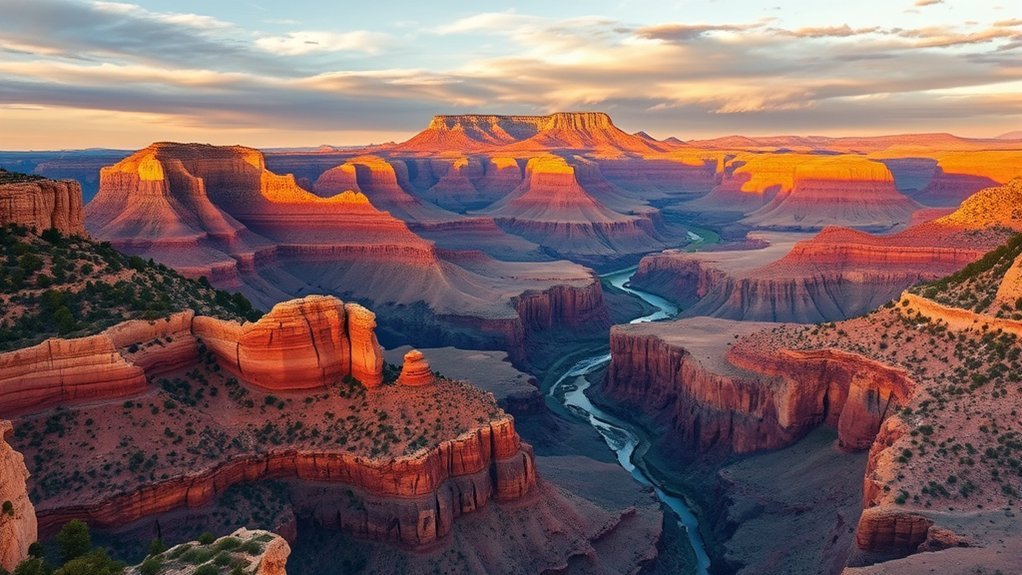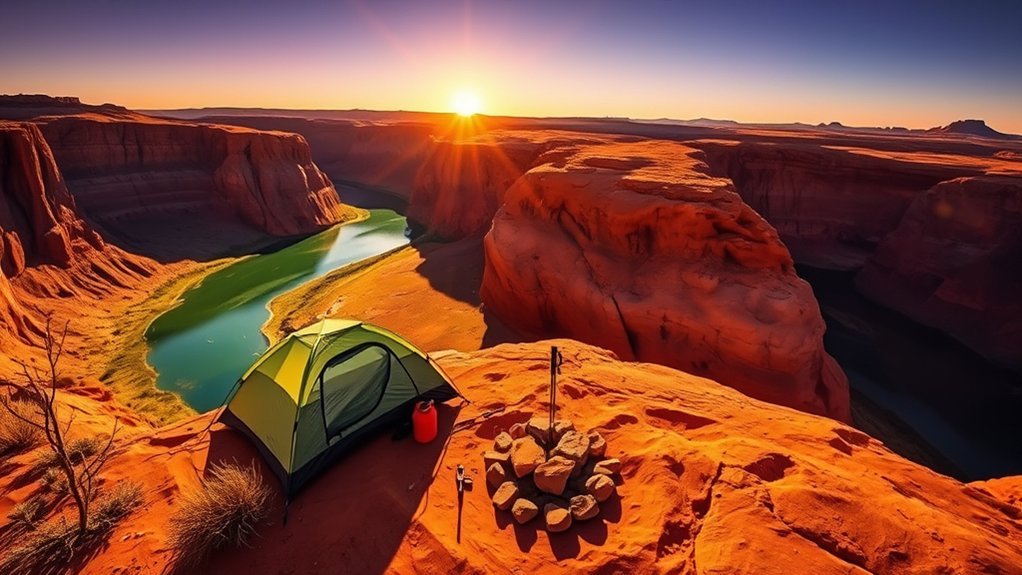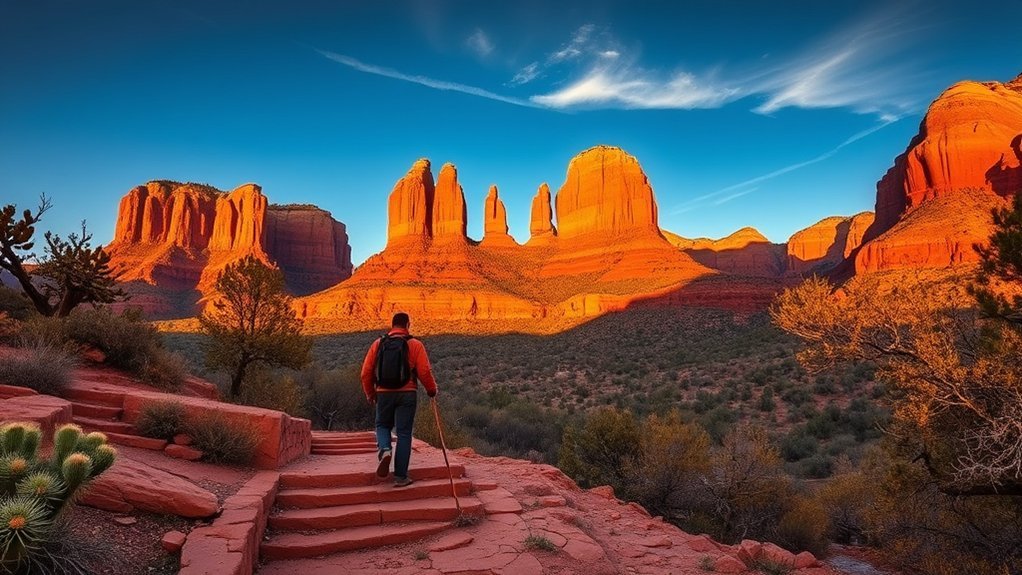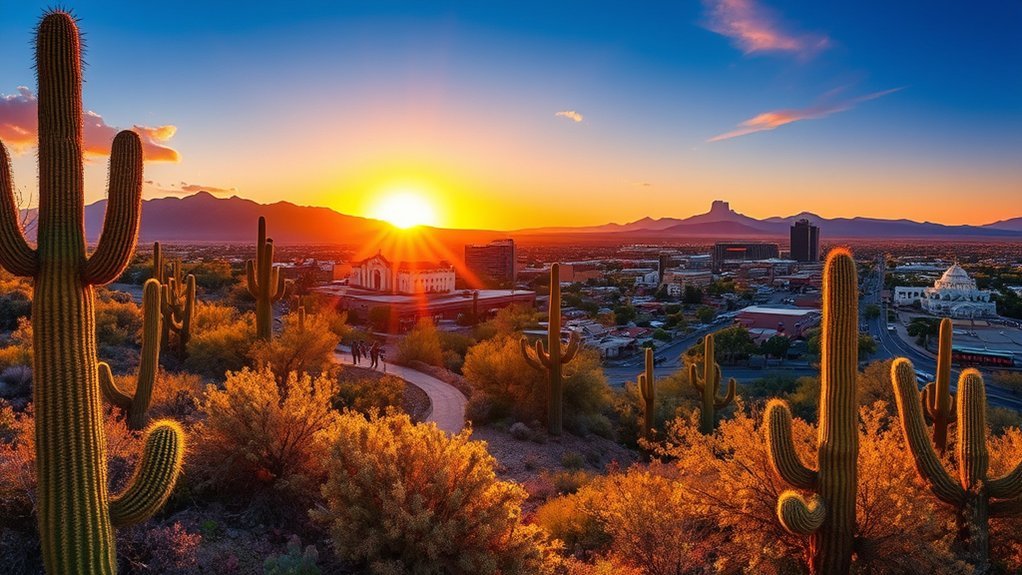
Tucson gives you an unusually varied mix of Sonoran Desert scenery, mountain drives, living history, museums, food, wildlife, and walkable cultural districts. You can hike among giant saguaros in the morning, explore historic adobe neighborhoods in the afternoon, and finish with a desert sunset or Sonoran-style meal. The key is matching each activity to the season, temperature, and part of town.
Quick Answer
The best things to do in Tucson include exploring both districts of Saguaro National Park, hiking Sabino Canyon, visiting the Arizona-Sonora Desert Museum, driving Mount Lemmon, touring Mission San Xavier del Bac, exploring Barrio Viejo and Fourth Avenue, trying Sonoran food, and catching a sunset at Gates Pass.
Key Takeaways
- October through spring generally offers the easiest weather for hiking and long outdoor days.
- Saguaro National Park has two separate districts, with different scenic drives and trails east and west of Tucson.
- Summer heat can be dangerous, so plan outdoor activities very early and move indoor attractions to the hottest part of the day.
- The Sun Link streetcar connects Mercado San Agustín, downtown, Fourth Avenue, Main Gate Square, and the University of Arizona.
- Schedules for attractions such as Old Tucson, museum programs, butterfly exhibits, sports, and wildlife encounters change seasonally, so check official calendars before visiting.
Warning: Tucson’s desert heat and summer thunderstorms deserve serious planning. The National Park Service advises avoiding the hottest part of summer days, carrying plenty of water, and turning back before half your water is gone. During monsoon storms, never enter flooded washes or exposed areas when lightning is nearby.
Plan Your Tucson Visit
Best Time to Visit Tucson
For long hikes and outdoor sightseeing, fall through spring is generally easier than summer. Saguaro National Park identifies June 15 through September 30 as the monsoon season, when afternoon thunderstorms can produce lightning and fast-moving water in normally dry washes. Summer daytime temperatures can also exceed 100°F, so strenuous hikes should start very early. Check the National Park Service weather and heat guidance before a desert outing.
Getting Around Tucson
A car is useful for Saguaro National Park, Sabino Canyon, Mount Lemmon, Catalina State Park, Gates Pass, and other outlying attractions. In the urban core, the Sun Link streetcar connects Mercado San Agustín, downtown, Fourth Avenue, Main Gate Square, and the University of Arizona along a 3.9-mile route, making it practical to combine several city attractions without repeatedly moving your car.
Pro Tip: If you have three or four days, group attractions geographically. Pair Saguaro West with the Desert Museum and Gates Pass, combine downtown with Barrio Viejo and Mercado San Agustín, and give Sabino Canyon or Mount Lemmon a separate half-day.
Explore Saguaro National Park East (Rincon Mountain District)

Head east of Tucson into the Rincon Mountain District for classic Sonoran Desert scenery, broad stands of saguaros, mountain foothills, and changing elevations. Start at the Rincon Mountain Visitor Center for maps and current conditions, then drive the paved Cactus Forest Loop or choose a hike that fits the temperature and your experience.
Shorter options such as Mica View let you see dense cactus forest without committing to a long desert hike, while the Douglas Spring trail system reaches progressively more rugged country. Spring can bring wildflowers, and summer rains can temporarily transform washes and drainages. Wildlife may include coyotes, reptiles, birds, and many smaller desert species.
Carry more water than you expect to need, use sun protection, and check current conditions before leaving the pavement. The National Park Service recommends particularly cautious planning during summer heat.
Explore Saguaro National Park West (Tucson Mountain District)
The Tucson Mountain District west of the city gives you another side of Saguaro National Park and pairs naturally with the Arizona-Sonora Desert Museum and Gates Pass. The Bajada Loop Drive is a roughly 6-mile graded dirt scenic loop with pullouts, picnic areas, trail access, and dense cactus scenery. A high-clearance or four-wheel-drive vehicle is normally not required for the maintained loop, although temporary weather closures can occur.
This district is especially useful if you want a scenic drive with short walks rather than a full hiking day. Signal Hill, Desert Discovery Trail, and other west-side stops make it easy to build a flexible half-day itinerary.
Hike Sabino Canyon Recreation Area

Head to Sabino Canyon for paved canyon roads, rocky trails, seasonal water, and access to both easy walks and demanding hikes. The recreation area is part of Coronado National Forest, and private vehicle access into the canyon itself is restricted. You can walk, cycle where permitted, or use the electric Sabino Canyon Crawler to reach different parts of the canyon.
Trail Options & Difficulty
Sabino Canyon offers routes for different ability levels, from paved walking to long rocky hikes. Conditions change with heat, rainfall, and water flow, so choose a route based on current conditions rather than distance alone.
| Trail Type | Difficulty | Highlights |
|---|---|---|
| Paved canyon road | Easy to moderate | Scenery, bridges, flexible turnaround points |
| Canyon or wash trail | Moderate | Seasonal water, shade, rocky terrain |
| Ridge/summit route | Hard | Elevation gain, rugged terrain, broad views |
| Connector trails | Variable | Longer custom routes |
Shuttle & Crawler Info
The electric Sabino Canyon Crawler provides a narrated ride through the main canyon, with nine designated stops where passengers can get off to walk or hike. Bear Canyon service also provides access toward the Seven Falls trailhead. Tickets and recreation-area fees are separate, and schedules, fares, water conditions, and canyon closures can change.
Hop-on return space is subject to available seating, so do not assume a specific later shuttle will have room. Arrive early during busy periods and carry enough water to finish your outing on foot if necessary.
Wildlife & Scenic Spots
Sabino Canyon combines riparian areas, rocky ridges, saguaros, and mountain slopes, creating habitat for birds, mule deer, reptiles, and other desert wildlife. Early mornings are often comfortable for both walking and wildlife observation. Bring binoculars, stay on established routes, keep a respectful distance from animals, and never enter flooded road crossings or washes during storm runoff.
- Carry water and sun protection.
- Use binoculars rather than approaching wildlife.
- Stay on established trails and roads.
- Start early during warm weather.
Visit the Arizona-Sonora Desert Museum

The Arizona-Sonora Desert Museum combines a zoo, botanical garden, aquarium, natural-history museum, and art programming in one largely outdoor experience. Trails move through naturalistic Sonoran Desert habitats where you can learn about regional plants, mammals, reptiles, birds, geology, and conservation.
Living Desert Habitats
Naturalistic habitats show how saguaros, cholla, ocotillo, washes, rocky slopes, and desert animals fit into the same ecosystem. Interpretive displays explain water storage, heat avoidance, pollination, nocturnal behavior, and other adaptations that make life possible in an arid environment.
- Observe native plant adaptations at close range.
- Learn how desert water and nutrient cycles work.
- Compare habitats from low desert to higher-elevation environments.
- Use designated viewing areas for respectful wildlife observation.
The experience works especially well before or after Saguaro National Park West because the two attractions are in the same general part of Tucson.
Wildlife Encounters & Programs
Animal presentations and keeper programs vary by date and season. One of the museum’s signature programs is Raptor Free Flight, when weather and the seasonal calendar allow. Rather than assuming a show will run every day, check the museum’s current program schedule before choosing your arrival time.
Plan at least several hours if you want to explore the outdoor trails, indoor exhibits, gardens, and a scheduled animal presentation without rushing.
Wander Historic Fourth Avenue

Historic Fourth Avenue is one of Tucson’s easiest areas to explore on foot. Independent shops, restaurants, cafes, bars, vintage stores, murals, and small businesses line the corridor between downtown and the University of Arizona area.
Because the Sun Link streetcar travels along the avenue, you can combine Fourth Avenue with downtown, Main Gate Square, or Mercado San Agustín without driving between each stop. Event calendars change through the year, including major street fairs and smaller markets. For related tips and details, explore our Best Hikes Near Tucson for Saguaros, Waterfalls, and Pines.
- Browse independent boutiques and vintage shops.
- Look for murals and public art.
- Stop for coffee, lunch, or an evening meal.
- Check the local calendar for markets and street events.
Tour Mission San Xavier Del Bac

Mission San Xavier del Bac was founded in 1692 by Jesuit missionary Eusebio Francisco Kino and continues to serve the local community on the Tohono O’odham Nation. The surviving church is known for its white exterior, elaborate interior decoration, carved and painted religious figures, and long conservation history.
This is a living Catholic parish rather than simply a historic attraction. Check visitor information and service schedules, dress respectfully, lower your voice inside, and avoid disrupting worship. Guided interpretation may be available depending on the day.
Outside, take time to see the mission in its desert setting and learn about the O’odham community whose history and contemporary life are inseparable from the site.
Stroll Through Old Tucson Studios

Old Tucson is both a historic film location and an entertainment venue, but its experiences now depend strongly on the operating calendar. In 2026, offerings include Old Tucson Studios Tours and seasonal events rather than one identical year-round Western amusement schedule.
Historic Movie Set Walkthrough
On an Old Tucson Studios Tour, you can learn how the property developed as a film and television location and see streets, facades, and sets associated with decades of Western productions. Current tours mix walking with transportation through portions of the property while guides explain filmmaking and site history.
- Look closely at set construction and false-front architecture.
- Learn how the site was adapted for different productions.
- Ask guides about preservation and filming history.
- Photograph designated sets and desert backdrops.
Live Western Shows & Rides
Live entertainment, stunt demonstrations, carnival-style rides, seasonal haunted attractions, markets, and other activities are offered during selected Old Tucson events. They are not guaranteed on every operating day. Check the official Old Tucson calendar before buying tickets if a particular show or ride is important to your visit.
Drive Mount Lemmon Scenic Byway

The Mount Lemmon Scenic Byway, also known as the Catalina Highway or Sky Island Scenic Byway, climbs from the Tucson desert into the Santa Catalina Mountains. In a relatively short drive, saguaros and desert scrub give way to oak, rock formations, cooler temperatures, and pine forest.
Use established overlooks such as Windy Point Vista, watch for cyclists and changing weather, and descend carefully rather than riding your brakes continuously. Summerhaven provides a natural turnaround or rest stop near the upper portion of the drive.
- Stop at official overlooks for mountain and valley views.
- Choose a short forest hike when conditions allow.
- Use designated picnic sites rather than roadside pull-offs.
- Check Coronado National Forest road and fire conditions before leaving Tucson.
Experience the Pima Air & Space Museum

At the Pima Air & Space Museum, you can explore a collection of 400+ aircraft covering military, commercial, experimental, and civilian aviation. Six indoor exhibit hangars and extensive outdoor grounds make this a much larger stop than its entrance suggests.
Historic Aircraft Exhibits
The collection ranges from early aviation through World War II, the Cold War, modern aerospace, and commercial flight. Aircraft and interpretive exhibits place engineering changes in their historical context rather than simply displaying rows of machines.
- B-17 Flying Fortress and other World War II aircraft
- SR-71 Blackbird and Cold War aviation
- F-14 Tomcat and carrier-era military aircraft
- Boeing 787 Dreamliner and major commercial-aircraft exhibits
based on available details Aviation Experiences
Interactive opportunities depend on the program and date. The museum periodically offers flight simulator sessions, special aircraft interior tours, guided experiences, and event-specific programming such as Night Ops. Do not assume cockpit access or a simulator is included with ordinary admission on every day.
| Experience | Availability |
|---|---|
| Indoor and outdoor aircraft exhibits | Core museum experience |
| Guided tours | Check current schedule |
| Flight simulator sessions | Scheduled/select programs |
| Aircraft interior access | Selected tours or events |
Enjoy Tucson Botanical Gardens

Tucson Botanical Gardens offers a quieter break from long desert hikes, with compact themed gardens, mature plantings, desert-adapted species, courtyards, art, and seasonal exhibits.
The Cox Butterfly & Orchid Pavilion’s Butterfly Magic is seasonal, generally operating from October through May rather than year-round.
During Butterfly Magic season, the tropical greenhouse provides a dramatic contrast to the surrounding Sonoran Desert. Outside that season, the gardens still offer plant collections, educational displays, art, and shaded places to slow down.
- Check whether Butterfly Magic is operating on your dates.
- Join a tour or educational program if offered.
- Look for seasonal exhibitions and workshops.
- Use the shaded courtyards for a slower midday activity.
Discover the Tucson Museum of Art

The Tucson Museum of Art and Historic Block combines permanent collections, changing exhibitions, historic buildings, and an outdoor sculpture garden in the El Presidio area of downtown Tucson.
Permanent and Rotating Exhibits
The museum’s collections include Latin American, Western American, Indigenous, contemporary, and other works, while rotating exhibitions continually change what is on view. Read gallery labels and check the current exhibition list before visiting if a particular artist or collection is important to you.
- Explore regional and Latin American art.
- See contemporary and Western American collections.
- Visit temporary exhibitions.
- Allow time for the surrounding Historic Block.
Sculpture Garden and Events
The outdoor sculpture garden and plaza extend the museum beyond its galleries. Programs can include First Thursday events, Second SundAZe family programming, talks, workshops, and other activities. Event details change, so use the museum’s current calendar rather than planning around an assumed recurring schedule.
Attend a University of Arizona Wildcats Game

If your trip overlaps with the college sports calendar, a University of Arizona Wildcats game can add a very different kind of Tucson experience. Football is played at Arizona Stadium, while men’s and women’s basketball use McKale Center.
Use official University of Arizona Athletics ticket channels rather than relying on informal last-minute sellers. Parking arrangements, traffic controls, start times, and pregame activities vary by event, so check game-day information before heading to campus.
- Buy tickets through an official or authorized channel.
- Arrive early for major games.
- Review game-day parking and transit information.
- Allow time to walk around the campus area.
Walk Through Barrio Viejo

Barrio Viejo is best experienced slowly. Colorful adobe buildings, narrow streets, historic details, courtyards, murals, and traditional streetscapes preserve part of Tucson’s Mexican American architectural heritage.
This is also a residential neighborhood. Photograph architecture from public areas, respect private property, keep noise down, and avoid treating homes as open attractions. Comfortable shoes help on uneven sidewalks and older surfaces. For related tips and details, explore our 25 Best Things to Do in Sedona, Arizona.
You can extend the walk toward El Tiradito, La Pilita, downtown, or nearby cultural sites if weather and daylight permit.
Catch a Sunset at Gates Pass

Gates Pass in Tucson Mountain Park is one of the city’s classic sunset viewpoints. Saguaro-covered ridges and rocky slopes turn into silhouettes as evening light spreads across the desert.
- Arrive well before sunset because parking can fill.
- Bring water and a layer for the temperature drop after sundown.
- Remain within designated areas near steep terrain.
- Leave enough time to exit before the gates close.
Note: Pima County currently lists Gates Pass Trailhead hours as 6 a.m. to 8 p.m. Vehicles can be locked in after the gate closes, so do not linger past the posted closing time.
Pairing Gates Pass with Saguaro National Park West or the Arizona-Sonora Desert Museum reduces driving and makes a strong west-side Tucson day.
Sample Street Food and Restaurants on Congress Street

Food should be part of the Tucson itinerary rather than an afterthought. The city joined the UNESCO Creative Cities Network as a Creative City of Gastronomy in 2015, reflecting its distinctive agricultural and culinary heritage.
Downtown and the Congress Street area give you easy access to restaurants, bars, cafes, and late-day dining. Across Tucson, look for Sonoran hot dogs, carne asada, flour tortillas, mesquite-influenced cooking, regional Mexican dishes, and ingredients tied to the Sonoran Desert.
Instead of assuming one block will always have a fixed collection of food trucks or vendors, check current businesses and opening hours. Street-style meals and counter-service restaurants can be less expensive than full-service dining, while higher-end kitchens showcase Tucson’s regional ingredients in more elaborate ways.
Explore the DeGrazia Gallery in the Sun

The DeGrazia Gallery in the Sun combines art, adobe architecture, courtyards, desert landscaping, and the work of Arizona artist Ettore “Ted” DeGrazia. The official DeGrazia Foundation dates the beginning of the foothills construction project to the early 1950s; the larger gallery opened in 1965.
Walk through the permanent and rotating galleries, then explore the grounds and Mission in the Sun, which has rock floors, interior murals, and an open-air roof. The collection includes paintings, watercolors, drawings, prints, sculptures, ceramics, and other works.
- See the Mission in the Sun and its murals.
- Explore permanent and rotating DeGrazia exhibitions.
- Study the site’s adobe architecture and desert setting.
- Visit the gift shop for authorized reproductions and other items.
Bike the Loop Multi-Use Paths

Bike or walk part of The Chuck Huckelberry Loop, an approximately 140-mile system of paved shared-use paths and short buffered bike-lane segments connecting river parks, washes, neighborhoods, and communities across the Tucson area. You do not need to ride the entire system; short segments are often the best choice for visitors.
Route Options & Highlights
Much of The Loop follows river and wash corridors, keeping recreational riders away from long stretches of normal road traffic. Access points make it possible to choose a manageable out-and-back ride.
- Rillito River Park for a popular cross-town corridor.
- Pantano River Park for east-side connections.
- Santa Cruz River Park for west-side and central-city access.
- Julian Wash for open desert views and southeastern connections.
Safety & Trail Etiquette
Keep right except when passing, yield appropriately, announce passes before overtaking slower users, obey signs, and control your speed around walkers, children, horses, and busy access points.
Carry water, sunscreen, lights when riding near dawn or dusk, and a basic repair kit. Summer temperatures make long midday rides risky. If you stop, move completely off the travel lane and pack out your trash.
Take a Guided Birding Tour in Sweetwater Wetlands

Sweetwater Wetlands provides an unusual contrast to Tucson’s dry landscape, with ponds, reeds, trees, and wetland habitat that attract resident and migratory birds. The City of Tucson currently directs visitors to Tucson Bird Alliance field trips on Wednesdays, with seasonal start times.
A guided outing is particularly useful for beginners because leaders can help identify birds by sound, movement, habitat, and plumage while explaining how the wetlands fit into Tucson’s water-reclamation system and urban ecology.
- Bring binoculars and a field guide or birding app.
- Start early, especially in warm weather.
- Stay on designated paths and observation areas.
- Keep your distance from nests and resting wildlife.
Visit the Reid Park Zoo

Reid Park Zoo is a compact option for families or anyone who wants a wildlife attraction that does not require a full day. Current programming includes animal habitats, keeper experiences, giraffe encounters, rides, and other scheduled activities. For related tips and details, explore our Best Restaurants in Sedona, Arizona: Where to Eat Now.
The zoo recommends roughly two hours for seeing most of the grounds, although special experiences can extend a visit. Summer operating hours are designed around Tucson’s heat, making an early arrival particularly useful.
Check the daily activity schedule before entering if giraffe feeding or a keeper presentation is a priority. Bring water and use the shaded rest areas as needed.
Browse the Mercado San Agustin and Makers District

Mercado San Agustín and the surrounding Mercado District bring together local food, independent shops, gathering spaces, events, and easy streetcar access. Nearby MSA Annex has a distinctive collection of small businesses arranged in modified shipping containers and shared outdoor spaces.
Rather than expecting a permanent craft market every day, check the district’s current business directory and event calendar. Seasonal flea markets, holiday bazaars, music, food events, and maker-focused gatherings can substantially change the experience from one visit to another.
- Try food from locally operated businesses.
- Browse art, clothing, gifts, and locally made goods.
- Check for market or music events.
- Use Sun Link to continue to downtown or Fourth Avenue.
The district works especially well as a lunch, dinner, or evening stop after Mission Garden or west-side sightseeing.
Tour Mission Garden and La Pilita

Mission Garden is a living agricultural museum that interprets more than 4,000 years of cultivation in the Tucson Basin. Timeline gardens represent crops, techniques, and food traditions associated with Indigenous peoples and later communities that shaped the region.
You can see heritage crops, orchards, desert-adapted plants, and irrigation interpretation while learning how agriculture influenced Tucson’s development and modern food identity. The experience provides valuable context for Tucson’s UNESCO Creative City of Gastronomy designation.
La Pilita is not an extension of Mission Garden itself. It lies in the Barrio Viejo area and is associated with local community history and cultural interpretation. Visitors interested in connecting the sites can incorporate them into a longer heritage walk rather than treating them as one attraction.
Explore Catalina State Park

Catalina State Park sits at the base of the Santa Catalina Mountains and combines saguaros, desert foothills, mountain views, hiking, equestrian routes, picnic areas, and seasonal wildflowers.
Choose trails by distance, elevation gain, temperature, and your own fitness rather than relying on mileage alone. Arizona State Parks notes that summer hiking and cycling should be confined to very early hours because temperatures can approach or exceed 100°F.
- Choose a route that matches your fitness and the weather.
- Visit early for cooler temperatures and wildlife activity.
- Stay on trails and protect desert vegetation.
- Check current park alerts before driving out.
Attend a Performance at the Fox Tucson Theatre

The Fox Tucson Theatre opened on April 11, 1930 as a combined vaudeville and movie house and remains one of downtown Tucson’s landmark entertainment venues. After restoration, it returned as a performance space hosting concerts, comedy, film, and other live events.
Check the Fox Tucson Theatre calendar before your trip because programming changes throughout the year. Arrive early enough to appreciate the restored interior as well as the performance itself.
Experience a Sonoran-Style Hot Air Balloon Ride

A sunrise hot-air-balloon flight can give you a completely different view of southern Arizona, with desert washes, cactus-covered terrain, and distant mountain ranges unfolding below the basket. Flights are highly weather-dependent because balloon pilots need suitable winds and safe launch and landing conditions.
Exact routes and flight lengths vary rather than following a fixed sightseeing path. Dress in layers, wear closed shoes, listen carefully to the landing briefing, and choose an operator that clearly explains its pilot credentials, weather policy, insurance, and cancellation procedures.
- Book a morning flight when conditions are generally calmer.
- Expect weather-related delays or cancellation.
- Wear closed shoes suitable for an uneven landing area.
- Follow the pilot’s takeoff and landing instructions closely.
Take a Day Trip to Kartchner Caverns State Park

For a major change of scenery, drive southeast from Tucson to Kartchner Caverns State Park. Guided tours enter protected limestone cave rooms containing stalactites, stalagmites, columns, soda straws, and other delicate formations.
The cave averages about 70°F (21°C) with roughly 99% humidity year-round, so it can feel warmer and more humid than visitors expect. Tours are guided, and advance reservations are strongly recommended because same-day spaces can sell out.
Ordinary photography and video are not permitted inside the cave during regular tours, and bags, phones, cameras, bottled water, and several other items must remain outside the cavern. Check the current Arizona State Parks tour rules before leaving Tucson.
Visit the Ronstadt Transit Center and Downtown Public Art Installations

The Ronstadt Transit Center is primarily a working transportation hub, but its downtown location makes it a practical starting point for a public-art walk rather than a stand-alone tourist attraction. Murals, installations, historic architecture, streetcar stops, galleries, and performance venues are spread across the surrounding blocks.
The wider Sun Link corridor includes public art at its stops and connects downtown with Fourth Avenue, Mercado San Agustín, Main Gate Square, and the University of Arizona. Use the transit center as part of a larger downtown route rather than expecting a conventional museum experience.
- Look for murals and installations on surrounding downtown blocks.
- Combine the walk with Congress Street and the Fox Tucson Theatre.
- Use Sun Link to continue toward Fourth Avenue or Mercado San Agustín.
- Visit during daylight or an active downtown event if public art is your main focus.
Frequently Asked Questions
Are there travel options from Tucson to Mexico for a day trip?
Yes. Nogales, Arizona is the main nearby border gateway, and travelers can cross into Nogales, Sonora through designated ports of entry. However, an international day trip requires appropriate travel documents and current border planning. U.S. travelers should review State Department guidance for Mexico, current Sonora security information, Mexican entry requirements, and U.S. Customs and Border Protection port hours and wait times before leaving Tucson. Do not assume a Tucson shuttle automatically includes border-crossing services.
When is monsoon season and how does it affect outdoor plans?
The National Park Service uses June 15 through September 30 for the Arizona monsoon season. Thunderstorms can bring lightning, strong winds, heavy rain, and dangerous flash flooding. Start hikes early, check forecasts, avoid washes when storms threaten, and move to a sturdy building or hard-topped vehicle when thunder is heard.
What vaccinations or health precautions are recommended for Tucson travel?
There is no special Tucson vaccination requirement for ordinary domestic U.S. travel. Keep routine vaccines appropriate for your age and health history up to date. In Tucson, the most practical travel-health concerns are often heat, dehydration, sun exposure, and exertion. If your itinerary includes Mexico, check CDC destination-specific health guidance separately. Personal medical questions should be discussed with your healthcare professional.
Are there accessibility accommodations at major Tucson attractions?
Many major Tucson attractions provide accessible parking, restrooms, routes, seating, or other accommodations, but the details differ significantly by site. Historic buildings, desert trails, caves, and outdoor terrain can have special limitations. Check the official accessibility page or contact the attraction directly if you need a particular mobility, sensory, communication, or service-animal accommodation.
Can I bring pets to parks, trails, and outdoor venues in Tucson?
Pet rules vary by location. Some paved areas and designated trails allow leashed pets, while wilderness areas, caves, wildlife exhibits, and sensitive habitats may prohibit them. For example, Saguaro National Park allows pets only in specified areas and prohibits them on most trails and in wilderness. Always check the individual site's current rules and never leave an animal in a hot vehicle.
How many days do you need in Tucson?
Three to four days works well for a first visit. One day can cover Saguaro West, the Desert Museum, and Gates Pass; another can focus on Sabino Canyon or Mount Lemmon; and a third can cover downtown, Barrio Viejo, Mission Garden, museums, and food. Add another day for Catalina State Park, Kartchner Caverns, or a slower pace.
What is the best time of day for outdoor activities in Tucson?
Morning is usually the safest and most comfortable period during warm months. Summer hikers should finish especially early because temperatures can rise quickly after sunrise. In cooler months you have more flexibility, but desert sun, changing elevation, and limited shade still make water and sun protection essential.
Related Guides
- Arizona Travel Guide: Top Attractions, Itineraries & Tips
- Best Places to Visit in Arizona
- 25 Best Things to Do in Arizona, Arizona
Conclusion
Tucson rewards travelers who mix major desert landscapes with its cultural and culinary stops. Hike among saguaros, see wildlife at the Desert Museum, explore Barrio Viejo and Mission Garden, climb into the Santa Catalina Mountains, ride part of The Loop, and make time for Sonoran food. Build each day around temperature and geography, check current attraction schedules, and leave room for an unplanned sunset or neighborhood walk.
Sources
- U.S. National Park Service: Saguaro National Park — park districts, weather, hiking safety, scenic drives, and visitor planning.
- U.S. Forest Service: Sabino Canyon Recreation Area — canyon access, recreation, trails, and visitor information.
- Pima County: The Chuck Huckelberry Loop — current Loop length and shared-use-path information.
- Arizona State Parks: Kartchner Caverns Cave Tours — cave temperature, humidity, reservations, restrictions, and tour rules.
- CDC Travelers’ Health: Routine Vaccines — general vaccination guidance for travelers.
- U.S. Department of State: Mexico Travel Advisory — current international travel and Sonora safety guidance.