Tubing the Salt River: Launch Points, Gear, Safety, and Route Tips
Last updated: May 23, 2026
Quick answer: Tubing the Salt River usually means floating the Lower Salt River in Tonto National Forest, northeast of Mesa, Arizona. You can use a shuttle and rental tube from Salt River Tubing or plan a DIY float between developed recreation sites such as Water Users, Blue Point, Goldfield, Coon Bluff, Phon D Sutton, and Granite Reef. Before you go, check weather and river flow, wear a properly fitted U.S. Coast Guard-approved life jacket, bring a Tonto pass if you park at Forest Service sites, avoid glass, and give wildlife plenty of space.
Which Salt River This Guide Covers
This guide covers the Lower Salt River near Mesa, Arizona, the popular warm-weather tubing area below Saguaro Lake. It does not cover the Upper Salt River Canyon Wilderness, which is a separate whitewater area with seasonal boater permit rules, Class III to IV conditions, and advanced river skills required.
That distinction matters because a casual tubing trip and a wilderness whitewater trip have very different rules, hazards, and planning needs. If you only want a relaxed float with friends or family, focus on the Lower Salt River access points along Bush Highway. For related tips and details, explore our Kayaking Verde River.
Where to Launch and End Your Float
Your launch and take-out choice controls the length, difficulty, crowd level, and logistics of your Salt River float. The easiest option for many first-time visitors is to use Salt River Tubing, which offers shuttle service and tube rentals from its Mesa headquarters. If you plan a DIY trip, you need your own tubes, two vehicles or a private shuttle plan, and the correct parking pass for Forest Service recreation sites.
| Route Option | Best For | What to Know |
|---|---|---|
| Salt River Tubing “Top” start | Groups that want the full outfitter route | Expect more moving water near the upper section. Ask staff about same-day flow before choosing this start. |
| Salt River Tubing “Bridge” start | Beginners and calmer floats | This option skips some upper movement and gives you a more relaxed start. |
| Water Users to Phon D Sutton | Shorter DIY floats | Visit Mesa describes this as a shorter route that can take about 2 to 2.5 hours, depending on flow. |
| Water Users to Granite Reef | Longer DIY floats | This route can take about 4 hours. Start early so you do not finish tired, overheated, or short on daylight. |
| Blue Point, Pebble Beach, Goldfield, Coon Bluff, or Phon D Sutton | Flexible DIY starts and exits | Use official Forest Service pages to confirm open status, parking, fees, water access, and site restrictions before you drive. |
Do not rely on informal sandbars or random roadside pullouts as your plan. Use signed recreation areas, check capacity alerts, and make sure every person in your group knows the final take-out point.
Best Times of Year and Day to Tube
The main Salt River tubing season runs from late spring through summer, but exact outfitter dates can change each year. Check the official booking calendar before building a trip around a holiday weekend.
For the best mix of cooler temperatures, easier parking, and lighter crowds, launch early in the morning or choose a weekday. Midday summer floats can feel harsh because the Arizona sun reflects off the water, rocks, and tube surface. A late afternoon float can be pleasant, but you still need enough time to reach your take-out point safely before dark. For related tips and details, explore our Lake Havasu Boating Guide.
Permits, Parking, and Shuttle Rules
You generally do not need a separate permit just to float the Lower Salt River. You usually need a Tonto Daily Pass, Tonto Discovery Pass, or accepted interagency pass if you park at Tonto National Forest recreation sites. The Forest Service Water Users Day Use Area page lists fee options, no glass restrictions, and other site rules.
If you use Salt River Tubing and park at its headquarters, the company’s FAQ says a Tonto Pass is not required for parking at its building when you use its services. That does not remove pass requirements for DIY parking at Forest Service recreation sites.
Do not confuse Lower Salt River tubing with the Upper Salt River Canyon Wilderness permit. The Upper Salt permit applies to a different section, different season, and much harder whitewater conditions.
Tube and Gear Recommendations
The right tube and gear shape your comfort and safety on the Salt River. Choose a sturdy, river-rated tube with grab handles, a thick bottom, and reinforced seams. Pool floats, novelty inflatables, and thin vinyl toys can tear on rocks or brush.
Wear a properly fitted U.S. Coast Guard-approved life jacket. Salt River Tubing requires children ages 12 and under to wear life jackets, and its current child policy also says children must be at least 4 feet tall to go tubing with the company. Adults should still wear one, especially if they are not strong swimmers, are floating with kids, or are tubing during faster flow. For related tips and details, explore our Canyoneering In Arizona: A Visitor Guide.
- Best tube style for most people: single-rider river tube with handles and a covered or thicker bottom.
- Best tube style for coolers: a separate cooler tube, secured without creating a hazard for other floaters.
- Footwear: water shoes or old sneakers, not flip-flops, because the riverbed can be rocky.
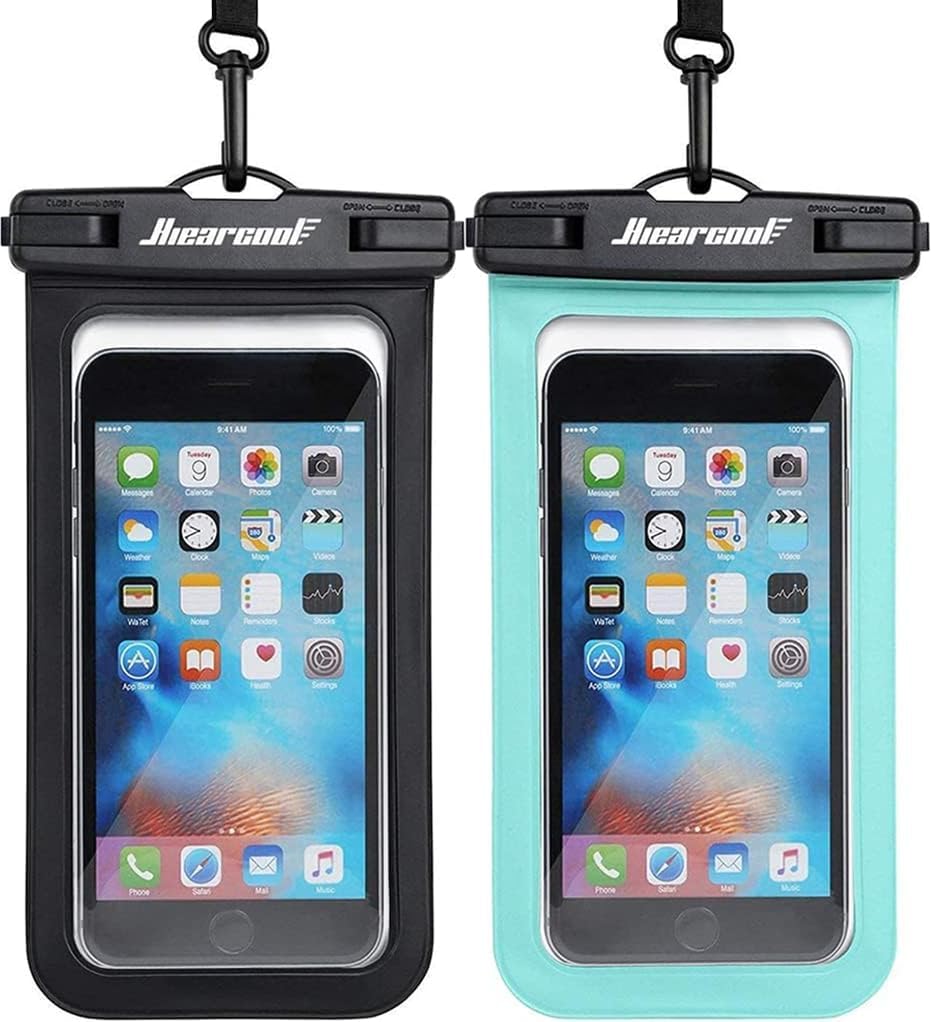
- Storage: a dry bag for phone, wallet, ID, medication, keys, and pass information.
- Emergency items: whistle, small first-aid kit, and a simple plan for separated group members.
What to Pack for a Day on the River
Pack light, but do not under-pack water, sun protection, or safety gear. Potable water may not be available at river recreation sites, so bring more drinking water than you think you need.
| Category | What to Bring | Why It Matters |
|---|---|---|
| Safety | Life jacket, whistle, first-aid kit | Helps with flotation, signaling, and small injuries. |
| Sun protection | Mineral sunscreen, hat, UV shirt, sunglasses with retainer | Reduces sunburn risk during long, exposed floats. |
| Foot protection | Water shoes or old sneakers | Protects your feet from rocks, hot ground, and sharp debris. |
| Hydration and food | Drinking water, electrolyte drink, easy snacks | Heat, sun, and moving water can drain energy quickly. |
| Dry storage | Dry bag, waterproof phone pouch, zip bags | Keeps keys, ID, medication, and electronics dry. |
| Cleanup | Trash bag and reusable containers | Supports Leave No Trace and keeps glass off the river. |
Route Highlights and Scenic Spots
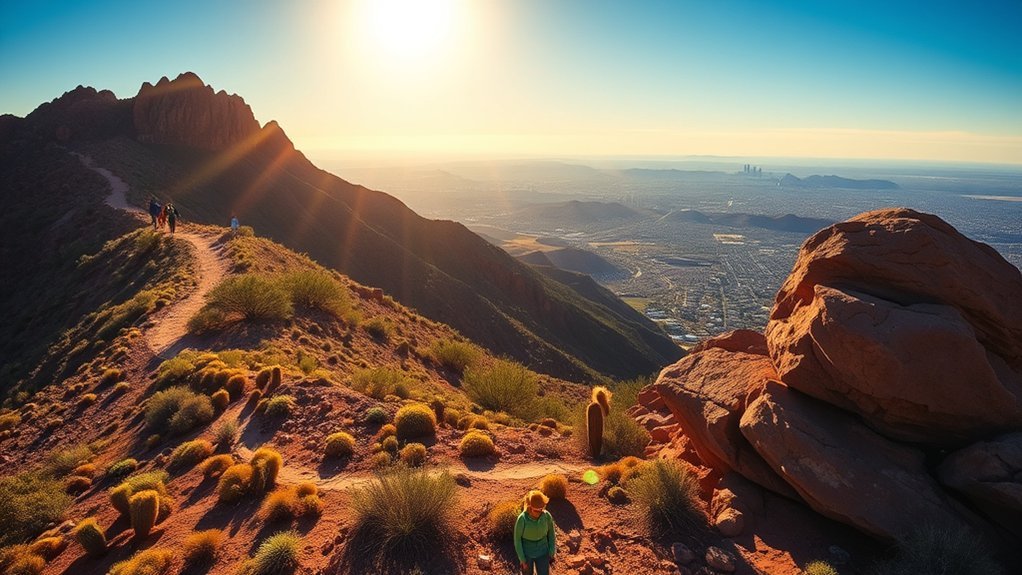
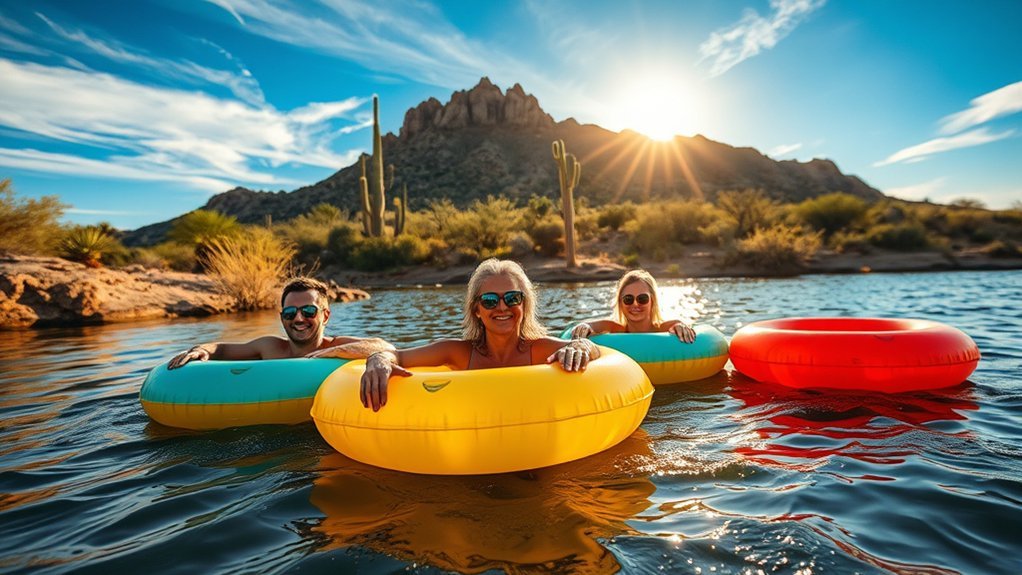
As you float the Lower Salt River, you pass a mix of desert banks, cottonwoods, mesquite, reeds, rocky edges, and saguaro-studded hills. The best moments often happen when your group gets quiet enough to notice birds, horses, shade patterns, and the sound of shallow current moving over stones.
Related Guides
- 25 Best Things to Do in Prescott, Arizona
- Prescott Travel Guide: Top Attractions, Itineraries & Tips
- Best Restaurants in Prescott: Courthouse Plaza Dining Guide
Frequently Asked Questions
Do You Need a Permit to Tube the Salt River?
You do not need a separate float permit for the Lower Salt River near Mesa. You usually need a Tonto pass if you park at Forest Service recreation sites. Do not confuse this with the Upper Salt River Canyon Wilderness, which has separate seasonal boater permit rules.
How Long Does Salt River Tubing Take?
Float time depends on your start point, take-out point, wind, and water flow. Many casual floats take about 2 to 4 hours. Shorter DIY routes can run about 2 to 2.5 hours, while longer routes toward Granite Reef can take around 4 hours.
Where Should Beginners Start Tubing on the Salt River?
Beginners should choose a shorter, calmer route and use an outfitter shuttle if they do not want to manage two vehicles. The bridge start offered by Salt River Tubing is generally calmer than starting higher up, but you should always ask about same-day flow before choosing.
Are Life Jackets Required for Salt River Tubing?
Salt River Tubing requires children ages 12 and under to wear life jackets. Adults should also wear a properly fitted U.S. Coast Guard-approved life jacket, especially if they are weak swimmers, floating with kids, or tubing during stronger flows.
Is Glass Allowed on the Lower Salt River?
No. The Forest Service lists no glass containers as a restriction in the Lower Salt River area. Bring reusable plastic or metal bottles instead, and pack out every item you bring to the river.
Can I Bring My Dog Tubing on the Salt River?
Check the current rules for your access point and outfitter before bringing a dog. Pets must stay leashed at some Forest Service recreation sites. If you bring a dog on a DIY float, use a canine life jacket, bring water, and avoid crowded or fast-flow days.
When Is the Best Time to Tube the Salt River?
Late spring through summer is the main tubing window. For a smoother day, go early in the morning or choose a weekday. Summer weekends and holidays can bring long lines, full parking lots, stronger sun, and louder crowds.
Are There Restrooms at Salt River Tubing Launch Points?
Some developed recreation sites, including Water Users and Blue Point, list restrooms, but potable water may not be available. Treat river facilities as limited. Use the restroom before launch, bring hand sanitizer, and check the Forest Service page for your exact site.
Can You See Wild Horses While Tubing the Salt River?
Yes, wild horse sightings are possible along the Lower Salt River. Keep at least 50 feet away, never feed or approach them, and give them room to move along the bank. Your best viewing chances often come during quieter morning or evening periods.
What Should You Bring for Salt River Tubing?
Bring a river-rated tube, U.S. Coast Guard-approved life jacket, water shoes, mineral sunscreen, hat, sunglasses with a retainer, dry bag, drinking water, snacks, whistle, small first-aid kit, ID, pass or reservation details, and a trash bag.
Conclusion
Tubing the Salt River is easy to enjoy when you treat it like a real river trip, not just a lazy afternoon in an inflatable tube. Pick a route you can finish comfortably, confirm your launch and take-out points, bring the right pass or shuttle reservation, and pack for heat, rocks, wildlife, and changing flow.
Your next step is simple: check the current Salt River Tubing schedule or Forest Service site status, choose your route, and build your packing list before the morning of your trip. When the logistics are clear, you can relax, float safely, and enjoy one of the best warm-weather river days near Mesa.