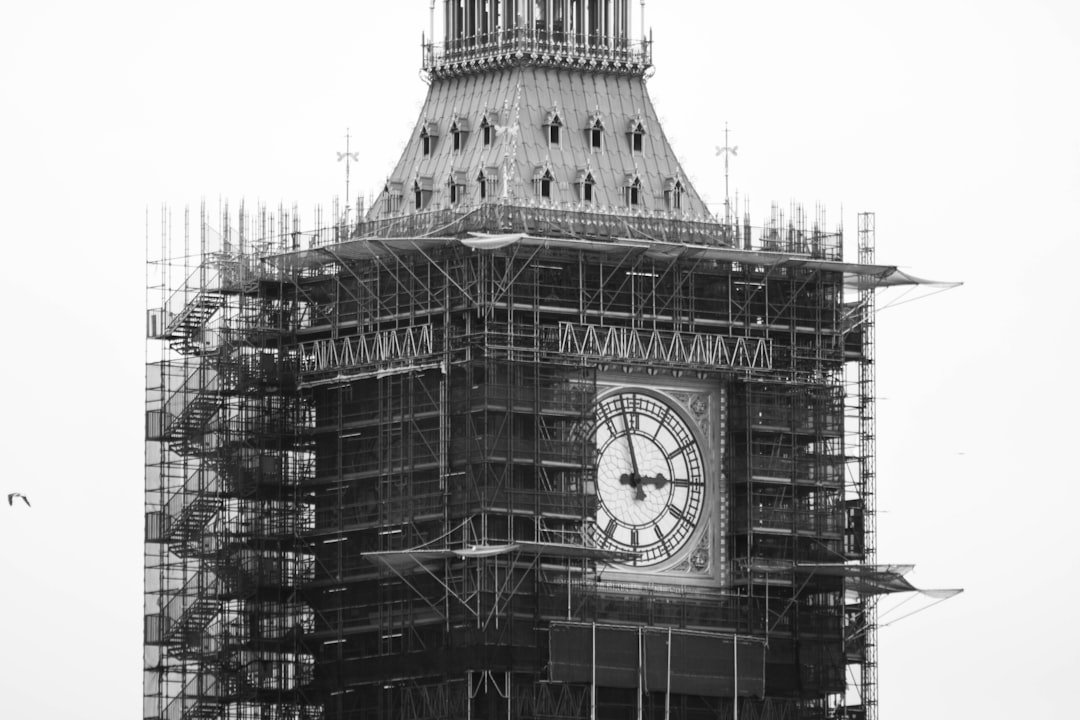
Getting around London is easier when you match the transport mode to the journey. The Tube and Elizabeth line are usually best for longer cross-city trips, buses are useful for shorter journeys and sightseeing, walking works well in central London, and bikes, river services, taxis and private-hire vehicles can fill specific gaps. A little planning can save both time and money.
Quick Answer
For most tourists, the easiest way to get around London is to combine the Tube, Elizabeth line, buses and walking. Use the same contactless card or device for each journey so TfL can calculate the correct fare and applicable cap. Add riverboats, Santander Cycles or taxis when they suit your route.
Key Takeaways
- Use the Tube, Elizabeth line and London Overground for fast travel across larger parts of the city.
- Buses are inexpensive, cover areas away from rail stations and give you street-level views of London.
- Contactless and Oyster pay as you go are easy choices for most visitors, with fare capping on eligible journeys.
- Walking, Santander Cycles and River Bus services can turn transportation into part of your sightseeing.
- Black cabs can be hailed, but minicabs and other private-hire vehicles must be pre-booked through a licensed operator.
Using the London Underground
The London Underground, usually called the Tube, is one of the fastest ways to move between major areas of London. According to Transport for London, the Underground has 11 lines covering about 402 kilometres and serving 272 stations. The first Underground railway opened in 1863, making London home to the world’s first underground railway system.
The network is also famous for its roundel logo and Harry Beck’s simplified Tube diagram. Beck produced his influential design in 1933, using coloured lines and a schematic layout rather than trying to show every journey geographically.
Services are frequent on busy central sections, but exact waiting times vary by line, station, time of day and disruption. Rush-hour trains and platforms can become crowded, especially on weekday mornings and evenings. Let passengers leave the train before boarding, move down inside the carriage when possible and stand on the right on escalators unless station signs say otherwise.
You can use contactless cards or devices and Oyster pay as you go across the Tube. On rail services, touch in at the beginning and touch out at the end so the system can calculate the correct fare.
Pro Tip: Use the same physical card or the same phone/watch for every journey. Touching in with a bank card and touching out with a phone linked to that card can be treated as two separate payment methods and may prevent correct fare calculation or capping.
Which London Transport Option Is Best?
| Transport | Best For | Things to Know |
| Tube | Fast cross-city travel | Can be crowded at peak times; not every station is step-free. |
| Bus | Shorter journeys, sightseeing and areas away from rail stations | Traffic can slow journeys, but fares are simple and the network is extensive. |
| Walking | Central attractions and neighbourhood exploration | Often faster than taking transport between nearby central sights. |
| Santander Cycles | Short rides and active sightseeing | Check current hire charges, docking availability and cycling conditions first. |
| River Bus | Thames views and selected riverside destinations | Usually costs more than a comparable bus journey but offers a very different experience. |
| Black cab | Door-to-door travel, luggage and accessible journeys | More expensive than public transport but can be hailed on the street or taken from a rank. |
Paying for London Transport: Contactless, Oyster and Travelcards
For many visitors, contactless pay as you go is the simplest option. TfL also accepts Oyster and Visitor Oyster cards. These payment methods charge individual journeys and apply daily or weekly caps where eligible, rather than automatically giving you unlimited travel from the moment you start using them.
TfL recommends that visitors always use the same card or device for a journey. On buses and trams you normally touch in only. On the Tube, DLR, London Overground, Elizabeth line and most participating rail journeys, you should touch in at the start and touch out at the end.
A Travelcard is different: it provides unlimited eligible travel within its specified zones and validity period. For many short-term adult visitors, pay as you go with contactless or Oyster can be simpler than buying a Day Travelcard. You can compare current options on TfL’s visitor payment guidance.
Note: Overseas banks may charge foreign transaction fees when you use a non-UK contactless card. Check your card issuer’s charges before relying on it for every journey.
Navigating London by Bus
London’s bus network is one of the most extensive ways to move around the capital. TfL currently manages around 9,000 buses across approximately 675 routes. Buses are especially useful when your destination is not close to a Tube station or when you want to see the streets and neighbourhoods rather than travelling underground.
The red double-decker bus remains strongly associated with London, and sitting upstairs can give you an excellent view of streets, architecture and landmarks along the route. However, buses are ordinary public transport rather than sightseeing services, so traffic and roadworks can affect journey times.
London has dedicated Night Bus routes and selected 24-hour bus services, but not every daytime route runs throughout the night. Check the timetable for the exact route you plan to use.
As of September 2026, the adult pay-as-you-go bus and tram fare is £1.75. The standard Hopper fare allows unlimited bus and tram journeys within one hour of first touching in when you continue using the same payment card or device. Fares can change, so confirm the current price before your trip.
All TfL bus routes use low-floor vehicles with wheelchair-access facilities. Electronic signs at many stops and live arrival information in TfL apps can also make bus journeys easier to plan.
Exploring London on Foot
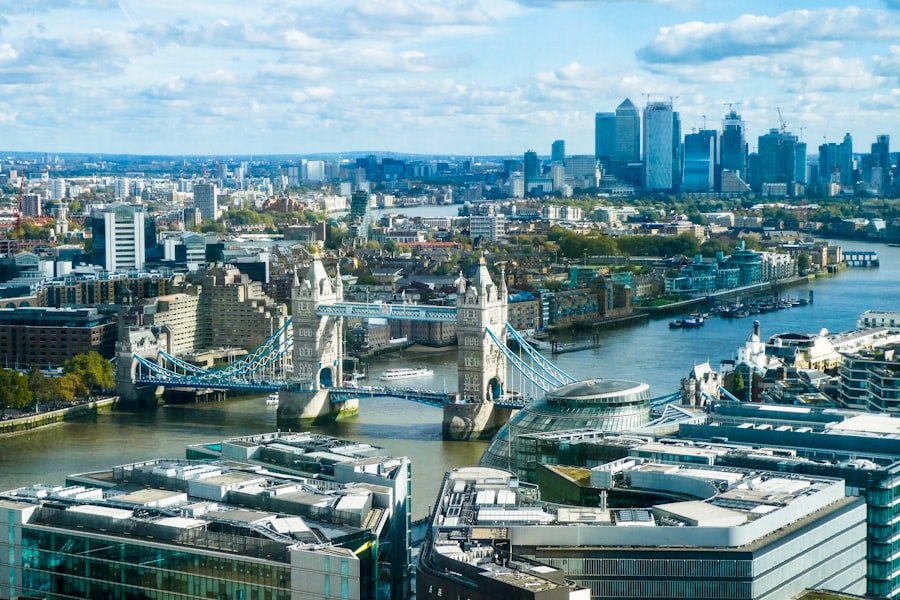
Walking is one of the best ways to experience central London because many famous attractions sit surprisingly close together. A route along the Thames can connect sights such as Tower Bridge, the Houses of Parliament and the London Eye while letting you stop whenever something catches your attention.
The South Bank is particularly suitable for walking, with cultural venues, restaurants, public spaces and river views along much of the route. In other parts of central London, areas such as Covent Garden are packed with shops and restaurants, while Notting Hill is known for colourful streets, residential architecture and markets.
Walking also lets you see details that are easy to miss from a train or bus. Historic lanes, small squares, local cafés and neighbourhood architecture can be part of the journey rather than simply things you pass between attractions.
You can explore independently with a map or navigation app, or join a guided walking tour focused on subjects such as history, architecture, food or film locations. For short journeys in central London, always check the walking time before entering a station; walking may be faster than taking the Tube one stop.
Taking Advantage of London’s Bike Share Program
London’s public bike-hire scheme, Santander Cycles, began in 2010 and is still a practical option for short journeys. TfL currently provides more than 12,000 bikes at around 800 docking stations across inner and central London, including a growing number of e-bikes.
The old rule that the first 30 minutes are free no longer applies. Current TfL pricing lists a standard pedal-bike single ride from £1.65 for up to 30 minutes. A £3.50 Day Pass provides unlimited pedal-bike rides of up to 60 minutes during a 24-hour access period, with extra charges for longer rides. E-bike pricing is different. Check TfL’s current Santander Cycles prices before riding.
The Santander Cycles app can help you find nearby docking stations, check bike availability and hire compatible bikes. Docking availability can change quickly at busy times, so check both your starting point and likely destination before setting off.
Warning: Central London traffic can be challenging if you are not comfortable cycling in a busy city. Use appropriate Cycleways where practical, follow traffic signals and road rules, and choose walking or public transport if the route feels beyond your experience level.
Using London’s Riverboat Services
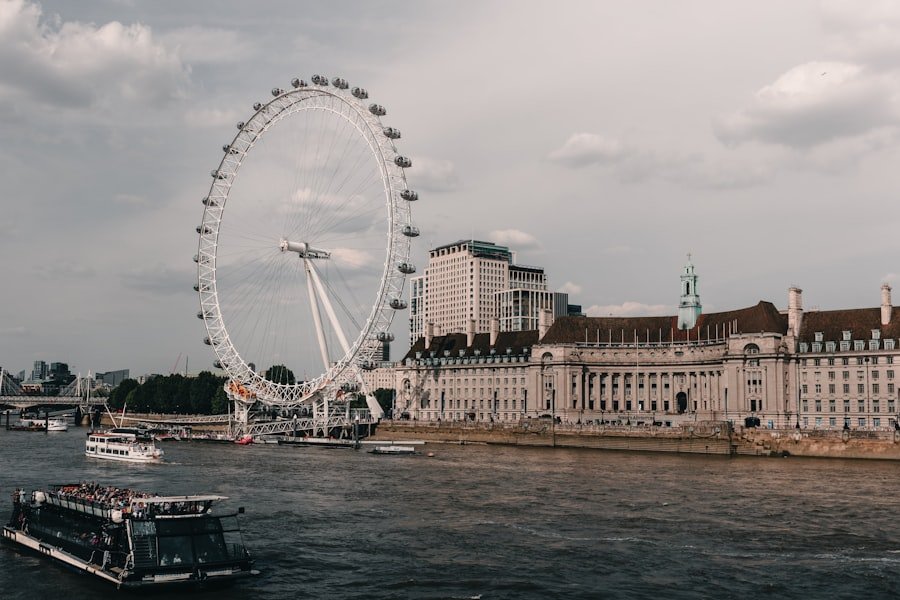
The River Thames is also part of London’s transport network. River Bus services provide a scenic alternative for selected journeys, particularly between major riverside locations. Uber Boat by Thames Clippers operates scheduled River Bus services that connect piers across London.
Routes can give you views of landmarks such as the Tower of London, the Shard, St Paul’s Cathedral, Westminster and Greenwich from the water. They can also avoid road congestion, although the fastest overall option depends on your starting point, destination and pier access.
You can use contactless or Oyster pay as you go on Thames Clippers River Bus services. TfL uses a separate zonal fare system for River Bus journeys, so do not assume the cost will be the same as taking a Tube or bus journey. See TfL’s River Bus guidance for ticketing and current service information.
River services can work especially well when sightseeing around Westminster, the Tower of London, Canary Wharf or Greenwich. Tourist sightseeing cruises also operate on the Thames, but these are different products from the scheduled TfL-linked River Bus network.
Hailing a Black Cab in London
London taxis are commonly called black cabs, but the vehicles do not actually have to be black. Licensed taxis are purpose-built vehicles with identifying licence information and a taxi light. When available for hire, they can be hailed from the street, picked up at designated taxi ranks or booked in advance.
London taxi drivers must pass the Knowledge of London, which tests detailed knowledge of streets, routes and points of interest. That local knowledge can be useful when roads are congested or your destination is difficult to describe using only a postcode.
Taxi fares are regulated by TfL and calculated using a meter according to factors including distance, journey time and time of day. From 25 April 2026, TfL’s minimum taxi fare is £4.40, although the final cost of a trip can be considerably higher. Traffic delays can increase both journey time and fare.
Black cabs are also an important accessible transport option. TfL states that London taxis are wheelchair accessible, and drivers have legal responsibilities when carrying disabled passengers and mobility aids.
Riding in a London Red Double-Decker Bus
The red double-decker bus is both everyday public transport and one of London’s most recognizable sights. Motor double-decker buses have a long history in the capital, but today’s fleet includes many different vehicle designs rather than one single historic model.
If you want street-level sightseeing without paying for a dedicated tour, choose a normal TfL route that passes areas you already plan to visit and take a seat upstairs when one is available. You may get excellent views of landmarks and busy neighbourhoods while paying the normal public-bus fare.
Do not rely on Wi-Fi or charging facilities being available on every bus. Amenities vary by vehicle and route. USB charging ports are fitted to the majority of buses on TfL’s Superloop network, but they are not a guaranteed feature across London’s entire bus fleet.
Because normal buses stop frequently and are affected by traffic, they are best when sightseeing value matters as much as speed. If you have a timed attraction reservation, allow extra time.
Booking a Hop-On, Hop-Off Bus Tour
A hop-on, hop-off sightseeing bus can be useful if you want a simple tourist route linking major attractions without repeatedly planning individual public-transport journeys. These services normally let you leave the bus at designated stops, explore an attraction and board another vehicle later while your ticket remains valid.
Most operators include recorded or live commentary about the landmarks along the route. Some also offer themed services or packages that combine bus sightseeing with cruises or other attractions.
These tours usually cost much more than ordinary TfL buses, so they make the most sense when you value commentary, a curated sightseeing route and the convenience of tourist-oriented stops. Road congestion can still affect journey times.
Before buying a ticket, compare the route with the attractions on your actual itinerary. A hop-on, hop-off ticket provides less value if most of your planned sights are within walking distance or easily reached by Tube.
Using London’s Overground, Elizabeth Line and DLR Services
London’s rail network extends well beyond the Underground. London Overground began operating under TfL in 2007 and connects many neighbourhoods around inner and outer London, often making journeys possible without travelling through Zone 1.
The Elizabeth line is another important option for tourists. It provides fast east-west rail connections through central London and serves Heathrow Airport, Paddington, Tottenham Court Road, Farringdon, Liverpool Street, Canary Wharf and other major locations.
The Docklands Light Railway, or DLR, opened in 1987 and serves areas including Bank, Tower Gateway, Canary Wharf, Greenwich, Stratford, London City Airport, Woolwich Arsenal and Lewisham. TfL describes the DLR as a driverless, computerised railway, although staff are present on trains and throughout the system.
The elevated sections of the DLR provide good views across Docklands and East London. All DLR stations have step-free access, making the system particularly useful for some travellers with luggage, wheelchairs or mobility needs.
Oyster and contactless pay as you go are accepted on the DLR, London Overground and Elizabeth line. Remember to touch in and out using the same payment method.
Exploring London by Taxi or Ride-Share Services
Licensed private-hire services, including app-based ride services and traditional minicabs, provide another door-to-door option. They can be useful late at night, when travelling with luggage, when public transport requires several changes or when your destination is far from a station.
Unlike black cabs, private-hire vehicles cannot legally pick you up simply because you hail them in the street. The journey must be booked in advance through a TfL-licensed private-hire operator. A valid booking should give you information about the assigned driver and vehicle.
Warning: Never enter an unbooked minicab or private-hire vehicle that approaches you on the street. TfL states that these journeys must be booked through a licensed operator. Check that the vehicle registration and driver details match your booking before getting in.
Private-hire fares are set by operators rather than TfL’s black-cab meter system. Apps commonly display a fare or estimate before you confirm the journey, but pricing can rise during periods of high demand. Compare the quoted fare with public transport when cost matters.
Accessibility and Step-Free Travel
Accessibility differs by transport mode and station, so check the exact journey rather than assuming every part of London’s network is step-free. TfL’s accessibility guidance includes step-free information for stations and vehicles.
All London bus routes use low-floor vehicles with a wheelchair space and access ramp. All DLR stations are step-free, while many but not all Tube and London Overground stations offer step-free access. The Elizabeth line has extensive step-free provision, although the exact level of step-free access can vary by station and interchange.
London black cabs have wheelchair ramps and are one of the city’s most consistently accessible door-to-door transport options. If you need assistance, build extra interchange time into your itinerary and check planned closures before leaving.
Travelling Around London With Children
Families should check children’s fare rules before buying separate tickets. TfL allows children under five to travel free with a fare-paying adult. Children under 11 can also travel free on buses and trams and can travel free on several rail modes when accompanied by an eligible adult, subject to TfL’s conditions.
For visitors aged 11 to 15, TfL can apply a Young Visitor discount to an Oyster or Visitor Oyster card for a limited period, reducing eligible pay-as-you-go fares. Ask station staff about the current rules if you are visiting with children in this age group.
Families using contactless should remember that one payment card or device cannot normally be used to pay simultaneously for multiple adults. Each fare-paying passenger needs a separate valid payment method or ticket.
Getting Around London at Night
London continues to have useful transport options after normal daytime services finish. Night Buses operate throughout the week, while Night Tube and Night London Overground services operate on selected routes on Friday and Saturday nights.
Check the exact line and station before assuming overnight rail service is available. Engineering work and planned closures can also affect weekend travel.
If public transport does not suit your journey, use a licensed black cab or a private-hire vehicle that you booked in advance. Never accept an unbooked minicab from a driver who approaches you.
Planning Your Transportation in Advance
Planning your main journeys before each sightseeing day can save time without forcing you into a rigid schedule. Start by grouping attractions that are geographically close. You may discover that several places can be covered on foot rather than through repeated Tube journeys.
For longer trips, compare the Tube, Elizabeth line, London Overground, DLR and bus options. A route that looks shorter on a map is not always faster if it requires several interchanges.
Use TfL Go or TfL’s Journey Planner shortly before travelling to check live departures, planned engineering work, closures and disruptions. Conditions can change after an itinerary is created, particularly on weekends.
If you are using contactless or Oyster, set up your payment method before your first journey and keep it readily accessible. Use the same physical card or device throughout the day so eligible journeys are correctly grouped for fare calculation and capping.
For airport journeys, check the destination airport carefully before choosing transport. Heathrow has direct Elizabeth line and Tube connections, while London’s other airports use different combinations of rail, coach, bus, taxi and private-hire services. Always plan using your exact terminal rather than simply searching for the airport name.
The best London transport strategy is usually not to choose one mode for the whole trip. Combine fast rail for longer distances with buses and walking for shorter sightseeing journeys.
Frequently Asked Questions
What are the best ways to get around London as a tourist?
Most tourists will get the best results by combining the Tube, Elizabeth line, buses and walking. Use London Overground or DLR when they fit your route, and consider Santander Cycles, River Bus services, black cabs or pre-booked private hire for specific journeys.
How does the London Underground work?
The Tube is London’s rapid-transit network. Choose the correct line and direction, change lines where necessary and follow station signs. When paying with contactless or Oyster, touch in at the start and touch out at the end using the same card or device.
Should tourists use contactless, an Oyster card or a Travelcard?
Contactless or Oyster pay as you go is convenient for most visitors because eligible journeys are automatically capped. A Visitor Oyster card works in a similar pay-as-you-go way. Travelcards provide unlimited eligible travel within their validity period and zones. Compare current TfL prices for your itinerary before buying.
Is it easy to walk around London as a tourist?
Yes. Many central London attractions are close enough to combine on foot, especially around Westminster, Covent Garden, the South Bank and the City. Check walking times before taking the Tube for very short journeys.
Can tourists rent bicycles in London?
Yes. Santander Cycles are available across inner and central London. Current standard pedal-bike pricing starts from £1.65 for a ride of up to 30 minutes, and Day Pass options are available. Prices and conditions can change, so check TfL before hiring.
Do London buses accept cash?
No. TfL buses are cashless. Most visitors use a contactless card or device, Oyster card, Visitor Oyster card or another valid ticket or travel pass.
Can I hail an Uber or minicab in London?
No. Only licensed London taxis can be hailed on the street or taken directly from a taxi rank. Minicabs and other private-hire vehicles must be booked in advance through a licensed operator, including through an app.
Is London public transport accessible for wheelchair users?
Many parts of the network are accessible, but step-free availability varies. All TfL bus routes use low-floor accessible vehicles, all DLR stations are step-free and London black cabs have wheelchair ramps. Check the exact stations and interchanges on your route before travelling.
Sources
- Transport for London — What we do — Tube, bus, London Overground, DLR and Santander Cycles network information.
- Transport for London — Best ways for visitors to pay — contactless, Oyster, Visitor Oyster, capping and children’s travel guidance.
- Transport for London — Santander Cycles pricing — current bike hire and Day Pass charges.
- Transport for London — River Bus — Thames Clippers payment and River Bus information.
- Transport for London — Taxis and private hire — taxi licensing, The Knowledge, private-hire booking rules and accessibility.
- Transport for London — Wheelchair access and avoiding stairs — step-free stations, accessible buses, DLR and taxi information.