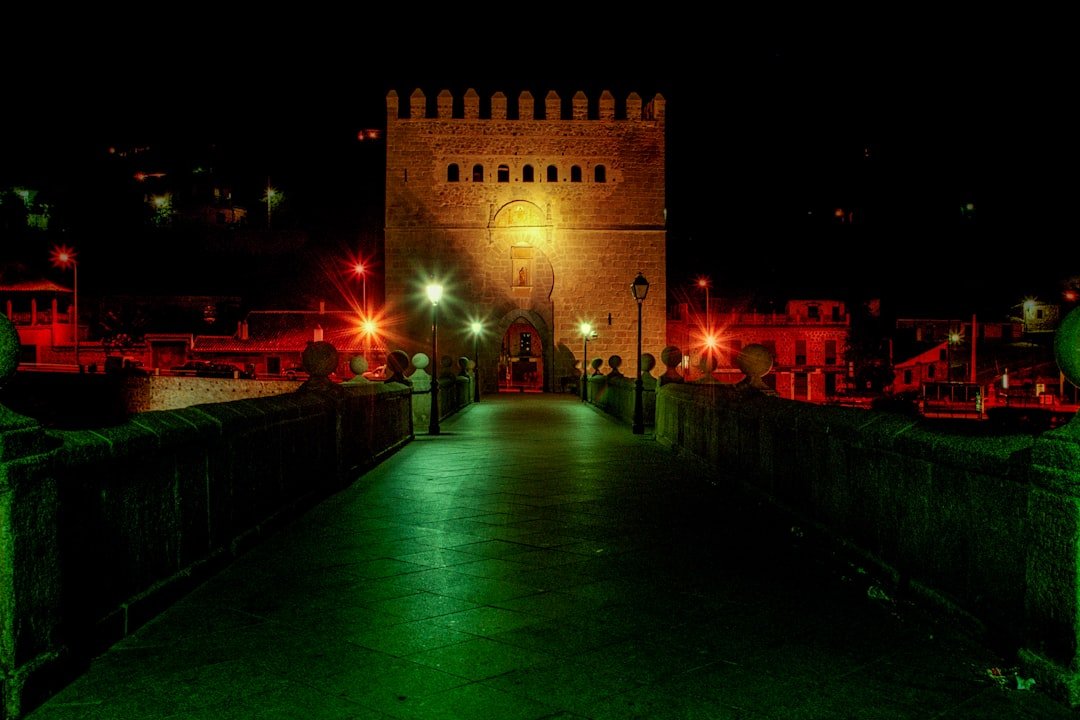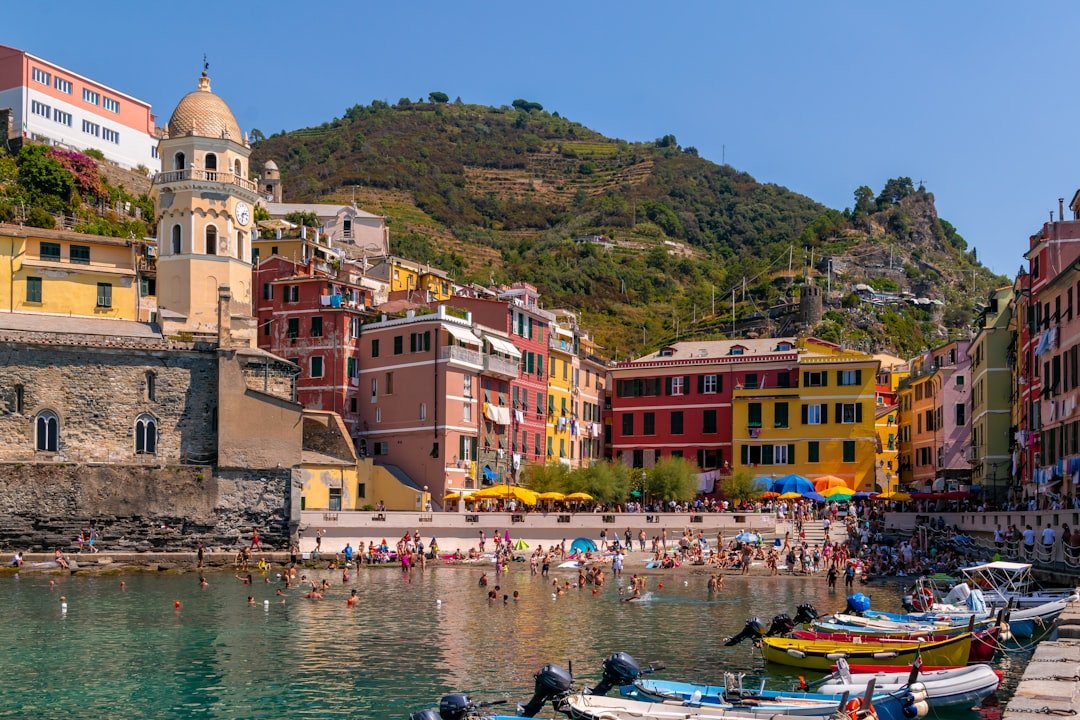
Choosing between Cannaregio and San Marco can shape your entire Venice stay. Cannaregio offers quieter residential streets, historic sights, local bàcari, and convenient access to Venezia Santa Lucia railway station. San Marco puts you much closer to Venice’s most famous landmarks. Both are walkable and well connected by water buses, but they suit different types of travelers.
Quick Answer
Cannaregio is the better all-around base for a calmer stay, easy access from Santa Lucia station, and a more local evening atmosphere. Choose San Marco when your priority is staying steps from St. Mark’s Square, the Basilica, and Doge’s Palace, even if you accept heavier crowds and typically higher lodging prices.
Key Takeaways
- Choose Cannaregio for a quieter neighborhood feel, easier train-station access, canal-side walks, bàcari, and a wider mix of residential streets.
- Choose San Marco if being within easy walking distance of St. Mark’s Square, St. Mark’s Basilica, Doge’s Palace, and other headline sights matters most.
- Both areas are walkable and served by Venice’s ACTV water-bus network.
- San Marco is generally busier around its major attractions, while parts of Cannaregio become noticeably calmer once you leave the main pedestrian routes.
- For many travelers arriving by train, Cannaregio offers the more convenient start and end to a Venice stay.
Location and Accessibility: Cannaregio vs. San Marco
Venice’s historic center works differently from a normal road-based city. Most local movement is on foot or by boat. ACTV describes central Venice as a network of pedestrian routes, canals, and water-bus services, including routes that travel along the Grand Canal. You can check current transport information on the official ACTV website.
Cannaregio stretches across the northern part of Venice and includes the area around Venezia Santa Lucia railway station. That makes it particularly practical if you arrive or leave by train. Staying reasonably close to the station can also reduce the number of bridges you need to cross while carrying luggage.
San Marco has a different convenience advantage: it puts you close to the city’s biggest sightseeing cluster. St. Mark’s Square, St. Mark’s Basilica, Doge’s Palace, the Correr Museum, the Clock Tower, and the Bell Tower are all in or immediately around the sestiere. The official Venezia Unica San Marco guide lists many of these attractions.
Pro Tip: If you are carrying large suitcases, do not judge a Venice hotel only by straight-line distance on a map. Check the actual walking route and number of bridges between your arrival point, vaporetto stop, and hotel.
For travelers with reduced mobility, neither neighborhood should be judged by distance alone. Venice has bridges and routes with different accessibility levels, and water transport can make some areas much easier to reach than a walking map suggests. Venezia Unica publishes official accessible Venice information and itineraries.
Historical and Cultural Significance
Cannaregio: Jewish Heritage, Churches, and Local Venice
Cannaregio has substantial cultural depth beyond its reputation as a convenient place to stay. The official Venezia Unica guide highlights the historic Ghetto of Venice, Ca’ d’Oro, Madonna dell’Orto, Santa Maria dei Miracoli, and several other Gothic and Renaissance sites throughout the district.
The neighborhood’s appeal is also found between its major monuments. Narrow calli, canals, residential buildings, small squares, churches, and long stretches of fondamenta make it easier to experience Venice away from the most concentrated sightseeing zones. The official Cannaregio guide also notes the district’s taverns and bàcari, which are an important part of its social character.
San Marco: Venice’s Monumental Center
San Marco is where Venice’s political, religious, and ceremonial history is most immediately visible. St. Mark’s Square forms the heart of the district, surrounded by some of the city’s most recognizable architecture.
If your visit is short and your sightseeing list centers on St. Mark’s Basilica, Doge’s Palace, the Campanile, Museo Correr, Teatro La Fenice, and nearby Grand Canal sights, staying in San Marco can save considerable backtracking.
Cannaregio gives you more neighborhood atmosphere; San Marco gives you the highest concentration of Venice’s headline monuments.
Dining and Entertainment Options
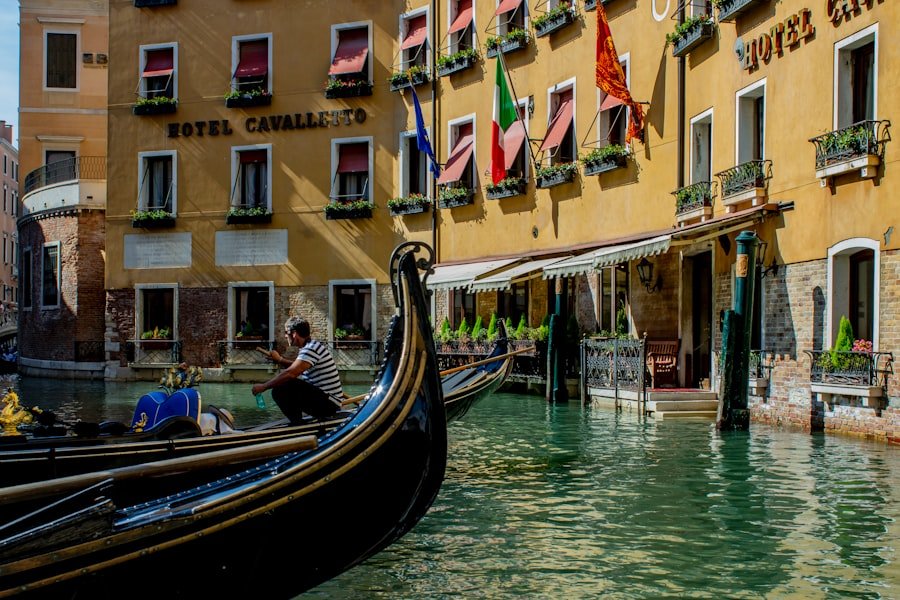
Cannaregio is a strong choice for travelers who want food and drink to feel like part of the neighborhood rather than an extension of a sightseeing circuit. The district has many bàcari and taverns where you can stop for cicchetti, wine, or an aperitivo. Areas away from the busiest paths can feel especially relaxed in the evening.
San Marco has an enormous range of restaurants, cafés, hotel bars, and more formal dining choices. Its central location also makes it convenient for an evening at Teatro La Fenice or a late walk through the illuminated streets around St. Mark’s Square.
The tradeoff is location versus atmosphere. Restaurants immediately beside major San Marco landmarks naturally cater to large numbers of visitors. Walking a few streets away from the busiest squares can make a noticeable difference to both atmosphere and choice.
Note: Neither Cannaregio nor San Marco should be chosen mainly for nightclub-style nightlife. Venice’s evening appeal is more about restaurants, wine bars, cafés, theaters, canal-side walks, and late-evening atmosphere.
Accommodation Choices
| Accommodation Choice | Cannaregio | San Marco | Best Fit |
|---|---|---|---|
| Hotels | Broad mix near the station, main pedestrian routes, canals, and quieter residential areas | Excellent landmark access, including many central and upscale properties | San Marco for sightseeing convenience; Cannaregio for balance |
| Apartments | Good choice for travelers wanting a more residential base or longer stay | Very central but often surrounded by busier visitor areas | Cannaregio for neighborhood feel |
| Hostels and budget stays | Often the more practical area to search, especially near rail-arrival routes | Budget options exist, but prime-location properties can carry a location premium | Cannaregio for value-oriented travelers |
Exact accommodation prices change by season, weekday, event calendar, booking lead time, room type, and individual property. For that reason, a fixed neighborhood price range can become misleading quickly.
Instead, compare properties for your actual travel dates. San Marco frequently commands a premium for immediate landmark access, while Cannaregio can offer a broader balance between location, atmosphere, and price. There are exceptions in both directions, especially for luxury hotels and high-demand dates.
Shopping and Markets
Cannaregio combines practical local shopping with stores aimed at visitors. Its busier pedestrian corridors contain a mix of everyday shops, cafés, boutiques, souvenir stores, and services, while quieter side streets feel more residential.
San Marco offers denser visitor-oriented shopping. Around its central streets you will encounter Venetian souvenirs, international brands, boutiques, jewelry, glassware, and higher-end retail. It is convenient if shopping is part of your sightseeing day because major commercial streets sit close to Venice’s central attractions.
For travelers who prefer browsing while exploring a neighborhood, Cannaregio often feels less concentrated. For those looking for shopping immediately beside famous landmarks and upscale hotels, San Marco is more convenient.
Outdoor Spaces and Recreation
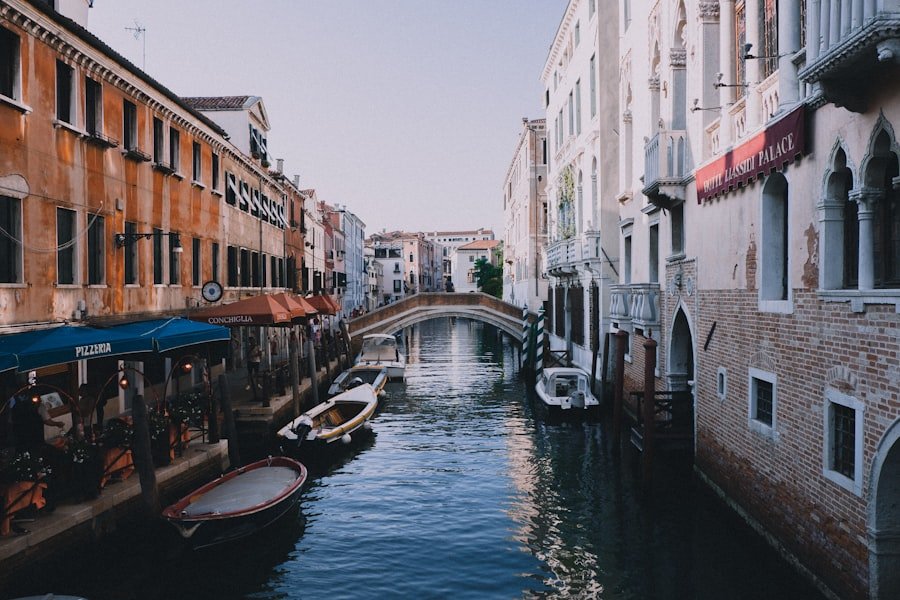
Urban Oases
Venice is not a destination where neighborhood choice revolves around large urban parks, but Cannaregio does offer small green spaces and quieter areas away from the busiest visitor routes. Venezia Unica lists Savorgnan Park among Cannaregio’s places of interest.
San Marco’s appeal is more architectural and waterfront-focused. Its open squares and views across the Bacino di San Marco provide a dramatic outdoor setting, although the central sightseeing zone can become very busy during popular visiting hours.
Recreational Activities
Walking is one of the best ways to experience either district. Cannaregio rewards unhurried exploration along canals, bridges, fondamenta, and residential lanes. San Marco makes it easy to combine short walks with a dense sequence of museums, churches, squares, shops, and waterfront views.
A vaporetto ride can also function as sightseeing as well as transportation. ACTV’s central routes travel through important waterways, including the Grand Canal corridor, giving travelers a different perspective on Venice.
Connecting with Nature
Cannaregio’s northern side opens toward the lagoon, giving parts of the district a more spacious waterside feeling. San Marco faces the Bacino di San Marco, where the waterfront opens toward San Giorgio Maggiore and the lagoon.
Neither neighborhood is a nature destination in the conventional sense, but both make water, changing light, tides, and the lagoon an everyday part of the travel experience.
Tourist Crowds and Atmosphere
San Marco contains some of Venice’s most famous sights, so crowd intensity is one of its biggest tradeoffs. Streets around St. Mark’s Square and other major visitor routes can feel extremely active during busy periods.
That does not mean San Marco is unpleasant. Staying nearby gives you an important advantage: you can experience the area early in the morning and later in the evening, when many day visitors are absent and the atmosphere can feel very different.
Cannaregio generally offers more opportunities to escape the largest sightseeing crowds. However, it is not uniformly quiet. Routes around the railway station, Strada Nova, and other popular corridors can be busy. Moving into the district’s side streets and northern sections usually creates a more residential feel.
Pro Tip: If you stay in San Marco, visit St. Mark’s Square early in the morning and return again after dinner. Being able to see the district outside the busiest sightseeing hours is one of the strongest reasons to pay for a central location.
Budget and Cost Considerations
Your neighborhood affects your Venice budget, but accommodation category and travel dates matter just as much. San Marco’s proximity to internationally famous landmarks often creates a location premium, especially for hotels immediately around the central sightseeing zone.
Cannaregio is not automatically inexpensive, and luxury properties exist there too. However, the district generally gives budget-conscious travelers more room to compare hotels, apartments, guesthouses, and simpler accommodation without moving to the mainland.
Transportation costs also depend on how you plan to explore. If you enjoy walking, both districts let you reach many central sights on foot. Travelers using water buses frequently should compare current single-journey and multi-day options directly with ACTV instead of relying on old ticket prices from travel blogs.
2026 Visitor Note: Venice’s 2026 Access Fee trial finished on July 26, 2026. As of September 2026, the official City of Venice FAQ states that no Access Fee payment, exemption proof, or related formality is required until new provisions take effect. During applicable 2026 dates, visitors staying overnight in accommodation within the Municipality of Venice were exempt from paying the Access Fee but had separate exemption procedures. Check the official Access Fee website before a future trip because later-year rules may change.
Which Area Should You Choose?
Choose Cannaregio if:
- You are arriving or departing through Venezia Santa Lucia railway station.
- You prefer a more residential atmosphere outside the busiest tourist core.
- You want easy access to bàcari, canal-side walks, historic churches, and the Venetian Ghetto area.
- You would rather walk to San Marco during the day and return to a calmer neighborhood in the evening.
- You want a broader range of areas to search for value-oriented accommodation.
Choose San Marco if:
- This is your first Venice trip and your sightseeing list is dominated by the major central landmarks.
- You have limited time and want to minimize walking between headline attractions.
- You want St. Mark’s Square, St. Mark’s Basilica, Doge’s Palace, museums, theaters, and central shopping close to your hotel.
- You value the experience of exploring central Venice early and late, outside the busiest daytime periods.
- You do not mind a busier atmosphere or potentially paying more for the location.
For many travelers, Cannaregio provides the stronger balance of convenience, atmosphere, and neighborhood character. San Marco remains the better choice when immediate access to Venice’s most famous sights outweighs concerns about crowds and accommodation cost.
Frequently Asked Questions
What are the main differences between Cannaregio and San Marco in Venice?
Cannaregio is generally more residential and offers quieter streets, local bàcari, historic churches, the Venetian Ghetto area, and convenient access to Santa Lucia station. San Marco is Venice’s best-known monumental district, centered on St. Mark’s Square and many of the city’s most famous attractions.
Which area is better for sightseeing and attractions?
San Marco is generally better if immediate sightseeing access is your priority. St. Mark’s Square, St. Mark’s Basilica, Doge’s Palace, Museo Correr, the Campanile, Teatro La Fenice, and many other central attractions are in or close to the district.
Which area offers a more local Venetian atmosphere?
Cannaregio usually provides more opportunities to experience residential Venice away from the most concentrated sightseeing zones. Its canals, bàcari, churches, quieter lanes, and historic Ghetto area make it particularly appealing to travelers who want neighborhood atmosphere as well as attractions.
Which area has better dining and nightlife options?
Both have plenty of places to eat and drink, but the experience differs. Cannaregio is especially appealing for casual bàcari, cicchetti, and neighborhood evenings. San Marco offers a larger concentration of central restaurants, cafés, hotel bars, theaters, and more formal dining close to major attractions.
Which area is more convenient for transportation and getting around Venice?
It depends on the trip. Cannaregio is usually more convenient for travelers arriving at Venezia Santa Lucia railway station. San Marco is more convenient for walking to Venice’s major central sights. Both districts are served by ACTV water buses and are connected to the rest of the historic city by pedestrian routes.
Is Cannaregio or San Marco better for first-time visitors?
San Marco is a strong choice for a first visit if you have limited time and want the major attractions on your doorstep. Cannaregio is often better if you are comfortable walking and want to combine sightseeing with a quieter neighborhood experience.
Is Cannaregio cheaper than San Marco?
Cannaregio often gives travelers more opportunities to find lower-priced accommodation than the most central parts of San Marco, but there is no fixed rule. Rates depend heavily on property type, season, events, weekday, and booking date, and luxury accommodation exists in both districts.
Sources
- Venezia Unica — Cannaregio — official overview of Cannaregio, its atmosphere, cultural sites, churches, Ghetto, and bàcari.
- Venezia Unica — San Marco — official overview of the San Marco sestiere and its major attractions.
- ACTV — Moving in Venice — official information about Venice’s pedestrian and waterborne public-transport network.
- Venezia Unica — Accessible Venice — official accessibility information and barrier-free itinerary resources.
- City of Venice — Access Fee FAQ — current Access Fee rules, accommodation exemptions, and the end of the 2026 application period.