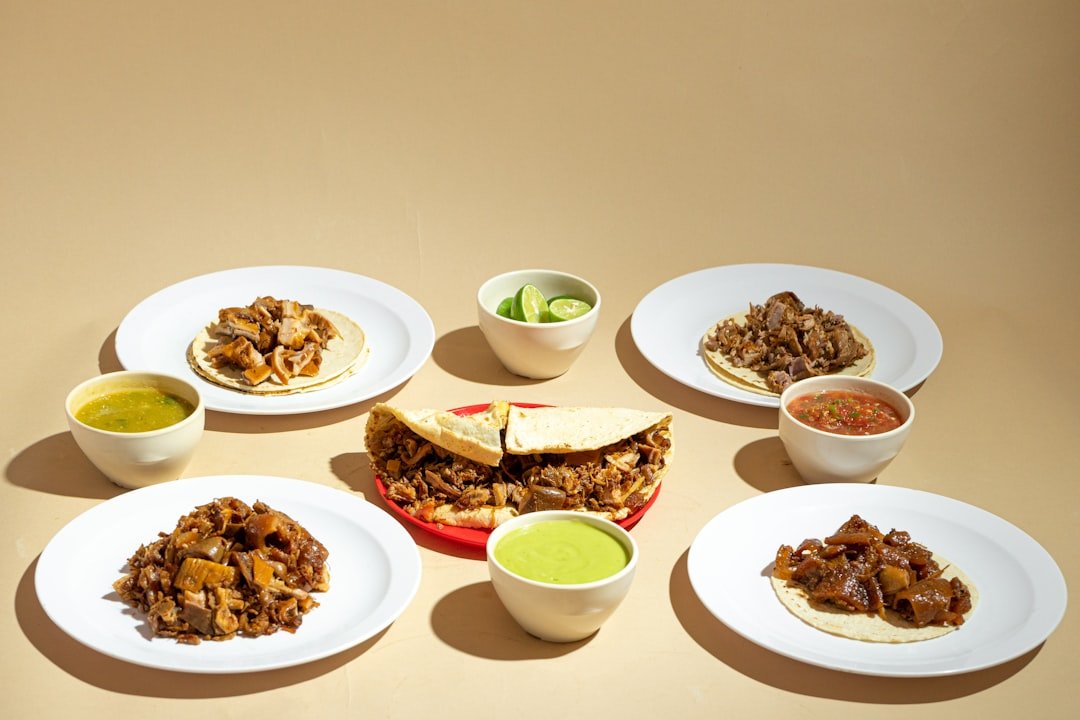
Halal food, which adheres to Islamic dietary laws, has gained significant traction in various parts of the world, including Switzerland. The term “Halal” translates to “permissible” in Arabic, and it encompasses a wide range of dietary guidelines that dictate what is acceptable for Muslims to consume. In Switzerland, a country known for its rich culinary heritage and diverse population, the demand for Halal food has been steadily increasing.
This growth is not only a reflection of the Muslim community’s needs but also an indication of the broader acceptance of multiculturalism within Swiss society. Switzerland’s unique position as a melting pot of cultures, languages, and traditions has fostered an environment where Halal food can thrive. The country is home to a significant Muslim population, primarily consisting of immigrants from Turkey, the Middle East, and North Africa.
As these communities have established themselves in Swiss cities, they have brought their culinary traditions with them, leading to a greater awareness and availability of Halal options. This article delves into the various facets of Halal food in Switzerland, exploring its growth, availability, cultural influences, and future potential.
Key Takeaways
- Halal food in Switzerland is becoming increasingly popular due to the growing Muslim population and the demand for diverse food options.
- Swiss supermarkets and restaurants are increasingly offering Halal food options to cater to the needs of the Muslim community and to tap into the growing Halal food market.
- Halal certification and regulations in Switzerland ensure that the Halal food available in the country meets the necessary standards and requirements.
- Traditional Swiss dishes such as fondue and raclette can be adapted to be Halal, providing Muslim visitors and residents with the opportunity to experience Swiss cuisine.
- Tourists visiting Switzerland can easily find Halal food options in restaurants and specialty stores, making it a welcoming destination for Muslim travelers.
The growth of the Halal food industry in Switzerland
Demographic Changes Drive Demand
According to estimates, Muslims make up approximately 5% of the Swiss population, a figure that has been steadily increasing due to immigration and natural growth. In response to this rising demand, numerous businesses have emerged to cater specifically to the Halal market.
Diversification of the Halal Food Sector
From meat suppliers to restaurants and grocery stores, the Halal food sector has diversified significantly. For instance, major Swiss supermarket chains like Coop and Migros have begun to stock Halal-certified products, ranging from meat and poultry to snacks and frozen foods.
Recognition of Quality and Ethical Standards
This shift not only reflects the changing demographics but also highlights a growing recognition among non-Muslim consumers of the quality and ethical standards associated with Halal products.
The availability of Halal food in Swiss supermarkets and restaurants
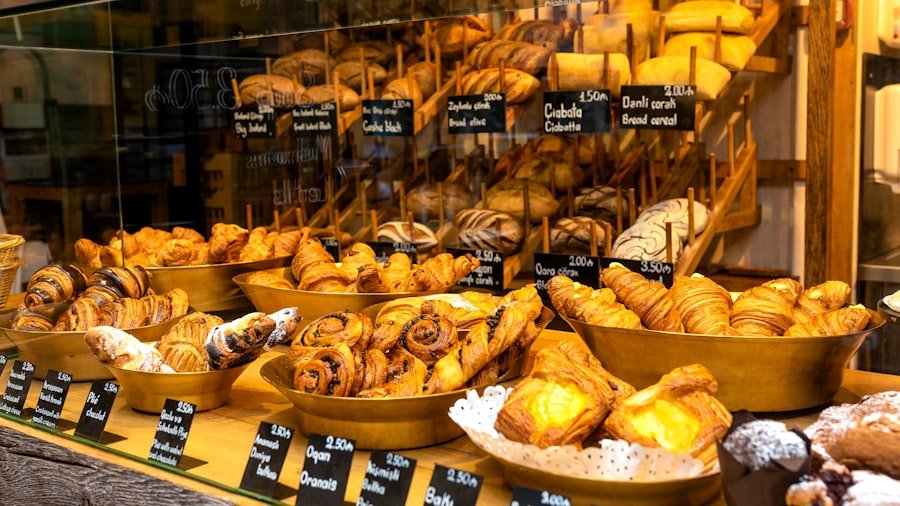
The availability of Halal food in Swiss supermarkets and restaurants has improved dramatically over recent years. Major grocery chains have recognized the importance of catering to diverse dietary needs and have expanded their offerings accordingly. Coop, one of Switzerland’s largest supermarket chains, has introduced a range of Halal-certified products, including fresh meat, poultry, and ready-to-eat meals.
Similarly, Migros has also made strides in this area by providing Halal options in its stores, ensuring that consumers have access to a variety of choices. In addition to supermarkets, the restaurant scene in Switzerland has also adapted to meet the needs of Halal consumers. Cities like Zurich, Geneva, and Bern boast a growing number of eateries that offer Halal options.
From traditional Middle Eastern cuisine to modern fusion dishes, these establishments cater not only to the Muslim community but also attract a diverse clientele interested in exploring new flavors. For example, restaurants such as “Kebap House” in Zurich serve authentic Turkish kebabs made from Halal meat, while “Aladdin” offers a range of Middle Eastern dishes that are fully compliant with Halal standards.
Halal certification and regulations in Switzerland
| Aspect | Details |
|---|---|
| Halal Certification Body | Swiss Council of Islamic Organizations (SCIO) is the main halal certification body in Switzerland. |
| Regulations | Switzerland does not have specific halal regulations, but the Swiss Federal Food Safety and Veterinary Office (FSVO) oversees food safety and labeling. |
| Halal Market | The halal market in Switzerland is growing, driven by the increasing Muslim population and demand for halal products. |
| Challenges | One of the challenges in Switzerland is the lack of standardized halal certification, leading to confusion among consumers and businesses. |
Halal certification is a crucial aspect of the Halal food industry in Switzerland. It ensures that products meet specific Islamic dietary laws and are processed according to established guidelines. Various organizations are responsible for certifying Halal products in Switzerland, each with its own set of standards and procedures.
The Swiss Federal Office for Food Safety and Veterinary Affairs (FSVO) plays a significant role in overseeing food safety regulations but does not specifically regulate Halal certification. Private certifying bodies such as the “Halal Certification Switzerland” (HCS) have emerged to fill this gap. These organizations conduct thorough inspections and audits of food production facilities to ensure compliance with Halal standards.
They also provide training for businesses seeking certification, helping them understand the requirements necessary for their products to be deemed Halal. This certification process is essential for building consumer trust and ensuring that products marketed as Halal genuinely adhere to Islamic dietary laws.
Exploring traditional Swiss dishes that are Halal
While Switzerland is renowned for its cheese fondue and raclette, many traditional Swiss dishes can be adapted to meet Halal standards. For instance, fondue can be made using Halal-certified cheese and served with bread that does not contain any non-Halal ingredients. Similarly, raclette can be enjoyed with Halal meats or vegetables instead of traditional cured meats that may not comply with Islamic dietary laws.
Another popular dish is rösti, a Swiss potato dish that can easily be made Halal by ensuring that any accompanying ingredients are certified. Additionally, many Swiss desserts such as meringues or fruit tarts can be enjoyed without concern for Halal compliance as long as they do not contain alcohol or non-Halal gelatin. The adaptability of these traditional dishes allows for a fusion of flavors while respecting dietary restrictions.
Halal food options for tourists visiting Switzerland
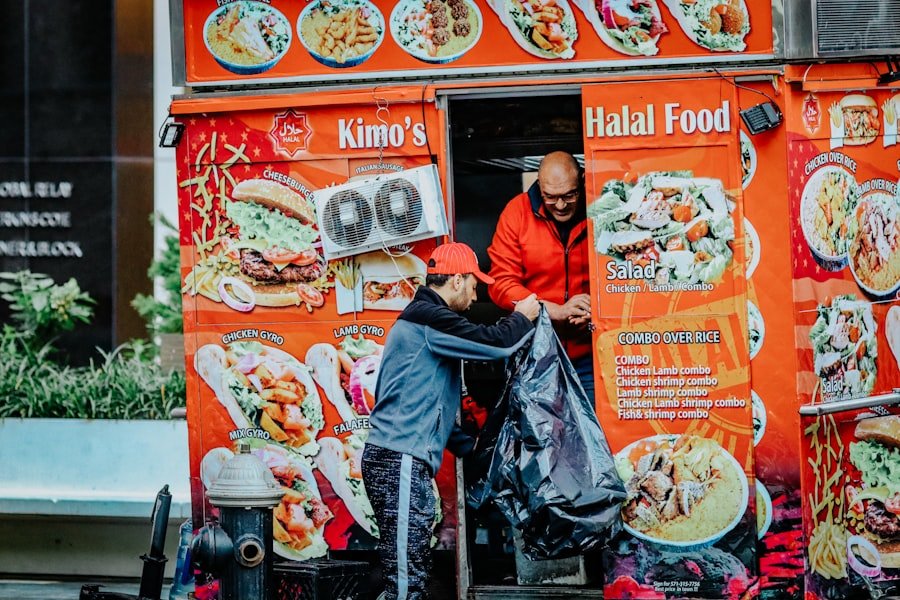
Tourists visiting Switzerland can find an array of Halal food options throughout major cities and tourist destinations. Many hotels and restaurants are increasingly aware of the need to cater to international visitors who may require Halal meals. In cities like Zurich and Geneva, travelers can easily locate restaurants offering Halal cuisine ranging from Middle Eastern fare to Indian dishes.
For instance, tourists exploring Zurich can enjoy dining at “Hiltl,” one of the oldest vegetarian restaurants in the world that offers a variety of Halal options alongside its extensive vegetarian menu. In Geneva, “Café de la Paix” provides a selection of Halal dishes while maintaining a focus on local Swiss ingredients. Additionally, many fast-food chains operating in Switzerland now offer Halal-certified options, making it convenient for tourists seeking quick meals on the go.
The influence of Swiss culture on Halal food in the country
The influence of Swiss culture on Halal food is evident in the way traditional dishes have been adapted to accommodate Islamic dietary laws. The Swiss emphasis on quality ingredients and ethical sourcing aligns well with the principles underlying Halal consumption. As more Swiss chefs experiment with incorporating Halal ingredients into their menus, there is a growing appreciation for the fusion of culinary traditions.
Moreover, local festivals and events often showcase diverse cuisines, including Halal offerings. For example, during multicultural festivals held in cities like Bern or Basel, visitors can sample a variety of dishes from different cultures, including those that adhere to Halal standards. This blending of culinary practices not only enriches the dining experience but also fosters greater understanding and acceptance among different communities within Switzerland.
The impact of immigration on the demand for Halal food in Switzerland
Immigration has played a pivotal role in shaping the demand for Halal food in Switzerland. As immigrants from predominantly Muslim countries settle in urban areas, they bring their culinary traditions with them, creating a vibrant tapestry of flavors and dining options. This influx has led to an increased awareness among local populations about the significance of Halal dietary practices.
The growing Muslim community has prompted businesses to adapt their offerings to meet this demand. For instance, local butchers have begun sourcing Halal-certified meats to cater to their clientele, while grocery stores have expanded their product lines to include more international foods that comply with Halal standards. This shift not only benefits Muslim consumers but also introduces non-Muslim residents to diverse culinary experiences.
Exploring Halal food markets and specialty stores in Switzerland
In addition to mainstream supermarkets and restaurants, specialty stores dedicated to Halal products have emerged across Switzerland. These markets offer a wide range of items specifically tailored for Muslim consumers, including fresh meats, spices, snacks, and pantry staples. Stores like “Al-Madina” in Zurich provide an extensive selection of Halal goods sourced from various regions around the world.
These specialty stores often serve as community hubs where individuals can connect over shared cultural experiences while shopping for familiar ingredients. They also play an essential role in educating consumers about Halal practices by offering information on certification processes and product sourcing. As awareness grows about the importance of ethical consumption among broader audiences, these markets are likely to see increased patronage from non-Muslim customers interested in exploring new culinary options.
The fusion of Halal and Swiss cuisine in modern gastronomy
The fusion of Halal and Swiss cuisine represents an exciting trend within modern gastronomy in Switzerland. Chefs are increasingly experimenting with combining traditional Swiss ingredients with flavors from Middle Eastern or South Asian cuisines to create innovative dishes that appeal to diverse palates. This culinary experimentation not only showcases creativity but also highlights the potential for cross-cultural collaboration.
For example, some restaurants have begun offering dishes like “Halal Zürcher Geschnetzeltes,” which features thinly sliced meat cooked in a creamy sauce served over rice instead of traditional noodles or potatoes. Such adaptations allow diners to enjoy familiar flavors while adhering to dietary restrictions. This trend reflects a broader movement towards inclusivity within the culinary landscape as chefs seek to cater to diverse audiences while celebrating their cultural heritage.
The future of Halal food in Switzerland and its potential for growth
The future of Halal food in Switzerland appears promising as both demand and awareness continue to grow among consumers. With an increasing number of businesses recognizing the importance of catering to diverse dietary needs, there is significant potential for further expansion within this sector. As more Swiss residents become interested in ethical consumption practices and global cuisines, the market for Halal products is likely to flourish.
Moreover, ongoing efforts by certifying bodies to streamline certification processes will enhance consumer confidence in Halal products available on the market. As businesses invest in quality sourcing and transparency regarding their supply chains, they will attract not only Muslim consumers but also those who prioritize ethical considerations when making purchasing decisions. In conclusion, the landscape surrounding Halal food in Switzerland is evolving rapidly due to demographic shifts, cultural influences, and increased awareness among consumers about dietary restrictions and ethical consumption practices.
As this trend continues to develop, it holds great potential for enriching both local culinary traditions and fostering greater understanding among diverse communities within Switzerland.
Switzerland has seen a rise in demand for halal food in recent years, with more and more restaurants and grocery stores catering to the Muslim population. In fact, a recent article on Tagline Today highlighted the growing popularity of halal options in the country. This trend reflects a broader shift towards inclusivity and diversity in Swiss cuisine, as people from all backgrounds seek out delicious and culturally authentic meals.
FAQs
What is halal food?
Halal food refers to food that is prepared and produced according to Islamic dietary laws. This includes the way the animals are raised and slaughtered, as well as the ingredients used in the food products.
Is halal food available in Switzerland?
Yes, halal food is available in Switzerland. There are a growing number of halal restaurants, grocery stores, and food products available in the country to cater to the Muslim population and those who prefer halal food.
How can I find halal food in Switzerland?
You can find halal food in Switzerland by searching for halal restaurants and grocery stores in your area. There are also online resources and apps that can help you locate halal food options in Switzerland.
Are there specific regulations for halal food in Switzerland?
In Switzerland, the production and labeling of halal food are not regulated by the government. However, there are private certification bodies that provide halal certification for food products and establishments.
What are some common halal food options in Switzerland?
Common halal food options in Switzerland include dishes such as kebabs, biryani, falafel, and other Middle Eastern and South Asian cuisines. Additionally, there are halal-certified meat and poultry products available in grocery stores.