The Swiss watch industry is a cornerstone of luxury and precision, renowned globally for its craftsmanship and innovation. Switzerland has cultivated a reputation for producing timepieces that are not only functional but also works of art. The industry is characterized by a rich history that dates back to the 16th century, when the first watchmakers began to establish their craft in Geneva.
Over the centuries, the Swiss watch industry has evolved, adapting to technological advancements while maintaining traditional techniques that emphasize quality and durability. The combination of skilled artisanship and cutting-edge technology has allowed Swiss watches to remain at the forefront of horology. The Swiss watch industry is also marked by its unique structure, which includes a mix of independent manufacturers and large conglomerates.
Brands like Rolex, Patek Philippe, and Swatch Group dominate the market, but there are numerous smaller, independent watchmakers that contribute to the diversity of styles and innovations. The industry is governed by strict regulations, including the “Swiss Made” label, which ensures that a significant portion of the watch’s components and assembly occurs in Switzerland. This label has become synonymous with quality and prestige, making Swiss watches highly sought after by collectors and enthusiasts alike.
Key Takeaways
- The Swiss watch industry is known for its precision, craftsmanship, and heritage, making it a global leader in luxury timepieces.
- Top Swiss watch brands like Rolex, Patek Philippe, and Omega each have their own signature styles, from sporty to classic to avant-garde.
- The best places to buy Swiss watches in Switzerland include authorized dealers, luxury boutiques, and watchmaking workshops in cities like Geneva and Zurich.
- When negotiating for the best deal on Swiss watches, it’s important to do thorough research, compare prices, and be prepared to walk away if the deal isn’t right.
- To spot a fake Swiss watch, look for signs of poor craftsmanship, incorrect logos or engravings, and suspiciously low prices.
- Different types of Swiss watch movements include quartz, mechanical, and automatic, each with its own advantages in terms of accuracy and maintenance.
- When choosing the right Swiss watch for your style and budget, consider factors like design, materials, complications, and brand reputation.
- Caring for your Swiss watch involves regular maintenance, servicing by authorized professionals, and proper storage to ensure its longevity.
- Tourists buying Swiss watches can benefit from tax refunds and duty-free shopping, but it’s important to understand the process and eligibility requirements.
- The history and heritage of Swiss watchmaking date back centuries, with a legacy of innovation, tradition, and iconic timepieces.
- Insider tips for buying Swiss watches as a tourist include seeking out local recommendations, visiting off-the-beaten-path boutiques, and being mindful of import regulations.
Top Swiss Watch Brands and Their Signature Styles
The Iconic Rolex
Rolex, perhaps the most recognized name in luxury watches, is known for its robust designs and precision engineering. The brand’s signature Oyster case, introduced in 1926, revolutionized water resistance in watches. Models like the Submariner and Daytona have become icons in their own right, celebrated for their durability and timeless aesthetics. Rolex watches are often seen as status symbols, embodying success and sophistication.
Patek Philippe: A Legacy of Innovation
Another prominent brand is Patek Philippe, revered for its intricate complications and elegant designs. Founded in 1839, Patek Philippe has a long history of innovation, including the creation of the first wristwatch with a perpetual calendar.
Timeless Craftsmanship
The brand’s commitment to craftsmanship is evident in models like the Calatrava and Nautilus, which showcase exquisite detailing and refined aesthetics. Patek Philippe watches are often considered heirlooms, passed down through generations due to their enduring value and artistry.
The Best Places to Buy Swiss Watches in Switzerland
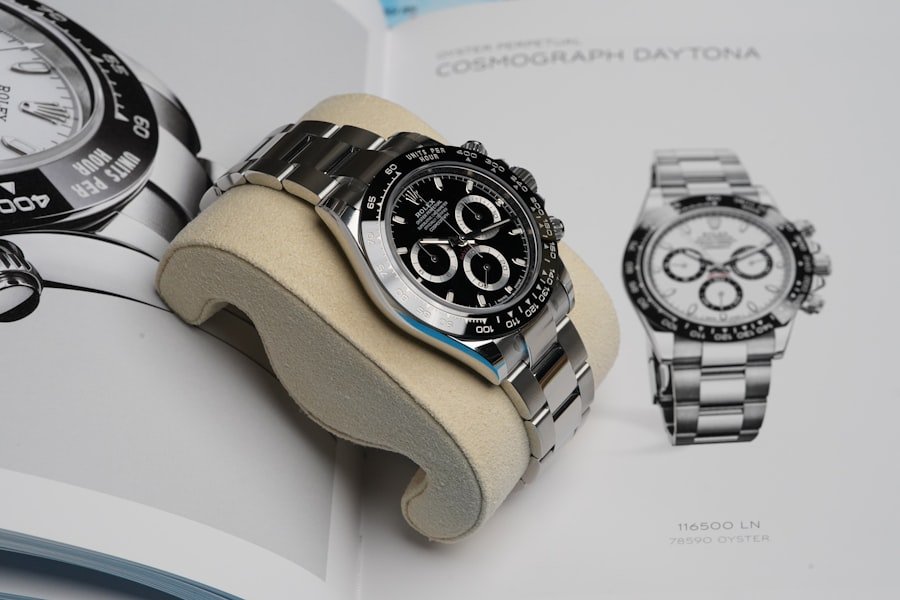
Switzerland offers a plethora of options for purchasing Swiss watches, from high-end boutiques to authorized retailers. One of the most iconic locations is Geneva, often referred to as the watchmaking capital of the world. The city is home to numerous flagship stores for luxury brands such as Rolex, Patek Philippe, and Audemars Piguet.
Shopping in Geneva provides not only access to a wide range of models but also an opportunity to experience the rich history of watchmaking through museum exhibits and guided tours. Another notable destination is Zurich, which boasts a vibrant shopping scene with both luxury boutiques and more affordable options. The Bahnhofstrasse, one of the world’s most exclusive shopping streets, features a variety of watch retailers where customers can explore an extensive selection of Swiss timepieces.
Additionally, smaller towns like Biel/Bienne and La Chaux-de-Fonds are significant for their historical ties to watchmaking and offer unique shops where visitors can find both contemporary and vintage pieces.
Tips for Negotiating the Best Deal on Swiss Watches
| Tip | Description |
|---|---|
| Research | Do thorough research on the specific Swiss watch model you are interested in and its market value. |
| Authorized Dealers | Consider purchasing from authorized dealers to ensure authenticity and warranty. |
| Condition | Inspect the condition of the watch carefully, especially if buying a pre-owned piece. |
| Price Comparison | Compare prices from different sellers to ensure you are getting the best deal. |
| Negotiation | Be prepared to negotiate the price, especially when buying from private sellers or at auctions. |
When purchasing a Swiss watch, especially in a retail environment, negotiation can be an essential skill for securing the best deal. One effective strategy is to do thorough research beforehand. Familiarize yourself with the market prices for specific models you are interested in; this knowledge will empower you during negotiations.
Understanding the rarity or demand for certain pieces can also provide leverage when discussing price with sales representatives. Building rapport with the salesperson can significantly enhance your negotiating power. Engaging in friendly conversation about your interest in watches or sharing your knowledge about the brand can create a positive atmosphere that may lead to better offers.
Additionally, consider timing your purchase strategically; shopping during off-peak seasons or during special sales events can yield discounts or promotional offers that enhance your overall savings.
How to Spot a Fake Swiss Watch
As the demand for Swiss watches continues to rise, so does the prevalence of counterfeit products in the market. Spotting a fake Swiss watch requires keen observation and attention to detail. One of the first indicators is the weight of the watch; authentic Swiss timepieces are typically heavier due to their high-quality materials and intricate movements.
A lightweight watch may raise suspicions about its authenticity. Another critical aspect to examine is the craftsmanship itself. Genuine Swiss watches exhibit impeccable finishing, with smooth edges and precise engravings.
Check for inconsistencies in logos or markings; authentic watches will have clear and well-defined logos that are consistent with the brand’s standards. Additionally, examining the movement through a transparent case back can provide insights into authenticity; genuine Swiss movements are often beautifully decorated and feature intricate details that are difficult to replicate in counterfeit models.
Understanding the Different Types of Swiss Watch Movements
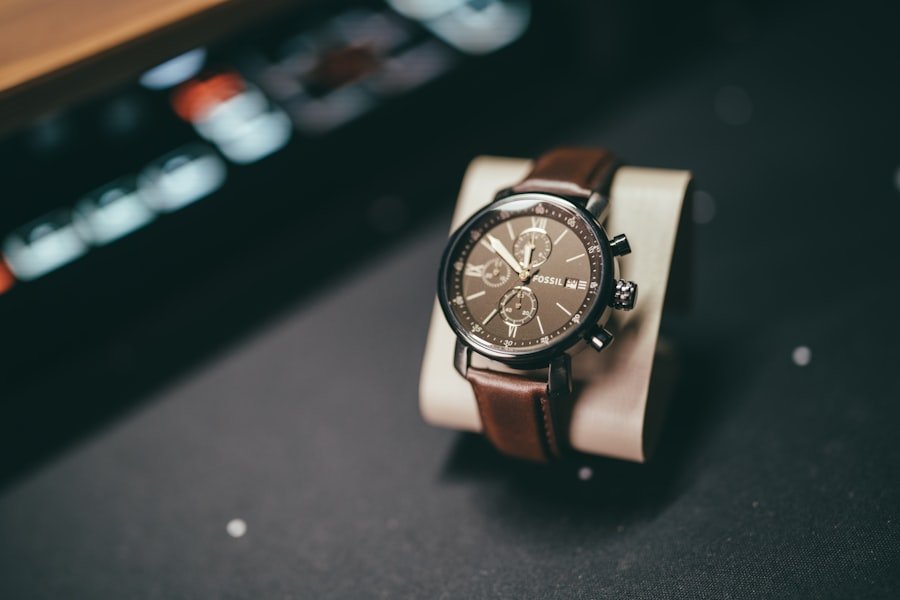
Swiss watches are renowned for their movements, which can be broadly categorized into three types: mechanical, automatic, and quartz. Mechanical movements are powered by a mainspring that must be wound manually. These movements are celebrated for their craftsmanship and complexity, often featuring intricate gears and complications that showcase the artistry of watchmaking.
Automatic movements, on the other hand, are a subset of mechanical movements that harness kinetic energy from the wearer’s wrist motion to wind the mainspring automatically. This innovation allows for continuous operation without manual winding while still retaining the charm of traditional craftsmanship. Brands like Seiko have popularized automatic movements with their innovative designs.
Quartz movements represent a different approach altogether, utilizing battery power to drive a quartz crystal oscillator that regulates timekeeping with remarkable accuracy. While quartz watches may lack some of the romanticism associated with mechanical timepieces, they offer unparalleled precision and require less maintenance. Many luxury brands have embraced quartz technology in specific models to cater to consumers seeking reliability alongside elegance.
Choosing the Right Swiss Watch for Your Style and Budget
Selecting the perfect Swiss watch involves considering both personal style and budget constraints. The first step is identifying your preferences regarding design elements such as case size, material (stainless steel, gold, or ceramic), and strap type (metal bracelet or leather). For instance, individuals who prefer a classic look may gravitate towards traditional dress watches with minimalist dials and leather straps, while those seeking a sporty aesthetic might opt for chronographs or dive watches with robust features.
Budget plays a crucial role in narrowing down options as well. Swiss watches can range from several hundred dollars for entry-level models from brands like Tissot or Longines to several million dollars for limited-edition pieces from prestigious houses like Patek Philippe or Richard Mille. It’s essential to set a realistic budget before exploring options; this will help streamline your search while ensuring you find a timepiece that aligns with your financial parameters.
Caring for Your Swiss Watch: Maintenance and Servicing
Proper care and maintenance are vital for preserving the longevity and functionality of your Swiss watch. Regular servicing is recommended every three to five years, depending on the brand and model. During these service intervals, professional watchmakers will clean the movement, replace worn parts, and ensure that all components function correctly.
This proactive approach helps prevent potential issues that could arise from neglecting maintenance. In addition to professional servicing, daily care practices can significantly impact your watch’s condition. Avoid exposing your timepiece to extreme temperatures or magnetic fields, as these factors can disrupt its accuracy over time.
Regularly cleaning your watch with a soft cloth can help maintain its luster while preventing dirt buildup on both the case and strap. For water-resistant models, ensure that gaskets are intact by having them checked during servicing; this will help maintain water resistance over time.
Tax Refunds and Duty-Free Shopping for Tourists Buying Swiss Watches
For tourists purchasing Swiss watches, understanding tax refunds and duty-free shopping options can lead to significant savings. Switzerland imposes a value-added tax (VAT) on goods sold within its borders; however, non-residents may be eligible for VAT refunds when they export goods outside of Switzerland. To qualify for this refund, tourists must present their passport at the point of purchase and request a tax-free form from the retailer.
When leaving Switzerland, travelers should present their tax-free forms along with their purchased items at customs to receive their VAT refund. This process can vary slightly depending on individual circumstances; thus, it’s advisable to familiarize oneself with specific requirements before traveling. Additionally, some airports offer duty-free shopping options where travelers can purchase luxury items without incurring VAT charges altogether.
The History and Heritage of Swiss Watchmaking
The history of Swiss watchmaking is steeped in tradition and innovation that has shaped not only Switzerland’s economy but also its cultural identity. The craft began in earnest during the 16th century when Protestant exiles from France brought their skills to Geneva amidst religious turmoil. This influx of talent laid the foundation for what would become one of the most prestigious watchmaking regions in the world.
Throughout history, Swiss watchmakers have been at the forefront of technological advancements in horology. The introduction of key innovations such as the escapement mechanism in the 17th century revolutionized timekeeping accuracy. The 19th century saw further developments with mass production techniques that allowed for greater accessibility while maintaining quality standards.
The establishment of organizations like the Geneva Seal in 1886 further solidified Switzerland’s reputation as a leader in luxury watchmaking by ensuring rigorous quality control measures were upheld across brands.
Insider Tips for Buying Swiss Watches as a Tourist
For tourists looking to purchase Swiss watches during their visit, several insider tips can enhance their experience and ensure they make informed decisions. First and foremost, consider visiting during special events such as Baselworld or SIHH (Salon International de la Haute Horlogerie), where many brands showcase their latest collections. These events provide an opportunity to see new releases firsthand while interacting with industry experts who can offer valuable insights.
Additionally, take advantage of local knowledge by seeking recommendations from hotel concierges or local watch enthusiasts who can guide you toward reputable retailers or hidden gems off the beaten path. Engaging with local communities through forums or social media groups dedicated to horology can also yield helpful advice on where to find specific models or deals tailored to tourists. Lastly, don’t hesitate to ask questions about warranties or after-sales service when making a purchase; understanding these aspects will ensure peace of mind long after leaving Switzerland with your new timepiece in hand.
If you’re interested in exploring the world of luxury watches, you may also enjoy reading about the delightful world of Asian melon. This article discusses the various types of Asian melons and their unique flavors, making it a fascinating read for food enthusiasts. Check it out here!
FAQs
What are Swiss watches?
Swiss watches are timepieces that are manufactured in Switzerland and are known for their high quality, precision, and craftsmanship. They are often considered luxury items and are highly sought after by watch enthusiasts around the world.
Why are Swiss watches popular among tourists?
Swiss watches are popular among tourists because of their reputation for quality and craftsmanship. Many tourists visit Switzerland specifically to purchase a Swiss watch as a souvenir or luxury item.
Where can tourists buy Swiss watches in Switzerland?
Tourists can buy Swiss watches from authorized retailers, watch boutiques, and department stores in Switzerland. They can also purchase watches from duty-free shops at airports and popular tourist destinations.
What should tourists consider when buying Swiss watches in Switzerland?
Tourists should consider the authenticity of the watch, the reputation of the seller, the warranty and after-sales service, and the value-added tax (VAT) refund process when buying Swiss watches in Switzerland.
Are there any duty-free options for buying Swiss watches in Switzerland?
Yes, tourists can purchase Swiss watches from duty-free shops at airports and popular tourist destinations in Switzerland. These shops often offer tax-free prices for international travelers.