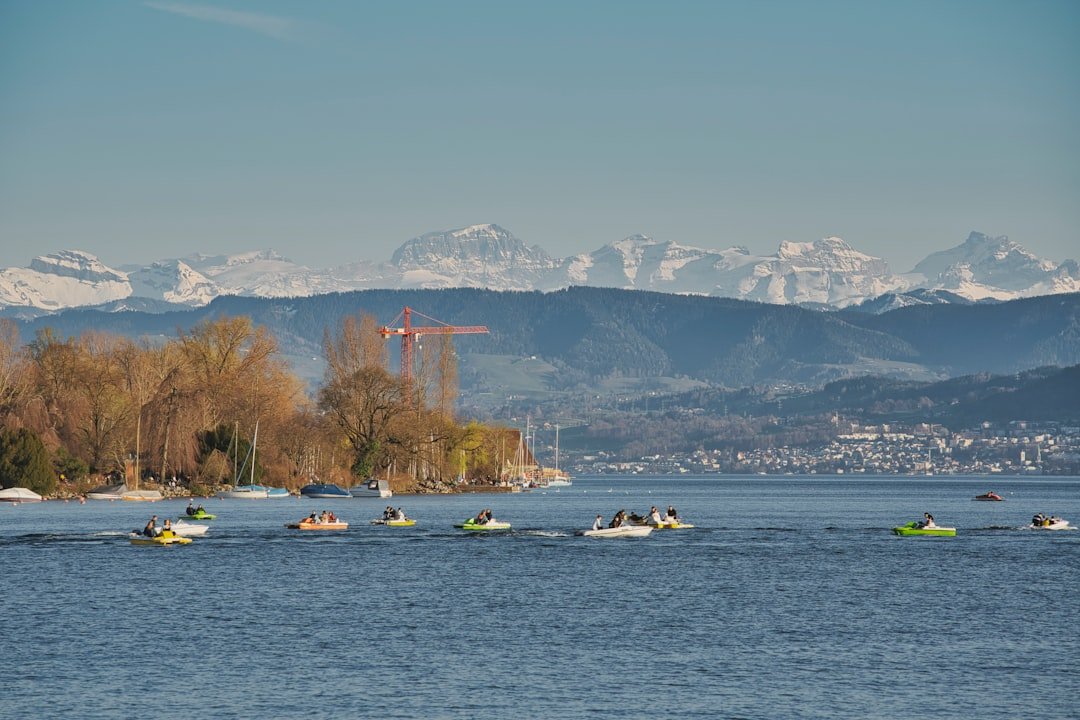
Lake Geneva, also known as Lac Léman, combines lively Swiss cities, vineyard-covered hills, historic lakeside towns, mountain views, and easy boat and rail travel. The lake stretches for about 73 kilometers between Switzerland and France, so the best trip depends on whether you want city sightseeing, wine country, cruises, hiking, or a slower stay along the Swiss Riviera.
Quick Answer
For a first Lake Geneva trip, spend two to four days between Geneva, Lausanne, Lavaux, Vevey, and Montreux. Cruise part of the lake, visit Chillon Castle, walk through the Lavaux vineyards, and use trains for most transfers. Geneva suits city travelers, while Montreux or Vevey works well for scenery and slower lakeside days.
Key Takeaways
- Lake Geneva is shared by Switzerland and France and covers about 580 square kilometers.
- Top sights include Geneva’s Jet d’Eau, Chillon Castle, Lausanne, Montreux, Vevey, and the UNESCO-listed Lavaux vineyards.
- Trains are usually the easiest way to move between Swiss lakeside towns, while CGN boats turn transportation into a sightseeing experience.
- Geneva is best for urban sightseeing, Lausanne for museums and a central location, and Vevey or Montreux for a relaxed Swiss Riviera atmosphere.
- Summer offers the widest choice of lake activities, while spring and autumn can work well for sightseeing, vineyards, and hiking.
Lake Geneva covers about 580 km² and reaches a maximum depth of 309.7 metres, according to the International Commission for the Protection of Lake Geneva.
Top Attractions and Activities Around Lake Geneva
The Lake Geneva region has enough variety to fill anything from a weekend to a longer Swiss itinerary. Instead of trying to circle the entire lake in one day, choose a few neighboring areas and connect them by train or boat.
Geneva Waterfront and Jet d’Eau
Geneva’s best-known waterfront landmark is the Jet d’Eau. The fountain normally sends water about 140 metres into the air and can be seen from many points around the harbor.
Walk through the Jardin Anglais to see the Flower Clock, then continue along the waterfront or into Geneva’s Old Town. The Flower Clock changes with seasonal planting, so its appearance varies throughout the year.
Chillon Castle and the Montreux Riviera
A visit to Chillon Castle is one of the region’s strongest choices for history. The medieval complex stands on a rocky island beside the lake near Montreux and contains courtyards, halls, underground spaces, defensive structures, and centuries of history connected with Savoy, Bern, and Vaud.
Combine the castle with time in Montreux rather than treating it as a separate long excursion. The lakeside promenade is one of the easiest places to enjoy the Alpine setting without committing to a hike.
Lavaux Vineyard Terraces
Between Lausanne and the eastern end of the lake, the Lavaux vineyard terraces create one of the most distinctive landscapes in the region. UNESCO describes the vineyard landscape as extending for about 30 kilometers along the northern shore.
You can explore parts of Lavaux on foot, by local train, or through organized cellar visits. Popular wine villages include Cully, Epesses, Rivaz, and Saint-Saphorin. Chasselas is particularly associated with the region.
Take a Lake Geneva Cruise
A boat ride is both transportation and sightseeing. CGN operates passenger services around Lake Geneva, including tourist cruises and cross-lake routes. Depending on the season and timetable, boats connect places such as Geneva, Lausanne, Vevey, Montreux, Chillon, Évian-les-Bains, Thonon-les-Bains, and Yvoire.
Pro Tip: Use the train in one direction and a boat in the other when the timetable works. You get efficient transportation plus a different view of the vineyards, towns, and mountains.
Lausanne and the Olympic Museum
Lausanne deserves more than a quick station change. Its steep streets lead down toward Ouchy, the city’s lakeside district. The Olympic Museum sits beside the lake and covers the history, athletes, equipment, ceremonies, and culture of the Olympic Games.
Best Places to Stay Around Lake Geneva
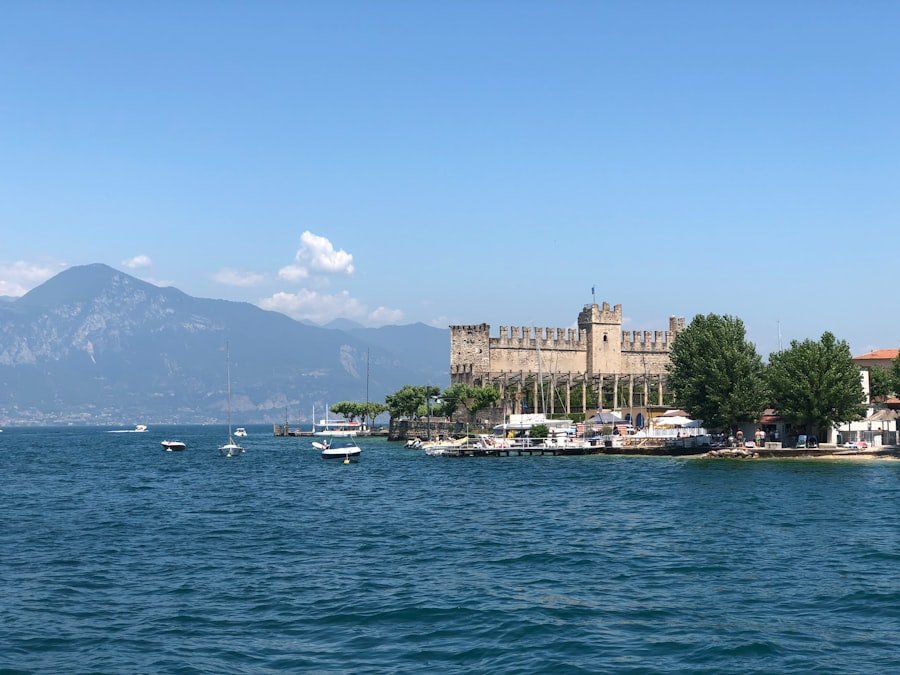
Your choice of base changes the feel of the entire trip. Geneva gives you the largest-city experience, Lausanne balances transport and culture, while Vevey and Montreux put you closer to vineyards and classic Swiss Riviera scenery.
| Base | Best For | Main Advantage | Tradeoff |
|---|---|---|---|
| Geneva | First-time city visitors, international arrivals, museums and shopping | Major transport hub and many city attractions | Farther from Lavaux, Vevey, Montreux, and Chillon |
| Lausanne | Travelers combining museums, vineyards, and lake excursions | Convenient position between Geneva and the eastern lake | The city is hilly |
| Vevey | Relaxed stays, promenades, food, and Lavaux | Smaller-town atmosphere with good rail connections | Less nightlife than Geneva |
| Montreux | Scenery, Chillon Castle, music, and mountain excursions | Excellent position for the eastern end of the lake | Popular event dates can increase demand |
For a luxury stay in Geneva, current options include Hotel President Wilson, a Luxury Collection Hotel, Geneva and The Ritz-Carlton Hotel de la Paix, Geneva. Both occupy prominent lakeside locations.
Travelers who prefer smaller hotels, guesthouses, or apartments can also look in Vevey, Montreux, Lausanne, and the wine villages of Lavaux. Compare the accommodation with the nearest railway station rather than choosing by lake view alone, especially if you plan to make several day trips.
Dining and Culinary Delights Around Lake Geneva
| Area | What to Look For | Why Go | Planning Tip |
|---|---|---|---|
| Geneva | Fondue, raclette, international restaurants, chocolate | Wide range from casual dining to upscale restaurants | Reserve popular restaurants on busy evenings |
| Lausanne | Swiss dishes, cafés, wine, lakeside dining | Good mix of city dining and lake views | Combine lunch with Ouchy or the Olympic Museum |
| Lavaux | Local wine, especially Chasselas, plus cellar tastings | Food and wine surrounded by UNESCO-listed vineyards | Check tasting hours or reserve with producers before arriving |
| Vevey and Montreux | Swiss dishes, lake fish where offered, cafés, regional wine | Relaxed meals near the promenade and mountains | Waterfront tables can be popular in good weather |
Traditional Swiss cheese dishes are easy to find around the region. Fondue typically arrives as melted cheese shared from a pot with bread for dipping, while raclette is melted and scraped onto a plate, often with potatoes and pickled accompaniments.
The wine culture becomes especially important east of Lausanne. Lavaux producers offer cellar visits and tastings, making the vineyards more than a scenic backdrop. If you drink alcohol, use trains or other public transportation rather than driving between tastings.
Note: A simple picnic can also work well on a lakeside day. Fruit is easy to carry, and if you are curious about less familiar varieties, this existing guide to Asian melon explains several options. Check local rules before picnicking in protected vineyard or private areas.
Outdoor Adventures Around Lake Geneva
The lake and surrounding hills offer hiking, cycling, sailing, paddling, swimming, and mountain excursions. The best activity depends heavily on the season and weather.
Hiking Through Lavaux
Lavaux is one of the easiest places to combine scenery, walking, and wine-country villages. Switzerland Tourism describes a 32-kilometre route between Lausanne-Ouchy and Chillon, but you do not need to walk the full distance. Shorter sections between villages are much more practical for most visitors.
Wear shoes with good grip because vineyard routes can include steep slopes, steps, and uneven surfaces. Carry water, particularly on exposed summer sections.
Water Activities
Sailing, paddling, swimming, and boat excursions are common warm-weather activities around the lake. Use designated access points and follow local rules, especially where boats, currents, changing weather, or private shoreline areas create additional risks.
Winter and Mountain Trips
Winter changes the focus from lake activities to nearby Alpine destinations. Ski areas in the wider region include resorts in Vaud, Valais, and across the French border. Verbier and the Portes du Soleil region are possible additions to a broader Lake Geneva trip, but they should be planned as separate mountain excursions rather than treated as attractions directly on the lakeshore.
Warning: Mountain and lake weather can change quickly. Before hiking, boating, or heading to higher elevations, check the MeteoSwiss hazard map for current wind, thunderstorm, rain, snow, heat, and other warnings. Leave exposed areas and get off the water when dangerous weather approaches.
Shopping and Entertainment Around Lake Geneva
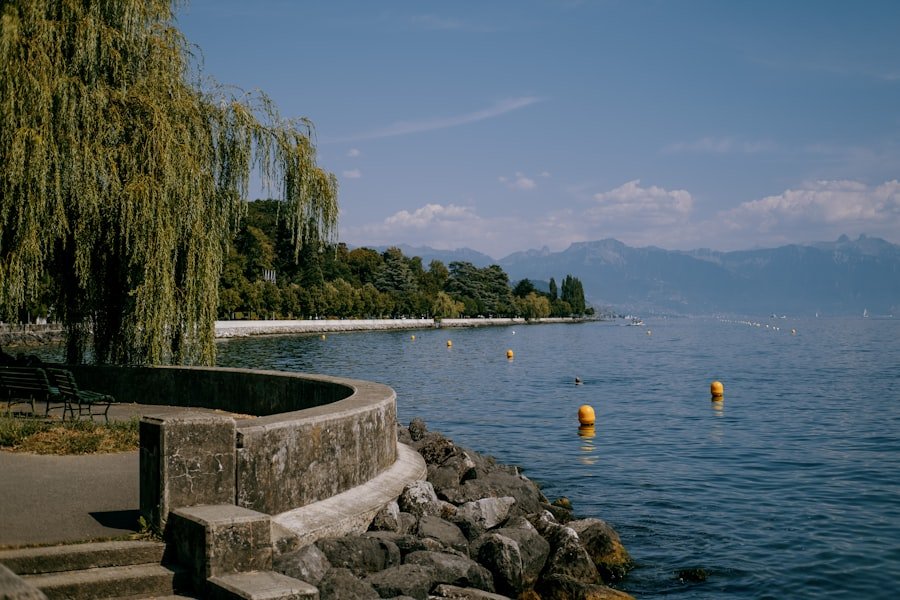
Geneva offers the region’s broadest shopping selection, from luxury stores and Swiss watches to chocolate shops and smaller businesses in and around the Old Town. Montreux and Vevey have a more relaxed retail scene mixed with cafés, restaurants, markets, and lakeside walking.
Entertainment ranges from museums and theater in Geneva and Lausanne to concerts and seasonal events around the lake. Montreux is especially associated with the Montreux Jazz Festival. The 2026 festival ran from July 3 to July 18, but dates change, so check the official Montreux Jazz Festival website before arranging a future trip around the event.
Pro Tip: If a major festival or conference is the reason for your visit, reserve accommodation before booking a non-refundable sightseeing schedule. Event periods can change both room availability and how crowded transportation feels.
Getting Around Lake Geneva
You usually do not need a rental car for the main Swiss destinations around Lake Geneva. Geneva, Lausanne, Vevey, Montreux, and many smaller communities are connected by Switzerland’s rail and local public-transport networks.
Trains
Trains are normally the fastest choice for moving between the principal Swiss cities and towns. Check the SBB timetable before travel because connections, engineering works, and platform information can change.
Boats and Ferries
CGN operates both sightseeing cruises and practical passenger routes. Current regular connections include routes such as Lausanne-Évian, Lausanne-Thonon, and Nyon-Yvoire, allowing you to include the French shore without driving around the lake.
Swiss Travel Pass
If you plan several long train, bus, and boat journeys, compare individual fares with the Swiss Travel Pass. The pass provides extensive public-transport coverage for eligible international visitors, but some mountain excursions, reservations, and supplements can cost extra.
Do not automatically buy a pass for a short trip with only one or two journeys. Point-to-point tickets can be cheaper when your itinerary is limited.
Rental Cars
A car becomes more useful if your plans include rural accommodation or places poorly served by transit. In central Geneva, Lausanne, Vevey, and Montreux, parking and city traffic can make a car less convenient than public transport.
Day Trips and Excursions from Lake Geneva
Lausanne
If you are staying in Geneva or Montreux, Lausanne makes an easy addition. Explore Ouchy, visit the Olympic Museum, walk through the old city, or use Lausanne as the starting point for Lavaux.
Lavaux
Lavaux can fill several hours or a full day. Walk between vineyard villages, stop for lunch, visit a wine producer, and return by train. The combination of frequent settlements and rail access makes it easier to shorten your walk when needed.
Yvoire, Évian, and the French Shore
Lake Geneva is shared by Switzerland and France, and CGN passenger services make several French destinations practical without a car. Depending on your starting point and the current timetable, Yvoire, Évian-les-Bains, and Thonon-les-Bains can work well as cross-lake excursions.
Because you are crossing an international border, carry the travel documents required for your nationality even when routine border checks are not expected.
Zermatt
Zermatt and the Matterhorn can be reached through Switzerland’s rail network, but this is a much longer excursion than Lausanne, Lavaux, or Montreux. It is possible to build a very long day around the journey, but travelers who want hiking, mountain railways, or time to explore the car-free resort should consider staying overnight instead of rushing back to Lake Geneva.
A Simple 3-Day Lake Geneva Itinerary
Day 1: Geneva
- Walk along the waterfront and see the Jet d’Eau.
- Visit the Flower Clock and Jardin Anglais.
- Explore Geneva’s Old Town.
- Finish with a Swiss dinner or lakeside walk.
Day 2: Lausanne and Lavaux
- Travel to Lausanne by train.
- Visit Ouchy and the Olympic Museum or explore the old city.
- Continue toward Lavaux.
- Walk a manageable vineyard section and stop in a wine village.
- Stay in Lausanne, Vevey, or Montreux.
Day 3: Montreux and Chillon
- Walk Montreux’s lakeside promenade.
- Visit Chillon Castle.
- Take a CGN cruise if the seasonal timetable fits your route.
- Spend the evening in Montreux or Vevey.
Note: This itinerary is intentionally flexible. Adding a fourth day gives you enough room for a longer Lavaux walk, a French-shore excursion, museums, or a mountain trip without packing every day too tightly.
Tips for Planning Your Trip to Lake Geneva
Choose the Season Around Your Priorities
Spring: Good for city sightseeing, lakeside walks, and lower-elevation hiking, although weather can change quickly.
Summer: Best suited to swimming, boating, long daylight hours, outdoor dining, and major events. It can also be a busy period, so advance reservations are useful.
Autumn: A strong choice for vineyard scenery, food and wine experiences, walking, and cooler sightseeing conditions.
Winter: Better for museums, city breaks, Christmas-season experiences, and combining the lake with Alpine snow sports. Some cruises and outdoor attractions operate on reduced seasonal schedules.
Check Timetables Before Building the Day
Do not assume that every boat or mountain connection operates at the same frequency year-round. Check CGN and SBB shortly before traveling, particularly when your plan depends on the final boat or train of the day.
Book the Experiences That Can Sell Out
Reserve high-demand hotels, popular restaurants, special cruises, major concerts, and timed attractions when your dates are fixed. For casual walks, promenades, and self-guided sightseeing, you can usually keep more flexibility.
Pack for Changing Conditions
Even on a warm lakeside day, temperatures can be noticeably cooler at higher elevations. Carry a light layer, sun protection, water, and comfortable walking shoes. If you plan a mountain excursion, check conditions for that elevation rather than relying only on the forecast for Geneva or Lausanne.
Lake Geneva rewards slower travel. Instead of treating the shoreline as a checklist, combine one city, one boat journey, one historic or cultural attraction, and one stretch of vineyard or lakeside scenery. That balance gives you a better sense of how different Geneva, Lausanne, Lavaux, Vevey, Montreux, and the surrounding mountains really are.
Frequently Asked Questions
What is Lake Geneva?
Lake Geneva, or Lac Léman, is a large freshwater lake on the northern side of the Alps shared by Switzerland and France. It covers about 580 square kilometers and is bordered by destinations including Geneva, Lausanne, Vevey, Montreux, Évian-les-Bains, and Thonon-les-Bains.
What are the most popular activities at Lake Geneva?
Popular activities include sightseeing cruises, lakeside walks, hiking through Lavaux, visiting Chillon Castle, exploring Geneva and Lausanne, wine tasting, cycling, swimming, sailing, and taking mountain excursions from the eastern side of the lake.
What are the must-see attractions around Lake Geneva?
For a first visit, prioritize Geneva’s Jet d’Eau, Chillon Castle, the Lavaux vineyard terraces, Lausanne and the Olympic Museum, Montreux’s waterfront, Vevey, and at least one boat journey if the timetable fits your trip.
What is the best time to visit Lake Geneva?
There is no single best season. Summer gives you the widest range of water activities and outdoor events. Spring and autumn work well for sightseeing, walking, and vineyards, while winter is useful for city breaks and combining the lake with Alpine snow activities.
What transportation options are available around Lake Geneva?
Trains, local buses, urban public transport, CGN boats, and rental cars are all available. For the main Swiss destinations, trains are usually the easiest option. Boats are especially useful when you want to combine transportation with sightseeing or cross to selected destinations on the French shore.
What local dishes should I try around Lake Geneva?
Swiss favorites include cheese fondue and raclette. You can also look for regional lake-fish dishes where offered, Swiss chocolate, and wines from Lavaux and other vineyards around the region. Chasselas is particularly associated with the Vaud wine country.
How many days do you need at Lake Geneva?
Three days is enough for a useful introduction covering Geneva, Lausanne or Lavaux, and Montreux with Chillon Castle. Four or five days is better if you also want a French-side excursion, longer hikes, museums, wine tastings, or a mountain trip.
Is Geneva or Montreux a better place to stay?
Choose Geneva if you want a larger city, international transport connections, museums, shopping, and nightlife. Choose Montreux if your priorities are lake scenery, Chillon Castle, the Swiss Riviera, and easier access to the eastern end of Lake Geneva. Lausanne or Vevey can be excellent middle-ground options.
Sources
- International Commission for the Protection of Lake Geneva — lake area, shoreline, depth, volume, and geographic information.
- Geneva Tourism: Jet d’Eau — official information about Geneva’s landmark fountain.
- Chillon Castle Foundation — history and visitor information for Château de Chillon.
- UNESCO World Heritage Centre: Lavaux Vineyard Terraces — history, extent, and World Heritage status of Lavaux.
- CGN Lake Geneva — current passenger-boat routes, cruises, tickets, and timetables.
- Swiss Federal Railways: Swiss Travel Pass — official public-transport pass coverage and conditions.