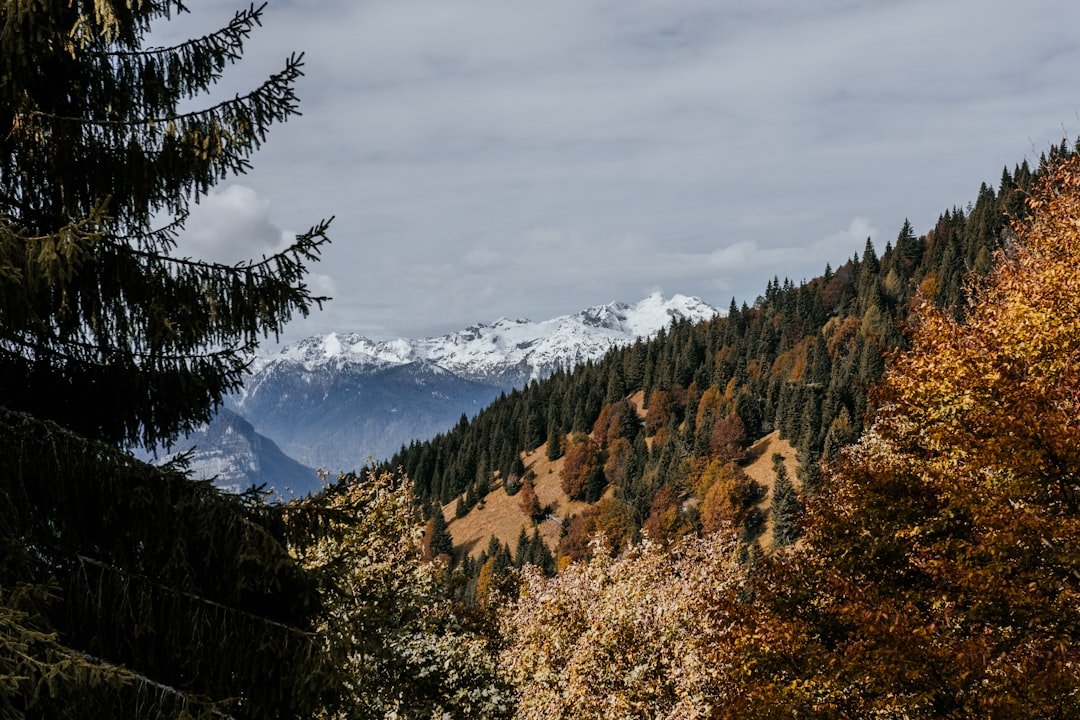
Binntal Landscape Park, also known as Binntal Nature Park, is a quiet Alpine region in Upper Valais where mineral-rich geology, historic villages, mountain lakes, forests, high passes, and traditional farming landscapes come together. The park is especially rewarding if you enjoy hiking, geology, photography, wildlife, or small Swiss villages away from the busiest resort areas.
Quick Answer
Binntal Landscape Park is a 165-square-kilometer regional nature park in Upper Valais, Switzerland, centered on Binn, Ernen, Grengiols, and Bister. Visit for mineral-rich geology, preserved villages, Twingi Gorge, mountain lakes, hiking, and quiet Alpine scenery. From Brig, travel by rail toward Fiesch or Grengiols, then continue by PostBus where needed.
Key Takeaways
- Binntal Landscape Park covers about 165 km² and includes Binn, Bister, Ernen, and Grengiols.
- The park’s strongest attractions are hiking, rare minerals and geology, Twingi Gorge, historic villages, mountain lakes, and Alpine flora and fauna.
- There is no direct train to Binn. From Brig, use the Matterhorn Gotthard Railway and connect with PostBus, commonly at Fiesch for Ernen and Binn.
- Fäld is a particularly useful base for the Mineral Museum, rock experience trail, Lengenbach mineral quarry, and several mountain hikes.
- Conditions change quickly in the Alps, so check current trail status, public transport, weather, and seasonal opening information before setting out.
About Binntal Landscape Park
Binntal Landscape Park is a Regional Nature Park of National Importance in Upper Valais. Swiss Parks lists its area at about 165 km². The current park municipalities are Binn, Bister, Ernen, and Grengiols.
The project began in 2002, and the park received the federal Regional Nature Park of National Importance label in 2011. Swiss Parks lists it as a regional nature park since 2012. Its purpose is not simply to protect wilderness. A Swiss regional nature park combines the conservation of valuable natural and cultural landscapes with sustainable local economic development.
The landscape changes considerably with elevation. Lower valleys, traditional fields, forests, dry sunny slopes, wet habitats, mountain streams, lakes, high Alpine meadows, rocky passes, and areas close to permanent snow create unusually varied conditions within a compact region.
The Binna is the main river associated with the inner Binntal valley. The Rhone, locally also called the Rotten, is important to the wider park landscape farther down in the Upper Valais, but it should not be confused with the Binna flowing through the inner valley.
Getting to Binntal Landscape Park
Brig is the main regional rail gateway for many visitors arriving from elsewhere in Switzerland. From Brig, the Matterhorn Gotthard Railway runs into the Upper Valais. According to the park’s official arrival information, the railway serves Grengiols directly. For Ernen and Binn, a common route is to continue by train to Fiesch and change there to PostBus.
Note: A train does not run directly into Binn village. Check the current SBB timetable for the exact connection on your travel date rather than relying on a fixed transfer time.
During the warmer season, Bus alpin extends access beyond Binn toward Fäld and, on selected services, Brunnebiel. This is useful for hikers heading deeper into the valley. Some Brunnebiel journeys require advance reservations, so verify the current Bus alpin timetable and booking rules before your trip.
If you drive, follow the Upper Valais road network toward Ernen and Binn and then use designated local parking areas. Mountain roads can be narrower than major Swiss highways, and access or parking rules may vary by destination. For trailheads such as Fäld, check current local signs instead of assuming you can drive to every hiking route.
Pro Tip: Public transport works particularly well for one-way hikes. Instead of designing every walk around your parked car, check whether your starting and finishing villages have train or PostBus connections.
Exploring the Natural Beauty of Binntal Landscape Park
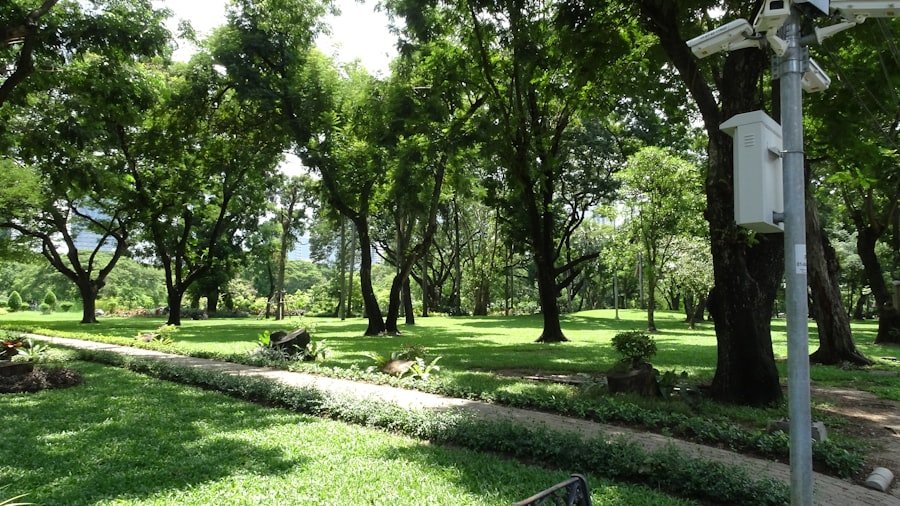
The park’s appeal comes from contrast rather than one single landmark. Sunny dry slopes can sit across the valley from cooler forested terrain, while high sections contain streams, mountain lakes, wetlands, rocky ridges, and Alpine meadows.
The official park describes elevations ranging from the lower valleys to mountains around 3,250 meters high. Different rock types, slope aspects, elevations, and local climatic influences create sharply different habitats within relatively short distances.
Mountain lakes are another highlight. Mässersee and Halsesee are among the better-known destinations, while the upper valley contains additional lakes, streams, wetlands, and moorland. In early summer, flowering meadows add color; later in the season, higher trails generally become more accessible as snow retreats.
The most memorable feature of Binntal is its variety: preserved villages, dry slopes, forests, mineral-rich rock, streams, mountain lakes, high passes, and Alpine meadows all fit within a relatively compact park.
Best Hikes and Outdoor Activities in Binntal Landscape Park
Hiking is one of the best ways to experience Binntal Landscape Park. The official summer hiking directory includes short walks, longer mountain hikes, historical routes, and demanding full-day outings.
| Route / Activity | Approx. Time | Distance | Best For |
|---|---|---|---|
| Steinmatten – Twingi Gorge – Ze Binne | About 1 hour | 2.8 km | Short scenic and historical walk |
| Binn – Giessen – Fäld – Binn | About 1 hr 35 min | 5.73 km | Easy introduction to the inner valley |
| Fäld – Manibode – Mässersee – Fäld | About 3 hr 20 min | 8 km | Mountain lake and Alpine scenery |
| Fäld – Binntalhütte – Fäld | About 7 hr 30 min | 16 km | Experienced hikers with good fitness |
| Binntal Loop by bike | About 3 hours | 19.8 km | Experienced mountain, gravel, or e-bike riders |
Twingi Gorge
Twingi Gorge combines scenery with history. For centuries, routes through the gorge formed part of the approach toward the Albrun Pass and Italy. The old road includes walls, tunnels, and other traces of early mountain-road construction. A short official route from Steinmatten through the gorge to Ze Binne is listed at about 2.8 km and one hour.
Mässersee and Manibode
If you want a moderately sized mountain outing, the Fäld-Manibode-Mässersee circuit is one of the park’s standout hikes. The official route is about 8 km and roughly 3 hours 20 minutes, with mountain scenery, streams, meadows, and Mässersee as the main reward.
Binntalhütte and the Albrun Area
Stronger hikers can continue deeper into the upper valley. The Fäld-Binntalhütte-Fäld route is listed at around 16 km with approximately 750 meters of ascent and a walking time of about 7.5 hours. The historic Albrun route continues toward the Italian side of the Alps.
Mountain Biking
Cycling is also possible on selected routes. The official Binntal Loop from Binn is about 19.8 km with roughly 817 meters of ascent and is rated technically difficult. Another historic route connects Binn and Grengiols. Follow current trail-use guidance and give hikers plenty of space.
Rock Climbing and Technical Mountain Activities
The original guide treats rock climbing as a general park activity, but the park’s official self-guided visitor information focuses much more strongly on hiking, biking, winter hiking, snowshoeing, and nature-based activities. If you want technical climbing or mountaineering, use current route information and an appropriately qualified local guide rather than assuming ordinary hiking trails are suitable.
Warning: Mountain conditions can change quickly. Check the forecast and trail status, wear footwear suitable for the route, carry water and extra layers, and turn around if weather, snow, exposure, or terrain exceeds your experience.
Minerals and Geology: The Valley’s Hidden Treasures
Mineralogy is one of the strongest reasons to visit Binntal. The park describes the valley as exceptionally rich in minerals, with more than 270 different minerals identified in its varied rocks.
The best-known site is the Lengenbach mineral quarry near Fäld. The park describes it as one of the world’s best-known mineral sites. From the Fäld parking area, the walk to the quarry takes roughly 20 to 30 minutes.
A useful introduction is the rock experience trail between Fäld and the quarry. The official geology information describes an approximately 1.25 km route with eleven stations explaining important rocks and geological features of the valley. It takes about 30 minutes and gains around 150 meters of elevation.
The valley also has a longer history of mineral collecting and ore extraction. That is more accurate than describing one attraction simply as an “old copper mine.” Today, visitors can learn about this history through the geological trail, mineral sites, museums, guided experiences, and educational material.
Wildlife and Flora of Binntal Landscape Park
The park’s combination of dry slopes, forests, wetlands, meadows, rocky terrain, and changing elevation supports unusually rich flora and fauna. Rather than relying on uncertain species totals, it is more useful to know which habitats and distinctive species the park itself highlights.
Chamois are one verified example of the park’s larger mountain wildlife. Smaller species are just as important. Official fauna information highlights Apollo butterflies, asp vipers, crag martins, emerald lizards, rare bees, and several specialized insects.
Wildlife sightings are never guaranteed. Familiar Alpine animals such as marmots, ibex, golden eagles, and other raptors occur in the wider Alps, but you should not plan a visit expecting a particular species to appear on demand.
The plant life is equally varied. The park’s official flora information describes Alpine lilies, Turk’s-cap lilies, Haller’s primrose, alpine roses, specialized plants of dry grasslands, and species associated with wetlands and high mountain terrain.
One of the most distinctive plants is the Grengjer tulip, Tulipa grengiolensis, associated with traditional rye fields around Grengiols. The park notes that it is strictly protected and has survived through conservation work tied to the continuation of traditional field cultivation.
Note: Observe flowers and wildlife without disturbing them. Stay on appropriate paths in sensitive habitats, respect wildlife-rest areas and livestock, and do not pick protected plants.
Cultural and Historical Attractions in Binntal Landscape Park
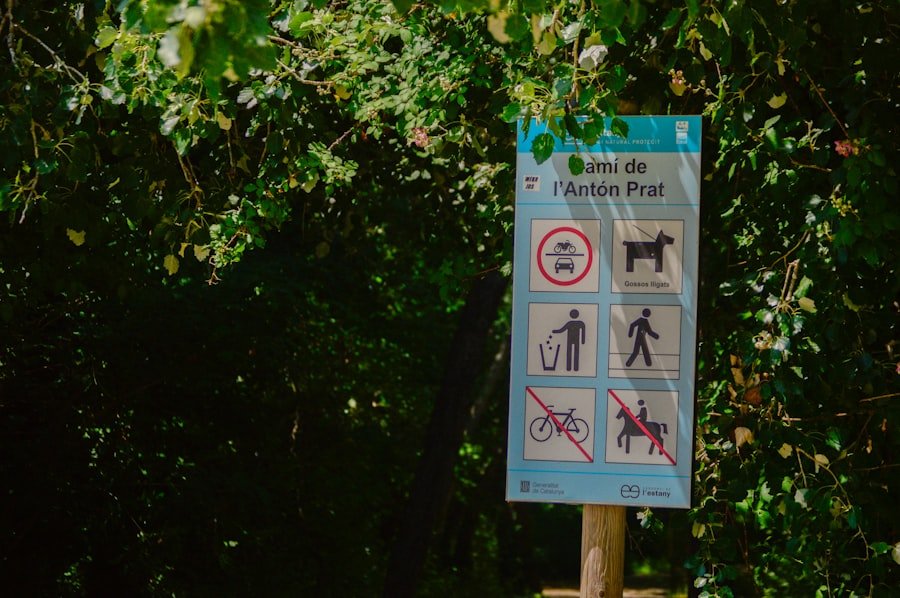
Binntal Landscape Park is not only a nature destination. Its traditional settlements and cultural landscapes are central to the park’s identity. Binn, Ernen, Grengiols, Bister, and smaller hamlets contain historic houses, barns, chapels, bridges, and old transport routes.
Several settlements and hamlets are recognized in Switzerland’s inventory of protected townscapes. Ernen received the Wakker Prize in 1979, while Binn received a heritage protection award in 1992. These villages give you a chance to see the human side of the landscape rather than treating the park as untouched wilderness.
Historic Roads and Bridges
The old route toward the Albrun Pass has served travelers for centuries. Official park history records archaeological evidence linked to ancient movement through the region, historic bridges dating to the 16th century, and the later road through Twingi Gorge.
Mineral Museum in Fäld
The Mineral Museum in Fäld displays minerals collected in the Binntal together with information and photographs related to where they were found. It is a useful stop before or after the rock trail and Lengenbach quarry. The museum operates seasonally, so check current opening hours before making a special trip.
Regional Museum in Binn
The Regional Museum in Binn has presented archaeological finds, minerals, and objects connected with local rural culture and history. As of 2026, the museum is being modernized in stages through 2027, so current exhibitions and access may differ from older travel descriptions.
Ernen and Grengiols
Ernen is known for its historic village character and for classical music events, while Grengiols combines traditional architecture and agricultural landscapes with the unusual Grengjer tulip. These places broaden a visit beyond hiking and make the park worthwhile even on days when you prefer shorter walks.
Where to Stay and Eat in Binntal Landscape Park
The park has a mix of hotels, B&Bs, vacation apartments, campsites, guesthouses, and mountain huts. Staying inside or close to Binn, Ernen, Grengiols, or Fäld gives you easier access to early-morning walks and village attractions, while Brig and Fiesch provide larger transport hubs outside the quieter parts of the park.
Camping is also possible. Giessen campsite, about 2 km from Binn village beside the Binna, is one established option during the warmer season. Mountain huts such as the Binntalhütte serve hikers heading farther into the high country.
Food in the region reflects Valais traditions. Expect Alpine cheese, raclette, simple mountain meals, and village restaurants alongside more refined dining options. The Binn Alps also produce local Alpine cheese during the summer grazing season.
If you like preparing picnic food before a hiking day, the site’s homemade cottage cheese recipe offers one simple option for a meal before or after your outing. For food carried on the trail, use suitable containers and keep perishable ingredients properly chilled.
Best Time to Visit Binntal Landscape Park
Late spring through autumn is the main period for hiking, village walks, cycling, geology-focused outings, and visits to higher valleys. However, individual routes have different seasons. Lower walks may become accessible earlier, while high mountain trails can remain affected by snow well into the warmer months.
June through October is a practical window for many of the park’s mountain hikes. Early summer is attractive for wildflowers, while later summer and early autumn can offer good high-trail access when conditions are stable.
Winter changes the experience completely. The park offers winter walking, snowshoe routes, ski touring opportunities, and seasonal transport arrangements. Do not assume a summer trail or bus continues unchanged through winter.
Tips for Visiting Binntal Landscape Park
- Check conditions before leaving: Use the official park information and weather forecast for current trail, snow, transport, and facility conditions.
- Dress in layers: Temperature and wind can change quickly with elevation and cloud cover.
- Carry water and food: Do not assume restaurants or shops are available beside every trail.
- Match the trail to your ability: A yellow walking trail and a mountain route marked white-red-white require different levels of preparation.
- Respect wildlife and livestock: Give animals space and follow signs around protected areas and livestock guardian dogs.
- Use public transport strategically: Train, PostBus, and seasonal Bus alpin services can reduce the need to return to the same parking place.
- Leave enough time: Mineral sites, historic villages, museums, and short nature walks can easily turn a planned half-day into a full day.
A Simple One-Day Visit
If you have only one day, start with Binn village and its historic center. Continue toward Fäld, using seasonal public transport when available, and visit the Mineral Museum or walk part of the rock experience trail toward Lengenbach quarry. Later, choose a short nature walk or a section of Twingi Gorge before returning toward Ernen or Fiesch.
This plan gives you a mix of scenery, geology, village culture, and walking without requiring a difficult full-day mountain hike. Strong hikers can instead dedicate the entire day to Mässersee, Binntalhütte, or another longer official route.
Frequently Asked Questions
What is Binntal Landscape Park?
Binntal Landscape Park is a Regional Nature Park of National Importance in Upper Valais, Switzerland. It covers about 165 km² and includes the municipalities of Binn, Bister, Ernen, and Grengiols.
What are the main attractions in Binntal Landscape Park?
Highlights include Twingi Gorge, the historic villages of Binn and Ernen, Fäld, the Lengenbach mineral quarry, the rock experience trail, the Mineral Museum in Fäld, Mässersee, high Alpine hiking routes, and the distinctive cultural landscape around Grengiols.
Can you take a train directly to Binn?
No. The Matterhorn Gotthard Railway serves locations in the Upper Valais, including Grengiols. For Binn and Ernen, travelers can change at Fiesch to PostBus. Always check the current SBB timetable for the best connection on your travel date.
What activities can visitors enjoy in Binntal Landscape Park?
Popular activities include hiking, mountain biking on designated routes, geology and mineral experiences, wildlife watching, photography, village visits, winter walking, and snowshoeing. Longer mountain and cross-border hikes are available for experienced hikers.
Is Binntal Landscape Park suitable for families with children?
Yes, if you choose activities appropriate for the child’s age and ability. Short village walks, parts of Twingi Gorge, the Mineral Museum in Fäld, geology activities, and easier trails can work well for families. The official Steinmatten-Twingi Gorge-Ze Binne route is even listed as suitable for strollers.
Where can I learn about Binntal minerals?
Fäld is the most convenient starting point. You can visit its Mineral Museum, follow the rock experience trail, and continue toward the Lengenbach mineral quarry. Guided mineral experiences are also offered seasonally.
Are there accommodations and dining options in the park?
Yes. Accommodation includes hotels, guesthouses, B&Bs, vacation apartments, campsites, and mountain huts. Dining ranges from village restaurants to Alpine food stops, with regional cheese and Valais dishes among the local specialties.
When is the best time to hike in Binntal?
Many mountain routes are most practical from roughly June through October, but snow, weather, elevation, and maintenance affect each trail differently. Check the official route status before departure, especially early or late in the season.
Sources
- Swiss Parks Network: Landschaftspark Binntal – park status, area, municipalities, landscape, activities, and cultural overview.
- Binntal Landscape Park: Arrival – rail, PostBus, and visitor access information.
- Binntal Landscape Park: Summer Hikes – official hiking routes, distances, times, and difficulty information.
- Binntal Landscape Park: Geology – rock experience trail, geological background, and mining history.
- Binntal Landscape Park: Flora and Fauna – biodiversity, habitats, plants, and wildlife.
- Binntal Landscape Park: Lengenbach Mineral Quarry – quarry significance and visitor access information.