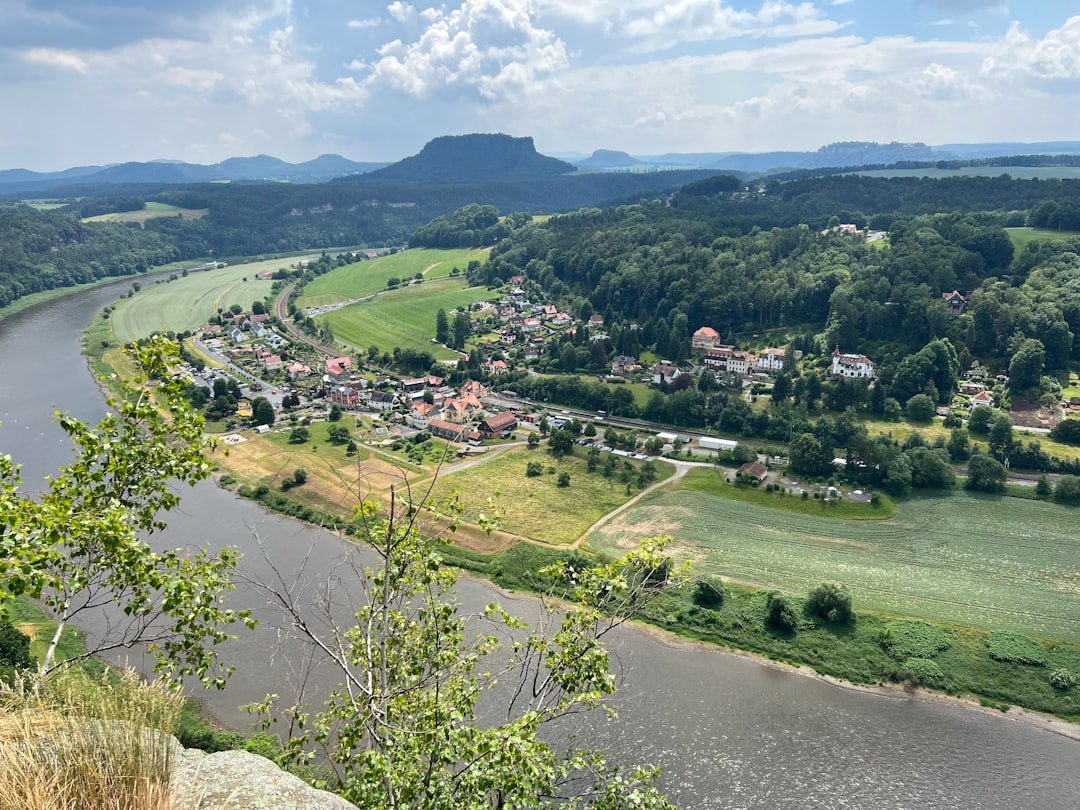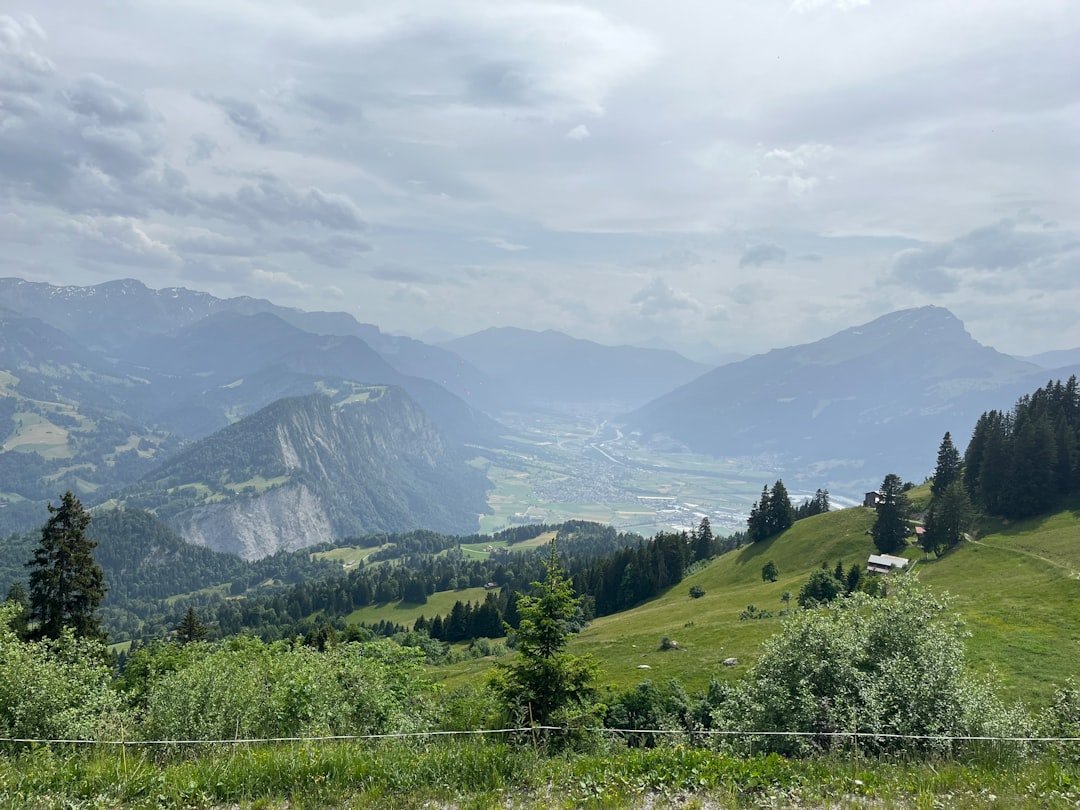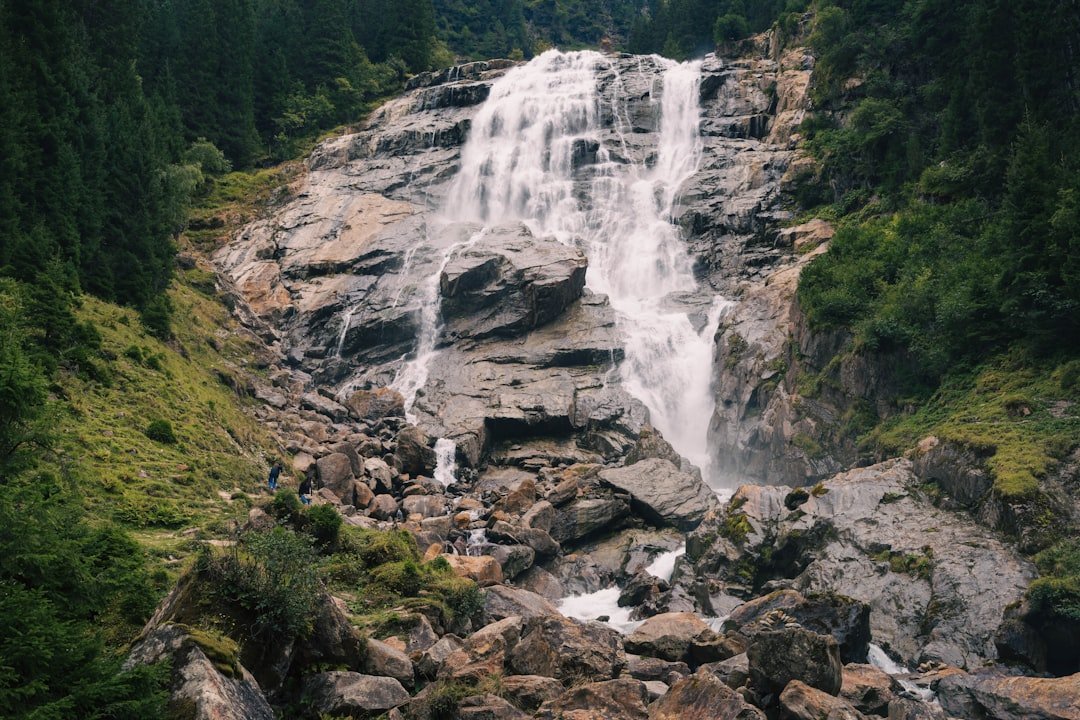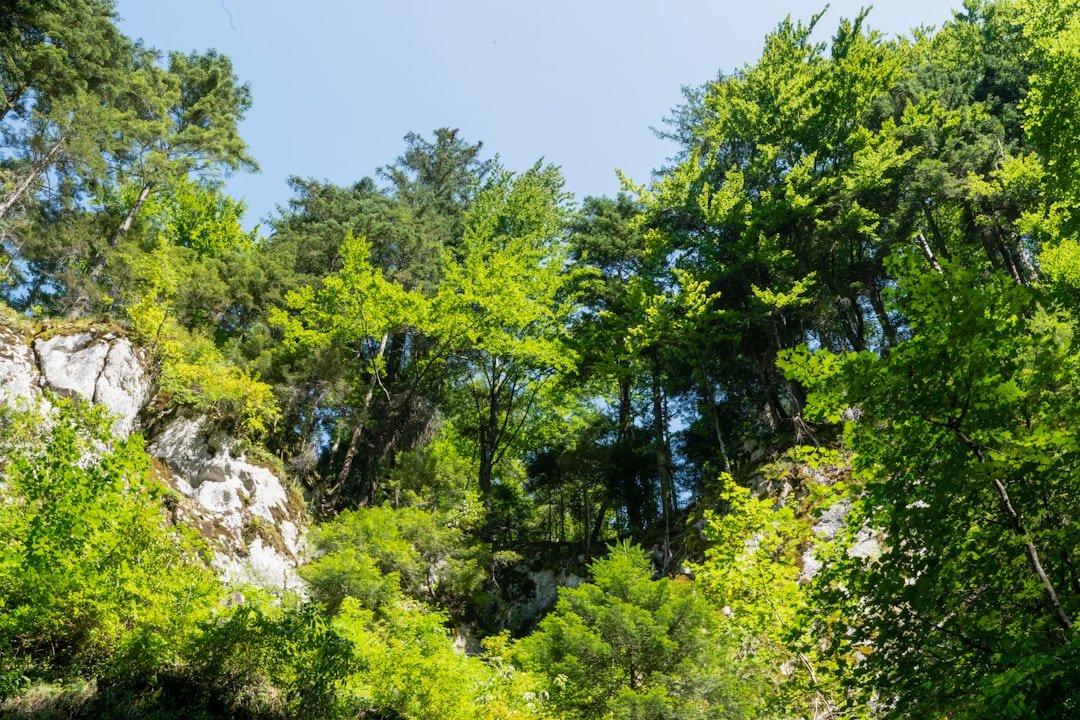
Jura Vaudois Nature Park is a large regional nature park in Switzerland’s canton of Vaud, stretching from La Dôle and the Jura ridges to the Vallée de Joux and the historic village of Romainmôtier. Rather than being one fenced nature reserve, it is a lived-in landscape where forests, wooded pastures, villages, farming, tourism, wildlife conservation, and local traditions exist side by side. The original Jura park dates to 1973, while today’s regional nature park has been recognized as a Swiss park of national importance since 2013.
Quick Answer
Jura Vaudois Nature Park covers 574 km² and 35 territorial municipalities in western Switzerland. Visit for hiking, cycling, wildlife, wooded pastures, Vallée de Joux scenery, Romainmôtier, and winter sports. Public transport reaches several parts of the park, but choose one region per day because the territory is extensive.
Key Takeaways
- The park currently covers 574 km², includes 35 territorial municipalities, and has about 40,500 residents.
- Good bases and entry areas include Saint-Cergue and La Givrine, Vallée de Joux, the Marchairuz and Mollendruz passes, and Romainmôtier.
- Hiking, cycling, mountain biking, wildlife observation, snowshoeing, cross-country skiing, and cultural visits are available in different seasons.
- The park contains protected wildlife areas and forest reserves, but the entire 574 km² territory is not one strict nature reserve.
- Check current public-transport schedules, trail conditions, wildlife rules, and seasonal access before setting out.
The defining landscape of Jura Vaudois is a mix of forests, wooded pastures, dry-stone walls, farms, villages, limestone terrain, and high Jura ridges rather than a single wilderness reserve.
Jura Vaudois Nature Park at a Glance
The Parc Jura vaudois currently reports a territory of 574 km², about 40,500 residents, and 35 territorial municipalities. Burtigny became the 35th municipality at the beginning of 2025.
| Current park area | 574 km² |
| Territorial municipalities | 35 |
| Population | About 40,500 |
| National-importance park status | Since 2013 |
| Forest cover | 57.2%, about 32,000 hectares |
| Forest reserves | 24 across the park territory |
The park reaches from the summit area of La Dôle toward Romainmôtier and includes the Vallée de Joux, the Jura ridges, forest massifs, villages at the foot of the Jura, and the passes of La Givrine, Marchairuz, and Mollendruz. Limestone geology has shaped caves, depressions, cliffs, wetlands, and other characteristic Jura landscapes.
Getting to Jura Vaudois Nature Park
Jura Vaudois Nature Park has many entry points rather than one main gate. Public transport is often the simplest option for point-to-point hikes because you can begin and finish in different villages. The park actively encourages visitors to use public transportation where practical.
According to the park’s current practical visitor information, useful rail corridors include:
- Nyon – Saint-Cergue – La Givrine – La Cure: useful for the western Jura and Saint-Cergue/La Dôle area.
- Morges – L’Isle and Morges – Bière: useful for communities along the southeastern side of the park.
- Vallorbe – Le Pont – Le Brassus: useful for reaching the Vallée de Joux.
The park also currently lists weekend bus access to the Col du Mollendruz and Col du Marchairuz. Because seasonal services and timetables can change, check the park’s transport page and the official SBB journey planner immediately before traveling.
Pro Tip: For a one-way hike, plan the public-transport connection before choosing your trail. Some high-pass bus services operate only on selected days, while rail-served places such as Saint-Cergue, La Givrine, Le Pont, Le Brassus, and Croy can make car-free trips easier.
Driving gives you more flexibility in remote sections, but do not assume every trail has a large parking area. Check the park’s interactive map and local signs for the specific destination you plan to visit.
Activities in Jura Vaudois Nature Park
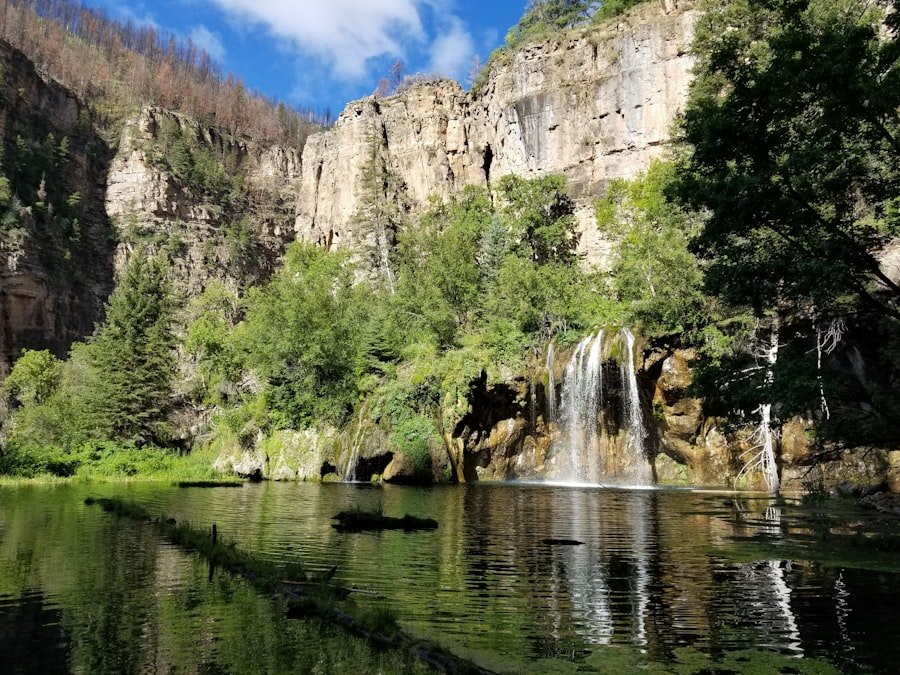
Hiking is one of the easiest ways to experience the park’s forests, wooded pastures, limestone ridges, villages, and viewpoints. Routes range from short thematic walks to demanding day hikes and multi-day crossings.
One notable hike climbs from the Vallée de Joux to Mont Tendre, the highest summit in the Swiss Jura at 1,679 metres. The official Au sommet du Jura suisse route is 16 km long and takes about five hours. Although its technical rating is easy, the park rates the endurance requirement as difficult because of the ascent and descent.
Another useful option is the Sentier de l’eau et du Vallon du Nozon, a 5.6 km interpretive trail from Vaulion toward Croy via Romainmôtier. The route takes about two hours and includes educational stations explaining how water influences geology, ecosystems, biodiversity, and human activity.
| Route | Distance | Typical time | Best for |
| Le Sentier – Mont Tendre – Montricher | 16 km | About 5 hours | Strong walkers seeking high-Jura views |
| Sentier de l’eau et du Vallon du Nozon | 5.6 km | About 2 hours | Families, nature interpretation, and Romainmôtier |
| Sapin à Siméon nature trail | 1.7 km | About 45 minutes | A short introduction to forestry and pastoral history |
Cycling is another major way to explore the park. Its interactive route map includes cycling, mountain-bike, and e-bike itineraries. Stay on roads and recommended forest tracks, observe local signs, close livestock gates behind you, and give walkers and other trail users enough space.
Birdwatching and nature photography are rewarding because forests, wetlands, wooded pastures, villages, and agricultural land support different species. Observe animals from a distance rather than approaching them for a photograph.
Best Areas to Explore
Vallée de Joux and the Risoud Forest
The Vallée de Joux combines lakes, watchmaking heritage, forests, farms, and high-Jura scenery. The nearby Risoud is one of the park’s major forest landscapes. It is also associated with resonance spruce valued in instrument making, linking the area’s natural resources with its cultural traditions.
Mont Tendre and the Jura Ridges
Mont Tendre is an excellent choice for experienced walkers who want a longer hike and broad views. On clear days, high points in the park can open views toward the Lake Geneva region and the Alps.
Saint-Cergue, La Givrine, and La Dôle
This western section is particularly convenient for visitors arriving from Nyon because the railway continues through Saint-Cergue toward La Givrine and La Cure. The area supports hiking in warmer months and winter recreation when conditions allow.
Romainmôtier and the Vallon du Nozon
Romainmôtier combines nature with cultural heritage. Its historic center and abbey make it a useful destination when you want more than hiking alone. The nearby Nozon trail adds an accessible-by-public-transport nature outing with interpretation along the way.
Marchairuz and the Wooded Pastures
The Marchairuz area is a good place to see the combination of forest, grazing land, dry-stone walls, and traditional Jura landscapes. It is also home to one of the park’s discovery centers and several nature-oriented routes.
Wildlife and Flora in Jura Vaudois Nature Park
Biodiversity is an important part of the park’s work, but it is better understood through documented habitats and conservation projects than through unsupported totals. The park’s species program highlights amphibians, reptiles, birds, mammals, and insects, including common frogs, midwife toads, alpine newts, swifts, redstarts, swallows, stoats, hedgehogs, and wood ants.
The wider Jura landscape also provides important habitat for animals such as red deer, chamois, and the highly disturbance-sensitive capercaillie. The park advises visitors to respect wildlife quiet zones and remain on recommended routes, particularly during winter when animals must conserve energy.
Forest is one of the defining habitats. According to the park’s forest information, 57.2% of the territory is forested, representing about 32,000 hectares. The territory includes 24 forest reserves and the Noirmont federal wildlife protection site, which covers 37.6 km².
Wooded pastures are equally important to the character of the Jura. These landscapes combine grazing and forestry and are often divided by traditional dry-stone walls. They demonstrate why the park is both a natural and cultural landscape shaped by long-term human use.
Note: A regional nature park is not the same as a single strict nature reserve. Protected sites, wildlife zones, forest reserves, villages, farms, businesses, roads, and recreational areas all exist within the wider park territory, with different rules applying in different places.
Accommodation and Dining Options in Jura Vaudois Nature Park
Because the park spreads across a large inhabited region, accommodation is found in its villages and tourism areas rather than at one centralized park lodge. Options range from guesthouses and smaller inns to hotels and other regional accommodation. The park’s visit, eat, and stay directory points travelers toward partner businesses and regional tourism organizations.
Choose your overnight base according to the part of the park you want to explore. Saint-Cergue works well for the western Jura, Vallée de Joux for its lakes and forests, while the Romainmôtier side suits visitors interested in the Nozon valley and cultural heritage.
Alpine chalets, farm restaurants, village inns, and other local establishments form part of the food experience. Menus vary, but regional cheese, charcuterie, seasonal produce, and traditional dishes reflect the area’s agricultural heritage. The park also promotes products carrying the Swiss Parks product label.
For those who enjoy recreating cheese-based dishes after a trip, this guide to delicious homemade cottage cheese offers a simple option to try at home after exploring the Jura Vaudois.
Camping, Vans, and Motorhomes
Do not assume that wild camping or overnight vehicle parking is allowed wherever you find an open space. The park’s official caravanning guidance lists authorized locations and states that caravanning outside authorized sites is prohibited. Rules for tents and private land can differ by municipality, landowner, and protected area, so confirm the local rules before staying overnight.
Warning: Do not use trailhead parking, forest tracks, pastures, or roadside pullouts as unofficial overnight camper sites. Use an authorized location and follow posted restrictions.
Guided Tours and Interpretive Programs in Jura Vaudois Nature Park
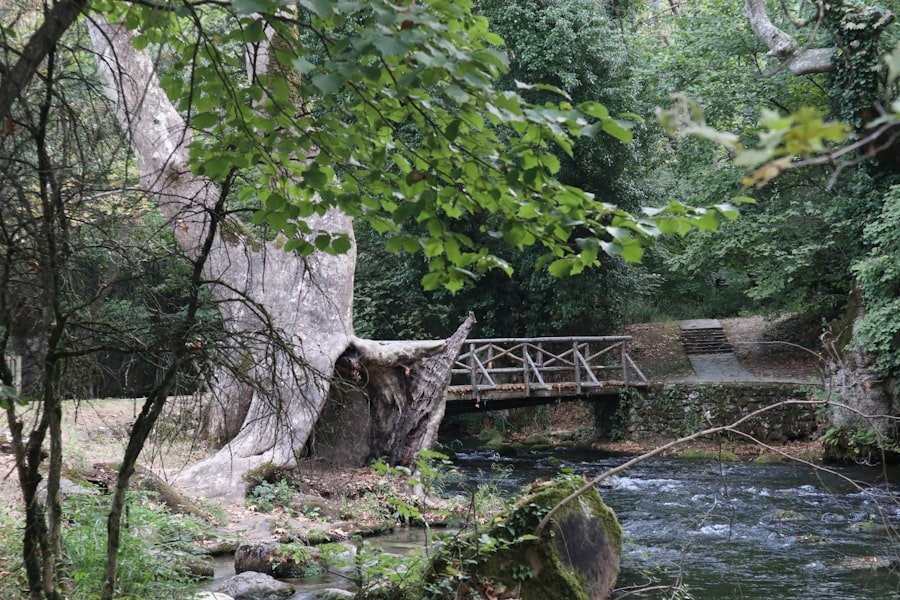
Guided activities are available for visitors who want more context about the area’s ecology, cultural heritage, farming, food, crafts, or wildlife. The park’s activity program currently promotes close to 30 specialist-guided experiences across the year, many in small groups and many reachable by public transport.
Programs change by season, and some require advance booking. Check the current calendar rather than relying on an old list of tours, particularly for wildlife watching, workshops, and limited-capacity events.
Visitor and Discovery Centers
The park currently identifies two discovery centers where visitors can obtain information and learn about the territory:
- Espace découvertes du Marchairuz, useful for visitors exploring the Marchairuz and high-Jura area.
- Espace découvertes de Romainmôtier – La Porterie, an information and interpretation center in Romainmôtier covering the park, the abbey, and the Vallon du Nozon.
Opening times can change seasonally, so check the official practical-information page before making a special trip.
Sustainable Practices and Conservation Efforts in Jura Vaudois Nature Park
Sustainability is central to the purpose of a Swiss regional nature park. Jura Vaudois is not managed simply to exclude human activity. Instead, it works to protect and enhance natural and cultural heritage while supporting sustainable economic activity, education, partnerships, research, and regional development.
The park identifies five broad missions: preserving and enhancing natural and landscape heritage; strengthening economic activities based on sustainable development; promoting education and awareness; supporting partnerships, communication, and territorial coordination; and encouraging research and training.
Its work includes forest and habitat projects, biodiversity initiatives, dry-stone-wall preservation, support for local products, environmental education, sustainable tourism, and efforts to maintain ecological connections between habitats.
Visitors contribute by staying on recommended routes, reducing disturbance to wildlife, taking litter away, respecting protected sites, using public transport when practical, and supporting local businesses and producers.
Tips for Visiting Jura Vaudois Nature Park
The park can be visited throughout the year, but the best activity depends on weather, snow cover, trail conditions, and elevation. Spring and summer suit walking, cycling, and nature observation. Autumn can bring cooler hiking conditions and changing forest colors. In winter, the park publishes routes for cross-country skiing, snowshoeing, sledding, and winter walking.
For a first visit, one full day is enough to explore one part of the park well. Two or more days make it easier to combine contrasting areas such as Vallée de Joux, a high-Jura hike, and Romainmôtier without spending most of the trip traveling between them.
Check Conditions Before Hiking
Weather can change quickly at higher elevations. Check the forecast, trail status, snow conditions where relevant, and your return transport before starting. Carry water, food, suitable footwear, sun and rain protection, and an extra layer even when conditions look settled at the start.
Respect Wildlife and Dog Rules
The park’s hiking guidance asks visitors to respect wildlife quiet zones, stay on recommended paths, and take waste home. Dogs must be kept on a leash all year in nature reserves, protected sites, wildlife-protection areas, safety zones, and pastures occupied by livestock.
From April 1 through July 15, dogs must also be leashed in forests, along forest edges, and on adjoining agricultural meadows within the relevant Vaud rules described by the park.
Give Livestock Space
Cattle are part of the working landscape. Maintain a generous distance, do not touch cows or calves, keep dogs controlled, and make a wide detour when necessary. Close livestock gates after passing through them.
Be Extra Careful in Winter
Winter is demanding for wildlife because animals have less food and must conserve energy. Stay on marked or recommended winter routes and avoid disturbing animals in quiet zones. The park specifically recommends avoiding forest edges and snow-free patches that wildlife may depend on for feeding.
Plan for Accessibility Before Arrival
Accessibility varies widely because many routes cross uneven, steep, or natural terrain. Do not assume a trail is wheelchair accessible unless its listing says so. One specific accessible experience is at the Arboretum du Vallon de l’Aubonne, where an all-terrain wheelchair can be reserved for designated routes. Check current availability and reservation requirements before traveling.
Early mornings and quieter weekdays can provide a calmer experience, but responsible wildlife observation matters more than simply finding an empty trail: keep your distance, stay on permitted routes, and avoid forcing animals to move.
Frequently Asked Questions
What is Jura Vaudois Nature Park?
Jura Vaudois Nature Park is a Swiss regional nature park of national importance in the canton of Vaud. Its current territory covers 574 km² and 35 territorial municipalities. It combines protected habitats and wildlife areas with forests, farms, villages, local businesses, tourism, and cultural heritage.
What are the main attractions in Jura Vaudois Nature Park?
Popular areas include Vallée de Joux, the Risoud forest, Mont Tendre, Saint-Cergue and La Givrine, the Marchairuz and Mollendruz passes, and Romainmôtier with the Vallon du Nozon. The park also offers themed trails, wildlife experiences, cycling routes, and cultural sites.
What activities can visitors enjoy in Jura Vaudois Nature Park?
Depending on the season, visitors can hike, cycle, mountain bike, observe wildlife, photograph nature, explore villages and cultural sites, join guided programs, snowshoe, cross-country ski, sled, and use marked winter walking routes.
Are there visitor centers in Jura Vaudois Nature Park?
Yes. The park currently identifies discovery centers at Marchairuz and at La Porterie in Romainmôtier. They provide visitor information and interpretation, although opening schedules can vary by season.
Is Jura Vaudois Nature Park accessible to people with disabilities?
Accessibility depends on the individual attraction or route because much of the park has natural, uneven terrain. Some dedicated accessible experiences exist, including an all-terrain wheelchair program at the Arboretum du Vallon de l’Aubonne. Check the specific facility before visiting.
What is the best time of year to visit Jura Vaudois Nature Park?
There is no single best season. Spring through autumn is best for most hiking and cycling, while winter brings snowshoeing, cross-country skiing, sledding, and winter walking when snow conditions are suitable. Always check current conditions at the elevation you plan to visit.
Can I visit Jura Vaudois Nature Park without a car?
Yes. Rail and bus services reach several useful gateways, including Saint-Cergue, La Givrine, communities in the Vallée de Joux, and villages around the park. Some high-pass connections are more limited or operate on selected days, so plan the outward and return journey before hiking.
Can I camp or sleep in a camper anywhere in the park?
No. The park states that caravanning is prohibited outside authorized locations and provides a map of approved places. Tent-camping rules can depend on the municipality, land ownership, and protected-area regulations, so verify permission before staying overnight.
Sources
- Parc Jura vaudois: Territory and missions – current park area, population, municipalities, history, and mission.
- Parc Jura vaudois: Practical information – public transport, visitor centers, and nature rules.
- Parc Jura vaudois: Forests – forest cover, forest reserves, wooded pastures, and Noirmont wildlife-protection information.
- Parc Jura vaudois: Species of the park – documented wildlife groups and conservation projects.
- Parc Jura vaudois: Hiking – trail behavior, wildlife protection, dog-leash rules, and livestock guidance.
- Swiss Parks Network: Parc Jura vaudois – national park status, landscape overview, visitor activities, and official park profile.