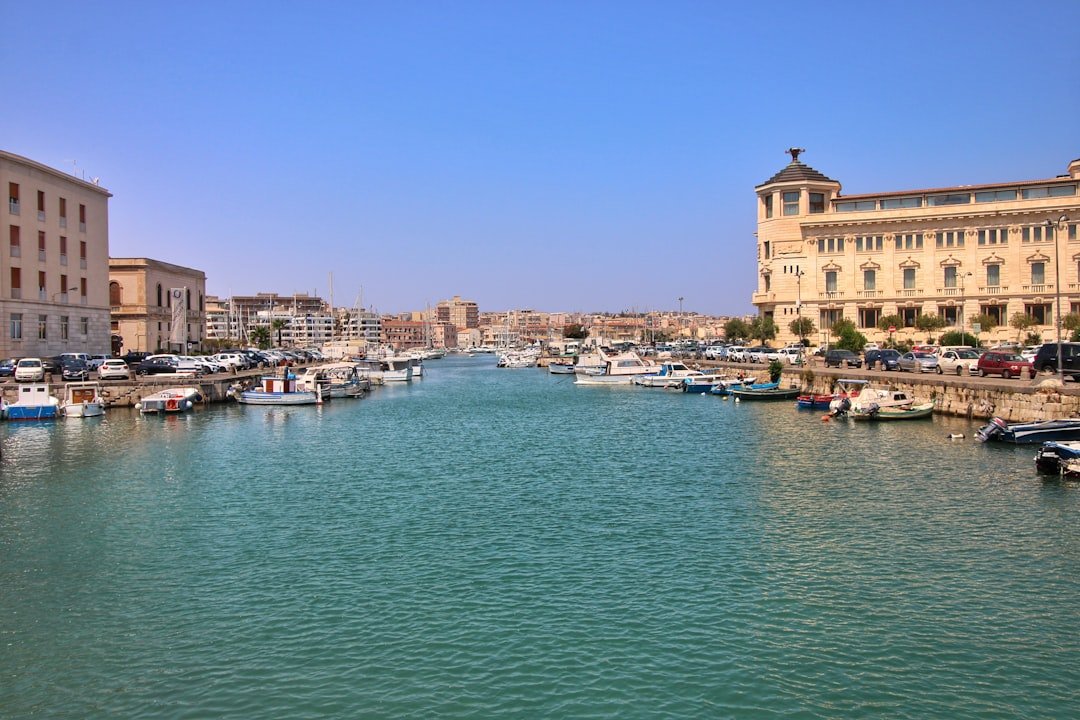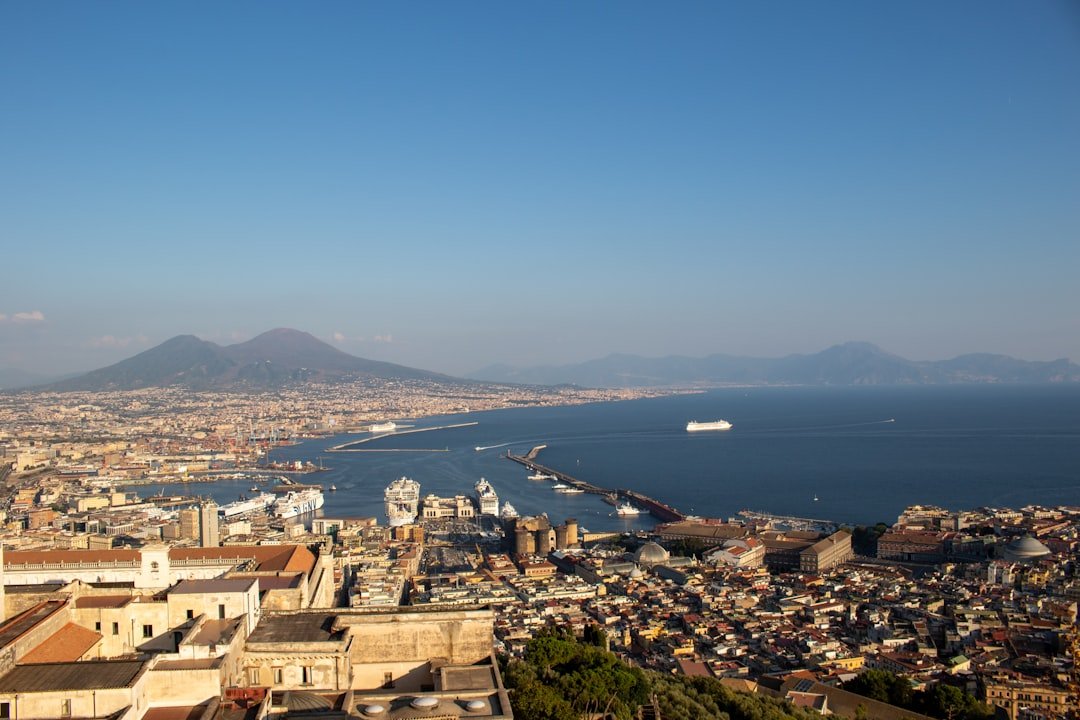
Two days in Naples is enough to experience the historic center, one major museum, the waterfront, classic Neapolitan food, and an underground attraction without rushing from one side of the region to another. The key is to keep the standard itinerary inside Naples and treat Mount Vesuvius, Pompeii, Herculaneum, or Capri as optional substitutes rather than extra stops.
Quick Answer
For a practical Naples 2-day itinerary, spend Day 1 in the UNESCO-listed historic center, the National Archaeological Museum, and a traditional pizzeria. Use Day 2 for the waterfront, Castel Nuovo, Castel dell’Ovo area, and Napoli Sotterranea. If Mount Vesuvius is a priority, use it as a Day 2 alternative instead.
Last updated: September 9, 2026. Attraction access, restoration work, transport schedules, and timed-entry rules can change, so check official sites before your visit.
Key Takeaways
- Keep Day 1 focused on the historic center, MANN, and Neapolitan food.
- Use Day 2 for the waterfront, Castel Nuovo, the Castel dell’Ovo area, and Napoli Sotterranea.
- Do not try to combine a full Vesuvius excursion with all of the central Naples attractions on the same day.
- Most central sights can be reached on foot or by public transport, so a rental car is unnecessary for this itinerary.
- Check Castel dell’Ovo access and book any timed attractions before your trip.
Naples 2-Day Itinerary at a Glance
At a Glance
| Day 1 Morning | Spaccanapoli, Gesù Nuovo, Piazza del Gesù Nuovo, and Santa Chiara |
| Day 1 Afternoon | National Archaeological Museum of Naples |
| Day 1 Evening | Neapolitan pizza, pasta, seafood, or pastries |
| Day 2 Morning | Lungomare waterfront, Castel Nuovo, Castel dell’Ovo area, and Borgo Marinari |
| Day 2 Afternoon | Napoli Sotterranea and additional time in the historic center |
| Optional Day 2 Swap | Mount Vesuvius instead of the standard Day 2 sightseeing schedule |
Day 1: Exploring the Historic Center
Unveiling Spaccanapoli’s Secrets
Begin your first day with a walk through Naples’ historic center. The area forms part of the UNESCO World Heritage property of the Historic Centre of Naples, which preserves layers of Greek, Roman, medieval, Renaissance, and later urban history.
One of the best routes for a first visit follows the streets commonly associated with Spaccanapoli, the east-west line that appears to cut through the old city. Along the way, stop at the Church of Gesù Nuovo. Its distinctive exterior uses diamond-pointed stonework, while the interior is much more elaborate.
A Glimpse into Naples’ Spiritual Life
Continue into Piazza del Gesù Nuovo and take time to look around rather than treating the square only as a route between attractions. Churches, historic buildings, students, residents, visitors, and small businesses all share this part of central Naples.
Inside Gesù Nuovo, the richly decorated interior creates a sharp contrast with the unusual stone façade. As in any active place of worship, keep voices low and respect services or restricted areas.
Exploring Hidden Gems
In Piazza del Gesù Nuovo, you can also see the tall monument to the Immaculate Virgin Mary. Nearby, the Santa Chiara complex is known for its church and majolica-decorated cloister. Its quieter spaces offer a useful break from the busy lanes outside.
Allow time to wander rather than rushing between landmarks. Small workshops, courtyards, churches, food shops, and historic palaces are part of what makes the center rewarding on foot.
Pro Tip: Wear comfortable shoes. The historic center is best explored on foot, and uneven paving is common.
Day 1: Visiting the National Archaeological Museum
After exploring the historic center, spend part of the afternoon at the National Archaeological Museum of Naples, commonly called MANN. It is especially valuable if you are interested in Pompeii, Herculaneum, Roman art, sculpture, mosaics, frescoes, or the archaeology of the wider Campania region.
The museum’s collections include the Farnese Collection, with major sculptures such as the Farnese Hercules and Farnese Bull. It also holds wall paintings, mosaics, everyday objects, and other material from the Vesuvian archaeological area.
The fresco collection is particularly useful before or after visiting Pompeii because it shows Roman wall-painting styles, techniques, mythology, portraits, and domestic decoration in a museum setting.
2026 Visitor Note: MANN currently lists regular opening hours of 9:00 a.m. to 7:30 p.m. and closure on Tuesdays. The museum also states that its entrance has been temporarily moved to the western door during restructuring work and that the Alexander Mosaic is undergoing restoration and is not currently on display. Check the official museum site before your visit.
Plan roughly two to three hours if this is your first visit. Trying to see every gallery can easily consume much more of the day, so choose the collections that interest you most.
Day 1: Enjoying Neapolitan Cuisine
| Neapolitan Specialty | What to Know |
|---|---|
| Pizza Margherita | A classic Naples choice made with tomato, mozzarella, basil, and a soft, blistered crust. |
| Pasta e fagioli | A comforting pasta-and-bean dish with many local variations. |
| Spaghetti alle vongole | Spaghetti with clams, commonly associated with the seafood traditions of the region. |
| Sfogliatella | A traditional pastry with layered or short-crust versions and a sweet ricotta-based filling. |
Food should be part of the itinerary rather than something squeezed in between attractions. Naples has a particularly strong connection with pizza: UNESCO inscribed the Art of Neapolitan ‘Pizzaiuolo’ on the Representative List of the Intangible Cultural Heritage of Humanity in 2017.
L’Antica Pizzeria da Michele is one well-known option for travelers who want a traditional pizza experience, but it is not the only choice. Naples has many excellent pizzerias, so choose according to location, queue length, opening hours, and your preferred style rather than assuming one restaurant is objectively the best.
Beyond pizza, consider pasta e fagioli, spaghetti alle vongole, local seafood, or a sfogliatella. A relaxed dinner is a better end to Day 1 than trying to add another major attraction after the museum.
Day 2: Exploring the Waterfront
Start the second day along the Naples waterfront. The Lungomare gives you open views across the Bay of Naples and, when conditions are clear, toward Mount Vesuvius. It is an easy place for a morning walk, coffee, or gelato before moving back toward the historic core.
Include Castel Nuovo, also known as Maschio Angioino, in this part of the route. The castle is one of the major monuments associated with Naples’ medieval and Aragonese history, and UNESCO specifically identifies Castel Nuovo as part of the historic city’s important architectural heritage.
If interior areas are open during your visit, you can see parts of the monumental complex and its collections. Access to individual rooms or areas can change because of events, maintenance, or restoration, so confirm current visitor information rather than planning around a specific tower or terrace.
Day 2: Visiting the Castel dell’Ovo

Approaching the Castle
Continue along the waterfront toward Castel dell’Ovo on the small island of Megaride. Even when interior access is restricted, the walk toward the castle and the surrounding Borgo Marinari area remain worthwhile for views of the bay and the fortress itself.
Exploring the Castle’s Interior
Do not assume that the castle interior will be open. Restoration and improvement work has affected Castel dell’Ovo, and access information has changed over time. Before building your schedule around an interior visit, check the Comune di Napoli’s Castel dell’Ovo information for your date.
If interior access is available, follow the areas officially open to visitors. If it remains restricted, treat Castel dell’Ovo as an exterior stop and spend the saved time along the waterfront or at Borgo Marinari.
Note: This itinerary does not depend on Castel dell’Ovo being open inside. The seafront, exterior views, and surrounding area still fit naturally into Day 2.
Relaxing in the Surrounding Area
Borgo Marinari and the nearby waterfront have cafes and restaurants where you can stop for a drink or meal while looking across the harbor. This is a good place to slow down before returning toward the historic center for the afternoon.
Day 2: Exploring the Underground City
For the afternoon, return to the historic center for Napoli Sotterranea. The official Napoli Sotterranea route begins near Piazza San Gaetano and takes visitors below the modern city through tunnels, cisterns, and spaces connected with different periods of Naples’ history.
The official route describes remains of the ancient Greek-Roman aqueduct as well as areas used as air-raid shelters during the Second World War. The associated visit also includes remains of the Greek-Roman theater incorporated into later buildings.
Some underground spaces are narrow, dark, and enclosed. Visitors who are uncomfortable in confined spaces should review the official route information before booking. The optional candlelit or narrow portions should not be treated as compulsory if you would rather avoid them.
Pro Tip: Check the current tour timetable before arriving. A scheduled underground visit is much easier to fit into a two-day itinerary than showing up without knowing the next departure time.
Optional Day 2 Swap: Taking a Day Trip to Mount Vesuvius
If standing near the crater of Mount Vesuvius is more important to you than the waterfront and underground attractions, use Vesuvius as your main Day 2 activity instead of trying to add it after a full day in Naples.
The volcano is historically connected with the AD 79 eruption that buried Pompeii and Herculaneum. A visit today requires more planning than simply driving to the summit. The Vesuvius National Park currently requires Gran Cono tickets to be purchased online in advance and uses timed access.
The official visitor information describes the crater excursion as roughly two to three hours depending on the route, before you add the journey from Naples. Public-transport options normally involve reaching the Vesuvian area by rail and then using a bus, shuttle, or other connection toward the trail entrance.
Warning: Do not arrive at Vesuvius assuming you can buy a normal entrance ticket at the trail. Current rules require online booking, and weather or safety conditions can close access. Wear suitable walking shoes, carry water, and check the official park notice before leaving Naples.
Once on the permitted route, the volcanic landscape and views over the Bay of Naples make the excursion memorable. However, it works best when given a large part of the day rather than treated as a quick detour.
Where to Stay in Naples
For a two-day visit, location matters more than having a long list of hotel amenities. Staying near the historic center, Toledo, Chiaia, Santa Lucia, or another well-connected central area reduces the amount of time you lose to transport.
Chiaia and Santa Lucia work well if you prefer the waterfront and a more polished evening atmosphere. Grand Hotel Parker’s is one example of an upscale property in the wider Chiaia area, but compare its exact location with the attractions you want to visit before booking.
The historic center is more convenient if you want to step directly into old streets, churches, pizzerias, and nightlife. Vomero is another option for travelers who prefer a hilltop residential area and do not mind using the metro or funicular to reach the central sights.
Where to Eat in Naples
Naples gives you choices ranging from quick street food to formal dining. Around Via dei Tribunali and the historic center, you can find pizza, fried snacks, pastries, and small casual restaurants that work well during a sightseeing day.
For a lively traditional atmosphere, Trattoria da Nennella is a commonly mentioned option in the Spanish Quarter. Travelers looking for a more formal meal may consider restaurants such as Palazzo Petrucci. Restaurant quality, menus, prices, and opening days can change, so check current information and make a reservation when a specific place is important to you.
Do not spend the entire trip chasing famous restaurant names. A well-reviewed neighborhood pizzeria or trattoria near your route can save time and still give you a strong introduction to Neapolitan food.
Getting Around Naples Without a Car
You do not need to rent a car for this two-day city itinerary. Most stops in the historic center are close enough to connect on foot, while Naples’ public-transport network covers longer journeys.
ANM Metro Line 1 serves useful central stations including Garibaldi, Duomo, Municipio, Toledo, Dante, and Museo. Metro, funicular, bus, tram, and regional rail connections can also help with areas beyond the walking core.
Traffic, parking, limited-access streets, and unfamiliar driving conditions can make a rental car more trouble than it is worth for a short central stay. A car becomes more relevant only if your wider trip includes places that are difficult to reach efficiently by public transport.
What to Check or Book Before Your Two Days in Naples
- MANN: Check opening days, temporary entrance information, and any gallery closures before fixing your museum time.
- Napoli Sotterranea: Review the day’s guided-tour timetable so the underground visit fits your afternoon.
- Castel dell’Ovo: Verify whether interior areas are open; keep the exterior and Borgo Marinari as your fallback.
- Mount Vesuvius: If you choose the Vesuvius alternative, buy the official timed ticket online before arranging transport.
- Restaurants: Reserve only the places you consider essential; leave some flexibility for spontaneous meals.
- Transport: Check current ANM or regional transport information if your plans depend on a particular evening train, metro, or bus.
Naples, a City of History and Culture
Naples rewards travelers who give its neighborhoods time rather than treating the city as a checklist between Pompeii, Capri, and the Amalfi Coast. In two days, you can see the historic center, study ancient objects at MANN, eat food closely tied to local traditions, walk the waterfront, and explore part of the city below street level.
The most important planning decision is what not to add. Keeping the standard itinerary inside Naples gives you time to notice its churches, lanes, markets, waterfront, food, and everyday street life. If Vesuvius, Pompeii, Herculaneum, or Capri is your main priority, substitute that excursion for part of the city itinerary instead of attempting everything at once.
If you want a slower break from sightseeing, use the waterfront for an unstructured walk, coffee, gelato, or an early evening meal. Leaving a little unscheduled time often makes a short Naples trip feel more enjoyable than filling every hour with another attraction.
Frequently Asked Questions
What is the best time to visit Naples?
For many first-time visitors, April through June and September through October offer a comfortable balance for walking and sightseeing. Summer can be hotter and busier, while winter is generally quieter. The best month ultimately depends on your tolerance for heat, crowds, rain, and seasonal prices.
What are the must-see attractions in Naples?
For a first two-day trip, prioritize the historic center, Gesù Nuovo and Santa Chiara area, the National Archaeological Museum, the waterfront, Castel Nuovo, the Castel dell’Ovo area, and one underground or archaeological experience.
What should I do during a 2-day itinerary in Naples?
Spend Day 1 in the historic center, MANN, and a traditional pizzeria. On Day 2, explore the waterfront, Castel Nuovo, the Castel dell’Ovo area, and Napoli Sotterranea. This keeps travel time low and leaves enough time to enjoy each area.
Can I visit Mount Vesuvius during a 2-day Naples trip?
Yes, but it is better to use Mount Vesuvius as a substitute for much of Day 2 rather than adding it to the full city schedule. The excursion requires transport plus a timed online ticket and several hours for the crater visit.
Can I add Pompeii, Herculaneum, or Capri to this itinerary?
You can, but each works better as a replacement for part or all of Day 2. Trying to combine a major day trip with every central Naples attraction will leave very little time at each place.
What is local cuisine in Naples known for?
Naples is strongly associated with Neapolitan pizza and the UNESCO-listed art of the Neapolitan pizzaiuolo. Other popular local choices include pasta e fagioli, spaghetti alle vongole, seafood, fried snacks, and pastries such as sfogliatella.
Is Castel dell’Ovo open to visitors?
Access has been affected by restoration and improvement work, so do not assume that interior areas will be open on your travel date. Check the Comune di Napoli’s current information before visiting. The exterior, waterfront, and Borgo Marinari can still be included in the itinerary.
Is it necessary to rent a car in Naples?
No. Central Naples is well suited to walking, and metro, funicular, bus, tram, and rail services cover many longer journeys. For a two-day city itinerary, public transport is usually simpler than dealing with traffic and parking.
Sources
- UNESCO World Heritage Centre — Historic Centre of Naples — World Heritage status, history, and important monuments.
- National Archaeological Museum of Naples — collections, current opening information, restoration notices, and visitor updates.
- Napoli Sotterranea — official underground route, historical features, theater, aqueduct, and visitor information.
- Vesuvius National Park — Gran Cono — current ticketing, access, trail, weather, and transport guidance.
- ANM — Naples Metro Line 1 — central metro stations and current service information.
- UNESCO Intangible Cultural Heritage — Art of Neapolitan Pizzaiuolo — the Naples pizza-making tradition and its 2017 UNESCO inscription.