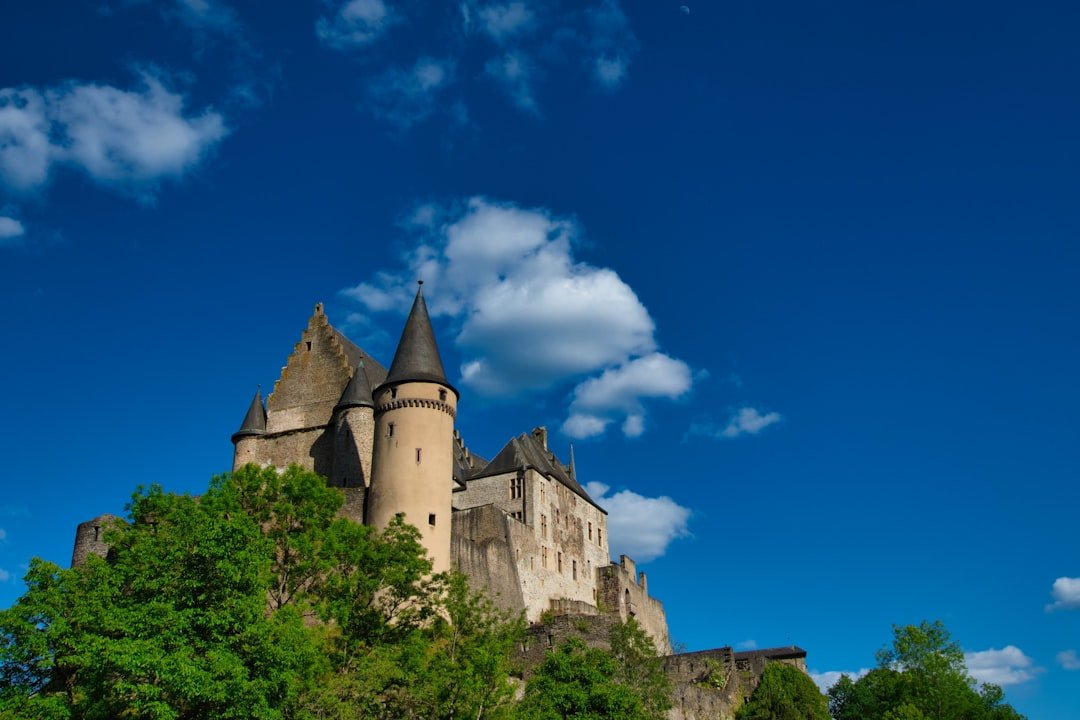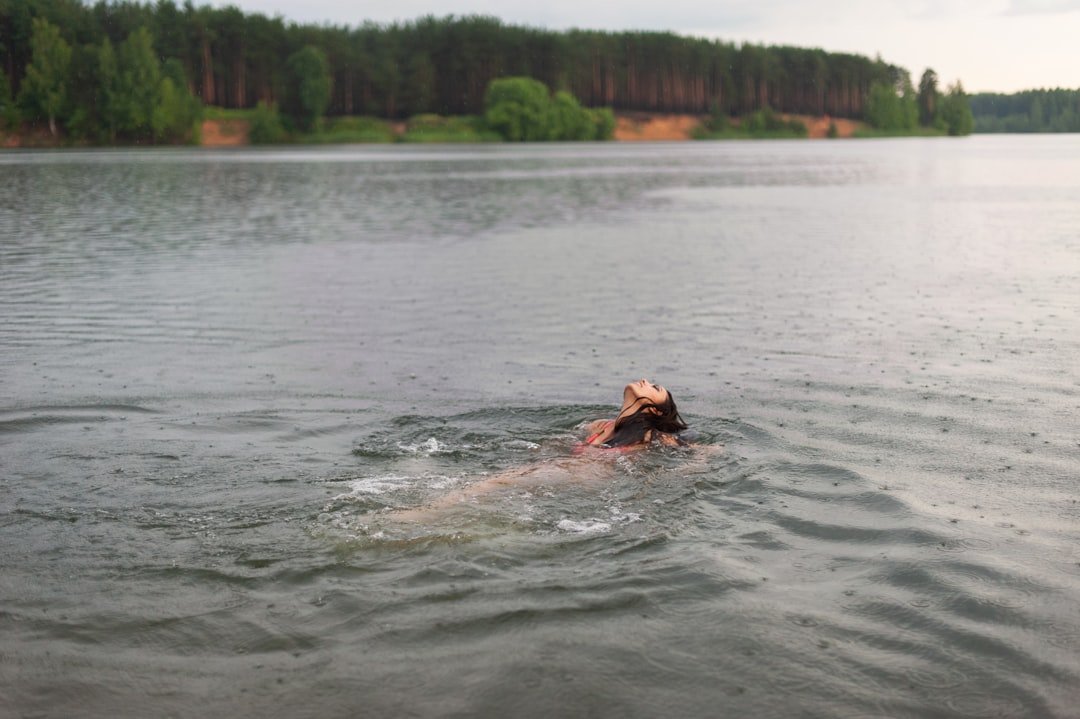
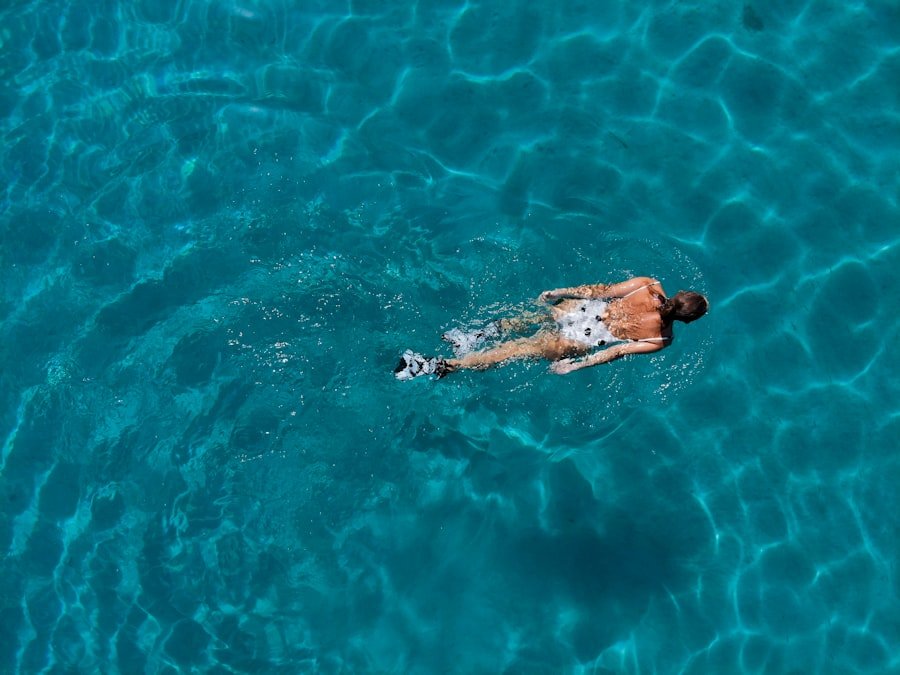
Lake Lucerne is one of Switzerland’s most appealing places for a summer swim, with alpine scenery, public bathing areas, traditional lidos, and easy lake access around Lucerne, Weggis, Beckenried, and other shoreline communities. Swimming can be a wonderful part of a visit, but the experience varies greatly between managed bathing facilities and unsupervised open water, so it pays to choose your entry point carefully.
Quick Answer
Yes, you can swim in Lake Lucerne. Popular choices include Ufschötti, Lido Lucerne, Strandbad Tribschen, Lido Weggis, and Strandbad Beckenried. Official 2026 monitoring gave Class A bathing-water results to several tested Lake Lucerne sites. Always check local conditions, respect marked swimming zones, and never assume a lifeguard is present.
Key Takeaways
- Lake Lucerne has both managed lidos and free public bathing areas, so facilities and supervision differ by location.
- The 2026 Central Switzerland bathing-water report rated Ufschötti, Lido-Strandbad Weggis, and Strandbad Beckenried as Quality Class A.
- Stay aware of cold water, changing weather, boat traffic, your swimming ability, and local signs before entering the lake.
- Lifeguards are not guaranteed at every swimming area, and some facilities explicitly operate without bathing supervision.
- Swimming can provide aerobic exercise and mental-health benefits, but open-water conditions require more caution than a swimming pool.
The Benefits of Swimming in Lake Lucerne
Swimming is an effective form of water-based physical activity that works many muscle groups while placing less impact on the joints than many land-based activities. The U.S. Centers for Disease Control and Prevention notes that water-based exercise can provide physical and mental-health benefits and can be especially useful for people who find some forms of land exercise uncomfortable.
The setting adds another dimension. Instead of swimming laps inside a building, you can look toward Mount Pilatus, Rigi, wooded slopes, lakeside towns, and the changing light over the water. A relaxed recreational swim can also provide a welcome break from sightseeing, hiking, or a busy travel schedule.
Note: The health benefits come from swimming and physical activity in general. Lake Lucerne’s scenery may make the activity more enjoyable, but it does not remove the normal risks associated with cold or open water.
Safety Tips for Swimming in Lake Lucerne
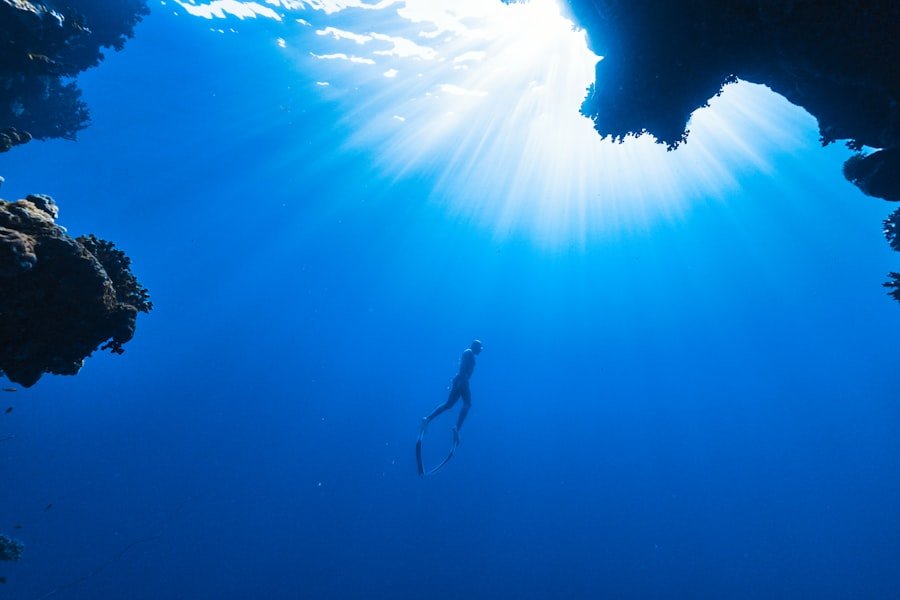
Lake swimming deserves more preparation than stepping into a controlled indoor pool. Before entering, check the weather, look at the water conditions, read any signs at the bathing area, and make sure the location suits your ability. The Swiss Lifesaving Society’s bathing rules provide the best general starting point for swimming safely in Switzerland.
Warning: A marked bathing area does not automatically mean that a lifeguard is watching the water. Supervision varies by facility and weather. Never rely on the presence of a lifeguard unless the venue specifically confirms one is on duty.
- Match the swim to your ability. Beginners and weak swimmers should stay in shallow or clearly designated bathing areas.
- Prefer a buddy. Open-water swimming alone leaves you without immediate help if you develop cramp, fatigue, cold stress, or another problem.
- Stay visible. Avoid active boat routes and remain inside marked swimming zones where available.
- Check the weather before entering. Alpine weather can change quickly, and strong wind, thunderstorms, or rough water can turn an easy swim into a difficult one.
- Respect cold water. Water can feel much colder than the air, especially outside peak summer. Enter gradually and leave the water if you become very cold, weak, confused, or unable to swim normally.
- Do not dive into unknown water. Depth, underwater rocks, structures, or sudden drop-offs may not be obvious from the surface.
- Keep children within active reach and supervision. Inflatable toys and swimming aids do not replace an attentive adult.
- Follow local restrictions. Nature-protection zones, boat facilities, private shoreline, or temporary warnings may affect where entering the water is appropriate.
Pro Tip: If you plan to swim beyond a small bathing enclosure, a brightly colored swim cap or open-water tow float can make you easier to see. Visibility equipment is an extra precaution, not a substitute for swimming ability, local knowledge, or proper supervision.
Popular Swimming Spots Around Lake Lucerne
There is no single “best” swimming spot because the experience ranges from free public beaches to full-service lidos. The table below uses current official facility information and, where available, the 2026 Central Switzerland bathing-water classification.
| Swimming Spot | Location | Key Facilities | 2026 Water Quality | Supervision Note |
| Ufschötti | Lucerne | Free access, sandy shoreline, lawns, WC, kiosk | Class A | Public bathing area; check local signs and conditions |
| Lido Weggis | Weggis | Changing rooms, showers, restaurant, playground, diving tower, lounge-chair and SUP rentals | Class A | Official information states that lifeguards are not on duty in cold and rainy weather |
| Strandbad Tribschen | Lucerne | Designated lake-swimming area, children’s pool, playground, food, kayak and SUP rental | Check current local information | Use the designated swimming area and follow venue instructions |
| Strandbad Beckenried | Beckenried | Sunbathing lawn, children’s pool, diving board, restaurant, SUP rental, paid parking nearby | Class A | No bathing supervision |
| Lido Lucerne | Lucerne | Long sandy beach, heated pool, restaurant, toilets, showers and changing facilities | Check current local information | Follow current bathing regulations and venue notices |
The official 2026 Central Switzerland bathing-water report classified the tested sites at Ufschötti, Lido-Strandbad Weggis, and Strandbad Beckenried as Quality Class A. The regional bathing-water report is more useful than unsourced labels such as “excellent” or “good” because it uses the official testing system.
Ufschötti is especially convenient if you want a free swim close to central Lucerne. Lucerne Tourism describes it as a public park with an almost 200-meter sandy beach, lawns, WC facilities, and a kiosk. If you prefer more developed facilities, Lido Lucerne, Strandbad Tribschen, and Lido Weggis provide a more traditional lido experience.
For a quieter setting away from central Lucerne, Weggis and Beckenried place you close to the mountains and village waterfronts. You can also explore other public bathing areas around the lake, but check local rules before entering from an unfamiliar shoreline. A secluded-looking bay may still have boat traffic, private access restrictions, underwater hazards, or no supervision.
Water Quality and Swimming Conditions
The Canton of Lucerne describes the overall water quality of Lake Lucerne as good and notes that the lake has high water clarity. However, that does not mean every point on the shoreline is continuously tested for bathing. Official bathing-water monitoring is conducted at selected locations, so the most useful approach is to check the latest result for the actual place where you plan to swim.
In the June 2026 Central Switzerland bathing-water report, Ufschötti, Lido-Strandbad Weggis, and Strandbad Beckenried were all classified as Quality Class A.
Water temperature also changes throughout the year and can vary with weather, depth, wind, and location. Summer generally provides the easiest conditions for recreational swimmers. Spring and autumn can be noticeably colder even when the weather on shore feels pleasant. Instead of relying on a generic seasonal temperature, check current local conditions shortly before your swim.
Exploring the Wildlife and Flora While Swimming in Lake Lucerne
Lake Lucerne supports a varied freshwater ecosystem. Fish documented in the lake include perch, known locally as Egli, and several types of whitefish, commonly called Felchen. The Canton of Lucerne’s Lake Lucerne fishery information also lists species such as trout, char, pike, and others.
You may occasionally see fish in clear shallows, along with waterbirds near the shoreline. The surrounding landscape includes forests, reeds, aquatic vegetation, lawns, gardens, and seasonal wildflowers. These habitats are part of the lake’s appeal, but they should be observed without chasing, feeding, or disturbing wildlife.
If wildlife watching is one of your goals, binoculars are more useful from shore than while you are swimming. A quiet lakeside walk before or after your swim gives you more time to notice birds and shoreline habitats while keeping your attention on safety when you are actually in the water.
The Cultural and Historical Significance of Lake Lucerne
A swim in Lake Lucerne can easily be combined with the area’s cultural sights. Lucerne itself is known for medieval architecture, waterfront promenades, museums, historic streets, and one of Switzerland’s most recognizable bridges.
The Chapel Bridge dates from the 14th century and originally formed part of Lucerne’s defenses. Its famous triangular paintings were added later, with the pictorial program developed in the early 17th century. A major fire damaged much of the bridge in 1993, and the missing section was reconstructed before the bridge reopened in 1994.
That history creates an unusual contrast: you can spend part of the day swimming in an alpine lake and another part walking through Lucerne’s old center. Lakeside communities such as Weggis and Vitznau offer a different atmosphere, with mountain views, promenades, and easy connections to nearby excursions.
Activities to Enjoy Around Lake Lucerne After a Swim
A boat trip is one of the easiest ways to continue exploring after you leave the water. The Lake Lucerne Navigation Company operates scheduled services across the lake, connecting Lucerne with communities and excursion points around the shoreline. Check the current SGV timetable before planning your route because services vary by season.
Hiking is another natural pairing with a swim. The Lake Lucerne region has everything from easy waterfront walks to demanding mountain routes. Choose a trail that fits your ability and allow enough time to change, dry off, eat, and rehydrate before starting a strenuous climb.
If you prefer a slower afternoon, walk along a lakeside promenade, explore local shops, stop at a café, or relax in a park. Lucerne’s waterfront makes it particularly easy to combine swimming with sightseeing without needing a full-day excursion.
Tips for Planning a Memorable Swimming Adventure in Lake Lucerne
Summer is generally the most convenient season for recreational swimming because air temperatures are warmer and lidos operate their main bathing-season schedules. Spring and autumn can be peaceful and less crowded, but the water may be much colder. Venue hours can also change because of weather, season, maintenance, or special events.
Before leaving your accommodation, check the day’s forecast, your chosen bathing area’s current opening information, and any safety or water-quality notices. Researching the actual swimming spot is more useful than assuming conditions are the same everywhere around such a large lake.
What to Bring
- Swimsuit and towel
- Sunscreen and sun protection
- Drinking water
- Dry clothes for after the swim
- Snacks or money for the lido kiosk or restaurant
- A waterproof or water-resistant bag for valuables
- Water shoes if you prefer extra protection on rocky or uneven shorelines
- A bright swim cap or visibility aid if you are an experienced open-water swimmer leaving a small enclosed bathing area
Leave time to relax rather than treating the lake as another attraction to rush through. Sitting by the water, having a meal, or taking a short lakeside walk can be as memorable as the swim itself.
If you are preparing food for after your swim, you might also enjoy making a simple homemade snack in advance. This homemade cottage cheese recipe is one option to prepare before your day at the lake.
In conclusion, Lake Lucerne combines alpine scenery, established bathing facilities, free public access points, recreation, and cultural attractions in a way that makes swimming easy to include in a Swiss itinerary. The best experience comes from choosing a swimming area that matches your ability, checking current conditions, respecting open-water hazards, and allowing enough time to enjoy both the lake and its surroundings.
Frequently Asked Questions
Is it safe to swim in Lake Lucerne?
Swimming is popular at established Lake Lucerne bathing areas, and official monitoring shows good results at many tested sites. Safety still depends on weather, water temperature, swimming ability, boat traffic, the specific entry point, and whether supervision is available. Check current local notices before entering.
Are there designated swimming areas in Lake Lucerne?
Yes. Popular examples include Lido Lucerne, Strandbad Tribschen, Lido Weggis, Strandbad Beckenried, and public bathing areas such as Ufschötti. Facilities differ, so check the venue before you go.
What is the water temperature in Lake Lucerne?
Lake Lucerne’s water temperature changes by season, weather, depth, and location. Summer is generally most comfortable for recreational swimming, while spring, autumn, and winter can be much colder. Check current local conditions rather than relying on a single annual temperature figure.
What safety precautions should I take when swimming in Lake Lucerne?
Check weather and local notices, use a suitable bathing area, stay visible to boats, avoid unknown diving locations, respect cold water, and swim with another person when possible. Weak swimmers should remain in shallow or clearly designated areas.
Do Lake Lucerne swimming areas have lifeguards?
Not always. Lifeguard coverage varies by facility and conditions. For example, official information states that Strandbad Beckenried has no bathing supervision, while Weggis Lido may have no lifeguards on duty in cold and rainy weather. Never assume supervision is present.
What is the current bathing-water quality at Lake Lucerne?
The 2026 Central Switzerland bathing-water report classified Ufschötti, Lido-Strandbad Weggis, and Strandbad Beckenried as Quality Class A. Testing applies to specific monitoring sites, so check the latest information for the place where you intend to swim.
Can I participate in water sports on Lake Lucerne?
Yes. Depending on the location, you can find activities such as stand-up paddleboarding, kayaking, sailing, and other water sports. Some lidos, including Weggis and Tribschen, advertise equipment rentals. Keep water-sport activities away from designated swimming areas where required and follow local navigation rules.
Is Lake Lucerne suitable for children?
Several lidos provide children’s pools, playgrounds, or designated swimming areas, making them better choices for families than an unfamiliar open shoreline. Children still require active adult supervision, even when flotation aids or shallow-water facilities are available.
Sources
- Canton of Lucerne: Lake Lucerne — overall lake water quality, monitoring, and environmental information.
- Central Switzerland Bathing-Water Control 2026 — current bathing-water classifications for monitored Lake Lucerne sites.
- Swiss Lifesaving Society Bathing Rules — general swimming and water-safety guidance.
- Canton of Lucerne: Lake Lucerne Fishery — documented fish species and lake fishery information.
- Lucerne Tourism: Chapel Bridge and Water Tower — verified historical information about Lucerne’s landmark bridge.
- CDC: Swimming and Your Health — evidence-based information about the benefits and risks of water-based exercise.