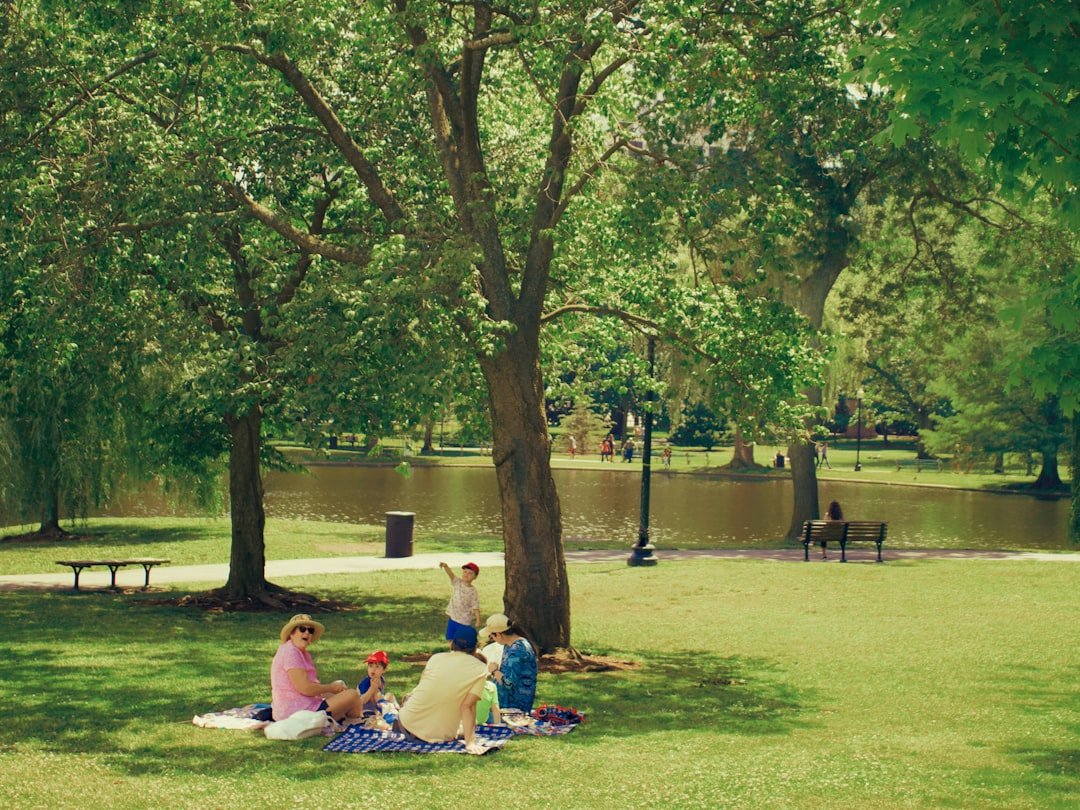
Hyde Park is one of central London’s best-known Royal Parks, covering about 350 acres beside Kensington Gardens. You do not need a general admission ticket to enter the park, and its pedestrian gates are normally open from 5am until midnight every day. Some activities, sports facilities, concerts, and seasonal events have separate charges or ticket requirements.
Quick Answer
Hyde Park is free to enter, so you do not need a general Hyde Park ticket. The pedestrian gates normally open from 5am to midnight daily. You may still need to pay or book separately for boating, sports, swimming, concerts, Winter Wonderland, and other special activities or events.
Key Takeaways
- General admission to Hyde Park is free; no standard park-entry ticket is required.
- Pedestrian gates are normally open from 5am until midnight every day.
- Paid or bookable activities can include boating, sports, swimming, concerts, and seasonal events.
- Top sights include the Serpentine, Speakers’ Corner, the Rose Garden, the Diana, Princess of Wales Memorial Fountain, the Holocaust Memorial, and the Achilles statue.
- Cycling is limited to designated routes, barbecues and open fires are prohibited, and dogs must follow area-specific restrictions.
- Check The Royal Parks’ Hyde Park page before travelling because temporary closures, events, and activity availability can change.
Current visitor update — September 2026: The Royal Parks is still displaying a notice about a fault affecting the water system at the Diana Memorial Fountain; the surrounding grounds have reopened, but the water feature is not operating normally. The Serpentine Lido is also listed as temporarily closed because of blue-green algae and will reopen only when water testing confirms safe conditions. Check the official Hyde Park page for the latest status before your visit.
Hyde Park covers approximately 142 hectares, or 350 acres, and its perimeter is roughly three miles, according to The Royal Parks.
History of Hyde Park
Hyde Park’s recorded royal history stretches back to the Tudor period. In 1536, King Henry VIII acquired the land from the monks of Westminster Abbey and used it as a royal hunting ground. James I later allowed limited access, but the major change came in 1637 when Charles I opened the park to the general public. You can read the official chronology on The Royal Parks’ Hyde Park history page.
The landscape changed again in the 18th century under Queen Caroline, wife of George II. She separated land that became Kensington Gardens and created the Serpentine by damming the Westbourne Stream. The curving lake helped popularise a more natural-looking style of landscape design.
Hyde Park also became an important national gathering place. In 1851, the park hosted the Great Exhibition inside Joseph Paxton’s Crystal Palace. The exhibition brought together industry, engineering, science, art, and products from around the world. The Royal Parks records that about six million people visited during its six-month run.
The park later became closely associated with protest and public speech. Reform demonstrations in the 1860s helped establish the tradition that developed into Speakers’ Corner. In 1872, legislation formalised public speaking in the north-east part of the park. Suffragettes also held major meetings and rallies in Hyde Park during the early 20th century, making the park an important location in Britain’s history of public assembly and political campaigning.
Free Entry to Hyde Park
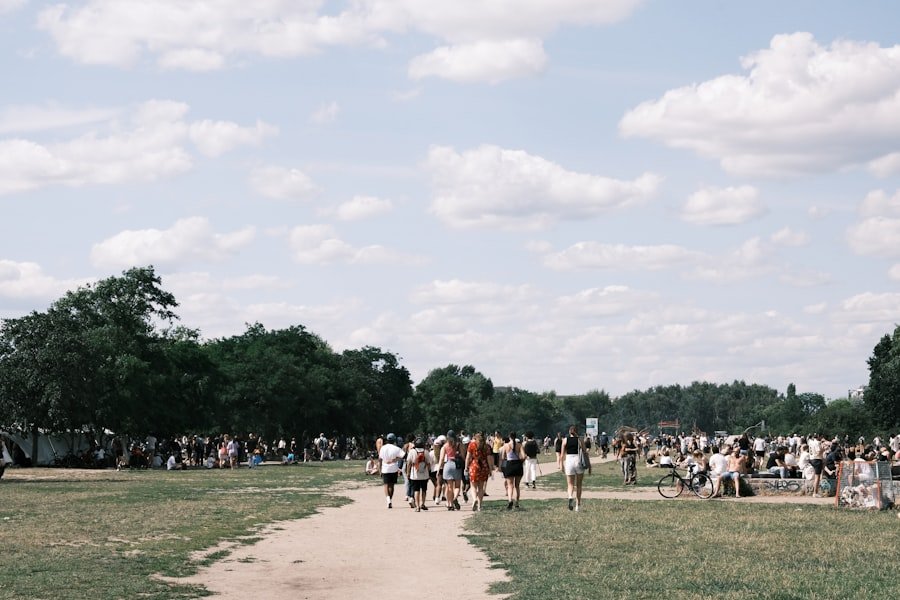
General entry to Hyde Park is free. You do not need to buy a ticket simply to walk through the gates, explore the lawns, visit Speakers’ Corner, see most monuments, enjoy the Rose Garden, or walk beside the Serpentine.
That does not mean everything inside the park is free. Separate charges, reservations, or tickets can apply to activities such as boating, tennis, padel, swimming, organised coaching, concerts, and major seasonal events. Current activity information is available from The Royal Parks Sports & Leisure service.
Pro Tip: If a website is selling a “Hyde Park ticket,” check exactly what the ticket covers. It may be for a concert, attraction, tour, sport, boating session, or seasonal event rather than ordinary entry to Hyde Park itself.
Events and Activities in Hyde Park
Hyde Park hosts activities ranging from everyday recreation to some of London’s largest outdoor events. Walking, running, informal picnics, wildlife watching, and visiting most monuments can be enjoyed without buying a general admission ticket.
The Serpentine is a major focus for recreation. Rowing boats and pedalos are available through the park’s official boating service, subject to operating conditions. The park also has facilities for tennis, padel, football, netball, lawn bowls, running, horse riding, and other sports. Some facilities require payment or booking.
Swimming is different from simply entering the park. Most of the Serpentine is not open for public swimming. Public swimming normally takes place only in the designated Serpentine Lido when it is officially open. Because water conditions can cause temporary closures, check the current notice before planning a swim.
Hyde Park is also known for major events. BST Hyde Park brings large-scale music concerts to the park in summer, while Winter Wonderland occupies part of the park during the festive season. These event areas operate separately from ordinary park access and can require event-specific tickets, security checks, or reservations.
Hyde Park’s Landmarks and Attractions
The Serpentine is one of Hyde Park’s defining features. Its waterside paths give visitors views across the lake, opportunities to watch birds, and access to cafés and boating facilities. The lake connects with the Long Water in neighbouring Kensington Gardens, although Hyde Park and Kensington Gardens are separate Royal Parks.
Diana, Princess of Wales Memorial Fountain
The Diana, Princess of Wales Memorial Fountain opened in 2004. Its design uses flowing water moving in two directions before meeting in a calmer pool, representing different aspects of Diana’s life. The memorial has wheelchair-accessible paths. Dogs are not permitted within the memorial area except registered assistance dogs, and alcohol is not allowed there. Check the official fountain page for seasonal opening hours and temporary maintenance notices.
Speakers’ Corner
Speakers’ Corner sits near Marble Arch on the north-east edge of Hyde Park. Public speaking has a long history here, and the area remains associated with debate, protest, and free expression. Speakers may appear at different times, but Sunday remains the traditional day when visitors are most likely to find active discussions.
Rose Garden
The Rose Garden offers formal planting and seasonal colour in the south-east part of Hyde Park. Dog restrictions apply within the garden, so visitors with pets should follow signs and current Royal Parks guidance.
Memorials and Statues
Hyde Park contains monuments reflecting British military, political, royal, and social history. These include the Achilles statue and Britain’s first permanent memorial dedicated to victims of the Holocaust. Exploring the park’s monuments can easily form part of a self-guided walk.
Wildlife and Nature in Hyde Park
Hyde Park is a significant green habitat in central London. Its 350 acres include grassland, mature trees, wildflower areas, reedbeds, lake-edge habitat, and landscaped gardens. These different environments support birds, insects, plants, and other wildlife.
Around the Serpentine, visitors may see swans, ducks, geese, gulls, cormorants, herons, great crested grebes, and other water birds. The Royal Parks also highlights smaller species such as robins, wrens, goldcrests, and tits in the park’s naturalised gardens.
Reedbeds beside the Serpentine provide cover for nesting birds and habitat for insects such as dragonflies and damselflies. Meadow areas also support bees, butterflies, and wildflowers. For more detail, see The Royal Parks’ Hyde Park wildlife guide.
Note: Do not feed the park’s wildlife. The Royal Parks advises that feeding wild birds and animals can harm their health, alter natural behaviour, and create problems for the park ecosystem.
Facilities and Amenities in Hyde Park
Hyde Park has several cafés, kiosks, toilets, sports facilities, seating areas, and other visitor services. Main food outlets include the Serpentine Bar & Kitchen, Serpentine Lido Café, The Lodge Café, and The Courts Café, along with smaller refreshment kiosks.
Public toilets are available at several points around the park. At the time of this update, The Royal Parks lists a 20p toilet charge and says payment is contactless rather than cash. Because charges and individual facility opening hours can change, check the official Hyde Park map when planning your route.
Families can use the Hyde Park playground near South Carriage Drive. The park also provides accessible toilets at selected locations, and several visitor facilities have step-free access.
Hyde Park has public parking accessed from West Carriage Drive, but central London’s public transport network usually makes the Underground, bus, walking, or cycling more convenient for most visitors.
How to Get to Hyde Park
Hyde Park is easy to reach from several sides, so the best station depends on what you want to see first.
- Hyde Park Corner: Piccadilly line; useful for the south-east side, Rose Garden, and Hyde Park Corner entrances.
- Marble Arch: Central line; convenient for Speakers’ Corner and the north-east corner.
- Lancaster Gate: Central line; useful for the northern side of the park.
- Knightsbridge: Piccadilly line; convenient for the southern side and areas near the Serpentine.
Numerous bus routes also stop around Park Lane, Bayswater Road, Knightsbridge, and Hyde Park Corner. Use the Transport for London journey planner for live routing, disruption information, and the best stop for your chosen entrance.
Cycling is another option, and cycle-hire points are available around the area. Once inside Hyde Park, however, cyclists must stay on designated cycle routes rather than using every footpath.
Tips for Visiting Hyde Park
- Check the official park page before leaving. Temporary closures, major events, maintenance, and weather-related restrictions can affect individual attractions.
- Choose your entrance based on your first stop. Hyde Park is large, and arriving at the wrong side can add a substantial walk.
- Wear comfortable shoes. A visit covering the Serpentine, Speakers’ Corner, memorials, and gardens can involve several miles of walking.
- Allow at least a couple of hours for a first visit. You can spend much longer if you add boating, sports, a picnic, Kensington Gardens, or an event.
- Bring weather protection. London’s conditions can change quickly, so sunscreen, water, a light waterproof layer, or an umbrella can be useful depending on the forecast.
- Use the official map. It shows entrances, toilets, accessible facilities, cafés, monuments, attractions, and sports areas.
- Expect crowds during major events and sunny weekends. Some paths or sections of the park may be busier or temporarily managed differently.
Hyde Park’s Rules and Regulations
Hyde Park is a public space, but visitors must follow The Royal Parks’ regulations and local signs. Rules may differ by activity and by area of the park.
Dogs
Dogs generally do not have to remain on a lead throughout Hyde Park, but owners must keep them under control. Lead requirements or dog exclusions apply in specified areas, including parts of the Serpentine surroundings, the Rose Garden, the Diana Memorial Fountain area, sports spaces, and other sensitive locations. Follow signs on site and the current Royal Parks dog policy.
Cycling
Cycling is permitted only on designated cycleways and roads. Smaller pedestrian paths may display “no cycling” markings. Pedestrians have priority, and cyclists should slow down and give other park users sufficient space.
Barbecues and Fires
Warning: Barbecues, open fires, and other fire-lighting are prohibited in Hyde Park. Informal picnics are welcome, but visitors should use bins or take litter away and should never leave anything that could endanger wildlife or start a fire.
Fishing
Fishing is not simply permitted anywhere around the Serpentine. The Royal Parks’ Hyde Park management policy provides for fishing only in a designated area, during approved hours, with the required licence arranged through park management. Do not fish outside authorised arrangements.
Swimming
Swimming is prohibited across most of the Serpentine. Public swimming normally takes place only in the marked Serpentine Lido when the Lido is officially open and conditions are safe. Never enter closed or undesignated water areas.
Wildlife and Picnics
Do not feed or disturb wildlife. Informal picnics are allowed, but larger gatherings can require prior approval or a licence. Anyone planning a large group picnic, organised fitness session, commercial activity, demonstration, or event should check The Royal Parks’ current requirements before arriving.
Conclusion and Additional Resources
Hyde Park combines free public access with historic landmarks, gardens, wildlife, recreation, major events, and one of London’s strongest traditions of public assembly. For most visitors, no Hyde Park admission ticket is needed: simply choose an entrance, arrive during normal opening hours, and explore. Just remember that individual sports, boating, swimming, concerts, and seasonal attractions may operate under separate booking or payment systems.
For the most reliable day-of information, check The Royal Parks’ official Hyde Park page, particularly when temporary closures, major events, extreme weather, or water-quality issues may affect your plans. The official park map is also useful for finding entrances, toilets, cafés, accessible facilities, playgrounds, monuments, and activity areas.
If you’re looking for other reading on Tagline Today, you can also explore Exploring the Delightful World of Asian Melon, Delicious Homemade Cottage Cheese: A Simple and Healthy Recipe, and the site’s article about the life and legacy of rock musician Ozzy Osbourne at Rock Legend Ozzy Osbourne Passes Away.
Frequently Asked Questions
What is Hyde Park?
Hyde Park is a Royal Park in central London covering approximately 350 acres. It is known for the Serpentine, Speakers’ Corner, major events, gardens, memorials, sports, wildlife, and large open lawns.
Are there entry fees for Hyde Park?
No. General entry to Hyde Park is free and you do not need a standard admission ticket. Individual activities, sports facilities, concerts, tours, and seasonal events may charge separately or require advance booking.
What are the opening hours of Hyde Park?
Hyde Park’s pedestrian gates are normally open from 5am until midnight every day. Individual cafés, sports facilities, memorial areas, boating services, and special events have their own operating hours.
What are some of the attractions in Hyde Park?
Popular sights include the Serpentine, Speakers’ Corner, the Diana, Princess of Wales Memorial Fountain, the Rose Garden, the Holocaust Memorial, the Achilles statue, historic protest sites, wildlife areas, and recreational facilities.
Can I bring my dog to Hyde Park?
Yes. Dogs are generally welcome and normally do not have to remain on a lead everywhere, provided they are kept under control. Lead requirements or exclusions apply in specific areas such as the Rose Garden, around parts of the Serpentine, the Diana Memorial Fountain area, and other sensitive locations. Follow local signs.
Are there any restrictions on activities in Hyde Park?
Yes. Cycling is limited to designated routes, barbecues and open fires are prohibited, wildlife should not be fed, most of the Serpentine is closed to swimming, and fishing is restricted to authorised areas, approved hours, and licensing arrangements. Organised or commercial activities may also require permission.
Do I need tickets for concerts or Winter Wonderland in Hyde Park?
Usually, yes. Normal Hyde Park entry is free, but large events such as concerts and Winter Wonderland operate as separate event sites with their own admission, reservation, or ticket rules. Always use the official event website for current requirements.
Can I swim or go boating on the Serpentine?
Boating is available through the official service subject to operating conditions. Public swimming is normally restricted to the designated Serpentine Lido when it is officially open. Do not swim elsewhere in the lake. Check current water-quality and closure notices before visiting.
Sources
- The Royal Parks — Hyde Park — opening hours, current visitor notices, attractions, and park information.
- The Royal Parks — Hyde Park FAQs — size, facilities, toilets, dogs, cycling, swimming, parking, and visitor rules.
- The Royal Parks — History of Hyde Park — Henry VIII, public opening, the Serpentine, and historical development.
- The Royal Parks — Things to Do in Hyde Park — gardens, monuments, events, playgrounds, and visitor activities.
- The Royal Parks — Wildlife in Hyde Park — habitats, birds, insects, reedbeds, and biodiversity.
- Transport for London — Journey Planner — current Underground, bus, and transport routing.