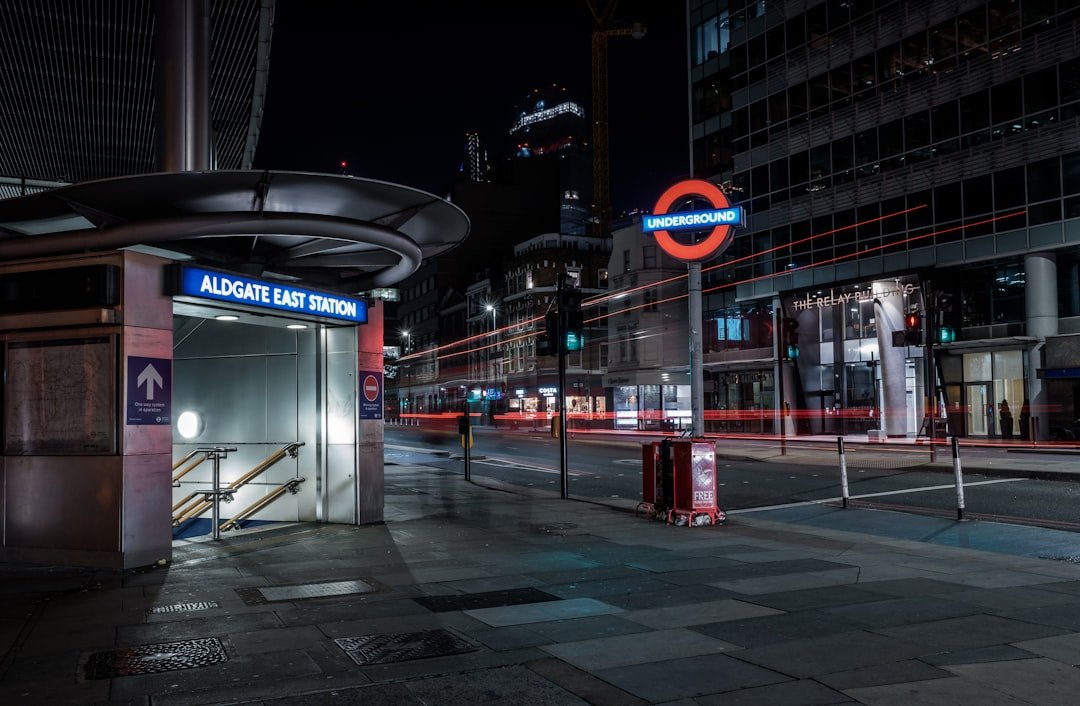
London’s Night Tube gives residents, night workers, visitors, and people enjoying an evening out a practical way to cross parts of the capital after the normal daytime timetable winds down. First introduced in August 2016, the service now runs overnight on Friday and Saturday nights on five Underground lines, with additional overnight London Overground service on part of the Windrush line.
Quick Answer
London’s Night Tube runs overnight on Friday and Saturday nights on the Central, Jubilee, Northern, Piccadilly and Victoria lines, with Night Overground service on the Windrush line. Fares are off-peak, Oyster and contactless capping applies, and travelers should check TfL before leaving because engineering work can change the service.
The Night Tube can be especially useful if you work late, have tickets for an evening event, arrive at Heathrow late on a weekend, or simply want to avoid relying entirely on taxis after midnight. However, it is important to understand that not every branch or station on the five named Underground lines receives an overnight service.
Transport for London also continues maintenance and improvement work on weekends, so the route that normally operates overnight may occasionally be partly closed. Always check the official TfL Journey Planner and TfL service-status page shortly before traveling.
Key Takeaways
- Night Tube trains normally run through the night on Friday into Saturday and Saturday into Sunday.
- The current Underground network covers the Central, Jubilee, Northern, Piccadilly and Victoria lines, but some branches are excluded.
- Night Tube fares are off-peak, and normal Oyster and contactless pay-as-you-go capping rules apply.
- All Night Tube stations are planned to be staffed while trains are operating, and TfL also uses policing, enforcement staff and extensive CCTV across the network.
- Call 999 in an emergency. For a non-emergency railway safety or crime report, British Transport Police can be contacted by text on 61016.
- Check TfL before every late-night trip because engineering work, station closures and service changes can affect the normal Night Tube network.
Night Tube Schedule and Routes
The Night Tube does not have one universal start and finish time that applies to every station. Instead, selected lines continue running overnight after Friday’s normal daytime service and again after Saturday’s normal daytime service. This provides continuous late-night travel into Saturday morning and Sunday morning.
TfL’s current Night Tube information lists five Underground lines. The official Night Tube and London Overground map, dated December 2025, shows the following overnight network:
| Line | Typical Night Tube section |
| Central | Ealing Broadway through central London to Loughton and Hainault. The West Ruislip and Epping ends are not part of the normal Night Tube map. |
| Jubilee | Stanmore to Stratford. |
| Northern | Edgware and High Barnet to Morden via the Charing Cross route. The Bank branch and Mill Hill East branch are not part of the normal Night Tube service. |
| Piccadilly | Cockfosters to Heathrow Terminal 5, including Heathrow Terminals 2 & 3. Heathrow Terminal 4 is not on the normal overnight Night Tube route. |
| Victoria | Walthamstow Central to Brixton. |
Night services also operate on part of the London Overground Windrush line, giving travelers another useful connection between areas including Highbury & Islington, Dalston Junction, Shoreditch High Street, Whitechapel, Canada Water and New Cross Gate. Check the current TfL Night Tube and London Overground map before planning around a specific station.
Train frequency varies by line, location and branch. Rather than assuming every Night Tube train arrives every 10 minutes, check TfL’s current journey information for the exact trip you intend to make.
TfL says the Night Tube can reduce night-time journeys by an average of about 20 minutes, although the saving depends on your route and available connections.
Tips for Riding the Night Tube
A smooth Night Tube journey starts with checking your route rather than assuming the daytime network continues unchanged overnight. A station that is open during the day may not be served by the Night Tube, and engineering works can temporarily close part of a normally available route.
- Plan the full journey: Check both your departure station and final connection using TfL Journey Planner.
- Check service status: Weekend engineering work can affect Night Tube trains, Night Overground services and interchange stations.
- Allow extra time: Overnight trains can be less frequent than daytime services.
- Keep your phone charged: You may need it for journey updates, mobile payment, maps or contacting someone.
- Use the same payment card or device: If you touch in with a phone and touch out with a physical card linked to the same account, TfL may treat them as different payment methods and charge incorrectly.
- Check the final connection: Your first Tube line may run overnight even when the connecting line does not.
Pro Tip: Save your destination and alternative night-bus route before you go out. If a late engineering closure appears while you are traveling, you will already know your backup option.
If you are traveling alone, choose a carriage with other passengers rather than an almost-empty one when possible. At stations, stay in public, well-lit areas and approach station staff if you need help. Keep phones, wallets and bags secure, particularly when boarding, leaving the train or moving through busy interchange stations.
Safety on the Night Tube
TfL treats nighttime safety as part of the normal operation of the Underground. According to its current Night Tube guidance, stations remain staffed while Night Tube trains are running. TfL also works with British Transport Police and other enforcement teams across the transport network.
TfL reports extensive CCTV coverage at stations and on most trains. Station help points and passenger alarms provide additional ways to request assistance when necessary.
Warning: Call 999 if there is an immediate danger or emergency. British Transport Police’s 61016 text service is useful for non-emergency crime or safety reports, but BTP specifically advises passengers not to rely on 61016 for an emergency.
If you witness suspicious behavior, harassment, theft or another non-emergency railway incident, you can contact British Transport Police by texting 61016. If you do not have mobile signal underground, use a station help point, speak with a member of staff or police officer, or use the passenger alarm when appropriate.
Personal precautions still matter. Keep valuable items secure, stay aware when wearing headphones, and avoid confrontation with aggressive passengers. If someone makes you uncomfortable, moving toward other passengers or station staff is usually safer than arguing with them.
Night Tube Fares and Tickets
Night Tube fares are off-peak fares. You can normally use an Oyster card, a contactless bank card or a compatible mobile-payment device just as you would during daytime Tube travel. TfL states that daily capping also applies to Oyster and contactless pay-as-you-go travel.
There is no separate premium “Night Tube ticket.” The amount charged depends on your journey, zones and payment method. Use TfL’s Single Fare Finder if you want the current fare for a specific station-to-station trip.
Pay as you go with Oyster or contactless is generally cheaper and simpler than buying a paper single ticket. Touch in at the beginning and touch out at the end of your Tube journey using the same Oyster card, contactless card or device.
Note: TfL says a Day Travelcard remains valid on its date of issue and for journeys beginning before 04:30 the following morning. The 04:30 ticketing-day boundary matters when your Night Tube journey continues into the next calendar day.
Mobile payment options accepted by TfL include services such as Apple Pay and Google Pay. Keep enough battery power to complete your journey if your phone or watch is your payment method.
Night Tube Etiquette
The same courtesy expected during daytime Underground travel applies overnight. People sharing your carriage may include hospitality workers finishing a shift, airport passengers, visitors, entertainment workers and people returning from an evening out.
- Keep music, videos and phone calls at a reasonable volume.
- Keep bags off seats when other passengers need them.
- Allow people to leave the train before boarding.
- Offer priority seating to passengers who need it.
- Do not block doors or busy aisles with luggage.
- Be considerate when traveling in a large group.
TfL prohibits drinking alcohol or carrying an open container of alcohol on its public transport network. Smoking and vaping are also prohibited. Following these rules helps make overnight journeys more comfortable for passengers and staff.
Accessibility on the Night Tube
TfL states that step-free access at Night Tube stations is the same as it is during daytime service. That does not mean every Night Tube station is step-free, so travelers who need lifts or step-free platform access should check their specific origin, destination and interchange stations before leaving.
The official Night Tube map identifies stations with step-free access from street to platform and stations with step-free access from street to train. TfL Journey Planner also allows travelers to request routes based on accessibility needs.
If you need assistance, speak with station staff. Because lifts and escalators can occasionally be unavailable, check live accessibility information when the journey depends on a particular lift.
Night Tube Destinations and Attractions
The Night Tube is particularly useful for areas with theaters, restaurants, music venues, cinemas and late-opening attractions. Central London stations on the Night Tube provide access to Soho, the West End, Oxford Street, Leicester Square, Piccadilly Circus and other busy evening districts.
The Jubilee line is useful for locations such as Westminster, Waterloo, London Bridge, Canary Wharf and North Greenwich. The latter is convenient for events around The O2, while Waterloo provides access to the South Bank and venues around the Southbank Centre.
Camden Town is served by the Northern Night Tube and remains a useful stop for music and nightlife. Shoreditch High Street is served by the overnight Windrush line rather than the Underground itself, making the Night Overground another option for East London evening travel.
The British Museum is near Tottenham Court Road and Holborn. Its galleries normally stay open until 20:30 on Fridays, making a Friday evening visit possible before using the Night Tube afterward. Check the British Museum’s current opening information before visiting because special dates and events can change access.
The Piccadilly Night Tube also reaches Heathrow Terminal 5 and Heathrow Terminals 2 & 3. This can be useful for certain late Friday or Saturday airport journeys, but Heathrow Terminal 4 is not on the normal overnight Piccadilly Night Tube route. Always verify the train serving your terminal before relying on the service for a flight.
Night Tube Alternatives and Transportation Options
The Night Tube is only one part of London’s overnight transport network. Your best alternative depends on your location, destination, group size and whether the Night Tube serves the stations you need.
Night Buses
London has an extensive overnight bus network, including routes that operate 24 hours. Night buses can reach neighborhoods that are not directly served by the Night Tube and are often a useful backup when rail engineering work affects your route. TfL recommends planning nighttime journeys in advance using its official tools.
Night London Overground
Part of the Windrush line operates overnight on Friday and Saturday nights. Depending on your journey, it can connect well with Night Tube stations such as Highbury & Islington, Canada Water and Whitechapel.
Black Taxis
Licensed London black taxis provide door-to-door transport and can be hailed on the street when available, picked up at a taxi rank or booked. They can be particularly useful when your final destination is some distance from a Night Tube or night-bus stop.
Private-Hire and Rideshare Services
Licensed private-hire services, including app-based operators such as Uber, can also provide door-to-door travel. Private-hire vehicles must be booked in advance; do not get into an unbooked vehicle that approaches you offering a ride.
Costs for taxis and private hire can increase with distance, demand and traffic, so public transport may be more economical for solo travelers. For a group traveling to the same destination, comparing the total private-hire price with individual public-transport fares may be worthwhile.
For official nighttime planning and safety information, see TfL’s Safer Travel at Night guidance.
More from Tagline Today
The original article also points readers to several general Tagline Today stories outside the London transport topic. You can read the guide to delicious homemade cottage cheese, explore the world of Asian melon, or read the site’s article about rock legend Ozzy Osbourne. These are general site-reading links rather than Night Tube travel resources.
Sources
- Transport for London — The Night Tube — current lines, fares, staffing, accessibility and safety information.
- Transport for London — Night Tube and London Overground Map — current overnight stations, branches and Windrush line connections.
- Transport for London — Pay as You Go — Oyster, contactless, mobile payment and capping guidance.
- Transport for London — Safer Travel at Night — overnight public transport, night buses and safety planning.
- British Transport Police — How to Use 61016 — non-emergency reporting and emergency guidance.
- British Museum — Visit Information — current opening hours and Friday late opening.
Frequently Asked Questions
What is the Night Tube in London?
The Night Tube is Transport for London’s overnight Underground service on selected lines on Friday and Saturday nights. It allows passengers to continue traveling through the night on parts of the Tube network after normal daytime services would usually finish.
Which lines are part of the Night Tube service?
The Night Tube currently operates on the Central, Jubilee, Northern, Piccadilly and Victoria lines. However, not every branch of the Central, Northern and Piccadilly lines operates overnight, so check the official TfL Night Tube map for your station.
What are the operating hours of the Night Tube?
Night Tube services run through the night on Friday into Saturday and Saturday into Sunday. There is not one universal 00:30–05:30 timetable for every station, so use TfL Journey Planner for station-specific departure times.
How often do Night Tube trains run?
Frequency varies by line and branch, and engineering work can alter the normal timetable. Night Tube trains are generally less frequent than daytime Tube services, so check TfL’s current journey information when timing matters.
What are the benefits of the Night Tube service?
The Night Tube gives late-shift workers, residents and visitors another way to cross London overnight without depending entirely on taxis or buses. TfL says the service can reduce night-time journey times significantly on routes where it replaces slower connections.
Are there changes to the Night Tube during holidays or engineering work?
Yes. Planned maintenance, station work, special operating arrangements and disruptions can affect Night Tube services. Check TfL Journey Planner and current service status before leaving, even if you have used the same route previously.
How can I pay for the Night Tube?
You can normally use Oyster pay as you go, a contactless bank card or a supported contactless mobile-payment device. Night Tube fares are off-peak, and applicable Oyster and contactless daily capping rules continue to apply.
Does the Night Tube go to Heathrow Airport?
Yes. The Piccadilly Night Tube normally serves Heathrow Terminal 5 and Heathrow Terminals 2 & 3 on Friday and Saturday nights. Heathrow Terminal 4 is not part of the normal overnight Night Tube route, so check your terminal and train before traveling.
Is the Night Tube safe to use?
TfL staffs Night Tube stations while trains are running and works with British Transport Police and enforcement teams across the network. Stay aware of your surroundings, keep belongings secure, call 999 for emergencies and use BTP’s 61016 text service for appropriate non-emergency railway reports.