The Pilatus Cogwheel Railway is one of Switzerland’s most distinctive mountain railway journeys. Running from Alpnachstad to Pilatus Kulm, it combines dramatic Alpine scenery with an unusual engineering system designed for gradients of up to 48%. The railway opened in 1889 and remains the world’s steepest cogwheel railway, making the ride both a practical way to reach Mount Pilatus and an attraction in its own right.
Quick Answer
The Pilatus Cogwheel Railway runs 4,618 metres from Alpnachstad to Pilatus Kulm and reaches gradients of up to 48%. The uphill ride takes about 27 minutes. In 2026, the railway operates from May 11 to November 29, and a full-fare adult ticket costs CHF 42 one way or CHF 84 return.
Key Takeaways
- The Pilatus Cogwheel Railway is the world’s steepest cogwheel railway, with a maximum gradient of 48%.
- The railway runs from Alpnachstad to Pilatus Kulm. Ämsigen is the intermediate request stop; Kriens is on the separate gondola and cableway route.
- The 4,618-metre line takes about 27 minutes uphill and 33 minutes downhill.
- For 2026, a full-fare adult ticket costs CHF 42 one way or CHF 84 return between Alpnachstad and Pilatus Kulm.
- Seat reservations are recommended, especially on busy days when good weather increases demand.
- From Lucerne, you can reach Alpnachstad by train, seasonal boat, or car, or combine the railway with the Golden or Silver Round Trip.
History and Engineering of the Pilatus Cogwheel Railway
The railway was opened for steam operation on June 4, 1889. Engineer Eduard Locher developed an unusual rack system that made it possible for trains to handle gradients that were too steep for conventional rack-railway designs of the period.
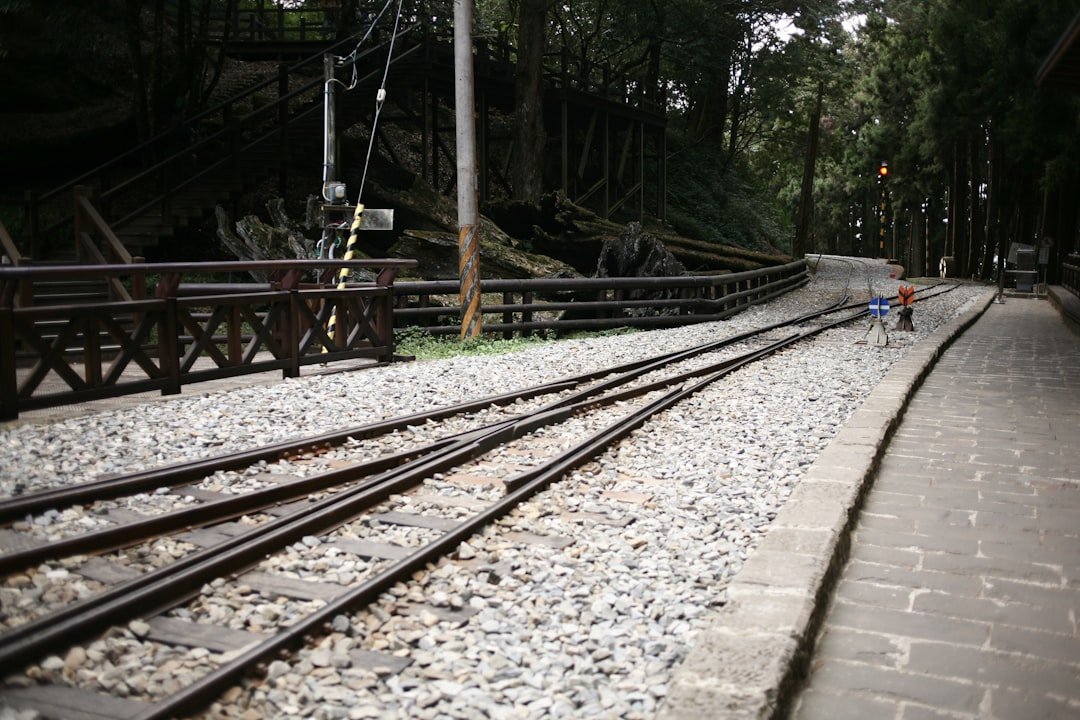
Instead of relying on a conventional vertical cog engaging a rack from above, the Locher system uses horizontally rotating cogwheels that engage both sides of a central rack. This design helps prevent the cogwheels from lifting out of the rack on extremely steep sections.
With a maximum gradient of 48%, the Pilatus railway remains the steepest cogwheel railway in the world.
The railway was electrified in 1937. A major modernization later brought eight new passenger railcars and other infrastructure improvements. The completely renewed fleet entered regular service in 2023 while retaining the historic Locher rack principle.
The line is 4,618 metres long and climbs 1,635 metres in elevation. Current railcars can travel at up to 15 km/h uphill. The scheduled journey takes about 27 minutes uphill and 33 minutes downhill.
Route and Stops Along the Pilatus Cogwheel Railway
The cogwheel railway runs between Alpnachstad and Pilatus Kulm. It starts close to Lake Lucerne and climbs through meadows, woodland, exposed rock, and increasingly high Alpine terrain.
The main intermediate stop shown in the official timetable is Ämsigen. Boarding there is on request and depends on available space. Pilatus also notes that Ämsigen is not suitable for wheelchair boarding.
Note: Kriens is not an intermediate station on the cogwheel railway. Kriens is the valley station on the opposite side of Mount Pilatus, where panorama gondolas travel via Krienseregg and Fräkmüntegg before passengers transfer to the Dragon Ride aerial cableway for Pilatus Kulm.
The final section becomes especially steep as the train approaches Pilatus Kulm. From the summit area, travelers can connect with walking routes, restaurants, hotels, and the cableway system toward Kriens.
Scenic Views and Landmarks Along the Pilatus Cogwheel Railway
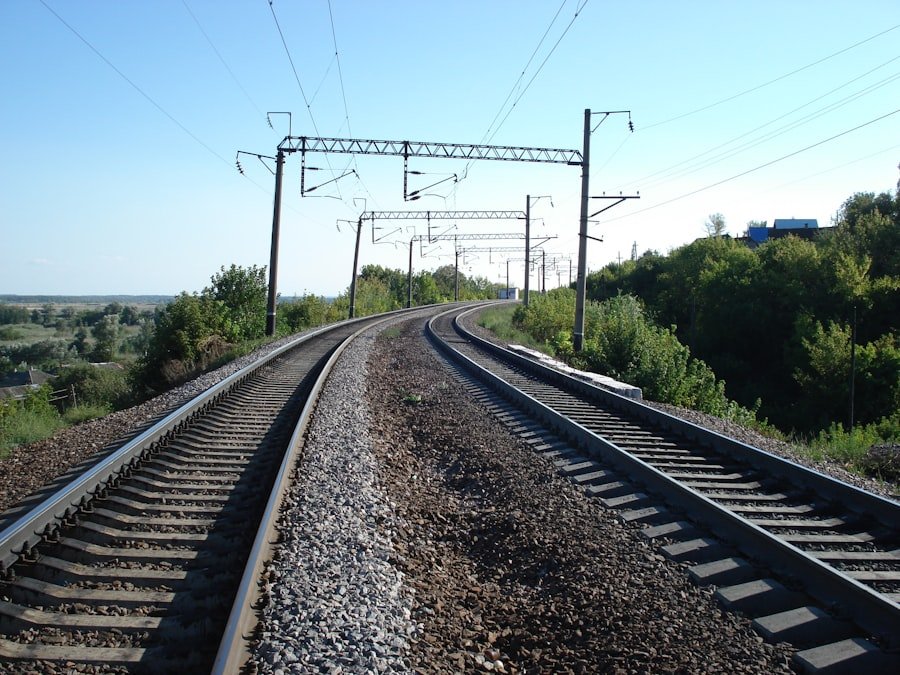
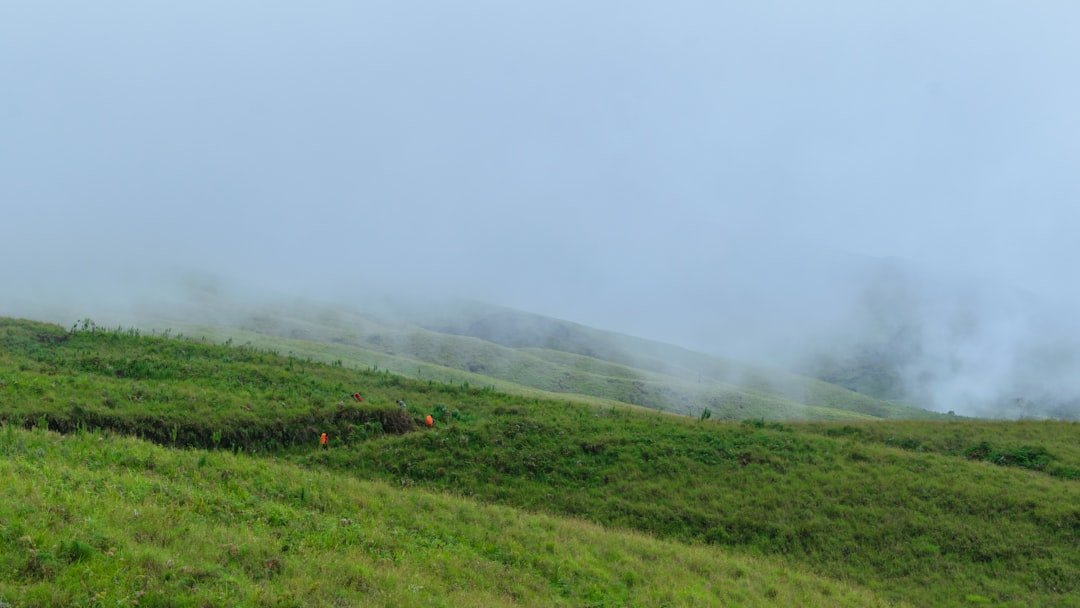
The journey is known for rapidly changing scenery. Near Alpnachstad, the train begins among greener lower slopes before climbing into increasingly rugged mountain terrain. Higher sections provide broader views across Central Switzerland when visibility is good.
The railway approaches the Pilatus Kulm area beneath the Esel peak, one of the recognizable peaks close to the mountain stations. On clear days, the summit area offers extensive Alpine views and perspectives toward Lake Lucerne and the surrounding region.
Visibility can change quickly in mountain weather. Clouds may move across the summit even when conditions are clear below, so checking current conditions before traveling can make a significant difference if panoramic views are a priority.
2026 Ticket Prices and Booking Information
The article’s older 2023 fare figures no longer apply. According to the official Pilatus 2026 price information, the standard fares between Alpnachstad and Pilatus Kulm are:
| Journey | Adult | Reduced Fare* |
|---|---|---|
| Alpnachstad to Pilatus Kulm, one way | CHF 42 | CHF 21 |
| Alpnachstad to Pilatus Kulm and return | CHF 84 | CHF 42 |
*The reduced column applies to categories listed by Pilatus, including Half-Fare Travelcard/GA holders and children aged 6 to 15.99, as well as eligible Swiss Travel Pass, Eurail, and Interrail holders on the specified mountain routes. Prices can change, so check the official page before purchase.
Children aged 6 to 15.99 who have a valid SBB Junior Travelcard or Children’s Co-Travelcard can travel free when accompanied by an adult under the conditions published by Pilatus.
Groups of 10 or more can receive a 30% discount on route tickets when purchased on site under the current group policy. The official price page does not list a separate standard senior fare, so older references to a specific CHF 65 senior ticket should not be relied upon.
Pro Tip: A ticket and a seat reservation are related but separate considerations. Pilatus recommends reserving a cogwheel-railway seat to reduce waiting times, particularly on busy weekends, sunny days, and other high-demand periods.
Golden and Silver Round Trips
If you are visiting from Lucerne, you do not have to ride the cogwheel railway both ways. The Golden Round Trip combines a Lake Lucerne boat journey, the cogwheel railway, the aerial cableway, panorama gondolas, and the bus between Kriens and Lucerne.
The Silver Round Trip replaces the boat portion with a public train journey between Lucerne and Alpnachstad. Both options allow travelers to experience the cogwheel railway on one side of Mount Pilatus and the cableway system on the other.
2026 Timetable and Best Time to Ride
For 2026, the official Pilatus timetable lists cogwheel-railway operation from May 11 through November 29, 2026. The railway does not operate through the main winter period.
Exact departures vary by date, so check the timetable for the day you intend to travel rather than relying on a general opening-hours statement. Boat connections between Lucerne and Alpnachstad also have a shorter seasonal operating window than the cogwheel railway.
If you want clearer views and lighter crowds, an earlier departure can be a good choice. However, mountain visibility is more important than clock time, so check the weather and live operating information before leaving.
Warning: Mountain weather and trail conditions can change quickly. Check the current Pilatus timetable, live operating notices, and weather conditions before setting out, especially if your visit includes hiking.
How to Get to the Pilatus Cogwheel Railway
Alpnachstad is the valley station for the cogwheel railway. From Lucerne, you have several practical options.
By Train From Lucerne
Take the S5 train from Lucerne railway station to Alpnachstad. Pilatus lists the train journey at about 17 minutes. The railway station and cogwheel-railway valley station are close together.
By Boat From Lucerne
During the boat operating season, you can travel from Lucerne to Alpnachstad across Lake Lucerne. The boat departs from the city-center landing stages near Lucerne railway station. This is the scenic approach used by the Golden Round Trip.
By Car
Drivers can reach Alpnachstad via the A8 toward Sarnen/Interlaken and use the Alpnachstad exit. Parking is available at the valley station, including electric-vehicle charging facilities. You cannot drive to Pilatus Kulm itself.
Current transport and parking details are published on the official Pilatus travel-information page.
Tips for Riding the Pilatus Cogwheel Railway
Check the weather before traveling. Conditions around Pilatus Kulm can be much cooler, windier, or cloudier than at Alpnachstad, so dressing in layers remains sensible even on a warm day in Lucerne.
Reserve a seat when demand is likely to be high. A reservation is not always compulsory, but traveling without one can mean additional waiting when trains are busy.
Keep enough time in your schedule to explore Pilatus Kulm rather than treating the railway as a simple out-and-back transport ride. Short walks, restaurants, viewpoints, and connections to the Kriens cableway side can easily extend a visit.
A camera or phone is useful, but remember that views vary with cloud cover. Some of the most interesting moments are also close to the railway itself, including its steep track, exposed rock cuttings, and unusual rack system.
Dining and Refreshment Options
Travelers should plan their meal around the mountain’s restaurants rather than assuming that regular cogwheel trains provide onboard dining.
At Pilatus Kulm, Restaurant Pilatus-Kulm provides sit-down dining, while Restaurant Bellevue offers a more casual self-service option. Opening times vary by season and may depend on operating conditions.
Swiss dishes are a natural part of the mountain’s dining options. Depending on the restaurant and current menu, visitors may find regional specialties alongside international dishes, snacks, drinks, and terrace seating with mountain views.
Other restaurants are located along the Kriens cableway side, including Fräkmüntegg and Krienseregg. Those locations are not intermediate stops on the Alpnachstad cogwheel railway itself.
Activities and Attractions Near the Pilatus Cogwheel Railway
Hiking is one of the main activities around Mount Pilatus. The official Pilatus hiking information covers routes ranging from easier panoramic walks to more demanding mountain hikes.
At Pilatus Kulm, travelers can spend time at viewpoints and explore paths around the summit area before returning by cogwheel railway or continuing toward Kriens by cableway.
Families and adventure travelers can also find attractions on the Kriens side of the mountain. Fräkmüntegg is home to activities such as the Pilatus Rope Park and Dragon Glider, while Krienseregg has family-oriented recreation. These attractions require travel on the gondola/cableway side rather than getting off at a cogwheel-railway stop.
Other seasonal mountain experiences may also be offered, so check the official Pilatus activities page for what is operating on your travel date.
Safety and Accessibility Information
Pilatus provides specific accessibility information for its mountain transport. For the cogwheel railway, the published maximum wheelchair dimensions are 85 cm wide by 180 cm long. Travelers using wheelchairs are advised to reserve or register in advance so staff can help plan the journey.
The Ämsigen request stop is specifically listed as unsuitable for wheelchairs. Travelers who need step-free or assisted arrangements should therefore plan their journey around Alpnachstad and Pilatus Kulm and consult Pilatus before travel.
Pushchairs can be transported, but Pilatus states that they must be folded for the cogwheel-railway journey.
For the latest requirements, wheelchair dimensions, companion-card information, and assistance arrangements, see the official Pilatus accessibility guide.
Note: Pilatus recommends that travelers who need accessibility assistance contact the company at least one day in advance. Manual-wheelchair users traveling via Kriens have different registration guidance, so confirm which side of the mountain best suits your needs.
If you’re interested in completely separate culinary reading after planning your railway trip, the existing related article Exploring the Delightful World of Asian Melon looks at different Asian melon varieties and flavors.
Frequently Asked Questions
What is the Pilatus Cogwheel Railway?
It is a mountain cogwheel railway in Central Switzerland that runs from Alpnachstad to Pilatus Kulm. With a maximum gradient of 48%, Pilatus identifies it as the steepest cogwheel railway in the world.
How long is the Pilatus Cogwheel Railway?
The railway line is 4,618 metres, or about 4.6 kilometres, long.
What is the route of the Pilatus Cogwheel Railway?
The cogwheel railway runs from Alpnachstad to Pilatus Kulm. Ämsigen is the intermediate request stop shown on the timetable. Kriens is on the separate gondola and aerial-cableway route on the other side of the mountain.
How long does the Pilatus Cogwheel Railway ride take?
Pilatus lists a scheduled journey time of about 27 minutes uphill and 33 minutes downhill.
When does the Pilatus Cogwheel Railway operate in 2026?
The official 2026 timetable lists operation from May 11 through November 29. Departure times vary by date, so check the current timetable before traveling.
How much does the Pilatus Cogwheel Railway cost in 2026?
A full-fare adult ticket between Alpnachstad and Pilatus Kulm is CHF 42 one way or CHF 84 return under the published 2026 rates. Eligible reduced fares are CHF 21 one way and CHF 42 return.
Do I need to reserve a seat on the cogwheel railway?
Pilatus recommends seat reservations because travelers without reservations may face waiting times during periods of high demand. Reservations are particularly useful on busy weekends and good-weather days.
How do I get to the Pilatus Cogwheel Railway from Lucerne?
You can take the S5 train from Lucerne to Alpnachstad in about 17 minutes. During the seasonal boat period, you can also travel from Lucerne to Alpnachstad by boat. Drivers can park at the Alpnachstad valley station.
Is the Pilatus Cogwheel Railway wheelchair accessible?
Pilatus accepts wheelchairs on the cogwheel railway subject to its accessibility requirements and recommends advance registration. Published maximum wheelchair dimensions are 85 cm by 180 cm. Ämsigen is not suitable for wheelchair boarding.
Can I take a stroller on the Pilatus Cogwheel Railway?
Yes. Pilatus permits pushchairs, but they must be folded for travel on the cogwheel railway.
Sources
- Pilatus-Bahnen AG: Cogwheel Railway — official history, route, gradient, journey time, technical specifications, and fleet information.
- Pilatus-Bahnen AG: Timetable — 2026 operating period, departure schedule, and Ämsigen stop information.
- Pilatus-Bahnen AG: Ticket Prices — official 2026 fares, discounts, group rates, and travelcard rules.
- Pilatus-Bahnen AG: Travel Information — public transport, driving, parking, and Alpnachstad access.
- Pilatus-Bahnen AG: Accessibility — wheelchair dimensions, registration guidance, and accessibility information.
- American Society of Mechanical Engineers: Pilatusbahn — historical and engineering background on Eduard Locher’s rack-railway system.