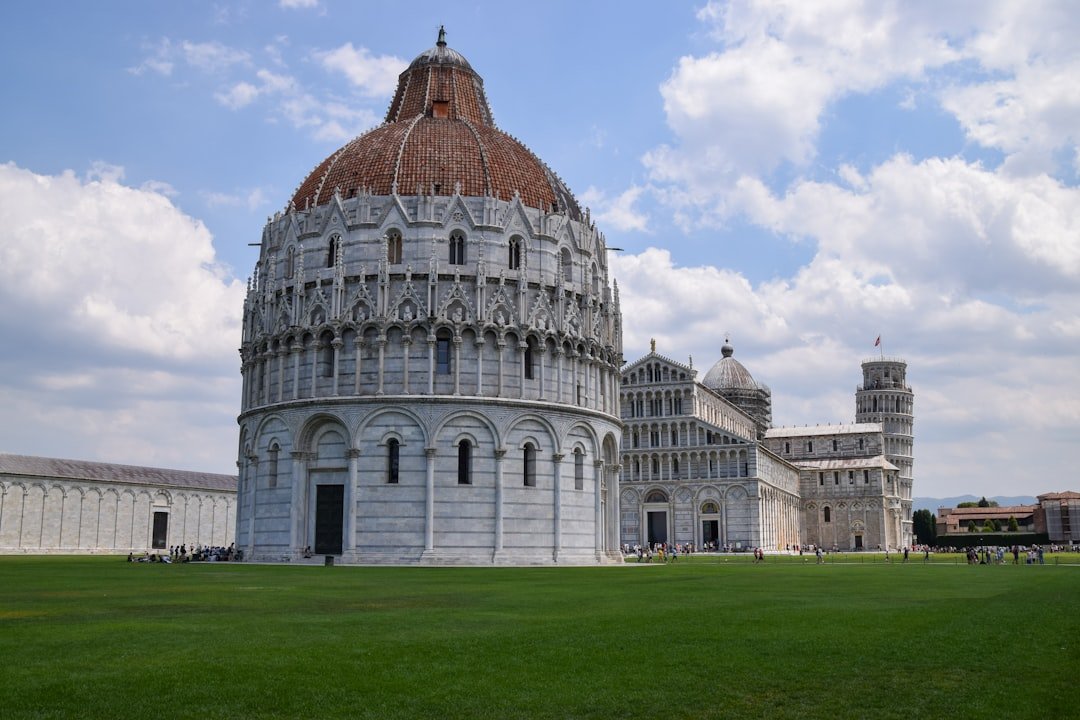
The Piazza dei Miracoli, or the Square of Miracles, is a UNESCO World Heritage site that serves as the heart of Pisa’s architectural splendor. This remarkable square is home to some of the most iconic structures in Italy, including the Leaning Tower, the Cathedral of Santa Maria Assunta, and the Baptistery of St. John. As you step into this historic area, you are immediately enveloped by the grandeur of its white marble buildings, which gleam under the Tuscan sun. The atmosphere is vibrant, filled with tourists and locals alike, all drawn to the beauty and history that permeates the air. Walking through the piazza, one cannot help but be captivated by the intricate details of the architecture. The lush green lawns contrast beautifully with the stark white marble, creating a picturesque setting that has inspired countless artists and photographers. The sounds of laughter and chatter blend with the distant echoes of history, as visitors marvel at the craftsmanship that went into these structures. The square is not just a visual feast; it is a place where one can feel the weight of centuries of history, making it an essential starting point for any exploration of Pisa.
Key Takeaways
- The Piazza dei Miracoli is a must-visit for its stunning architecture and historical significance
- The Leaning Tower of Pisa is an iconic landmark that offers a unique and memorable experience
- The Cathedral of Santa Maria Assunta is a beautiful example of Romanesque architecture and houses impressive artwork
- The Baptistery of St. John is a masterpiece of medieval architecture and features intricate design details
- Pisa’s Historic Center is a charming area with picturesque streets, lively piazzas, and historic buildings
Visit the Leaning Tower of Pisa
The Tower’s Unique Angle
As you approach the tower, its lean becomes more pronounced, creating an optical illusion that is both intriguing and awe-inspiring. Climbing the 294 steps to the top of the Leaning Tower offers a unique perspective on Pisa and its surroundings. The ascent is not just a physical challenge; it is an experience filled with anticipation as each step brings you closer to breathtaking views.
A Breathtaking View from the Top
Once at the top, visitors are rewarded with panoramic vistas of the Piazza dei Miracoli and beyond. The sight of the cathedral and baptistery from this height is nothing short of spectacular, allowing you to appreciate their architectural beauty from a new angle. The experience is further enhanced by the gentle breeze and the sound of distant church bells ringing, creating a moment that feels both timeless and exhilarating.
An Unforgettable Experience
The Leaning Tower of Pisa is an unforgettable experience that combines architecture, history, and natural beauty. Whether you’re an engineer, a tourist, or simply someone who appreciates the beauty of the world, this iconic tower is a must-visit destination that will leave you in awe.
Discover the Cathedral of Santa Maria Assunta
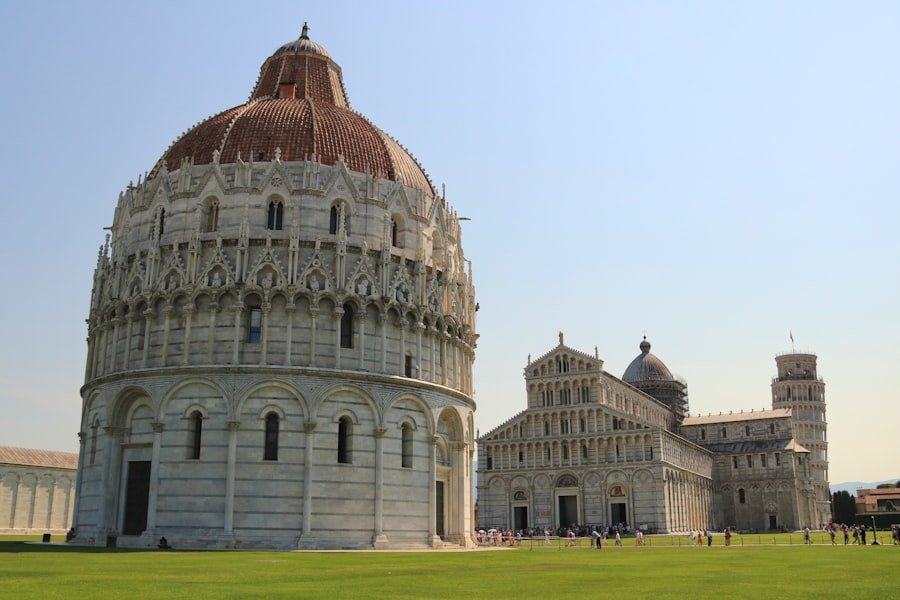
Adjacent to the Leaning Tower lies the Cathedral of Santa Maria Assunta, a stunning example of Romanesque architecture that dates back to the 11th century. The cathedral’s façade is adorned with intricate carvings and decorative elements that reflect the artistic prowess of its builders. As you step inside, you are greeted by a vast interior that boasts a harmonious blend of light and shadow, created by its high ceilings and beautifully crafted arches.
The atmosphere is serene, inviting visitors to take a moment to reflect on the spiritual significance of this sacred space. One of the most striking features of the cathedral is its magnificent altar, which houses a stunning silver lamp said to have inspired Galileo’s experiments with pendulums. The interior also contains numerous works of art, including frescoes and sculptures that narrate biblical stories and celebrate saints.
Each piece contributes to the overall sense of reverence within the cathedral. As you wander through its hallowed halls, you can almost hear whispers of prayers offered over centuries, making it a profound experience for anyone seeking to connect with history and spirituality.
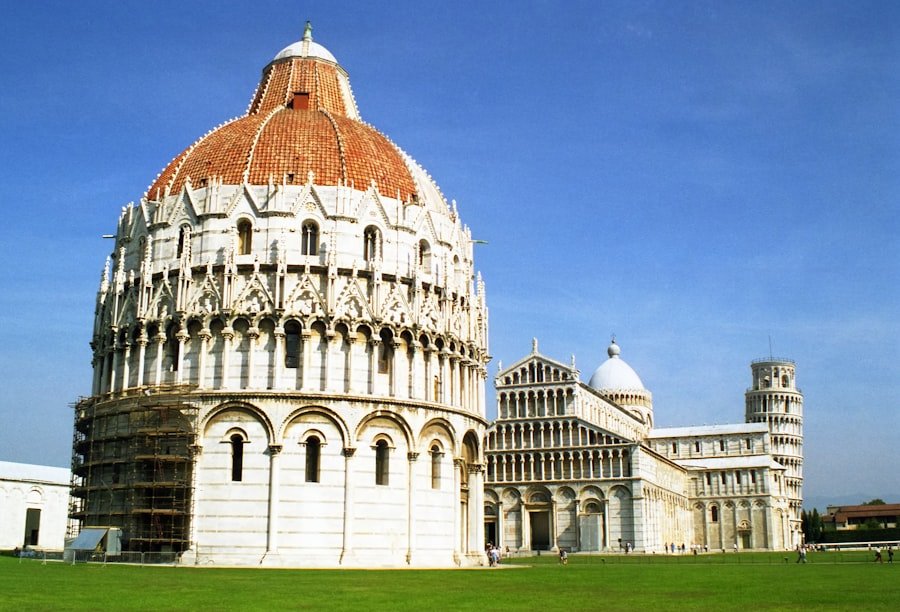
The Baptistery of St. John stands as a testament to Pisa’s rich religious heritage and architectural innovation. This circular structure is renowned for its remarkable acoustics and stunning design, which combines elements of Romanesque and Gothic styles.
The exterior is adorned with intricate carvings and statues that depict various biblical figures, while its dome rises majestically above the surrounding landscape. As you approach the baptistery, you are struck by its sheer size and beauty, which complement the nearby cathedral and tower perfectly. Inside, visitors are often treated to an impromptu demonstration of the baptistery’s exceptional acoustics.
The circular design allows sound to resonate in a way that creates an ethereal experience for those present. Standing in this sacred space, one can appreciate not only its architectural brilliance but also its role in religious ceremonies throughout history. The baptismal font at its center is a focal point for many visitors, symbolizing new beginnings and spiritual rebirth.
Exploring this remarkable structure provides insight into Pisa’s cultural significance as a center for art and religion during the Middle Ages.
Day 2: Wander through Pisa’s Historic Center
| Attraction | Opening Hours | Admission Fee |
|---|---|---|
| Piazza del Duomo | 24/7 | Free |
| Leaning Tower of Pisa | 9:00 AM – 6:00 PM | €18 (adults), €8 (children 8-18) |
| Baptistery of St. John | 8:00 AM – 6:30 PM | €5 |
| Cathedral of Pisa | 10:00 AM – 8:00 PM | Free |
On your second day in Pisa, take time to wander through the city’s historic center, where charming streets are lined with colorful buildings that reflect a blend of architectural styles from different eras. The atmosphere here is lively yet relaxed, offering a glimpse into everyday life in this vibrant city. As you stroll along cobblestone paths, you will encounter quaint shops selling local crafts, cafes serving aromatic coffee, and gelaterias tempting you with their delicious frozen treats.
The historic center is also home to several notable landmarks that showcase Pisa’s rich history beyond its famous square. For instance, you might come across the Church of Santa Maria della Spina, a small Gothic church perched along the Arno Riverbank. Its intricate façade and delicate sculptures make it a hidden gem worth exploring.
Additionally, wandering through narrow alleyways may lead you to Piazza delle Vettovaglie, a bustling market square where locals gather to buy fresh produce and artisanal goods. This vibrant atmosphere provides an authentic taste of Pisan culture that complements your visit to more famous attractions.
Stroll along the Arno River
A leisurely stroll along the Arno River offers a different perspective on Pisa’s beauty and charm. The riverbanks are lined with picturesque buildings that reflect in the water, creating stunning reflections that change with the light throughout the day. As you walk along this scenic route, you can enjoy views of historic bridges such as Ponte di Mezzo, which connects both sides of the city and serves as a popular gathering spot for locals and tourists alike.
The riverside promenade is also dotted with benches and green spaces where you can pause to soak in your surroundings or enjoy a picnic while watching boats glide by. The gentle sound of water flowing adds to the tranquility of this experience, making it an ideal place for contemplation or simply enjoying nature within an urban setting. As evening approaches, consider finding a spot along the riverbank to witness a breathtaking sunset over Pisa—a moment that encapsulates the city’s enchanting allure.
Visit the Palazzo Blu
The Palazzo Blu is an exquisite example of Renaissance architecture that houses an impressive collection of art and historical artifacts. Located along the banks of the Arno River, this blue-painted palace has served various purposes throughout its history but now stands as a museum dedicated to showcasing Pisan culture and heritage. Upon entering, visitors are greeted by grand staircases and beautifully decorated rooms filled with paintings from renowned artists such as Giovanni Fattori and other members of the Macchiaioli movement.
The exhibitions within Palazzo Blu often change, providing fresh insights into different aspects of art and history related to Pisa and Tuscany as a whole. In addition to paintings, visitors can explore decorative arts and historical documents that tell stories about life in Pisa over centuries. The museum’s commitment to preserving local culture makes it an essential stop for anyone interested in understanding more about this fascinating city beyond its iconic landmarks.
Explore the Piazza dei Cavalieri
Piazza dei Cavalieri is another significant square in Pisa that reflects its historical importance during the Renaissance period when it served as a center for political power and education. Once home to knights who were honored for their valor in battle, this square now features stunning architecture that includes Palazzo della Carovana—an impressive building designed by Giorgio Vasari—and several other notable structures adorned with intricate frescoes. As you wander through this square, take time to appreciate its unique atmosphere characterized by both grandeur and tranquility.
The presence of students from nearby universities adds vibrancy to Piazza dei Cavalieri as they gather for study or socializing amidst its historic backdrop. This juxtaposition of past and present creates an engaging environment where one can reflect on Pisa’s evolution over time while enjoying modern-day life in this beautiful city.
Indulge in Tuscan cuisine at a local trattoria
No visit to Pisa would be complete without indulging in authentic Tuscan cuisine at one of its many local trattorias. These family-run establishments offer a warm atmosphere where you can savor traditional dishes made from fresh ingredients sourced from local markets. From hearty ribollita—a rustic vegetable soup—to succulent pici pasta served with rich ragù sauce, each dish tells a story rooted in Tuscan culinary traditions.
Pair your meal with a glass of Chianti wine or explore regional specialties like Vin Santo for dessert—a sweet dessert wine often enjoyed alongside cantucci biscuits for dipping. Dining at a trattoria not only satisfies your palate but also provides insight into Pisan culture through food—a vital aspect of daily life here. Engaging with friendly staff who are passionate about their culinary heritage enhances your experience as they share recommendations or anecdotes about their favorite dishes.
Climb the Torre Guelfa for panoramic views of the city
For those seeking breathtaking views over Pisa’s rooftops and beyond, climbing Torre Guelfa is an adventure worth undertaking. This medieval tower stands tall at approximately 48 meters high and offers visitors an opportunity to ascend its narrow staircase for stunning vistas across both urban landscapes and natural scenery surrounding Pisa. As you make your way up each step, anticipation builds until finally reaching an observation platform where panoramic views await.
From this vantage point atop Torre Guelfa, you can see iconic landmarks such as the Leaning Tower and Cathedral while also taking in sweeping views over rolling hills dotted with vineyards—an idyllic representation of Tuscany’s picturesque countryside. The experience is enhanced by fresh breezes that sweep through open windows along your ascent; it’s not just about reaching new heights but also immersing yourself in all aspects that make Pisa so enchanting.
Relax in the Orto Botanico di Pisa
To conclude your exploration of Pisa on a tranquil note, consider spending some time at Orto Botanico di Pisa—the city’s botanical garden established in 1543 as part of its university’s natural sciences program. This serene oasis features diverse plant species from around the world arranged beautifully within landscaped gardens filled with pathways leading visitors through lush greenery. As you wander through Orto Botanico’s various sections—from tropical greenhouses housing exotic plants to tranquil ponds surrounded by fragrant flowers—you’ll find ample opportunities for relaxation amidst nature’s beauty away from bustling tourist spots nearby.
Whether sitting on benches under shady trees or simply enjoying quiet moments surrounded by vibrant flora—this botanical garden provides an ideal escape where one can reflect on their experiences while appreciating Pisa’s natural wonders alongside its rich cultural heritage.
If you’re looking for a refreshing snack to enjoy during your Pisa 2 day itinerary, consider trying some Asian melon. This delightful fruit is not only delicious but also packed with nutrients. For a simple and healthy recipe to make at home, check out this article on exploring the delightful world of Asian melon. It’s the perfect way to fuel up before exploring all the sights and sounds of Pisa.
FAQs
What are the top attractions to visit in Pisa?
Some of the top attractions to visit in Pisa include the Leaning Tower of Pisa, Piazza dei Miracoli, Pisa Cathedral, Pisa Baptistry, and Piazza dei Cavalieri.
How can I get to Pisa?
Pisa is easily accessible by train, with direct connections to major cities in Italy such as Florence, Rome, and Milan. The city also has an international airport, Pisa International Airport (Galileo Galilei), which is well-connected to other European cities.
What is the best time to visit Pisa?
The best time to visit Pisa is during the spring (April to June) and fall (September to October) when the weather is mild and the tourist crowds are smaller.
What is the local cuisine in Pisa?
Pisa is known for its delicious Tuscan cuisine, which includes dishes such as ribollita (a hearty vegetable soup), pappa al pomodoro (tomato and bread soup), and cecina (chickpea flatbread). Don’t forget to try the local wines such as Chianti and Vernaccia di San Gimignano.
Is it possible to visit Pisa in 2 days?
Yes, it is possible to visit Pisa in 2 days and see the main attractions such as the Leaning Tower of Pisa, Piazza dei Miracoli, and other historic sites. However, to fully explore the city and its surroundings, a longer stay is recommended.