Pisa is famous for the Leaning Tower, but a three-day visit gives you enough time to see much more than one monument. You can explore the full Piazza del Duomo complex, walk through medieval streets and riverside neighborhoods, discover modern art, taste genuinely Pisan food, and still leave room for a relaxed evening or a short excursion beyond the city.
Quick Answer
For a first visit to Pisa, spend Day 1 around the Leaning Tower and Piazza del Duomo, Day 2 exploring Piazza dei Cavalieri, the historic center, the Arno and Pisa’s museums, and Day 3 enjoying local food, markets and quieter neighborhoods. Three days is enough for a relaxed visit without rushing the city’s main sights.
Key Takeaways
- Reserve a timed Leaning Tower visit if climbing it is important to you, especially during busy travel periods.
- Do not stop after seeing the Tower. The Cathedral, Baptistery, Camposanto and Opera del Duomo Museum make Piazza del Duomo worth several hours.
- Use Day 2 for Pisa’s historic center, Piazza dei Cavalieri, the Lungarni, Santa Maria della Spina, the Botanical Garden and Keith Haring’s Tuttomondo.
- For local food, look for cecina, bordatino alla Pisana, Tuscan seafood and torta coi bischeri rather than relying only on generic Italian dishes.
- Pisa is compact and highly walkable, while buses, trains and PisaMover cover longer journeys and airport transfers.
Pisa 3-Day Itinerary at a Glance
| Day | Morning | Afternoon | Evening |
| Day 1 | Leaning Tower and Cathedral | Baptistery, Camposanto and museum | Via Santa Maria and riverside walk |
| Day 2 | Piazza dei Cavalieri and historic streets | Botanical Garden, Arno and Santa Maria della Spina | Tuttomondo and central Pisa |
| Day 3 | Local market or neighborhood walk | Pisan food and relaxed sightseeing | Final dinner, gelato and Arno sunset |
Day 1: Exploring the Leaning Tower of Pisa and Piazza dei Miracoli
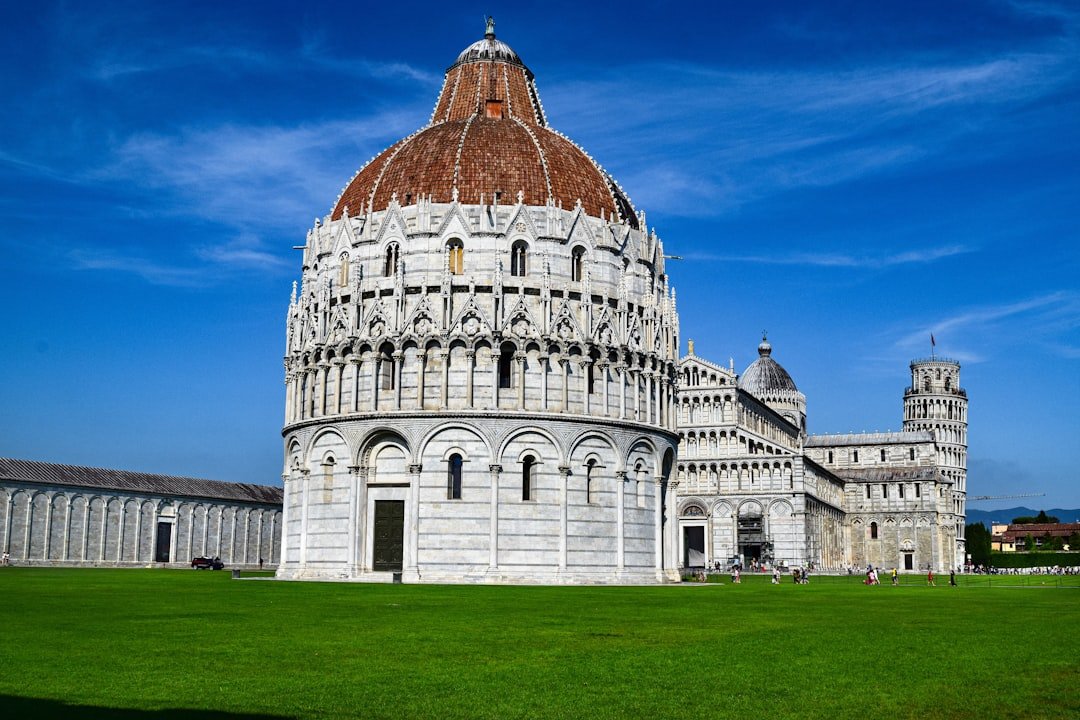
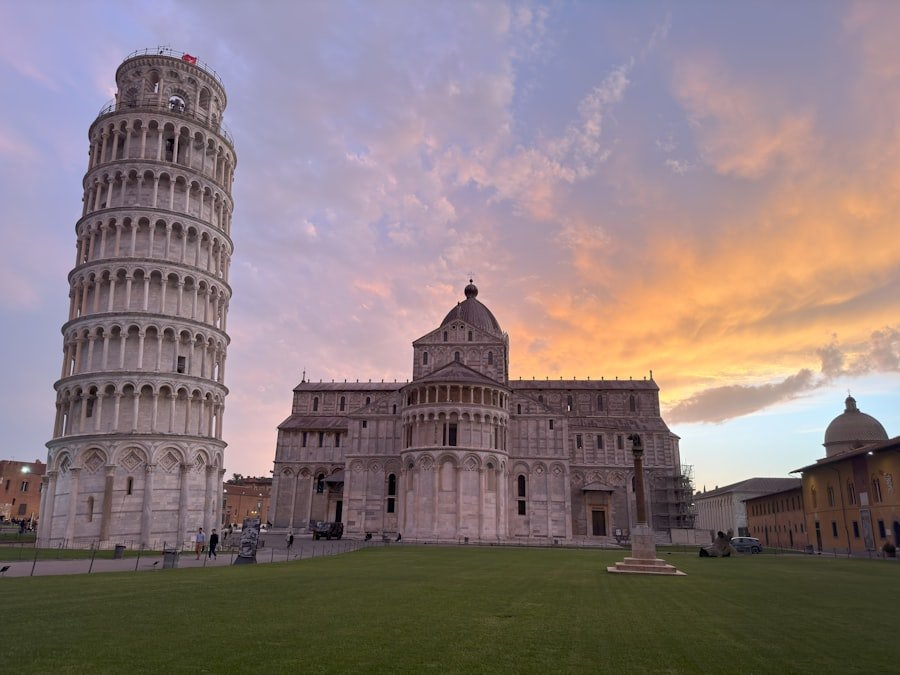
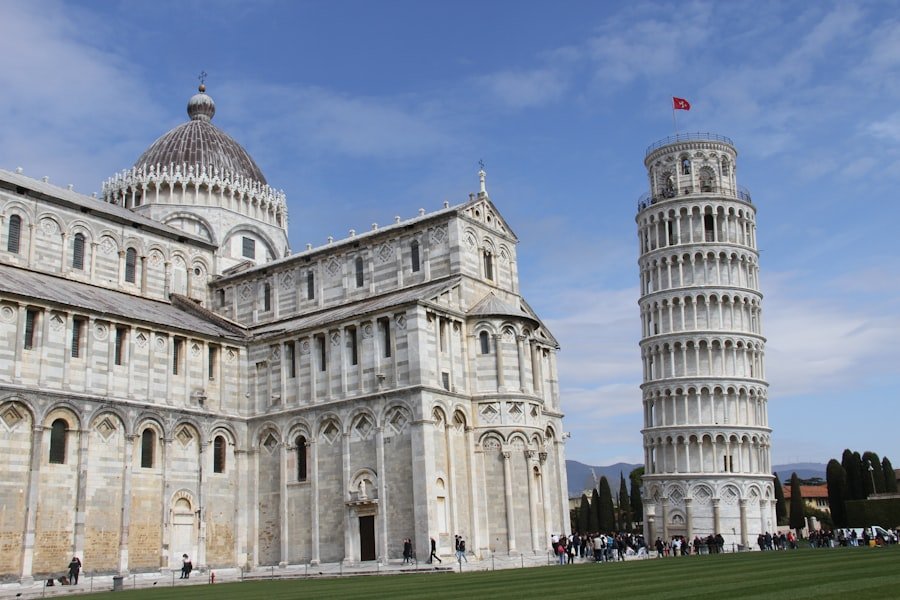
Begin your first day at Piazza del Duomo, widely known as Piazza dei Miracoli. The UNESCO-listed complex contains four major medieval masterpieces: Pisa Cathedral, the Baptistery, the Leaning Tower and the Camposanto Monumentale. Give yourself at least half a day here rather than arriving only for a photograph of the Tower.
Climb the Leaning Tower
The Leaning Tower is the Cathedral’s bell tower and the most recognizable landmark in Pisa. Entry is timed and visitor numbers are limited, so reserving your preferred time in advance is sensible during busy periods.
Warning: The Tower climb uses a steep historic stone staircase with uneven and sometimes slippery steps. Children who will not reach age 8 during the calendar year cannot enter, visitors under 18 must be accompanied by an adult, and people with heart or mobility conditions should carefully consider whether the climb is suitable for them.
Large bags, handbags and luggage must be left in the designated cloakroom before a Tower visit. Arrive ahead of your timed entry rather than reaching the gate at the last minute.
If you do not want to climb, you are not missing the heart of the experience. The Tower is impressive from the ground, and the Cathedral, Baptistery, Camposanto and museum provide much more context for Pisa’s medieval history.
Visit Pisa Cathedral
Next, enter the Cathedral of Santa Maria Assunta. Construction began in the 11th century, and the building became one of the defining examples of Pisan Romanesque architecture. Look for its striped marble surfaces, mosaics and Giovanni Pisano’s carved pulpit.
The Cathedral remains an active place of worship, so opening arrangements can change around Masses, Sundays, religious holidays and special ceremonies. Dress and behave respectfully inside.
Explore the Baptistery and Camposanto
In front of the Cathedral stands the circular Baptistery of San Giovanni. Its interior is known for unusual acoustics, while its architecture shows the transition between Romanesque and Gothic styles. Access to upper areas can vary when restoration work is underway, so do not build your entire visit around reaching a particular level.
Also include the Camposanto Monumentale. It is easy to overlook when attention is focused on the Tower, but its arcaded courtyard, tombs and historic fresco cycles make it one of the most atmospheric parts of the square.
Finish at the Opera del Duomo Museum
The Museo dell’Opera del Duomo displays original sculptures and artworks removed from the monuments for preservation. Its collection includes works associated with Nicola Pisano, Giovanni Pisano and other artists who shaped the monumental complex.
Pro Tip: Put your Tower reservation first when planning Day 1, then arrange the Cathedral, Baptistery, Camposanto and museum around that fixed time. This is easier than trying to fit a Tower slot around an already packed schedule.
After leaving the square, walk down Via Santa Maria toward the Arno. This gives you a natural transition from Pisa’s monumental zone into its lived-in historic center, where university buildings, cafes and small shops change the atmosphere completely.
Day 2: Discovering Pisa’s Historical and Cultural Attractions
Use your second day to see the Pisa that many short-stay visitors miss. Start around Piazza dei Cavalieri and work gradually south toward the Arno and Pisa Centrale area.
Piazza dei Cavalieri and Palazzo della Carovana
Piazza dei Cavalieri was an important political and administrative center in medieval Pisa. In the 16th century, Cosimo I de’ Medici commissioned Giorgio Vasari to redesign the square as a center of Medici power and the Order of the Knights of Saint Stephen.
The most prominent building is Palazzo della Carovana, now associated with the Scuola Normale Superiore. Take time to look at the decorated facade and the surrounding Palazzo dell’Orologio, Church of Santo Stefano dei Cavalieri and statue of Cosimo I.
Walk Through Borgo Stretto
From Piazza dei Cavalieri, head toward Borgo Stretto. The arcaded street and surrounding lanes provide a different side of Pisa from the monumental square. This is a good area for a coffee break, casual shopping and people-watching.
Continue toward Piazza Garibaldi and Ponte di Mezzo. Crossing or walking beside the Arno gives you some of Pisa’s best urban views, especially when the historic facades along the Lungarni catch the afternoon light.
Visit the Botanical Garden of Pisa
The Orto Botanico di Pisa was founded in 1543 under Luca Ghini and is considered the world’s oldest university botanical garden. Its current site near Piazza del Duomo contains historic botanical collections, greenhouses and thousands of plants.
Because it is quieter than Pisa’s major monuments, the garden works especially well as a break after a morning of churches, palaces and crowded streets.
See Santa Maria della Spina
Walk back toward the Arno to see the small Gothic Church of Santa Maria della Spina. Founded in the 13th century, it stands directly beside the river and is notable for an exterior packed with pinnacles, statues and decorative stonework.
Even when you cannot enter, the church is worth including for its riverfront setting and detailed exterior.
Finish with Keith Haring’s Tuttomondo
Near Piazza Vittorio Emanuele II, look for Keith Haring’s large Tuttomondo mural. Haring painted it in Pisa in 1989 on the wall beside the Church of Sant’Antonio. Its colorful figures and themes of harmony provide a dramatic contrast with the medieval art you saw earlier in the day.
Pisa works best when you combine its famous medieval monuments with the university streets, riverfront architecture and modern art that reveal the city beyond the Leaning Tower.
Day 3: Enjoying Pisa’s Cuisine and Local Flavors
Dedicate your third day to a slower side of Pisa. Instead of rushing between monuments, explore food traditions, neighborhood streets and local gathering places.
| Meal | Location | Cost |
|---|---|---|
| Lunch | Pizzeria Trattoria da Gennaro | Menu prices vary; confirm the current menu before ordering. |
| Dinner | Ristorante Antica Trattoria da Bruno | Menu prices vary by dish and season. |
| Gelato | Gelateria De’ Coltelli | Price depends on serving size and product. |
Try Pisan Specialties
Pici cacio e pepe is a popular Tuscan-style pasta choice, but Pisa has more distinctive local foods worth seeking out. One of the easiest to try is cecìna, a thin chickpea-flour flatbread made with water, olive oil and salt. It is commonly sold by the slice in pizzerias and focaccerie.
Another local dish is bordatino alla Pisana, a hearty soup made with cornmeal, beans and vegetables. For dessert, look for torta coi bischeri, a traditional sweet from the Pisa area made with a rich filling that can include rice, chocolate, pine nuts, raisins and candied fruit.
You can still enjoy familiar Tuscan dishes such as handmade pasta, grilled meats, pecorino, seasonal vegetables and a glass of local or regional wine. Pisa’s proximity to the coast also makes seafood a natural choice on many menus.
Visit the San Martino Market on the Right Day
The historic San Martino market now operates in Piazza Toniolo rather than its former Via San Martino location. It is a twice-weekly market, traditionally held on Wednesday and Saturday mornings, so it should not be presented as an attraction you can visit every day.
Note: If your third day does not fall on a San Martino market day, spend the morning around local food shops, Piazza delle Vettovaglie, neighborhood bakeries and the streets south of the Arno instead.
A cooking class or food tour can also work well on your final afternoon if you want a more structured experience. Choose one focused on Tuscan or Pisan ingredients rather than a generic international cooking activity.
Finish the day with an unhurried dinner and an evening walk beside the Arno. Pisa becomes noticeably calmer after many day-trippers leave.
Where to Stay in Pisa: Accommodation Options for First-Timers
Where you stay matters less in Pisa than in a much larger city because the historic center is compact. Still, different areas work better for different types of trips.
Near Piazza dei Miracoli
This area is best if seeing the Leaning Tower early in the morning or late in the evening is your top priority. Hotel Villa Kinzica is only a short walk from the monumental complex, making it convenient for first-time visitors focused on sightseeing.
Between the Station and Historic Center
Staying between Pisa Centrale and the Arno makes airport transfers and day trips easier while keeping most central sights within walking distance. Hotel Bologna is in the historic center and is also within walking distance of Pisa Centrale.
Bed-and-Breakfasts and Guesthouses
Pisa also has many small bed-and-breakfasts and guesthouses in converted historic buildings. Places using names such as B&B La Torre or Il Pezzetto have appeared in travel listings over time, but small accommodations can change ownership, branding or operating status more often than major hotels. Check the exact address and recent booking availability before choosing a property.
Hostels and Budget Accommodation
Budget travelers can find dormitory accommodation and private hostel rooms around Pisa Centrale and near the Tower. Hostel Pisa Tower and properties around Pisa Centrale can be useful for solo travelers and groups who value location over luxury.
Pro Tip: If you plan a Florence, Lucca or Cinque Terre day trip, staying closer to Pisa Centrale can save time. If the Leaning Tower is your main priority, staying closer to Piazza del Duomo is more convenient.
Getting Around Pisa: Transportation Tips for Visitors
Walking
Pisa is compact enough that walking should be your main form of transportation. Most attractions in this itinerary sit within the central historic area, and walking lets you enjoy the narrow streets, piazzas and Arno riverfront rather than moving only between major monuments.
City Buses
Autolinee Toscane operates local buses. As of September 2026, the standard urban-capital ticket used in Pisa costs €2.00 and is valid for 70 minutes after validation or activation. Tickets bought directly from a driver cost more and onboard sales are not guaranteed.
If you use a paper ticket, validate it on board when you begin the journey. If you use a digital ticket, activate it at the start of your trip. Do not wait for an inspector before validating or activating your fare.
Bicycles
Biking can be useful for exploring beyond the most compact pedestrian streets. Several rental and sharing options operate in and around the city, although walking is usually simpler for a first visit concentrated on the historic center.
From Pisa Airport to the Center
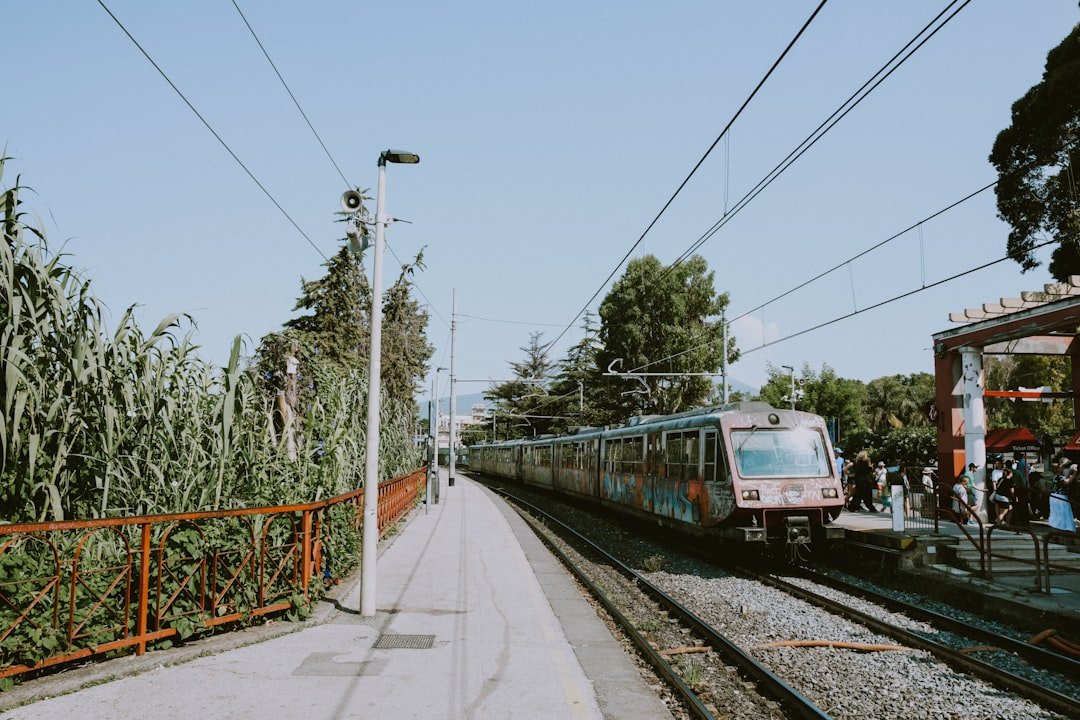
Pisa International Airport is unusually close to the city. PisaMover provides an automated connection between the airport and Pisa Centrale railway station, with an intermediate park-and-ride stop. The ride itself takes only a few minutes.
From Pisa Centrale, you can walk into the center, take a local bus or continue by regional train to other Tuscan destinations.
Safety Tips for First-Time Visitors in Pisa
Pisa is straightforward for most visitors, but normal urban travel precautions still apply. Crowded tourist areas, stations and public transportation deserve extra attention because distraction can make theft easier.
- Keep your phone, passport and wallet in a secure bag rather than a loose outside pocket.
- Be especially aware of your belongings around the Tower, Pisa Centrale and crowded buses.
- Use well-lit streets when walking late at night.
- Do not leave valuables unattended at restaurant tables or in visible areas of parked cars.
- Ignore persistent requests for money or purchases if you are not interested rather than becoming drawn into an argument.
- Keep digital copies of important travel documents separate from the originals.
Street vendors and performers are part of many busy Italian tourist areas. Most interactions are harmless, but you are never required to engage, buy something or donate money.
Packing Essentials for a 3-Day Trip to Pisa
Comfort matters more than dressing formally for a sightseeing-heavy visit. Historic streets and stone surfaces can become tiring after several hours, so comfortable walking shoes should be your first priority.
- Comfortable shoes: useful for cobblestones, museum floors and long walking days.
- Light layers: temperatures can change between morning, afternoon and evening.
- Rain protection: a compact umbrella or lightweight waterproof jacket is useful outside the driest periods.
- Sun protection: bring sunscreen, sunglasses and a hat during warmer months.
- Refillable water bottle: useful during long sightseeing days.
- Phone or camera: Pisa offers plenty of architectural and riverfront photography.
- Portable charger: useful if you rely on your phone for tickets, maps and photographs.
- Small day bag: easier than carrying bulky luggage around the historic center.
Note: Remember that bags must be stored before entering the Leaning Tower, so traveling with a compact day bag makes the visit easier.
Budget-Friendly Activities and Attractions in Pisa
You can enjoy a large part of Pisa without paying for every attraction. Walking through Piazza del Duomo and viewing the exterior of its monuments costs nothing, as do the historic streets, Piazza dei Cavalieri, the Lungarni and Keith Haring’s Tuttomondo mural.
Cathedral admission is free, although visitor access uses a ticketing system and can change around religious services. Do not assume that all other monuments have general free-entry periods or discounted hours. The Leaning Tower, in particular, does not have a standard reduced-price ticket for ordinary adult visitors.
Giardino Scotto is another useful low-cost stop. The public garden incorporates part of Pisa’s historic fortress landscape and provides green space away from the busiest tourist streets.
Markets can also be inexpensive ways to experience local life even if you buy only a snack. Cecina is particularly suitable for budget travelers because it is traditionally sold as casual street food or by the slice.
Day Trips from Pisa: Exploring Nearby Towns and Cities
Pisa has excellent rail connections, but think carefully before using one of only three days for a full excursion. If this is your first visit and you want to see Pisa properly, complete the main itinerary first. A day trip makes more sense if you have already visited some of Pisa’s major monuments or are staying longer than three nights.
Lucca
Lucca is the easiest nearby option. Direct trains from Pisa Centrale commonly take roughly 30 to 45 minutes, depending on the service. The city is known for its Renaissance walls, compact historic center and Guinigi Tower.
Florence
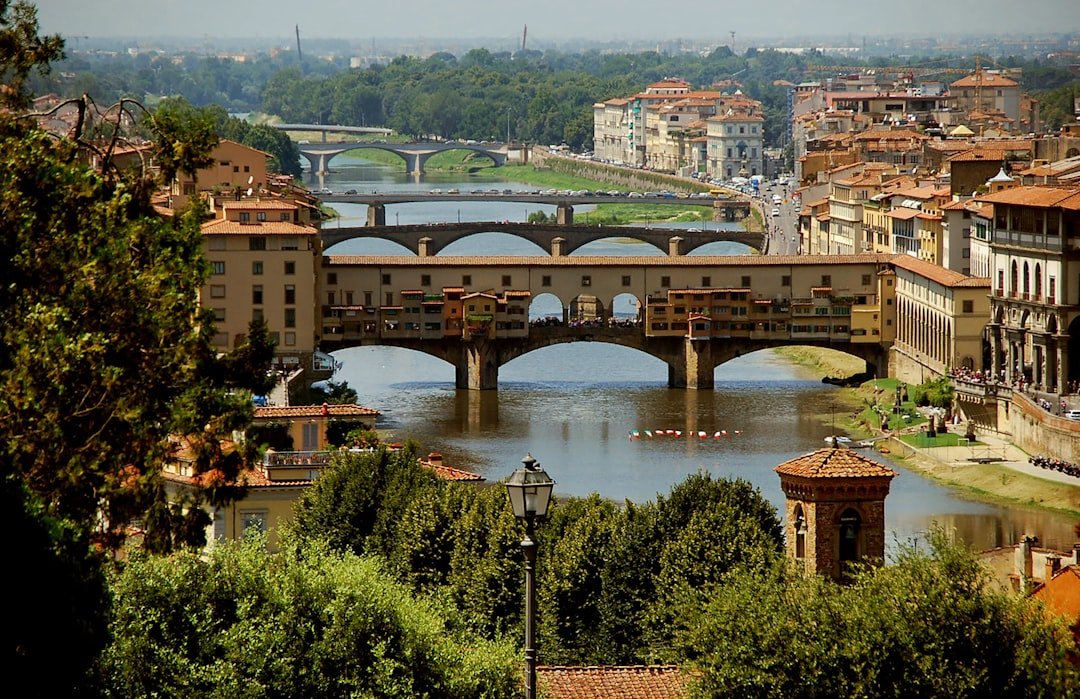
Florence is usually around an hour from Pisa Centrale on suitable regional services, although journey times vary. It offers the Uffizi Gallery, Florence Cathedral, Ponte Vecchio and many other major sights, so it deserves a full day rather than a rushed half-day visit.
Viareggio and the Versilia Coast
If you prefer the sea, Viareggio is an easy rail trip and provides a completely different atmosphere from inland Pisa. Forte dei Marmi is another well-known coastal destination, although onward transport may require more planning.
Cinque Terre
The Cinque Terre is also possible from Pisa by traveling north toward La Spezia and changing to local trains. However, it is a longer and more demanding excursion than Lucca. If you have only three days in Pisa, do it only if the Cinque Terre is a higher priority for you than Pisa’s museums and neighborhoods.
Pro Tip: Check the actual railway timetable for your travel date rather than relying on a fixed journey time. Regional schedules, engineering work and connections can change.
Making the Most of Your First Visit to Pisa
A successful first trip to Pisa is not about fitting as many attractions as possible into three days. The city is compact enough to slow down. Spend your first day understanding Piazza del Duomo, your second walking through the historic center and along the Arno, and your third enjoying local food and neighborhoods at a more relaxed pace.
The Leaning Tower deserves its fame, but Pisa becomes more memorable when you also notice Giovanni Pisano’s sculpture, the quiet courtyards of the Camposanto, the university atmosphere around Piazza dei Cavalieri, Santa Maria della Spina beside the river and Keith Haring’s bright Tuttomondo mural.
Food adds another layer. Try cecina while it is hot, look for dishes such as bordatino alla Pisana, and finish with gelato or a slice of torta coi bischeri. If you have extra time, Lucca, Florence and the Tuscan coast are all within practical reach by public transportation.
If you’re looking to explore the culinary delights of Italy during your visit to Pisa, be sure to check out this delicious homemade cottage cheese recipe for a simple and healthy option. And for a refreshing treat after a day of sightseeing, consider trying some Asian melon with this guide to exploring the delightful world of Asian melon. And if you’re a fan of rock music, you may be interested in the news of the passing of rock legend Ozzy Osbourne, as reported in this article.
Frequently Asked Questions
What is Pisa?
Pisa is a city in Tuscany, Italy, best known for its Leaning Tower. It is also a historic university city with medieval architecture, museums, churches, riverside neighborhoods and a long cultural history.
What are the top attractions in Pisa?
The main attractions include the Leaning Tower, Pisa Cathedral, Baptistery, Camposanto Monumentale, Opera del Duomo Museum, Piazza dei Cavalieri, the Botanical Garden, the Lungarni, Santa Maria della Spina and Keith Haring’s Tuttomondo mural.
How many days should I spend in Pisa as a first-timer?
Three days is comfortable for a first visit if you want more than a quick Tower stop. It gives you one day for Piazza del Duomo, another for the historic center and museums, and a third for food, neighborhoods and a slower pace.
What are some recommended activities for a 3-day itinerary in Pisa?
Visit the full Piazza del Duomo complex, walk through Piazza dei Cavalieri and Borgo Stretto, stroll along the Arno, visit the Botanical Garden, see Tuttomondo, try Pisan food and spend time in local markets or neighborhoods.
Are there any day trips from Pisa that I should consider?
Yes. Lucca is one of the easiest, while Florence, Viareggio and the Cinque Terre are also possible by public transportation. With only three days, however, consider completing Pisa’s main sights before giving up a full day to another city.
Do I need to book the Leaning Tower of Pisa in advance?
Advance booking is recommended because Tower admission uses fixed time slots and availability is limited. Arrive before your assigned time and allow additional time to store bags in the cloakroom.
Can young children climb the Leaning Tower?
No. For safety reasons, children who will not reach age 8 during the calendar year cannot enter the Tower. Visitors under 18 must be accompanied by an adult.
Is Pisa easy to explore on foot?
Yes. Walking is usually the easiest way to see central Pisa because its major sights are relatively close together. Buses are useful for longer distances, while Pisa Centrale connects the city to nearby destinations by train.
What food should I try in Pisa?
Try cecina, a chickpea-flour flatbread; bordatino alla Pisana, a cornmeal-and-bean soup; seasonal Tuscan dishes; seafood; and torta coi bischeri, a traditional sweet from the Pisa area.
Sources
- UNESCO World Heritage Centre — Piazza del Duomo World Heritage information.
- Opera della Primaziale Pisana — Leaning Tower, monument access, ticketing and accessibility guidance.
- University of Pisa — university history and Botanical Garden history.
- Comune di Pisa Tourism — Piazza dei Cavalieri, Santa Maria della Spina, Tuttomondo and visitor information.
- Autolinee Toscane and PisaMover — current local transport and airport-transfer information.
- Terre di Pisa — local cuisine including cecina, bordatino alla Pisana and torta coi bischeri.