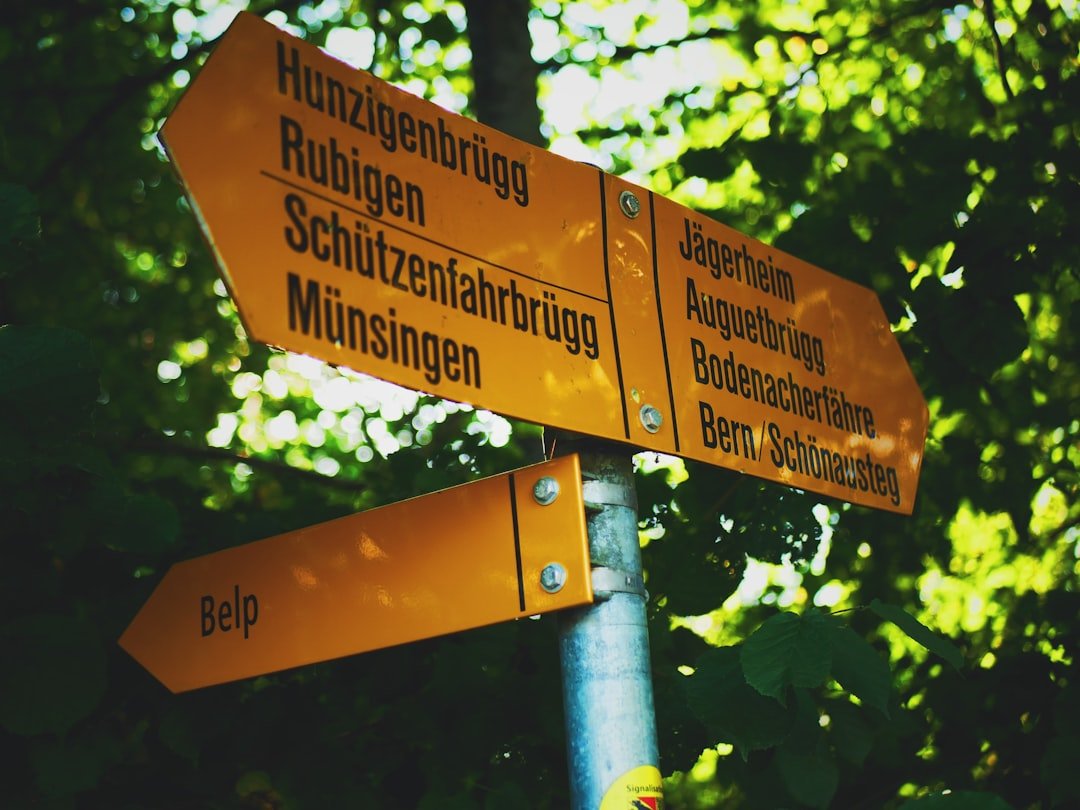
Switzerland in winter combines snow-covered Alpine scenery with skiing, winter hiking, Christmas markets, scenic rail journeys, thermal spas, and hearty regional food. A good Switzerland winter trip can work just as well for non-skiers as for dedicated snow-sports travelers, but the experience changes greatly by altitude, month, and region.
Quick Answer
For a classic Switzerland winter trip, combine skiing or mountain sightseeing in Zermatt, St. Moritz, or the Jungfrau Region with snowshoeing, a scenic train ride, and a city Christmas market. December suits festive trips, while January through March generally offers a broader choice of established winter-sports operations at Alpine resorts.
Last checked: October 1, 2026. Dates and figures were verified against official sources.
Key Takeaways
- December is especially appealing for Christmas markets and early-season mountain trips.
- Zermatt, St. Moritz, and the Jungfrau Region publish different 2026–27 operating periods, so there is no single nationwide ski-season date.
- Marked winter-hiking and snowshoe routes offer a practical alternative if you do not ski.
- Swiss trains make multi-stop winter trips realistic without renting a car.
- Natural ice, mountain weather, and trail conditions can change quickly, so use official open-status information before setting out.
Best Winter Activities in Switzerland
The best winter activities in Switzerland range from downhill skiing to gentle winter walks, thermal bathing, and scenic rail journeys. You do not need to ski every day to build a memorable winter itinerary.
- Skiing and snowboarding: The Alps offer everything from learning areas to steep high-mountain terrain. Choose a resort based on your ability rather than reputation alone.
- Sledding: Many mountain areas maintain dedicated sledding runs, making this an accessible choice for families and non-skiers.
- Winter hiking and snowshoeing: Prepared winter paths suit walkers, while marked snowshoe routes let you travel through deeper snow with appropriate equipment.
- Cross-country skiing: Long valley networks in areas such as the Engadin and Davos provide an alternative to lift-served skiing.
- Ice skating: Artificial outdoor rinks are common in winter. Natural lakes should only be entered when local authorities or operators have officially declared the ice safe.
- Ice climbing: Frozen waterfalls attract experienced climbers, but this is a technical activity that normally requires suitable equipment, conditions, and qualified instruction.
- Scenic rail travel: Snow-covered valleys and high passes can be enjoyed from Switzerland’s extensive rail network without spending the day outdoors.
Warning: Never assume a frozen lake, off-piste slope, or unprepared winter trail is safe because other people are using it. Ice strength, avalanche danger, visibility, and snow stability can change quickly. Follow local closures and official safety instructions.
Top Ski Resorts in Switzerland
)
Switzerland has many major ski destinations, but Zermatt, St. Moritz, Verbier, Davos-Klosters, and the Jungfrau Region stand out because they combine extensive mountain infrastructure with established resort towns. Opening dates vary by mountain, altitude, snow conditions, and lift sector.
Zermatt
Zermatt is a strong choice if Matterhorn views, high-altitude skiing, and a car-free resort atmosphere are priorities. The official Matterhorn Ski Paradise 2026–27 timetable states that its winter season starts November 1, 2026, with the Sunnegga/Rothorn and Gornergrat areas opening November 28 and the overall winter season running into May 2027, subject to the individual sector schedules.
St. Moritz and the Engadin
St. Moritz combines skiing with winter events, upscale hotels, cross-country skiing, and the broader Engadin landscape. According to the official Engadin 2026–27 mountain railway schedule, the main Corviglia links from St. Moritz are scheduled from November 28, 2026, to April 4, 2027. Some nearby Engadin sectors have different opening periods.
Jungfrau Region
The Jungfrau Region works well if you want to combine skiing with Grindelwald, Wengen, Mürren, mountain trains, and views of the Eiger, Mönch, and Jungfrau. Official Jungfrau Ski Region operating data lists Kleine Scheidegg from November 21, 2026, Grindelwald-First from December 19, 2026, and Mürren-Schilthorn from November 21, with closing dates differing by sector.
Verbier and Davos-Klosters
Verbier is especially well known for the wider 4 Vallées ski network and challenging terrain, while Davos-Klosters offers several distinct mountains and strong cross-country options. Because operating periods differ between individual sectors, treat resort-wide season dates as a planning guide rather than a guarantee that every lift will be running.
Winter Hiking and Snowshoeing in Switzerland
| Location | Named Trail | Distance | Ascent |
|---|---|---|---|
| Engelberg | Obertrübsee Snowshoe Trail | 6 km | 300 m |
| Grindelwald | Wetterhorn Trail | 4 km | 240 m |
| Davos | Dischmatal-Weg | 5 km | 160 m |
Winter hiking follows prepared or maintained paths, while snowshoeing lets you walk through deeper snow on routes intended for snowshoes. They are not interchangeable, so check the route type before leaving.
For a specific snowshoe outing, Switzerland Tourism lists the Obertrübsee Snowshoe Trail above Engelberg at 6 km with 300 m of ascent. It starts at Trübsee and takes about 2 hours 45 minutes under the published route guidance.
In Grindelwald, the Wetterhorn Trail is a 4 km snowshoe circuit with 240 m of ascent and an estimated duration of about 1 hour 50 minutes. It runs through snowy meadows and woodland below the Wetterhorn.
Davos also has prepared winter walks. The Dischmatal-Weg is listed at 5 km, about 1 hour 45 minutes, and 160 m of ascent. It follows the quieter Dischma Valley away from the main resort center.
Pro Tip: A route’s published distance does not tell the whole story in winter. Fresh snow, ice, altitude, short daylight, and lift access can make a short route take considerably more effort than the same distance in summer.
Festivals and Events in Switzerland During Winter
Winter in Switzerland also brings Christmas markets, historic celebrations, ski racing, carnival, and events on frozen Alpine lakes. If an event is central to your trip, book accommodation around its confirmed dates rather than assuming it happens on the same weekend every year.
Christmas Markets
December is the main period for Christmas markets. The official Basel tourism calendar lists the Basel Christmas Market from November 26 to December 23, 2026, on Barfüsserplatz and Münsterplatz, with daily opening from 11:00 a.m. to 8:30 p.m. apart from earlier closing on December 23.
Fête de l’Escalade in Geneva
Geneva’s Escalade commemorates the failed Savoyard attack of 1602 with historical costumes, processions, music, demonstrations, and traditional food. Geneva Tourism lists the 2026 Fête de l’Escalade for December 11–13.
Lauberhorn Races
If Alpine ski racing interests you, Wengen hosts one of Switzerland’s major winter sports weekends. The official Lauberhorn race schedule lists the next races for January 15–17, 2027, with Super-G on Friday, downhill on Saturday, and slalom on Sunday.
White Turf in St. Moritz
St. Moritz offers a very different winter spectacle. The official White Turf calendar lists racing days on February 7, 14, and 21, 2027, on frozen Lake St. Moritz, with family days on the preceding Saturdays.
These Swiss events replace the original reference to the International Circus Festival in Monte Carlo, which takes place in Monaco rather than Switzerland.
Swiss Winter Cuisine and Dining
)
Fondue and Raclette
Cheese fondue is one of the best-known cold-weather dishes in Switzerland. Diners share a pot of melted cheese and dip bread into it, making the meal as social as it is filling. Recipes and cheese combinations differ by region and restaurant.
Raclette is another classic choice, particularly associated with Valais. Melted cheese is scraped onto potatoes and commonly served with pickled accompaniments.
Rösti and Regional Specialties
Rösti is made from grated potatoes cooked until crisp and can appear as a side dish or as part of a larger meal. In mountain areas, you will also find regional meat, pasta, cheese, and potato dishes designed for cold-weather eating.
Sweet Treats
For dessert or a snack, look for regional baked goods such as Engadin Nusstorte, a rich nut tart associated with Graubünden. Zopf, a braided bread commonly eaten on Sundays, is another familiar Swiss bakery staple.
Winter Wellness and Spa Retreats in Switzerland
Thermal bathing is an easy way to build a rest day into a ski or hiking itinerary. Leukerbad and Bad Ragaz are among Switzerland’s established spa destinations, while many Alpine hotels have their own pools, saunas, and wellness areas.
Leukerbad is especially practical because thermal bathing and mountain activities are concentrated in the same resort. The official Leukerbad Therme currently lists ten bathing areas, daily thermal-bath hours of 8:00 a.m. to 8:00 p.m., and a 2026 adult price of CHF 33 for three hours or CHF 39 for a day ticket. Published prices and hours can change.
Bad Ragaz offers a more resort-focused wellness experience and is another established option for travelers who want to combine Alpine scenery with spa time. A thermal day can also make sense when visibility is poor or you want a break between active days.
When Is the Best Time to Visit Switzerland in Winter?
The best period depends on what you want to do. December is strongest for festive city trips, while January through March generally gives you a wider choice of fully established ski operations in major mountain areas.
| Period | Best For | What to Expect |
|---|---|---|
| December | Christmas markets and early skiing | Festive cities; mountain operations expand through the month |
| January | Skiing and winter-sports trips | Cold conditions and broad resort operations |
| February | Snow sports and major winter events | Popular ski period; school-holiday demand can be high |
| March | Longer days and higher-altitude skiing | Spring conditions become more likely at lower elevations |
Snow is not guaranteed across every Swiss city or lowland area simply because it is winter. If a snow-covered landscape is essential to your trip, stay in an Alpine resort or plan mountain excursions rather than relying on snow at lower elevations.
Tips for Traveling in Switzerland During Winter
Winter travel in Switzerland is usually straightforward if you build flexibility into mountain days and dress for changing conditions. Rail travel remains especially useful because many major resorts connect directly or indirectly to Switzerland’s public-transport network.
- Check the weather, avalanche information, trail status, and lift status before mountain activities.
- Wear layers so you can adjust between heated trains, cold platforms, villages, and high-altitude conditions.
- Use waterproof footwear with good grip for snowy or icy streets.
- Allow extra connection time on days with heavy snowfall or severe mountain weather.
- Reserve popular resort accommodation early for Christmas, New Year, school-holiday periods, and major events.
Should You Buy a Swiss Travel Pass?
A Swiss Travel Pass can simplify a rail-heavy itinerary, but it is not automatically the cheapest option for every traveler. For travel through December 31, 2026, SBB lists the adult second-class Swiss Travel Pass at CHF 254 for three days, CHF 309 for four days, CHF 399 for six days, CHF 439 for eight days, and CHF 499 for 15 days.
Compare the pass with the actual train journeys in your itinerary, particularly if you are staying in one resort for several days. Ski lift passes are separate products and should not be assumed to be included simply because you hold a rail pass.
Unique Winter Experiences in Switzerland
Switzerland’s winter appeal extends beyond skiing. Scenic trains, sledding, ice-based activities, igloo stays, mountain restaurants, and thermal bathing can fill an itinerary even if nobody in your group skis.
Ride the Glacier Express
The Glacier Express links Zermatt and St. Moritz through some of Switzerland’s most dramatic mountain scenery. The official Glacier Express timetable states that the train does not operate from October 11 through December 4, 2026, so early-winter travelers should account for that seasonal break.
A valid travel ticket and a separate seat reservation are required for Glacier Express travel. Winter views can be spectacular, but mountain weather may reduce visibility on a particular day.
Try an Igloo Stay or Ice-Based Activity
Some winter destinations offer igloo accommodation, guided ice climbing, or ice fishing. These activities depend heavily on weather, ice, and snow conditions, so use an established operator rather than attempting technical or ice-based activities independently.
Take a Dedicated Sledding Day
Sledding can be a full mountain activity rather than a short children’s diversion. Some Alpine areas have long prepared runs reached by mountain railways or lifts, letting non-skiers share much of the same scenery as skiers.
Packing List for a Winter Trip to Switzerland
Pack for cold outdoor conditions but remember that trains, restaurants, shops, and hotels can be warm. Layers are more flexible than relying on one extremely heavy garment.
- Moisture-managing base layers
- Warm insulating mid-layers
- Waterproof or weather-resistant outer jacket
- Insulated waterproof boots with useful traction
- Warm socks
- Gloves or mittens
- Warm hat
- Scarf or neck warmer
- Sunglasses
- Sunscreen for exposed skin, especially at altitude
- Reusable water bottle
- Small daypack for spare layers and essentials
If skiing, snowboarding, climbing, or snowshoeing, use equipment appropriate to that activity rather than treating general winter clothing as a substitute for technical gear.
Embracing the Magic of Winter in Switzerland
A successful Switzerland winter trip is less about trying to see everything and more about matching the destination to your interests. Skiers may prefer several nights in one Alpine resort, while non-skiers can combine a mountain base with winter walks, rail excursions, thermal baths, food, and city events.
December is particularly strong for festive travel, while the heart of the ski season extends through the colder months and into spring at many higher resorts. Check the operating period for the exact mountain you plan to visit, then leave enough flexibility for weather-dependent activities.
Frequently Asked Questions
What is the best time to visit Switzerland in winter?
December is best for Christmas markets, while January through March generally gives winter-sports travelers a broader choice of established ski operations. The ideal month still depends on altitude, snow conditions, school holidays, and the activities you want to do.
What are the popular winter activities in Switzerland?
Popular winter activities include skiing, snowboarding, sledding, cross-country skiing, winter hiking, snowshoeing, and ice skating. Non-skiers can also enjoy scenic trains, thermal spas, Christmas markets, mountain restaurants, and other weather-dependent winter excursions.
What are the best-known ski resorts in Switzerland?
Zermatt, Verbier, St. Moritz, Davos-Klosters, and the Jungfrau Region are among Switzerland’s best-known ski destinations. They differ in terrain, village atmosphere, altitude, transport, and operating dates, so the best fit depends on your skiing ability and travel priorities.
What are the must-visit winter destinations in Switzerland?
Zermatt, St. Moritz, Grindelwald, Wengen, Mürren, Lucerne, Geneva, and major Christmas-market cities such as Basel all offer distinctive winter experiences. Choose mountain resorts for snow-based activities and cities for culture, markets, museums, dining, and easier low-altitude sightseeing.
What should I pack for a winter trip to Switzerland?
Pack insulating layers, weather-resistant outerwear, waterproof boots, warm socks, gloves, a hat, and a scarf or neck warmer. Sunglasses and sunscreen are also useful at altitude because snow reflects sunlight, while a small daypack makes it easier to carry spare layers.
The original post also included this Tagline Today link: homemade cottage cheese recipe.
Sources
- Matterhorn Ski Paradise: Zermatt 2026–27 winter season and ski-pass information.
- Engadin Tourism: St. Moritz and Engadin 2026–27 mountain railway operating dates.
- Jungfrau Railways: 2026–27 operating periods for Jungfrau ski sectors.
- Switzerland Tourism — Obertrübsee Snowshoe Trail: Engelberg trail distance, duration, and ascent.
- Switzerland Tourism — Wetterhorn Trail: Grindelwald snowshoe route figures.
- Switzerland Tourism — Dischmatal-Weg: Davos winter-hiking route figures.
- Geneva Tourism: 2026 Fête de l’Escalade dates and event details.
- Basel Tourism: Basel Christmas Market 2026 dates and hours.
- International Lauberhorn Races: January 2027 race dates and program.
- White Turf St. Moritz: February 2027 racing and family-day dates.
- Leukerbad Therme: thermal-bath facilities, hours, and 2026 prices.
- SBB: Swiss Travel Pass prices valid through December 31, 2026.
- Glacier Express: 2026 timetable, seasonal interruption, and reservation requirements.