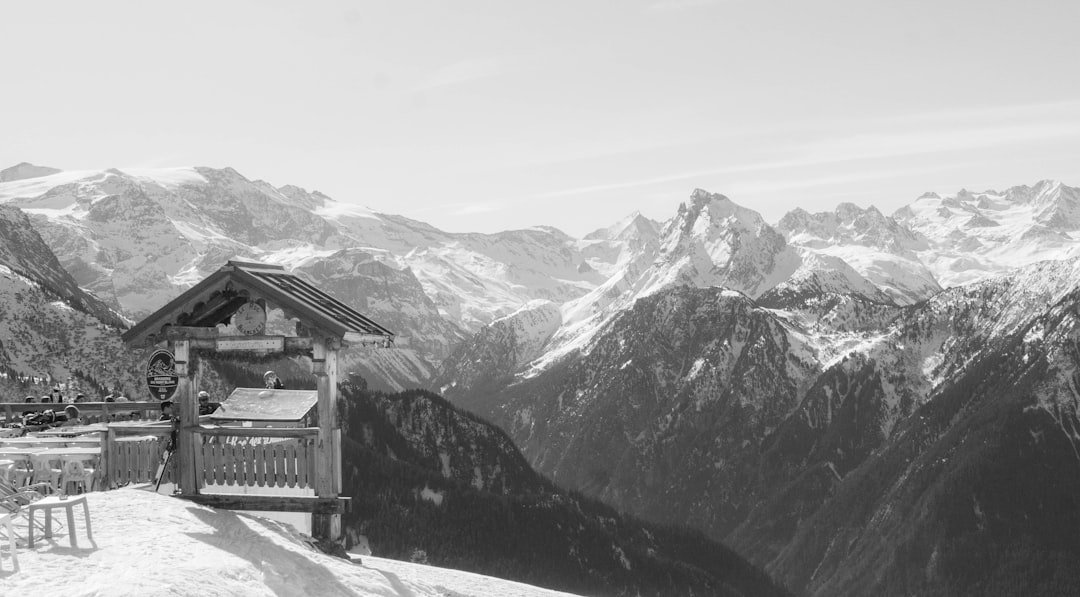
Cardada and Cimetta rise directly above Locarno and Lake Maggiore, giving photographers an unusually easy way to move from lakeside scenery to alpine viewpoints in a single outing. Cardada sits at about 1,340 meters, while the higher Cimetta viewpoint reaches about 1,670 meters. Together they offer broad lake views, mountain panoramas, hiking trails, changing seasonal color, and several strong locations for landscape photography.
Quick Answer
For the best Cardada Cimetta photography experience, take the funicular from Locarno to Orselina, the cable car to Cardada, and the chairlift to Cimetta. Photograph the Cardada scenic promontory for Lake Maggiore views and continue to Cimetta’s geological observatory for a 360-degree mountain panorama.
Key Takeaways
- Cardada and Cimetta are two different levels: the cable car reaches Cardada at about 1,340 m, while a chairlift continues to Cimetta at about 1,670 m.
- Cardada’s scenic promontory provides a 180-degree panorama over Lake Maggiore, Centovalli and part of the Maggia Valley.
- Cimetta’s geological observatory provides a 360-degree panorama and is the strongest option for broad alpine compositions.
- A wide-angle lens works well for sweeping landscapes, while a telephoto lens is useful for isolating distant peaks and layers of mountains.
- Do not assume the lifts operate at sunrise or sunset. Check the current timetable before planning a golden-hour shoot.
At a Glance
| Time Required | A half day is comfortable for Cardada and Cimetta with photography stops; allow longer if you plan to hike. |
| Difficulty | Easy when using the lifts, with additional walking required between viewpoints. Hiking routes range from relaxed walks to more demanding mountain trails. |
| Tools Needed | Camera or phone, charged battery, wide-angle or standard lens, optional telephoto lens, polarizing filter, tripod for low-light work, weather protection and suitable walking shoes. |
| Cost | For 2026, the published adult return fare is CHF 8 for the Locarno-Orselina funicular plus CHF 39 for Orselina-Cardada-Cimetta, or CHF 47 before discounts. Always verify current fares before traveling. |
Getting to Cardada Cimetta
The easiest route from central Locarno uses three separate mountain-transport stages. Understanding the difference between them prevents the common mistake of treating Cardada and Cimetta as the same station.
- Locarno to Orselina: Take the historic Locarno-Orselina funicular from the city. Current schedules and fares are published by the Società della Funicolare Locarno-Madonna del Sasso.
- Orselina to Cardada: Transfer to the aerial cable car. According to the official operator, the ride takes about five minutes and climbs from Orselina at 395 m to Cardada at 1,340 m.
- Cardada to Cimetta: Continue on the distinctive two-seat chairlift. The ride takes about seven minutes and reaches Cimetta at approximately 1,670 m.
The Cardada cable car normally runs every 30 minutes during its operating periods. The chairlift follows a more limited timetable and can include a midday break, so check the official Cardada timetable before traveling.
Note: For 2026, Cardada’s published summer operating period runs from March 16 through November 8. The operator lists a closure from November 9 through December 18 before winter operation resumes on December 19. Schedules can change because of maintenance, weather or operating conditions.
Travelers who do not want to use the Locarno funicular can also reach the Orselina cable-car station using local bus No. 3. This can be especially useful when planning around mobility requirements or different ticket combinations.
Tickets and travel-pass discounts
The Locarno-Orselina funicular and the Cardada mountain lifts use separate fare systems. For 2026, the funicular publishes an adult return fare of CHF 8, while the Cardada operator lists CHF 39 for an adult return journey from Orselina through Cardada to Cimetta. Current Cardada fares are available on the official fare page.
The Swiss Travel Pass currently receives a discount on both systems, but the percentage is not identical: the funicular lists a 25% reduction, while Cardada lists discounted SBB fares for Swiss Travel Pass holders and several other eligible passes. Check both operators rather than assuming one pass covers the entire journey.
Accessibility
The Orselina-Cardada cable car was designed for easier access by older visitors, wheelchair users and families with pushchairs. However, the Cardada-Cimetta chairlift is not suitable for people in wheelchairs or people unable to walk independently. The Locarno-Orselina funicular’s own timetable page also states that its service is not suitable for disabled travelers, so passengers with mobility needs should review the current accessibility information and consider bus No. 3 to the Orselina cable-car station.
Warning: Mountain transport can be altered or suspended when thunderstorms, bad weather or other safety conditions affect operations. Check the forecast and lift status before leaving Locarno, especially if your return depends on the final chairlift or cable car of the day.
The Viewpoints at Cardada Cimetta
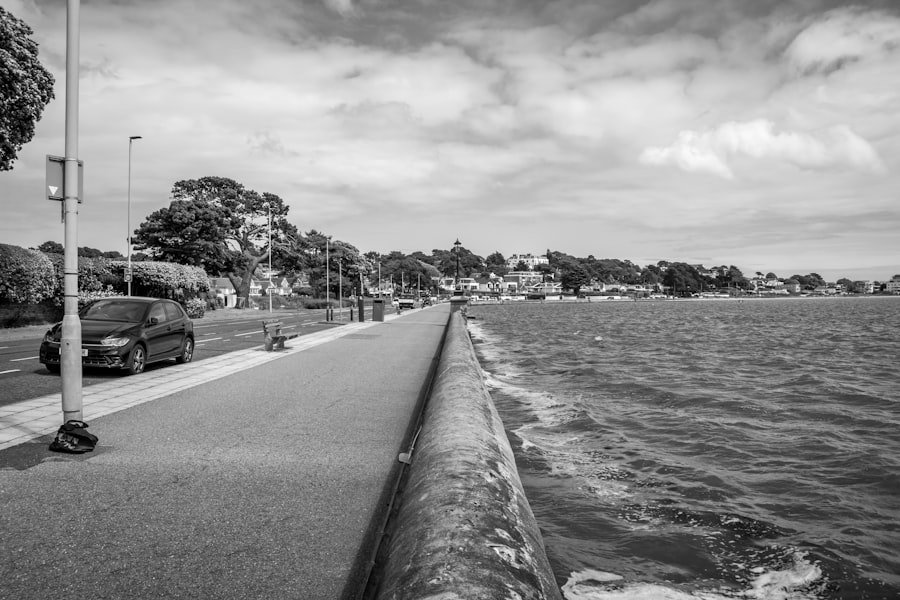
Cardada and Cimetta offer different photographic perspectives, so it is worth visiting both rather than stopping immediately after the first cable-car ride.
Cardada Scenic Promontory
The official Cardada scenic promontory was designed by landscape architect Paolo Bürgi. A granite-paved path extends toward the treetops and finishes at a suspended viewing platform. The operator describes a 180-degree panorama that includes Lake Maggiore, Centovalli and part of the Maggia Valley.
This is one of the easiest places to build a classic Lake Maggiore composition. Try placing the lake in the lower third of the frame and allowing the mountain ridges to lead the eye toward the horizon.
Cimetta Geological Observatory
At the higher Cimetta level, the geological observatory provides a 360-degree panorama of the surrounding region and mountain chains. Information panels also explain the Insubric Line and the geological formation of the Alps.
The wider field of view makes Cimetta especially useful for panoramas, layered mountain compositions and changing weather conditions. A telephoto lens can compress distant ridges, while a wide-angle lens emphasizes the scale of the surrounding landscape.
Croce di Cardada
Another viewpoint sits near the historic Croce di Cardada at approximately 1,460 m. On clear days, the elevated position can reveal distant Alpine scenery beyond the immediate Lake Maggiore landscape.
The strongest Cardada Cimetta photo plan is not one viewpoint but a sequence: photograph Lake Maggiore from Cardada, then continue higher for Cimetta’s broader 360-degree alpine panorama.
Photography Tips for Capturing the Views
| Photography Tip | How to Use It |
|---|---|
| 1 | Use a tripod when slower shutter speeds or low light make handheld shooting difficult. |
| 2 | Choose a smaller aperture such as f/8 to f/11 when you want foreground and distant mountains to remain sharp. |
| 3 | Use softer early or late-day light when lift operating hours allow. |
| 4 | Use paths, ridges, railings or foreground rocks as leading lines. |
| 5 | Change height and focal length instead of photographing every viewpoint from eye level with the same composition. |
A wide-angle lens is useful for the sweeping lake-and-mountain views, but do not rely on it for every image. A standard or short telephoto focal length can produce stronger photographs by isolating distant ridges, villages or patches of light on Lake Maggiore.
A circular polarizing filter can reduce some glare on foliage and water and can strengthen contrast under suitable conditions. Rotate it while looking through the camera rather than automatically using maximum polarization, because very wide lenses can produce uneven-looking skies.
Foreground elements can also improve scale. Rocks, meadow plants, trail edges or people positioned carefully in the landscape can make the size of the mountains easier to understand.
Pro Tip: Take both a wide composition and a tighter telephoto version at each viewpoint. Cardada Cimetta has many overlapping mountain ridges, and a telephoto image can often show their depth more clearly than an ultra-wide photograph.
Golden hour and lift operating hours
Early morning and late afternoon usually provide softer directional light than the middle of the day, but photographers should plan around the mountain transport schedule. In summer 2026, the Cardada cable car starts earlier than the Cimetta chairlift, and the chairlift closes before late summer sunset.
If you depend on the lifts, the practical strategy is to use the earliest convenient ascent or photograph later in the afternoon while leaving enough time for the final descent. True sunrise or sunset photography should only be planned if you have a safe, permitted and realistic independent access and descent plan.
Exploring the Surrounding Area
Cardada Cimetta can be combined with several marked mountain walks. Official Cardada hiking information lists routes toward Cima della Trosa, Madone, Avegno and Mergoscia, as well as connections into the Maggia and Verzasca valleys. The tourism board also documents a Cardada-Cimetta-Alpe Vegnasca-Cardada circuit.
Before choosing a route, check distance, elevation gain, trail conditions and weather rather than judging difficulty only by how close the trail appears on a map. Current hiking ideas are available from the official Cardada hiking page.
Back in Locarno, visitors can continue photographing along Lake Maggiore or explore the old town, Castello Visconteo and Parco delle Camelie. These lower-elevation locations provide a useful contrast to the mountain environment, particularly when cloud or wind makes high-altitude photography less appealing.
Wildlife and Nature Photography Opportunities
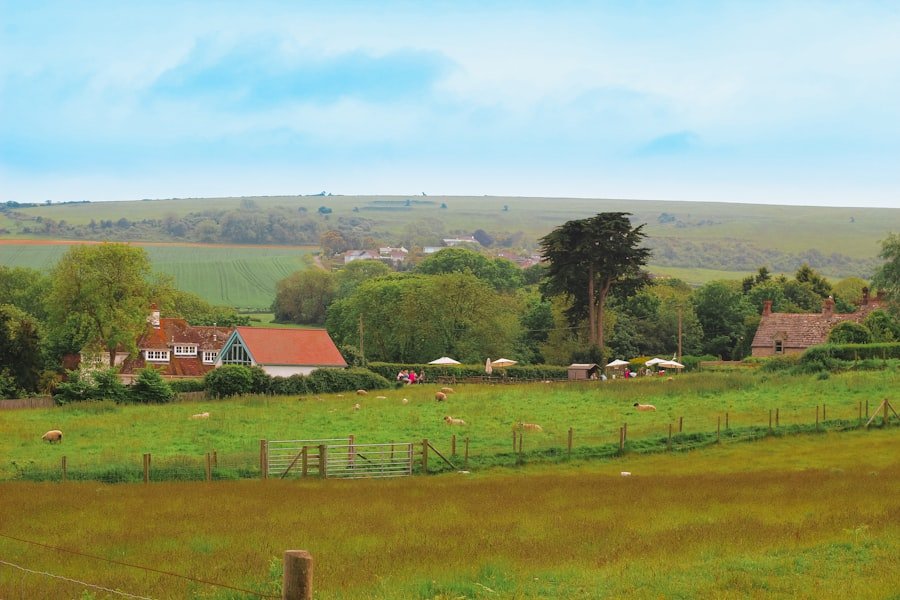
The Cardada area contains varied woodland, meadow and mountain habitats. The official operator describes beech, larch, chestnut and birch woods along with a range of birdlife and mountain animals. Seasonal wildlife can include squirrels, roe deer and chamois, although sightings are never guaranteed.
For wildlife photography, carry a longer lens rather than moving close to an animal. Give wildlife space, remain on appropriate trails, and avoid disturbing animals simply to improve a composition.
Spring and summer bring flowers and fresh vegetation that work well for close-up photography. Autumn changes the beech, larch, chestnut and birch landscape into a mix of seasonal colors, while snowy conditions can create much simpler compositions when winter weather allows.
More seasonal information is available from the official Cardada climate and nature page.
Best Times to Visit for Photography
The best season depends on the photographs you want rather than on a single universally ideal month.
Spring
Spring brings fresh vegetation and flowering plants. It is a good choice for photographers who want green landscapes, close-up subjects and fewer winter conditions on lower trails. Mountain conditions can still change quickly, so check the forecast and trail status.
Summer
Summer provides long daylight hours and generally gives visitors the largest window for exploring the viewpoints and trails. Midday light can be harsh, so earlier or later operating hours are usually better for landscape photography. Clouds building over the mountains can create dramatic photographs, but approaching thunderstorms are a reason to leave exposed viewpoints rather than continue shooting.
Autumn
September and October can be particularly attractive because deciduous woodland changes color and the lower sun can create stronger texture across ridges and valleys. Autumn also offers a useful mix of mountain scenery and colorful foreground vegetation.
Winter
Snow can transform the landscape into high-contrast scenes, but snow cover varies from year to year. Winter lift schedules are also more restricted, especially for Cimetta, so confirm both transport and trail conditions before planning a winter photography trip.
Planning Your Visit to Cardada Cimetta
Check three things before leaving Locarno: the weather forecast, the cable-car status and the chairlift timetable. Mountain conditions can change considerably during a day, and the operator may alter or suspend service when thunderstorms or other unsafe conditions develop.
Wear layers even when Locarno feels warm. The elevation difference between the lakeside city and Cimetta can produce noticeably cooler or windier conditions. Shoes with good grip are also more useful than casual city footwear if you plan to leave the immediate lift stations and viewpoints.
Carry enough battery power and memory-card space for the full trip. Cold conditions can reduce battery performance, while panoramic sequences and RAW files can consume storage quickly.
Drone photography
Do not assume that the absence of a photography sign means a drone may be flown anywhere. Switzerland’s Federal Office of Civil Aviation requires drone operators to check geographical flight restrictions before each flight. Restrictions can involve aerodromes, control zones, wildlife areas and other protected or sensitive locations.
Before launching a drone at Cardada Cimetta, consult the official FOCA geographical flight restrictions and any current airspace notices. Keep appropriate distance from other visitors and be especially alert to paragliders and other aircraft in mountain environments.
Cardada Cimetta rewards careful planning more than complicated equipment. Know whether you are stopping at Cardada or continuing to Cimetta, match your photography schedule to the lifts, watch the mountain weather, and give yourself enough time to photograph both broad panoramas and smaller landscape details.
For a completely different exercise in photographing color and texture, the site’s existing article on exploring the delightful world of Asian melon can be treated as a close-up photography example rather than a Cardada travel resource.
Frequently Asked Questions
What is the Cardada Cimetta viewpoint?
Cardada and Cimetta are mountain recreation and viewpoint areas above Locarno and Lake Maggiore. Cardada is reached by cable car from Orselina at about 1,340 m, while a chairlift continues to Cimetta at about 1,670 m.
How do you reach Cardada Cimetta from Locarno?
Take the Locarno-Orselina funicular, transfer to the Orselina-Cardada cable car, and then take the two-seat chairlift from Cardada to Cimetta. Bus No. 3 can also be used to reach the Orselina cable-car station.
How much does Cardada Cimetta cost in 2026?
The published 2026 adult return fare is CHF 8 for the Locarno-Orselina funicular and CHF 39 for the Orselina-Cardada-Cimetta mountain lifts, for a combined CHF 47 before discounts. Fares can change, so verify them with both operators before traveling.
What photography equipment is useful at Cardada Cimetta?
A wide-angle or standard lens works well for Lake Maggiore and broad mountain panoramas. A telephoto lens is useful for distant ridges and compressed landscapes. A polarizing filter can help with glare, while a tripod is mainly useful for low light, long exposures or carefully aligned panoramas.
What is the best time of day for photography?
Earlier morning and later afternoon light can produce softer shadows than midday, but normal lift schedules do not necessarily cover sunrise or sunset. If you depend on the lifts, photograph during the earliest or latest practical operating periods and leave enough time for the final descent.
Is Cardada Cimetta wheelchair accessible?
The Orselina-Cardada cable car is designed to accommodate wheelchair users and families with pushchairs. The Cardada-Cimetta chairlift is not suitable for wheelchair users or people unable to walk. The Locarno-Orselina funicular also states that its service is not suitable for disabled travelers, so check current accessibility arrangements before visiting.
Can I fly a drone at Cardada Cimetta?
Drone use depends on current Swiss aviation and geographical restrictions. Check the Federal Office of Civil Aviation drone map and applicable airspace notices before every flight rather than assuming that recreational drone photography is automatically permitted.
Sources
- Cardada Impianti Turistici SA — Timetable — current operating periods, service hours and weather-related suspension information.
- Cardada Impianti Turistici SA — Fares — 2026 Cardada and Cimetta ticket prices and eligible discounts.
- Cardada Impianti Turistici SA — Cable Car — Orselina and Cardada elevations, ride duration and cable-car accessibility.
- Cardada Impianti Turistici SA — Chairlift — Cimetta elevation, ride duration and chairlift accessibility limitations.
- Cardada Impianti Turistici SA — Panoramic Viewpoints — Cardada scenic promontory, Croce di Cardada and Cimetta geological observatory.
- Swiss Federal Office of Civil Aviation — Geographical Flight Restrictions — official drone-map and flight-restriction requirements.