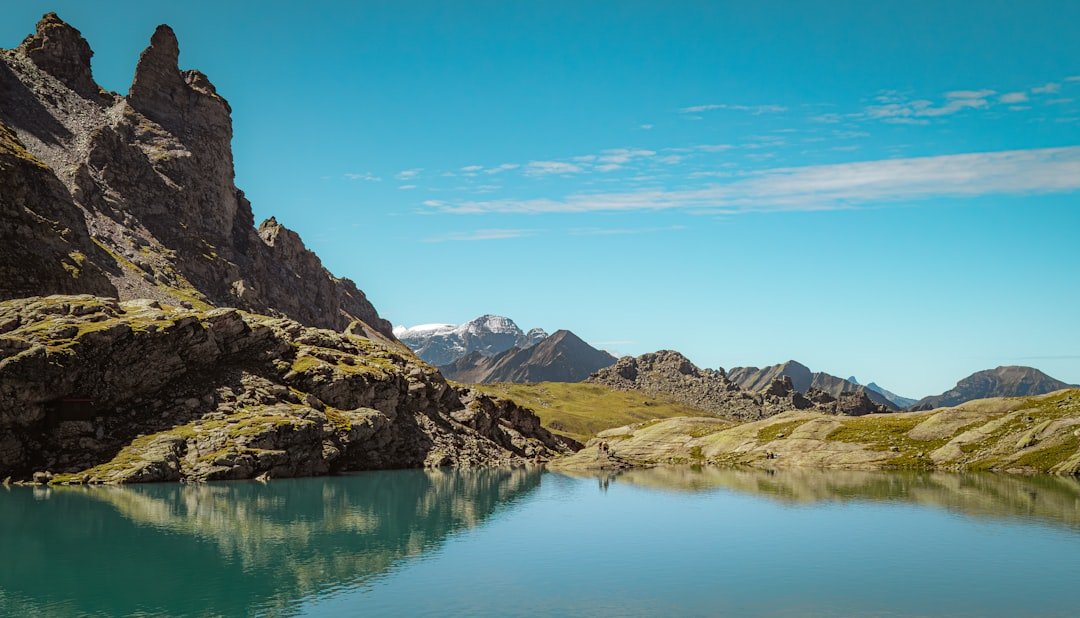
Camping in Switzerland can put you beside clear lakes, beneath Alpine peaks, or within easy reach of some of the country’s best hiking trails. The experience is rewarding, but successful trips require more than choosing a scenic pitch. You also need to understand local camping rules, changing mountain weather, fire restrictions, trail difficulty, and the equipment required for your chosen elevation and season.
Quick Answer
For a safe camping trip in Switzerland, start with an official campsite or verify local rules before camping elsewhere. Pack for rapid weather changes, check MeteoSwiss forecasts and fire restrictions, choose hiking routes that match your ability, carry reliable navigation, and know that Rega can be reached at 1414 in a mountain emergency.
Key Takeaways
- Camping rules are not identical across Switzerland. Cantons, municipalities, landowners, and protected areas can impose different restrictions.
- Camping is prohibited inside the Swiss National Park, so use an official campsite outside the park if you want to visit it.
- Pack a weather-resistant shelter, temperature-appropriate sleep system, waterproof layers, navigation, lighting, first aid supplies, food, and sufficient drinking water.
- Check weather, trail conditions, transport schedules, campsite opening dates, and current fire restrictions before departure.
- Choose Swiss hiking routes by technical difficulty and current conditions, not just by distance.
- Respect wildlife, livestock, other campers, vegetation, and local waste and sanitation rules.
At a Glance
| Planning Time | Allow time before departure to confirm campsite availability, local regulations, weather, trail status, transport, and fire restrictions. |
| Difficulty | Easy at serviced valley campsites; potentially demanding at remote or high-altitude sites. |
| Core Gear | Tent, sleeping bag and pad, waterproof layers, sturdy footwear, stove where permitted, food, water, first aid kit, headlamp, navigation, sun protection, and a charged phone or power bank. |
| Cost | Varies by campsite, season, pitch type, number of guests, transport, and equipment. Check the campsite’s current published rate before booking. |
Choosing the Right Campsite in Switzerland
Selecting the right campsite is one of the most important parts of planning a comfortable Swiss camping trip. Switzerland offers lakeside, valley, forest-edge, and mountain-area campgrounds, but the best choice depends on how you travel and what you want to do.
Families may value toilets, showers, electricity, food shops, swimming access, playgrounds, and public transport. Hikers may prefer a campground near a trailhead or railway station, while road-trip travelers may prioritize vehicle access and late check-in arrangements.
Before booking, check:
- Opening and closing dates for the season
- Whether advance reservations are required
- Access by car, train, bus, bicycle, or on foot
- Toilets, showers, drinking water, electricity, and cooking facilities
- Rules for tents, campervans, pets, quiet hours, and fires
- Nearby hiking routes and their current status
- Expected nighttime temperatures at the campsite’s elevation
Switzerland Tourism maintains listings for official campsites in many regions. Using an established campground is generally the simplest choice when you want predictable facilities and clear overnight permission.
Pro Tip: Do not judge a campsite only by daytime temperatures in the nearest town. Elevation can make nights much colder, so check the forecast for the actual location or mountain area where you will sleep.
Camping and Wild Camping Rules in Switzerland
There is no single nationwide rule that makes all wild camping either legal or illegal. According to the Swiss Alpine Club, the legal situation is not uniform, and restrictions can be imposed by cantons and municipalities. Free camping is expressly prohibited in certain protected areas, and additional local rules can apply elsewhere.
Permission from a landowner may also be necessary on private property. Even with the owner’s consent, you still need to respect applicable public restrictions, protected areas, fire bans, and access rules.
Warning: Camping inside the Swiss National Park is prohibited. The park’s official regulations also prohibit campfires and restrict visits to daytime. If you want to explore the park, stay at an authorized campsite or other accommodation outside its boundaries and enter the park as a day visitor.
The safest approach is simple: use an official campsite when possible. If you plan a remote overnight stop, check the municipality or canton, protected-area status, land ownership, wildlife restrictions, and any posted signs before setting up.
Essential Camping Gear and Equipment
Your equipment should match the season, elevation, weather forecast, and type of campsite. A sheltered valley campground in midsummer requires less specialized equipment than a high-altitude overnight trip.
Core equipment usually includes:
- A stable, weather-resistant tent with a suitable rainfly
- A sleeping bag rated for expected nighttime temperatures
- An insulated sleeping pad
- Waterproof jacket and trousers
- Warm insulating layers plus dry spare clothing
- Sturdy footwear with reliable grip
- Headlamp or flashlight with spare power
- First aid kit and personal medications
- Offline map, physical map, or another reliable navigation method
- Charged phone and power bank
- Sun protection, including sunscreen, sunglasses, and a hat
- Food, drinking water, and a suitable water-treatment method when needed
- Portable stove and fuel where their use is permitted
- Cooking utensils, lighter or ignition system, and cleanup supplies
- Waste bags and basic repair items such as tape and spare cord
A down sleeping bag can provide excellent warmth for its weight, but it must be kept dry. Synthetic insulation can be easier to manage in damp conditions. Whichever you choose, use the bag’s temperature rating together with the forecast and your own cold tolerance rather than assuming summer nights will always be warm.
Safety Tips for Camping in Switzerland
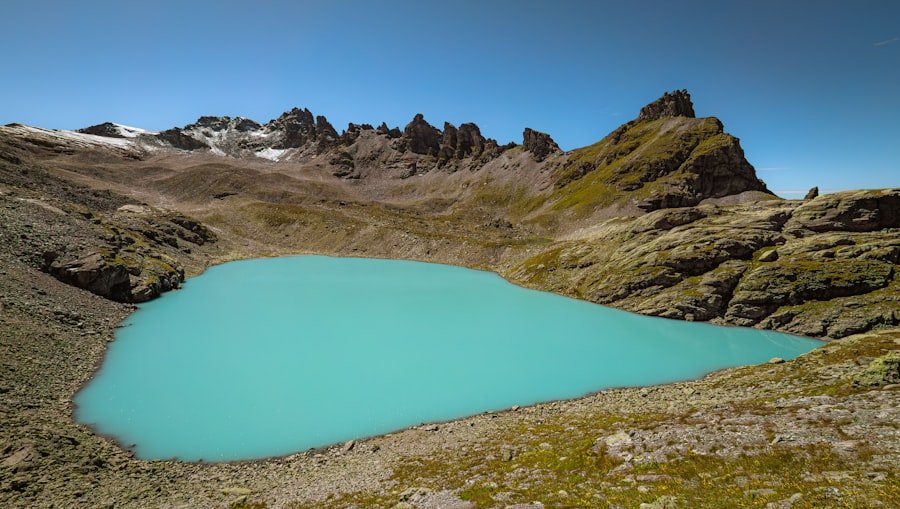
Mountain safety begins before you leave. Check the route, forecast, elevation, trail conditions, daylight, public-transport schedule, and expected return time. Tell someone where you are going when your trip includes remote terrain, and download maps for offline use in case mobile coverage disappears.
The Alps can experience rapid weather changes. MeteoSwiss reports that thunderstorm activity is highest during the warm summer months from June through August. Check the official forecast and warnings again shortly before setting out.
Warning: If thunderstorms threaten, avoid exposed peaks, ridges, open terrain, isolated trees, and bodies of water. Change your route or turn around early rather than trying to outrun a storm on exposed ground.
For emergencies in Switzerland, Swiss Air-Rescue Rega can be reached at 1414. The general European emergency number is 112. Exact coordinates or a reliable location description can make rescue easier.
If you venture into mountain terrain, never rely only on a phone battery or mobile signal. Carry navigation appropriate to the trip and know how to use it.
Exploring the Best Hiking Trails
Switzerland has hiking routes ranging from easy paths to exposed mountain trails. Route distance alone does not show how difficult a hike will be. Elevation gain, terrain, exposure, snow, weather, and trail classification all matter.
| Trail Name | Location | Difficulty | Distance |
|---|---|---|---|
| Eiger Trail | Grindelwald, Bernese Oberland | Medium technical and physical requirements | 6 km |
| Zermatt Five-Lakes Trail | Zermatt, Valais | Medium technical and physical requirements | 11 km |
| Pizol Five-Lakes Walk | Pizol, Eastern Switzerland | Medium technical; difficult physical requirements | 10 km |
| Aletsch Glacier Trail | Aletsch Arena, Valais | Medium technical and physical requirements | 12 km |
The Eiger Trail runs beneath the famous Eiger North Face from the Eigergletscher area toward Alpiglen. Official route information lists it at about 6 km and roughly 1 hour 55 minutes in the usual direction, with medium technical and physical requirements.
The Zermatt Five-Lakes Trail links Stellisee, Grindjisee, Grünsee, Moosjisee, and Leisee and gives hikers repeated views of the Matterhorn. The Pizol Five-Lakes Walk is more physically demanding, while the Aletsch Glacier Trail combines mountain terrain with views of the Great Aletsch Glacier.
For a much longer challenge, the Haute Route between Chamonix and Zermatt is a multi-day Alpine journey with different itinerary variants. Do not treat it as an ordinary day hike. The exact route, technical demands, snow or glacier exposure, accommodation plan, and required experience depend on the itinerary you choose.
Note: Swiss hiking routes use different path categories. Mountain and alpine routes can require surefootedness, a head for heights, appropriate footwear, mountain experience, and the ability to respond to sudden weather changes. Always check the specific route classification and current conditions.
Cooking and Food Preparation Outdoors
Cooking at camp is easier when meals are planned before departure. Simple dishes such as pasta, rice, couscous, soup, or one-pot meals reduce the amount of equipment and cleanup you need.
Swiss cheese, bread, vegetables, fruit, and cured products can make convenient ingredients, but foods that require refrigeration still need proper temperature control. Keep perishables in an appropriate cooler or refrigerator and avoid leaving food exposed for long periods.
A portable camping stove is usually easier to control than an open fire. If you want to use a campfire or fixed barbecue site, first confirm that fires are permitted at that exact location and that no temporary fire ban is in force.
Warning: Never assume a fireplace, fire ring, or previous campfire makes a new fire legal. Temporary fire restrictions can override normal site rules, especially during dry conditions.
Bring the fuel required for your stove, a pot or pan, utensils, eating equipment, and cleanup supplies. Use soap only where campsite rules permit it, and never wash dishes directly in a natural lake or stream.
If you enjoy preparing food before a trip, you could make something such as this delicious homemade cottage cheese recipe at home and carry it only if you can keep it properly chilled during transport and storage.
Drinking Water and Food Safety
Do not assume that every stream, spring, fountain, or lake provides safe drinking water. Use water specifically marked or confirmed as potable when possible. For uncertain natural sources, carry an appropriate treatment method and follow its instructions.
Store food securely, clean cooking areas after use, and pack out food scraps. Leaving scraps behind can attract animals even when the food seems biodegradable.
Wildlife and Nature Watching
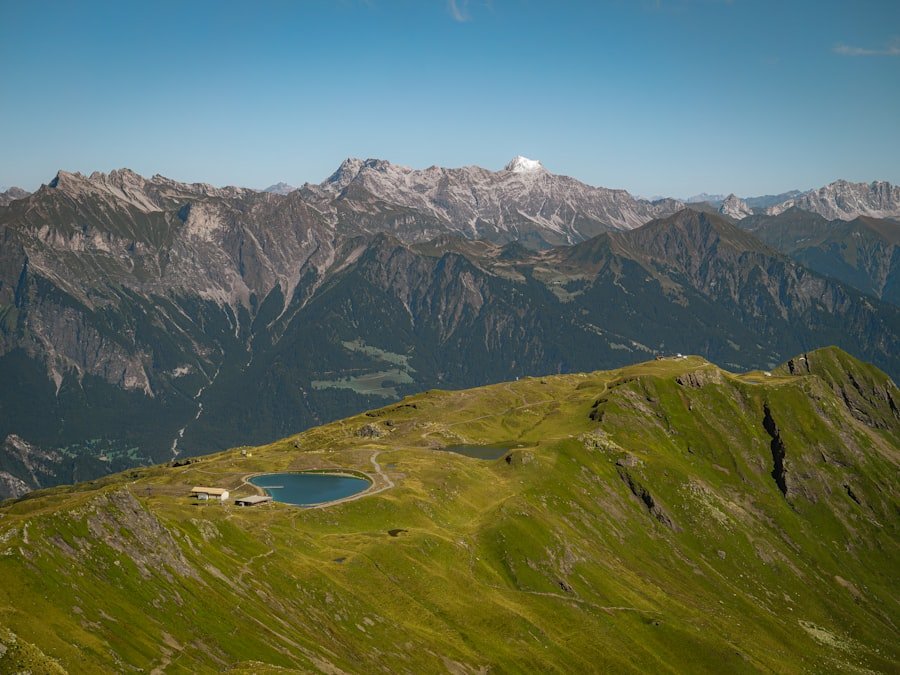
Switzerland’s mountain environments are home to wildlife including chamois, ibex, marmots, and golden eagles. Seeing these animals can be a highlight of a camping or hiking trip, but observation should never interfere with their normal behavior.
Keep a generous distance, do not feed wildlife, and use binoculars or a camera zoom instead of approaching an animal. If an animal changes direction, stops feeding, retreats, or appears alert because of your presence, increase the distance.
Early morning can be productive for wildlife viewing, but behavior varies by species and season. For example, the Swiss National Park notes that golden eagles and bearded vultures often make use of daytime updrafts, so there is no single universal “best” viewing hour.
Also take care around cattle, sheep, and livestock-protection dogs. Follow local signs, keep your distance from herds, and do not put yourself between livestock and their young.
Camping Etiquette and Leave No Trace Principles
Good camping etiquette protects both the landscape and other visitors. Keep noise low, respect quiet hours at organized campgrounds, use established paths, and leave your pitch clean.
- Pack out all rubbish and food scraps.
- Use toilets where available and follow local sanitation rules elsewhere.
- Avoid damaging plants or moving rocks unnecessarily.
- Do not feed wild animals.
- Keep washing water, soap, and food waste out of lakes and streams.
- Use established paths to reduce erosion.
- Respect seasonal wildlife closures and protected zones.
- Follow all fire restrictions and extinguish permitted fires completely.
Courtesy on hiking trails matters too. Give other hikers enough space, avoid blocking narrow paths when resting, and be prepared to let faster or uphill travelers pass safely when conditions allow.
A good campsite should look essentially the same after you leave as it did before you arrived.
Weather and Climate Considerations for Camping in Switzerland
Switzerland’s weather varies greatly with elevation, region, and exposure. A warm day beside a low-elevation lake does not mean that a nearby mountain campsite will have similar nighttime conditions.
Summer is a practical camping season for many travelers, but thunderstorms are also most frequent during the warmer months. High mountain trails can retain snow well into the traditional hiking season, and cold nights are possible even when valleys are warm.
Spring can bring snow and muddy trails at elevation. Autumn often offers cooler temperatures and shorter days. Winter camping requires specialized cold-weather equipment and much more experience, particularly where avalanche terrain, deep snow, or difficult access is involved.
Use the MeteoSwiss app and forecasts for location-specific weather and official hazard warnings. Check again shortly before hiking or moving to a remote campsite because forecasts and warnings can change.
Pre-Trip Camping Checklist
- Confirm that your campsite is open and that your pitch is reserved if necessary.
- If camping outside an official campground, verify cantonal, municipal, landowner, and protected-area rules.
- Check the latest weather and natural-hazard warnings.
- Check current fire restrictions before using any flame outdoors.
- Verify hiking-route conditions, closures, snow, and transport schedules.
- Pack clothing and sleep gear for the lowest expected temperature.
- Carry enough food and safe drinking water or a suitable treatment method.
- Download offline maps and charge your phone and power bank.
- Share your itinerary when heading into remote mountain terrain.
- Save emergency numbers: Rega 1414 and general emergency 112.
Frequently Asked Questions
What are some good areas for camping in Switzerland?
Popular camping regions include the Bernese Oberland around Interlaken and Lake Thun, the Valais around Zermatt, the Lake Geneva region, Ticino, and areas surrounding major nature parks. Choose an official campsite based on the activities, facilities, transport, and scenery you want. The Swiss National Park itself does not allow camping, so stay outside its boundaries when visiting.
Is wild camping legal in Switzerland?
There is no single rule that makes wild camping universally legal or illegal throughout Switzerland. Cantons and municipalities may impose restrictions, private land can require permission, and camping is prohibited in certain protected areas. Check the exact location’s rules before setting up outside an official campsite.
Can I camp inside the Swiss National Park?
No. Camping and overnight stays are prohibited inside the Swiss National Park. Use an authorized campsite or other accommodation outside the park and visit during permitted daytime hours.
What essential items should I bring when camping in Switzerland?
Bring a weather-resistant tent, temperature-appropriate sleeping bag and pad, waterproof and warm clothing, sturdy footwear, food, safe drinking water, lighting, first aid supplies, navigation, sun protection, a charged phone, a power bank, and cooking equipment suitable for the campsite’s rules.
What outdoor activities are popular during a Swiss camping trip?
Common activities include hiking, cycling, mountain biking, climbing, wildlife watching, swimming or paddling where permitted, and scenic mountain excursions. Conditions, regulations, and required skills differ by location, so verify the rules for each activity before starting.
What is the best time of year to go camping in Switzerland?
June through September is a practical window for many conventional camping trips because temperatures are generally milder and many seasonal facilities are operating. However, elevation matters greatly, mountain snow can remain into summer, thunderstorms are common in the warm season, and individual campgrounds have their own opening dates.
What emergency numbers should campers know in Switzerland?
For mountain or air-rescue emergencies in Switzerland, Rega can be reached at 1414. The general European emergency number is 112. When requesting help, provide your location or coordinates, what happened, how many people are involved, and any immediate hazards if you can do so safely.
Sources
- Swiss Alpine Club: Camping and Bivouacking — Swiss camping-law framework, local restrictions, and protected areas.
- Swiss National Park: Protection Regulations — camping, overnight-stay, campfire, and visitor restrictions inside the park.
- MeteoSwiss: Thunderstorm and Lightning Frequency — seasonal thunderstorm patterns and weather risk.
- Swiss Air-Rescue Rega: Emergency Numbers — Rega 1414, general emergency guidance, and location information.
- Switzerland Tourism: Eiger Trail — verified distance, duration, difficulty, and route information.
- Swiss Hiking: Hiking Path Categories — hiking, mountain-hiking, and alpine-hiking route requirements.