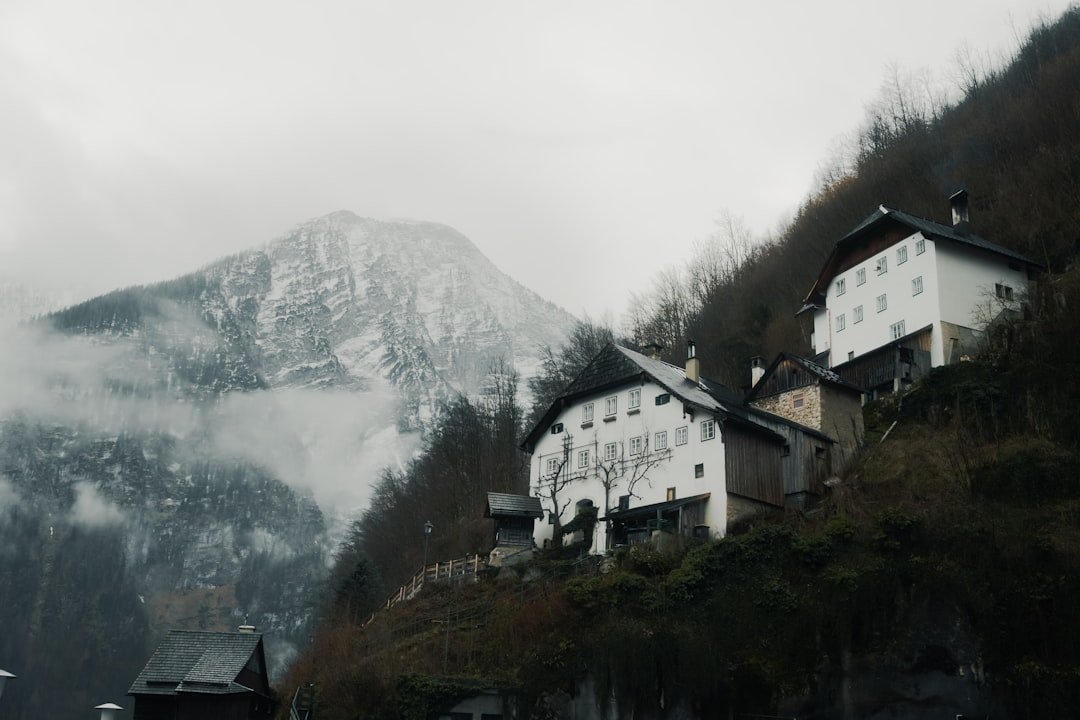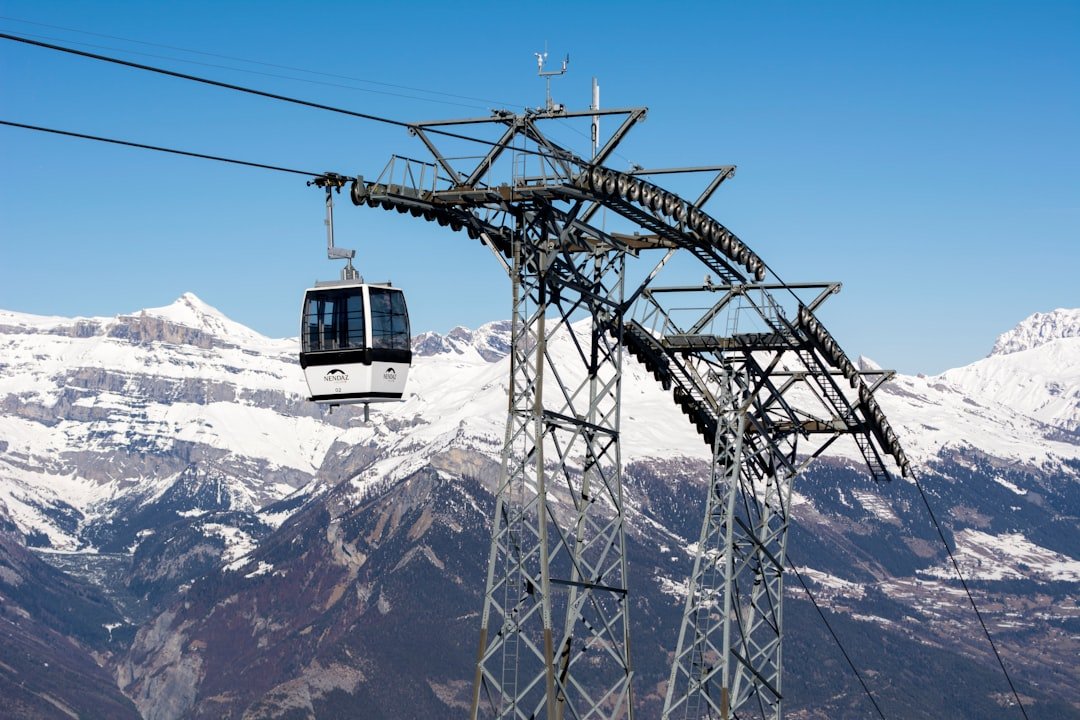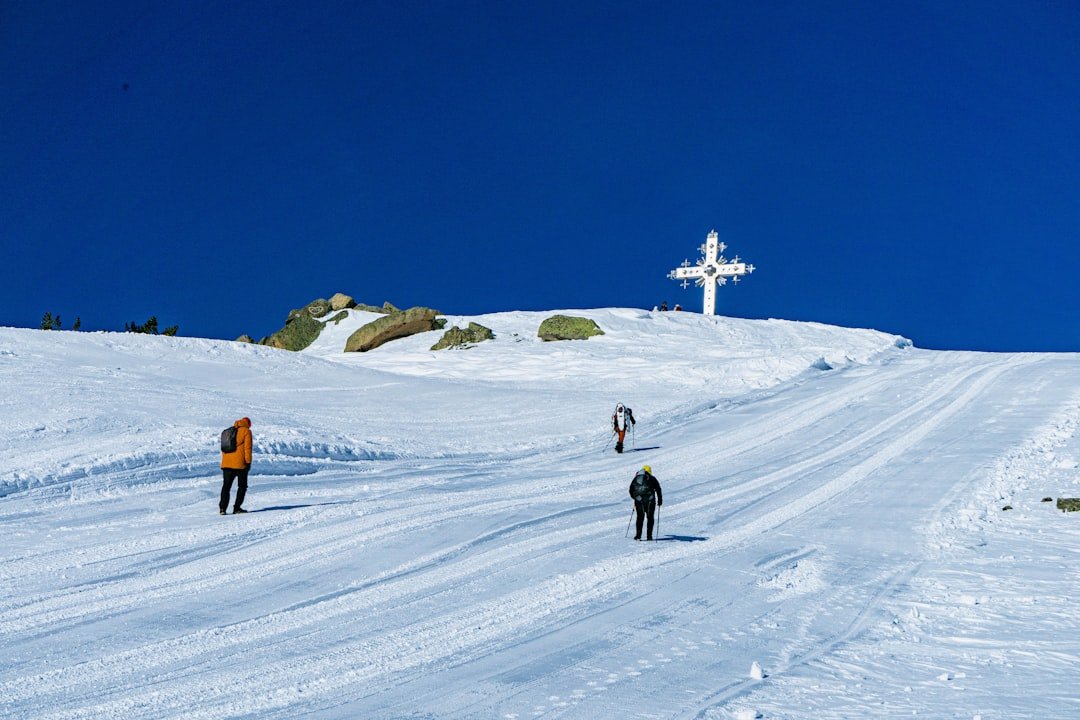
St. Moritz combines high-altitude skiing, historic winter-sports culture, mountain dining, luxury hotels, and several distinct ski areas in Switzerland’s Upper Engadin. The key to planning a good trip is understanding that Corviglia, Corvatsch, and Diavolezza/Lagalb offer different experiences, so the best area depends on your ability, snow conditions, and how much of the region you want to explore.
Quick Answer
For most first-time visitors, Corviglia is the easiest St. Moritz ski area to start with because it has direct access from town, 155 km of pistes, beginner terrain at Salastrains, and plenty of intermediate runs. Corvatsch adds higher-altitude skiing, while Diavolezza and Lagalb suit skiers looking for a more high-alpine experience.
Key Takeaways
- Corviglia/Piz Nair is the main ski area above St. Moritz and is the easiest choice for many first-time visitors.
- Corvatsch/Furtschellas reaches higher terrain and offers everything from beginner areas to the long black Hahnensee descent.
- Diavolezza and Lagalb provide a more dramatic high-alpine setting and are especially attractive to confident skiers.
- The major ski sectors are not one continuous lift-linked circuit, so plan transport when changing areas.
- Buy ski passes early when possible, reserve lessons and rental equipment during busy periods, and always check current lift and snow reports.
- Off-piste terrain carries avalanche risk. Check the official avalanche bulletin and use appropriate training, equipment, and professional guidance.
St. Moritz Ski Areas at a Glance
The broader Upper Engadin winter-sports region includes several large and small ski areas. The main sectors for a St. Moritz ski holiday are Corviglia/Piz Nair, Corvatsch/Furtschellas, and Diavolezza/Lagalb. Official regional information describes more than 350 km of slopes across the Upper Engadin.
| Ski Area | Best For | Useful Facts |
| Corviglia / Piz Nair | Beginners, intermediates, piste cruising, convenient access from St. Moritz | St. Moritz Tourism lists 155 km of pistes, 24 lifts, and a highest lift-served point at Piz Nair, 3,057 m. |
| Corvatsch / Furtschellas | Mixed abilities, higher-altitude skiing, freestyle, longer descents | About 120 km of slopes, with the Corvatsch mountain station at 3,303 m. Cristins and parts of Furtschellas suit learners. |
| Diavolezza / Lagalb | Confident skiers, high-alpine scenery, challenging days away from town | Separate mountain sector reached by road or rail from the St. Moritz area. Operating periods differ from Corviglia and Corvatsch. |
| Smaller beginner areas | Children and first-time skiers | Options include Salastrains, Cristins, Provulèr/Celerina, Languard in Pontresina, and other small valley lifts. |
For current piste maps, lift status, and access information, check the official Corviglia information and the Corvatsch-Diavolezza-Lagalb website before setting out.
The Best Ski Runs and Slopes in St. Moritz
St. Moritz has terrain for a wide range of abilities, but choosing the correct mountain matters more than simply looking for one famous run. Beginners usually benefit from staying close to a nursery area, intermediates have extensive cruising terrain, and advanced skiers can find black pistes and high-alpine terrain across several sectors.
Corviglia and Piz Nair
Corviglia is the local ski mountain directly above St. Moritz. Official tourism information lists 155 km of prepared pistes and 24 lifts. Access is possible from St. Moritz Dorf via Chantarella, from St. Moritz Bad via Signal, and from Celerina toward Marguns.
The highest lift-served point is Piz Nair at 3,057 m, not 2,486 m. Strong skiers can explore red and black terrain higher on the mountain, while beginners can make their first turns around Salastrains. Intermediate skiers are especially well served by the area’s broad network of groomed pistes.
Corviglia is usually the most practical first ski day for visitors staying in St. Moritz because it combines direct town access, beginner facilities, long cruising terrain, and connections toward Piz Nair.
Corvatsch and Furtschellas
Corvatsch provides a different feel. Its mountain station reaches 3,303 m, and the official operator lists about 120 km of slopes. The Cristins area beside the Corvatsch valley station is designed for beginners, while Furtschellas has broad terrain for relaxed skiing.
More experienced skiers can work toward longer descents. The official St. Moritz guide describes the Hahnensee route as a roughly 9 km black descent toward St. Moritz Bad. Corvatsch also has a major freestyle park and scheduled Snow Night sessions on an illuminated 4.2 km slope during the winter season.
Diavolezza and Lagalb
Diavolezza and Lagalb sit away from central St. Moritz and are better treated as separate ski days. Their appeal is the high-alpine setting, views toward the Bernina massif, and terrain that often feels more serious than a relaxed beginner outing.
Confident skiers should still study the piste map rather than assuming that every high-mountain route is a controlled ski run. Glacier itineraries and terrain beyond marked, open pistes require a different level of judgment and safety preparation.
Pro Tip: Do not try to ski every major St. Moritz sector in one day. Pick one mountain, learn its layout, and move to another sector on a later day. You will spend more time skiing and less time transferring between base areas.
Ski Passes, Rentals, and Lessons
Upper Engadin ski passes use a dynamic-pricing system called Snow Deal. Booking earlier can provide lower prices than buying close to your ski date. The exact price therefore depends on dates and booking conditions rather than one permanent day-ticket rate.
Visitors staying at participating accommodation can also compare the Sleep + Ski offer. For the upcoming winter information available in August 2026, participating hotel guests can purchase the regional ski pass for CHF 55 per day when buying it for the full duration of their stay. Always check current terms before booking because rates and eligibility can change.
You can compare the latest options on the official Engadin Snow Deal page.
Ski and snowboard rental is available in St. Moritz and at several mountain access points. For a busy Christmas, New Year, school-holiday, or World Cup period, reserving equipment before arrival can reduce the risk of limited size or model availability.
Lessons are available for children and adults at different levels. Beginners should consider booking instruction early in their stay rather than trying to learn from friends on terrain that may be too difficult. Salastrains on Corviglia and Cristins below Corvatsch are among the official beginner locations.
When to Ski St. Moritz: 2026/27 Season Planning
December through March is the core period for most St. Moritz ski trips, but there is no single opening and closing date for the entire region. Each mountain publishes its own operating schedule, and snow, wind, maintenance, and safety conditions can affect individual lifts and pistes.
For winter 2026/27, published schedules show Corvatsch’s main Surlej-Murtèl and Murtèl-Corvatsch lifts beginning operation on November 21, 2026, with the main Corvatsch season scheduled through April 25, 2027. Diavolezza has separate autumn and winter operating periods, with scheduled operations extending into May 2027. Lagalb has its own shorter timetable.
As of August 16, 2026, the official Engadin operating-times page was still displaying the 2025/26 timetable for Corviglia, so travelers should not copy an old Corviglia opening date into a 2026/27 itinerary. Check the official winter operating-times page shortly before booking and again before skiing.
Note: Higher altitude can help extend skiing at some sectors, but no month guarantees perfect snow. Wind, visibility, temperature, snowfall, and avalanche control can all affect what opens on a particular day.
If major events matter to your plans, the women’s Audi FIS Ski World Cup is scheduled in St. Moritz for December 18-20, 2026, with two Super-G races and a giant slalom. The Snow Polo World Cup is scheduled for January 22-24, 2027 on Lake St. Moritz, subject to event and local conditions. These weekends can add atmosphere but may also increase demand for rooms, restaurants, and transport.
Après-Ski Activities in St. Moritz
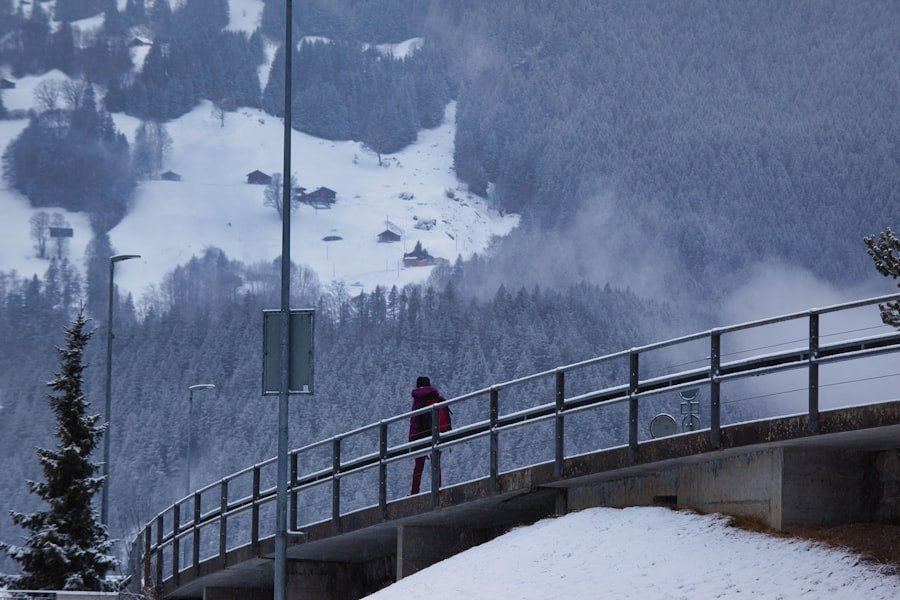
Après-ski in St. Moritz ranges from a quiet drink on a mountain terrace to cocktails, fine dining, shopping, and late-night entertainment in town. It is less about one single party street and more about choosing the atmosphere that fits your trip.
Badrutt’s Palace remains one of the town’s landmark hotels and was founded in 1896. Its bars and restaurants are part of St. Moritz’s luxury social scene, while the Kulm Hotel and other grand hotels provide additional dining and lounge options.
Current restaurant concepts change over time, so older recommendations can become outdated. For example, the former Michelin-starred “the K” at the Kulm belongs to the hotel’s dining history. The current Kulm lineup includes Kulm Country Club by Mauro Colagreco, along with other seasonal venues.
Travelers who prefer an active evening can also look for public ice skating, winter walks, spa facilities, or scheduled cultural and sporting events. Always check opening days because many hotels, restaurants, and mountain venues operate seasonally.
Luxury Accommodations and Dining in St. Moritz
| Planning Item | Current Guidance |
| Badrutt’s Palace | Historic luxury hotel founded in 1896. |
| Suvretta House | Official St. Moritz information describes it as the resort’s ski-in/ski-out hotel, with its own ski-school access. |
| Kulm Hotel winter season | The hotel currently lists its 2026/27 winter hotel season as December 4, 2026 to March 29, 2027. |
| Room and restaurant prices | Highly variable by hotel, room, meal, date, and event period. Compare live rates rather than relying on a fixed destination-wide average. |
St. Moritz is strongly associated with luxury accommodation, but travelers do not need to choose a grand hotel to enjoy the ski area. Hotels, apartments, and accommodation in nearby Upper Engadin villages can provide different price points and access patterns.
Badrutt’s Palace has been welcoming guests since 1896, but its age is only one part of the St. Moritz hotel story. Where you stay should also depend on the lift you plan to use each morning.
If easy skiing access matters most, look at the distance from your accommodation to Chantarella, Signal, Celerina-Marguns, or another relevant base station. A hotel in the center may be ideal for restaurants and shopping, while accommodation closer to a particular lift can simplify mornings in ski boots.
Dining ranges from traditional Engadin and Swiss dishes to international cuisine, hotel restaurants, mountain huts, cafés, and contemporary fine dining. Café Hanselmann remains one of the established names associated with St. Moritz, while luxury hotels operate multiple seasonal restaurants.
Off-Piste Adventures in St. Moritz
St. Moritz and the surrounding Engadin mountains provide opportunities for freeriding and ski touring, but terrain outside marked and open pistes is not simply an extension of the resort. It is uncontrolled mountain terrain where avalanche, snowpack, route-finding, visibility, rocks, cliffs, crevasses, and changing weather may create serious hazards.
Warning: Never assume off-piste terrain is safe because tracks are already present. Check the current Swiss avalanche bulletin, weather, local restrictions, and wildlife protection zones. Engadin guidance recommends not going alone, using trained professional guidance, and carrying an avalanche transceiver, shovel, and probe. A guide can reduce risk but cannot eliminate avalanche danger.
The Swiss Institute for Snow and Avalanche Research SLF publishes the official avalanche bulletin and snow information. Anyone considering skiing outside secured pistes should consult SLF avalanche information and understand how to interpret the danger level before entering avalanche terrain.
Snowshoeing is a gentler alternative, but it also requires route awareness. Marked winter hiking and snowshoe routes around the Engadin are better choices for most visitors than improvising a route across steep slopes or frozen water.
Muottas Muragl is particularly useful for non-ski winter activities. Rather than being a conventional beginner downhill ski area, it offers marked winter hiking, snowshoeing, and a 4.2 km toboggan run when conditions allow.
Family-Friendly Activities in St. Moritz
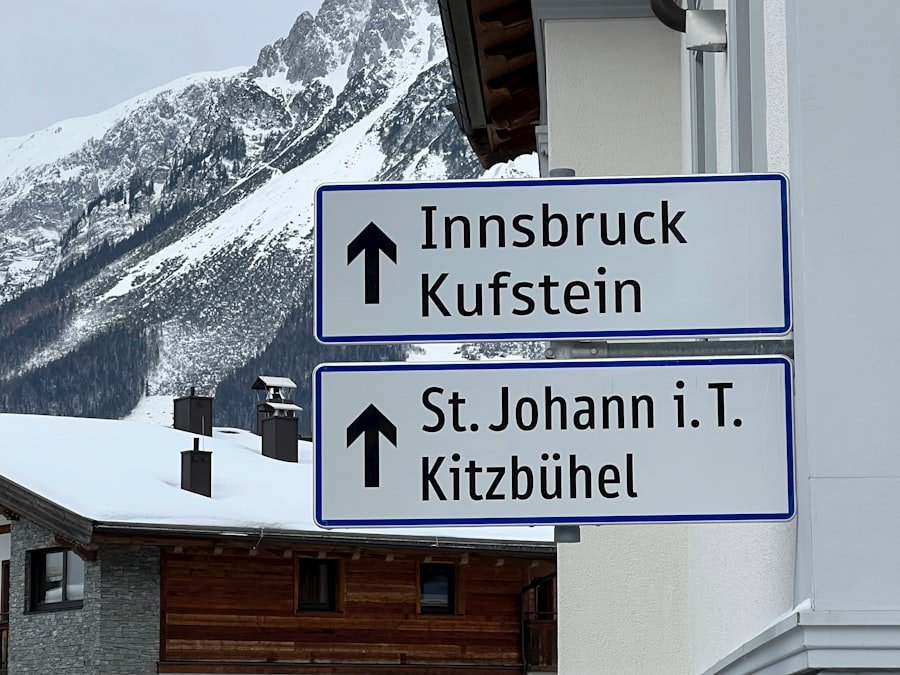
Families have several beginner areas to choose from across the Upper Engadin. On Corviglia, Salastrains is an established place for first turns and ski-school instruction. At the foot of Corvatsch, the Cristins area has nursery terrain, a magic carpet, and a beginner lift.
Other official beginner options include Provulèr near Celerina and the Languard family ski area in Pontresina. These smaller areas can be less intimidating than immediately taking a new skier high onto a large mountain.
Ski schools offer lessons for children as well as adults. Booking a lesson can be particularly useful for families whose members ski at different levels, because stronger skiers can explore more terrain while beginners learn on suitable slopes.
Beyond downhill skiing, family activities can include ice skating, tobogganing, winter hiking, snowshoeing on suitable marked routes, swimming or spa time, and horse-drawn carriage or sleigh experiences when available.
Muottas Muragl is another option for families wanting a mountain day without downhill skiing. The funicular provides access to winter walking and the panoramic mountain setting, while the toboggan run operates according to snow conditions.
The History and Culture of St. Moritz
St. Moritz’s winter identity developed long before modern ski lifts. In 1864, hotelier Johannes Badrutt famously invited English summer guests to return in winter, helping establish the town’s reputation as one of the birthplaces of Alpine winter tourism.
The town later became a major center for winter sport. It hosted the Olympic Winter Games in 1928 and 1948, a rare distinction that remains part of its identity today.
The railway story also matters, but the correct date is 1904. The Rhaetian Railway’s Thusis-St. Moritz line opened that year, bringing the Albula route to St. Moritz. Today, the journey remains one of the most memorable ways to reach the Upper Engadin.
St. Moritz continues to combine winter sport with art, architecture, design, music, dining, and international events. Cultural programming changes throughout the year, so visitors interested in exhibitions, talks, concerts, or festivals should use the current destination calendar rather than relying on an older event name.
Getting to and Around St. Moritz
St. Moritz is remote by big-city standards, but public transport makes it possible to plan a ski holiday without a car. The Rhaetian Railway reaches the Upper Engadin through dramatic mountain scenery, including the UNESCO-listed Albula/Bernina railway landscape.
Official St. Moritz information gives the train journey from Zurich main station to St. Moritz as roughly three hours. Travelers arriving by car can use Alpine roads or, depending on the route, the Vereina car transporter through the tunnel.
Once in the Upper Engadin, trains and buses help connect St. Moritz with Celerina, Pontresina, Silvaplana/Surlej, Diavolezza, and other ski access points. This is important because Corviglia, Corvatsch, and Diavolezza/Lagalb should not be treated as one continuous lift-linked ski circuit.
See the official Engadin arrival guide for current train, road, airport, and regional transport information.
Tips for Planning Your Ultimate St. Moritz Ski Trip
Start by deciding which type of skiing matters most. Beginners may prefer accommodation convenient for Salastrains or another nursery area. Intermediates can make Corviglia the core of the trip. Stronger skiers may want dedicated days for Corvatsch and Diavolezza/Lagalb.
Book the Important Parts First
- Accommodation: Reserve early for Christmas, New Year, school holidays, World Cup weekends, and major events.
- Ski pass: Compare Snow Deal pricing with Sleep + Ski if your accommodation participates.
- Lessons: Book ahead if you need a specific language, private instructor, or children’s lesson time.
- Rental equipment: Reserve sizes in advance during busy periods.
- Restaurants: Popular mountain and hotel restaurants can fill quickly, especially at lunch and during event weekends.
Check Conditions Every Morning
A sunny forecast in town does not tell you everything about conditions at 3,000 m. Check lift status, visibility, wind, snowfall, piste closures, and any avalanche information relevant to your plans before choosing a mountain.
Pack for High-Alpine Weather
Useful ski clothing includes moisture-managing base layers, an insulating middle layer, waterproof outerwear, warm gloves, ski socks, goggles, and suitable eye protection. Carry sunscreen and lip protection because snow reflects sunlight and UV exposure can remain strong in the mountains.
A small backpack can hold water, an extra layer, tissues, a phone, and a portable battery. Keep the pack compact and suitable for skiing rather than carrying unnecessary weight.
Do Not Overplan the First Day
Altitude, unfamiliar ski boots, travel fatigue, and a new piste map can make the first day more tiring than expected. Start on terrain comfortably below your limit, learn the lift network, and expand from there.
If you are staying in an apartment and prefer preparing some food yourself, you may also find this existing guide to delicious homemade cottage cheese useful for a simple self-catering option after skiing.
Frequently Asked Questions
What is St. Moritz known for?
St. Moritz is known for Alpine winter tourism, skiing, luxury hotels, frozen-lake events, and a long winter-sports history. It hosted the Olympic Winter Games in 1928 and 1948 and remains a regular venue for international winter-sports events.
What are the best ski areas in St. Moritz?
Corviglia/Piz Nair is the main ski area directly above St. Moritz and works well for many beginners and intermediates. Corvatsch/Furtschellas adds higher-altitude terrain, while Diavolezza/Lagalb provides a more high-alpine experience that often appeals to confident skiers.
Is St. Moritz good for beginner skiers?
Yes. Beginners can learn at areas such as Salastrains on Corviglia and Cristins at Corvatsch, while smaller family areas around the Upper Engadin provide additional nursery terrain. Lessons are recommended for first-time skiers.
Are all the St. Moritz ski areas connected by lifts?
No. Corviglia, Corvatsch, and Diavolezza/Lagalb are separate sectors. Buses, trains, or road transfers are used when moving between major base areas, so it is usually better to dedicate a ski day to one sector.
What is the best time to visit St. Moritz for skiing?
December through March is the core ski period for most visitors. Some sectors operate earlier or later because their elevations and schedules differ. Always check the current operating calendar and snow report for the exact mountain you want to ski.
Do I need a car for a St. Moritz ski holiday?
Not necessarily. St. Moritz has rail and bus connections, and Corviglia can be reached directly from town. Public transport also connects other Upper Engadin communities and ski areas, although checking timetables in advance makes transfers easier.
What other winter activities are available besides skiing?
Options include winter hiking, snowshoeing, ice skating, tobogganing, spa visits, shopping, dining, and seasonal sporting or cultural events. Muottas Muragl is a good example of a mountain destination focused on winter walking and tobogganing rather than regular piste skiing.
What is the weather like during the St. Moritz ski season?
Expect true Alpine winter conditions, but temperatures and weather can change quickly with altitude, month, wind, and passing weather systems. Check the local mountain forecast each day rather than planning around one destination-wide average temperature.
Sources
- St. Moritz Tourism: Corviglia / Piz Nair — piste distance, lift count, Piz Nair elevation, mountain access, and skiing information.
- Corvatsch, Diavolezza & Lagalb official website — mountain information, skiing, activities, and operating information.
- Engadin Tourism: Snow Deal — dynamic ski-pass pricing and Sleep + Ski information.
- Engadin Tourism: How to Get Here — rail, car, airport, and regional transport information.
- Rhaetian Railway: History — confirms the Thusis-St. Moritz railway opened in 1904.
- WSL Institute for Snow and Avalanche Research SLF — official Swiss avalanche bulletin and snow-safety information.